
Sharing our Space
‘Learning from Each Other’ – since 1994
Shimna Integrated College began life in glorious temporary accommodation at Murlough House, former summer palace of the Marquess of Downshire. One day Christopher arrived at school crying. When Kevin talked him through his misery, it turned that a passer by at the bus stop had asked Christopher which school his uniform belonged to. Cricky had replied, “Shimna”, and the passer-by had said he’d never heard of it and there was no such school. It was understandable that poor wee Cricky was worried, after the bus journey out to isolated, distant Keel Point, that his family had sent him somewhere very strange, to a school that nobody had ever heard of. Aside from the community of founders, that’s all the wider community knew about Shimna.
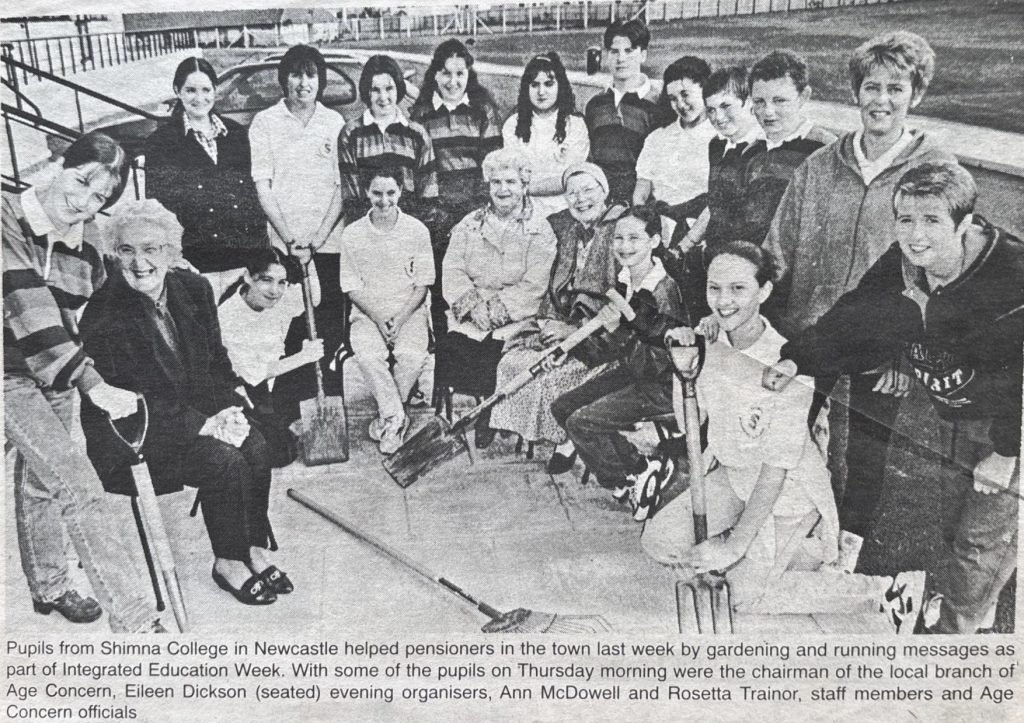
Shimna then moved to the permanent site at the Lawnfield, a beautiful site, on the slopes of Slieve Donard and looking out to sea. But, the site was well tucked away from the main road and risked remaining unknown beyond those who already knew. One of the aims of the founding parents had always been that the school would become a shared, Integrated space for the local community. The Troubles caused huge demographic upheaval in Northern Ireland, and a legacy of segregated and divided communities was the context in which our Integrated schools were founded. Challenging segregation and division was a core aim of Integration. Shimna was founded by Newcastle parents, and, despite the availability of a redundant school building not far away in a town at the time forced into a single identity, the founding parents worked hard to ensure that Shimna would be sited in Newcastle itself, a town with a history of welcoming visitors. All sections of the community, including those living in deeply segregated settlements nearby, were comfortable to travel into Newcastle. Confidence in Newcastle was just as important for people in the local area setting up community activities as choosing a school, and an Integrated, shared space was just what was needed. An added motivation for setting up a community programme as soon as possible was simply to let people know the school was there. Students knew, staff knew, governors knew but what about everybody else?
One of the first programmes offered A level English classes to parents and friends, taught by Ellen McVea and Gráinne Tobin, later joined by Vanessa Glasgow and Kevin Lambe. The aim included ensuring that Shimna would be known as an 11-18 school with a potentially successful 6th form even before the students were old enough to begin their A levels. The classes saw through two very successful cohorts, and included a number of parents, governors and friends who progressed to Queen’s University on the back of their Shimna A level.
Even more successful in terms of bringing in parents and the local community were the computing classes run by ICT manager Peter Yabsley and Support Staff manager Anne Fitzpatrick. This was the era of home computing getting underway, and there was great demand for beginner classes and qualifications such as CLAIT.
In 2003, the Special Olympics were held in Ireland, and Newcastle was host to the Swedish team. The Swedish athletes were able to train and prepare on Shimna’s pitches. One of the huge benefits of the Special Olympics was that local people were inspired to form Special Olympics clubs to provide sporting opportunities for learning disabled adults and young people. In Newcastle, the club focused on basketball, and Shimna became the home of Shimna Stars Special Olympics Basketball Club.
We always welcomed evening classes in languages, and Spanish and French classes proved particularly popular. Sophie Astruc always managed to combine her French classes with delicious French eatables.

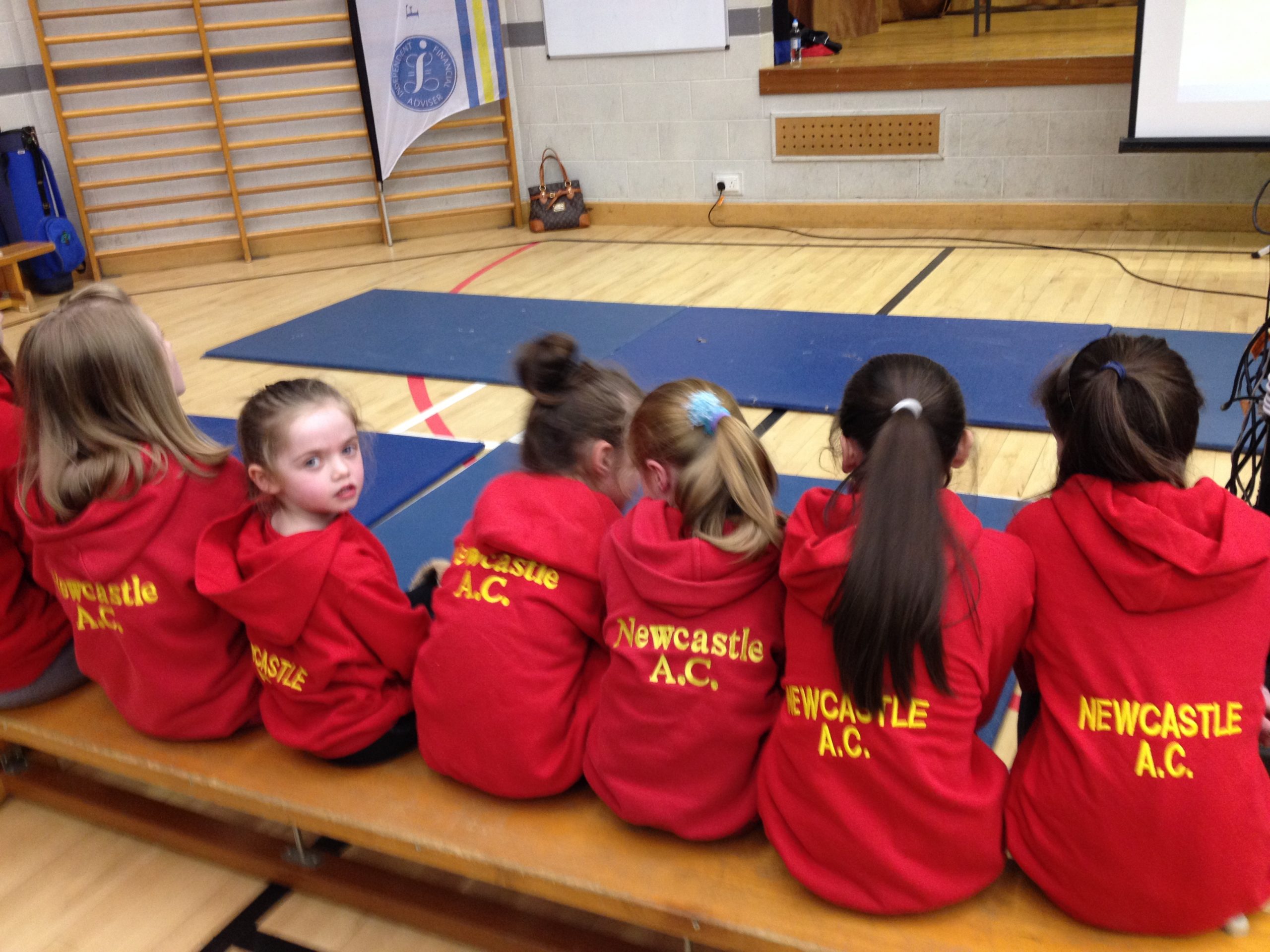
Then parent Martina Hawkins came up with a proposition. She had persuaded athletics coach Jim Patterson to support Newcastle Athletics Club in setting up a junior division at Shimna. He was a qualified coach and would lead the club while volunteer parents got themselves qualified. Ellen McVea provided the evening caretaking and locking up. The club still successfully trains at Shimna, and has been joined by Murlough Athletics Club Juniors.
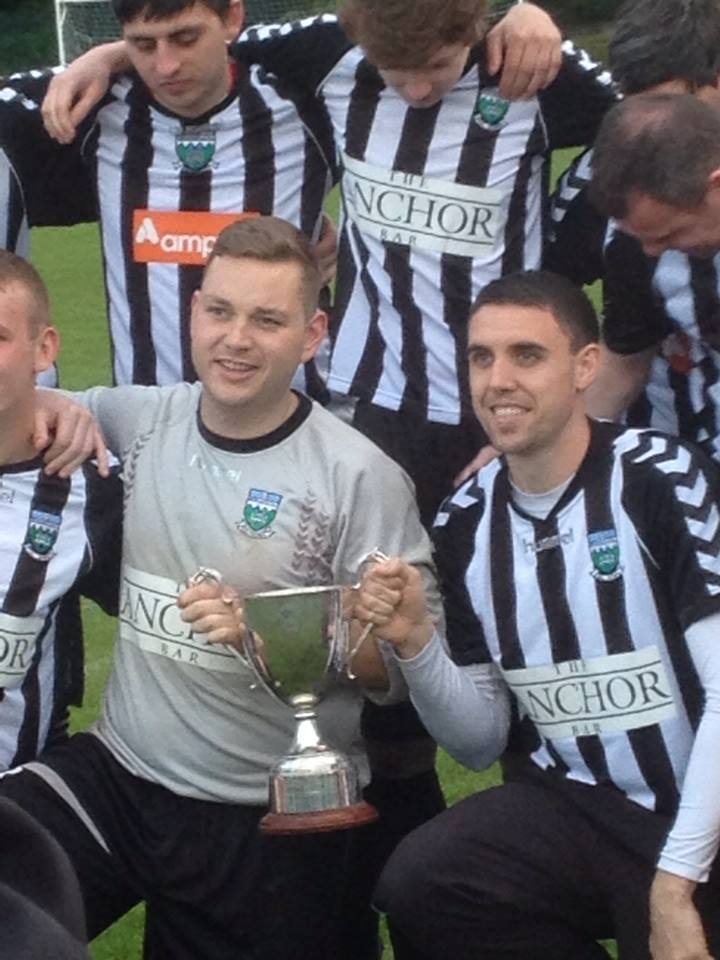
Newcastle, strangely for a small town, boasted two football clubs, one of which trained and played in Donard Park. The other, Newcastle FC proposed a deal with Shimna which would allow the first team to play their league matches on Shimna’s pitch. The club installed the required barriers and dugouts and agreed to carry out pitch improvements in the summer months. The arrangement saw many generations of Newcastle players, including many Shimna OldScholars, parents and staff, find success on the pitch.

Once we had our new sports hall, parent governor Catherine Greene took advantage of the opportunity to set up Shimna Shooters, a mothers and daughters netball club. Eventually, inspirational parent Charlotte Elliott developed the club further into Newcastle Shooters Netball Club, open to the whole community, with teams training two nights a week with a slot maintained for social netball. A special feature has been the twelve hour Netballathon every year, raising money for charity.
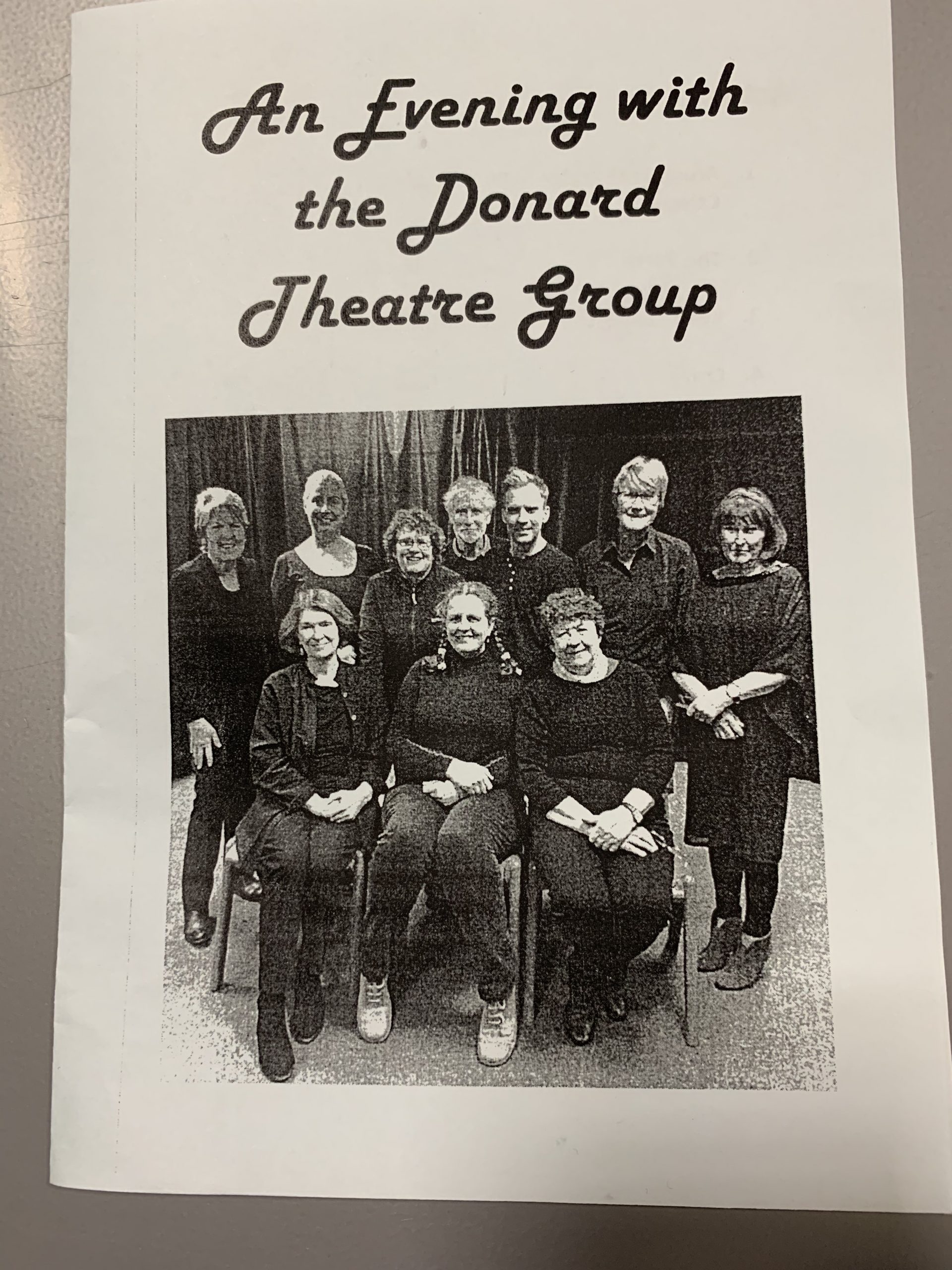
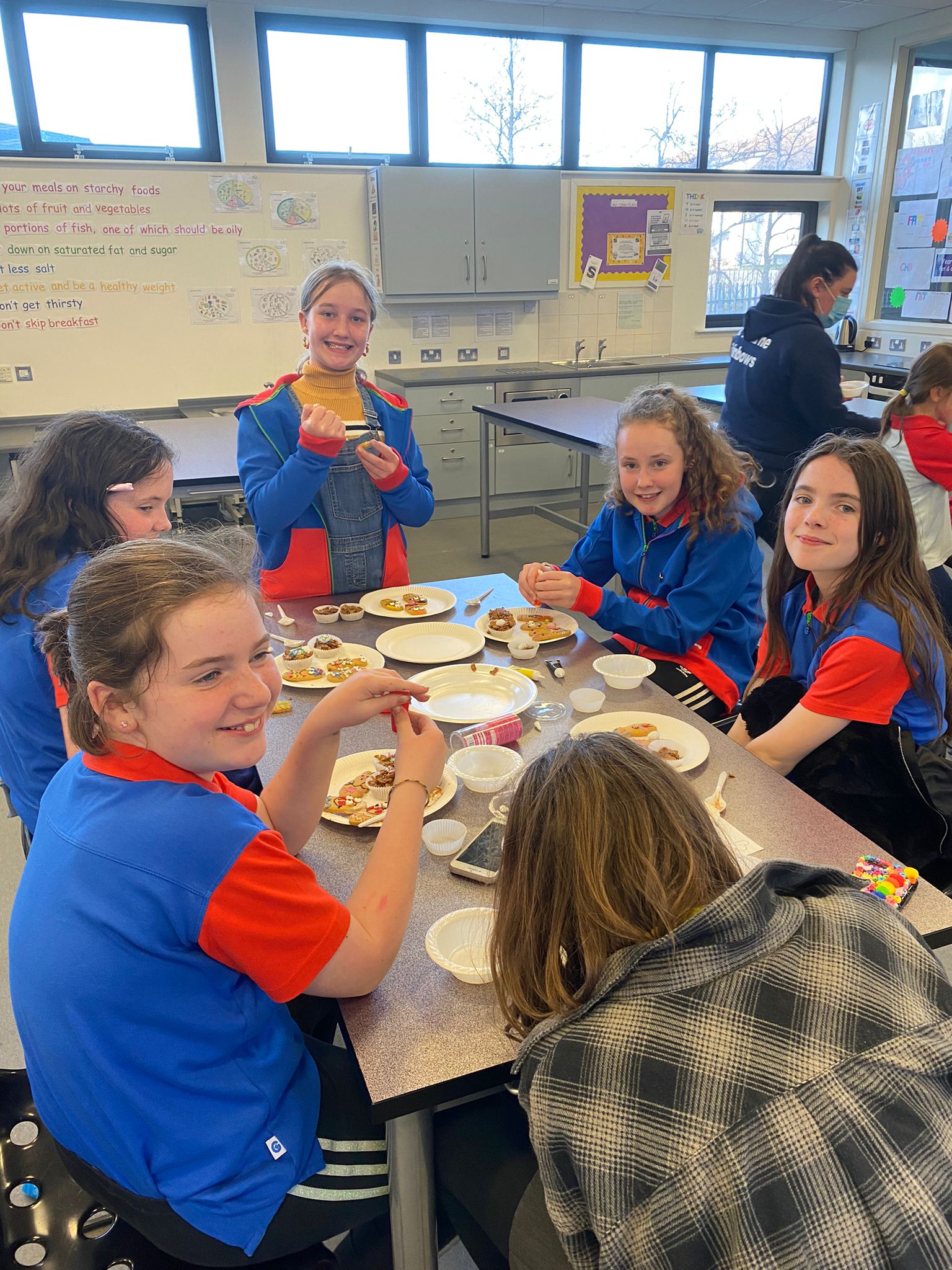
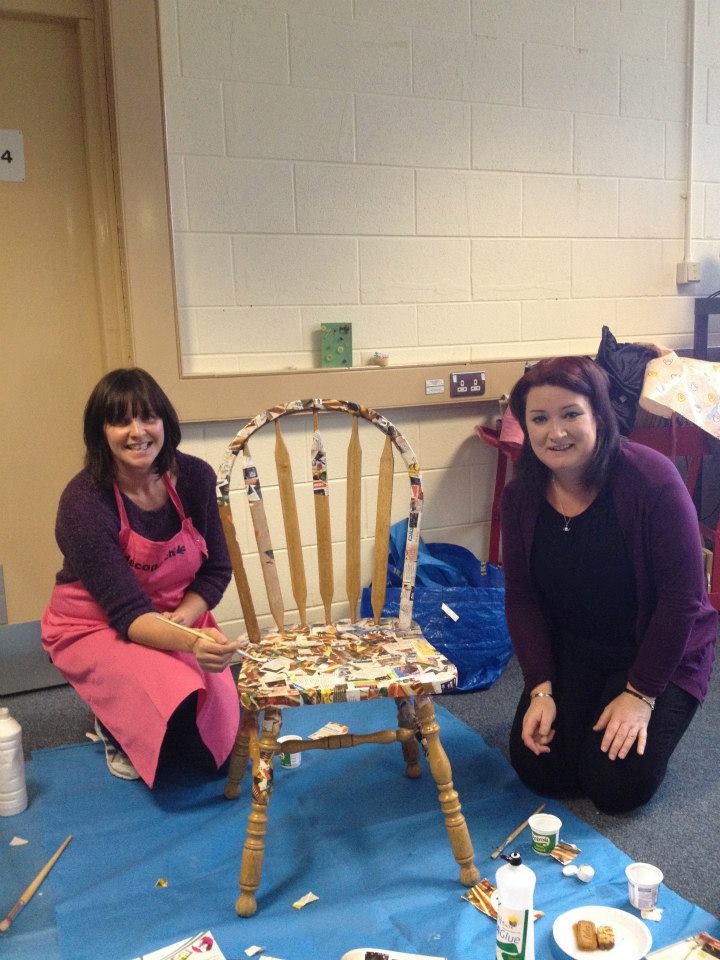
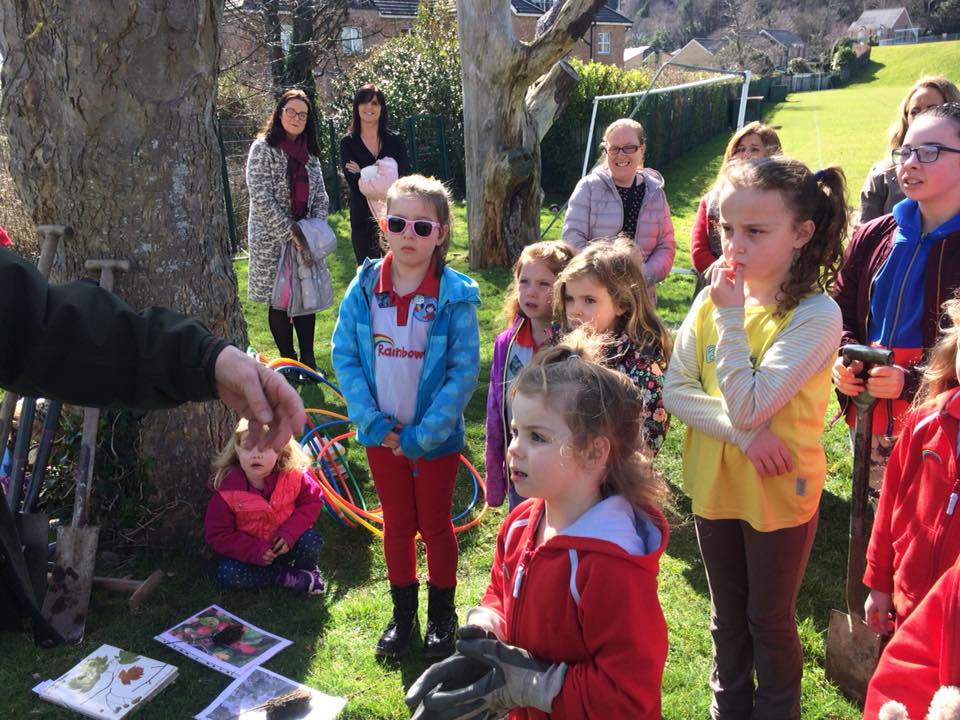
When Ellen McVea retired, the board of governors urged her to remain involved with the school, and she chose to make her contribution by continuing to develop the evening community outreach. The programme expanded to include Newcastle Junior Athletics Club, Murlough Junior Athletics Club, Newcastle FC U6s and U8s, Shimna Stars Special Olympics Basketball Club, Donard Players, First Mourne Rainbows, Brownies and Guides, Mourne School of Irish Dance, Newcastle (Shooters) Netball Club and Newcastle Tennis Club. Shimna has also hosted Repair Shops, parenting classes, the Mourne Mountain Marathon, Raymond Shannon’s first aid courses, caravan clubs and visiting school cross country teams. The school also remained open for study until 8.00pm four evenings a week.

The throughput of evening use played an essential part in embedding Shimna as a central element in the local community. When planning began for Shimna’s permanent building, all the community groups involved in the school contributed to the consultation. The stream of evening users saw the displays of Shimna academic achievements and saw Shimna as an appealing Integrated and successful option for parents to consider for their children. Many of the organisations which choose Shimna as their venue, do so because Shimna offers a shared, integrated space, exactly as the founding parents hoped and planned.