Canteen manager, Anne Carlin, was the person who knew best about the secret life of Shimna’s grounds. Anne was the first to arrive in the morning, frequently to be met by a trio of fallow deer, locked in when Ellen locked up in the dark the night before. Anne then became exasperated by a knocking sound she heard each morning before the rest of us arrived. She was sure it must be a woodpecker. But all of us had been taught that you don’t get woodpeckers in Ireland. Even Leonard, inveterate bird water, had never claimed to have spotted a woodpecker. A check with founder parent and governor, Andy Carden in King Street proved us all wrong and Anne quite right. A storm had blown Welsh woodpeckers over to Ireland and this one had obviously taken up residence in Donard Forest.
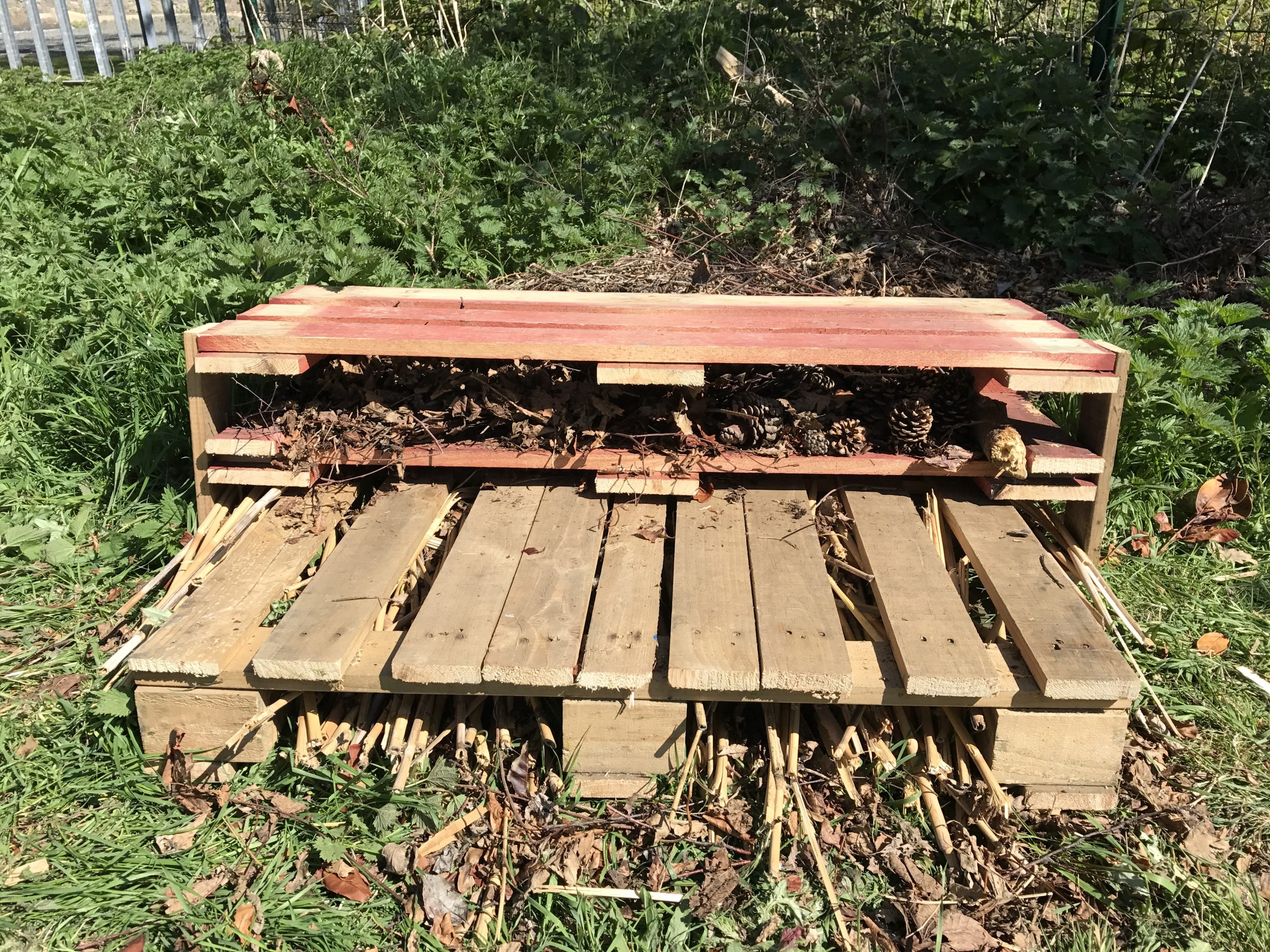
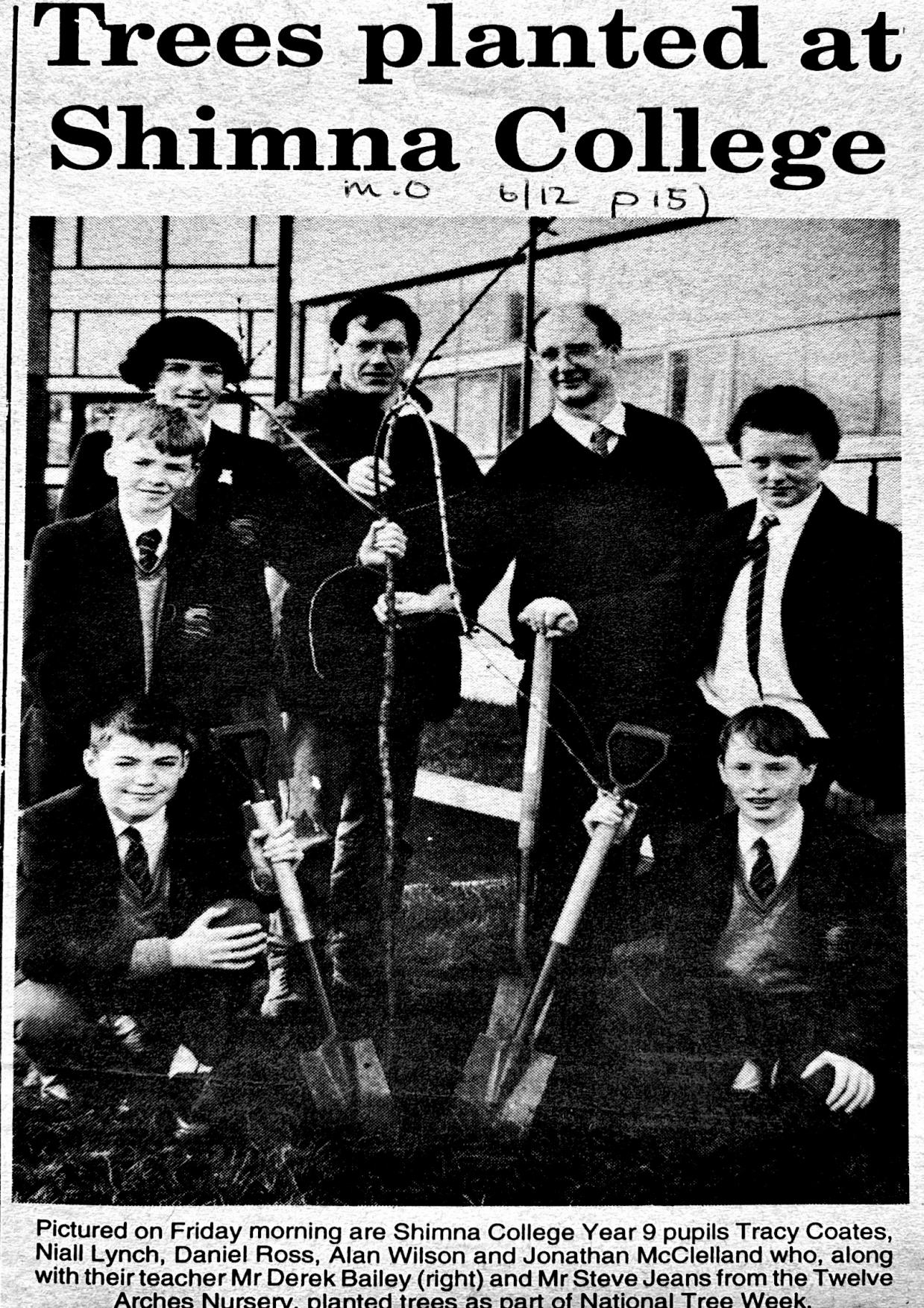
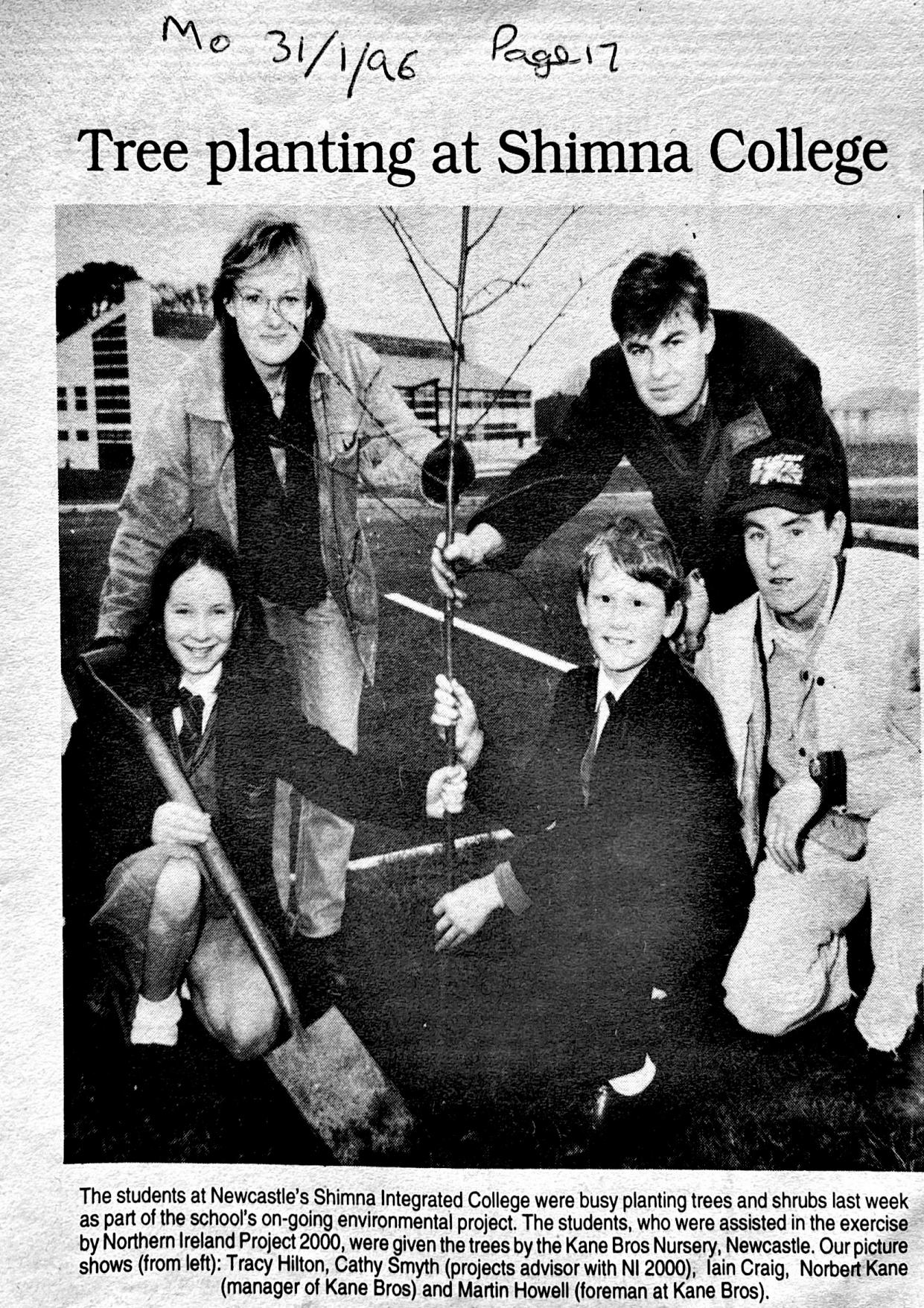
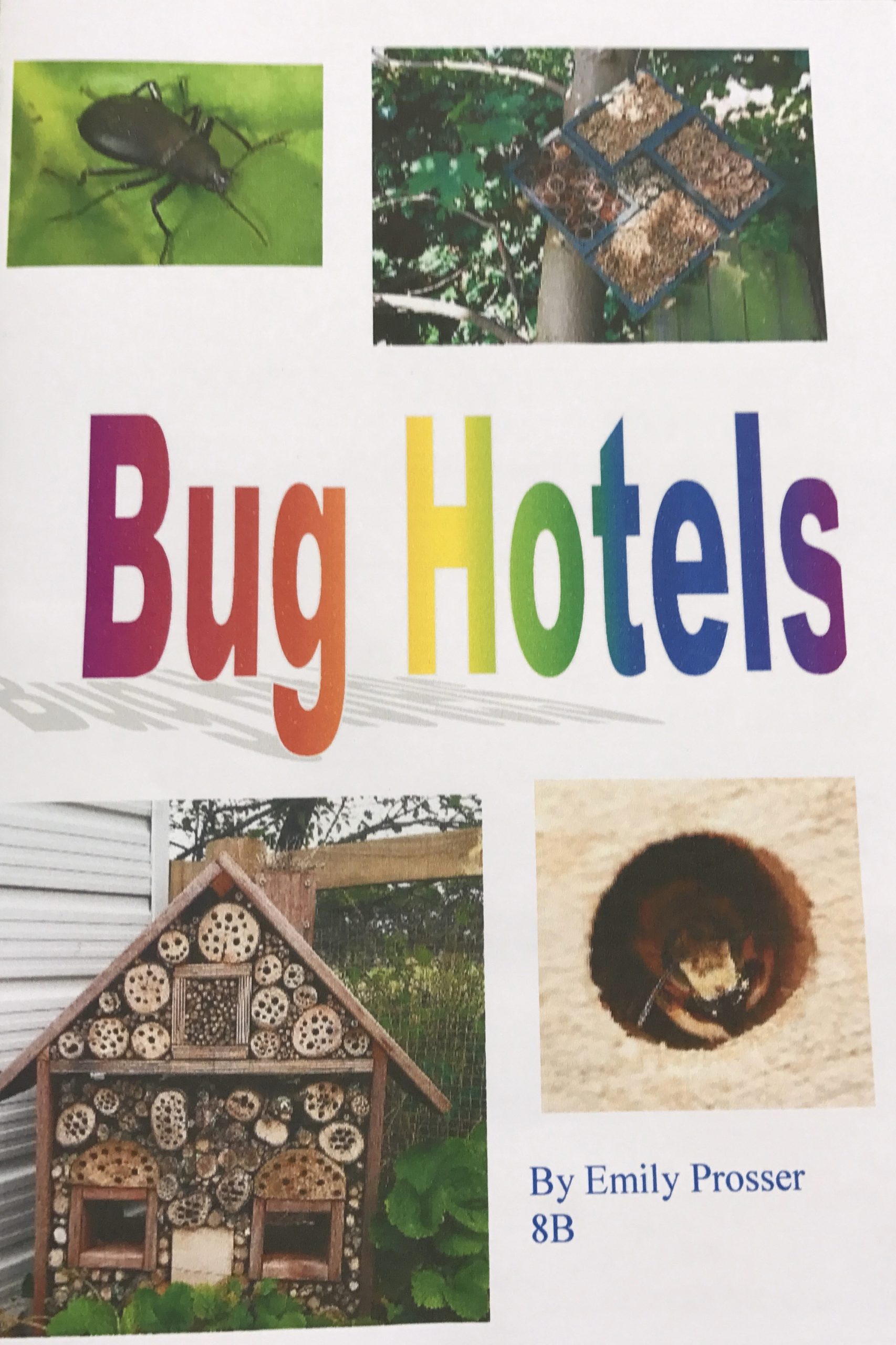
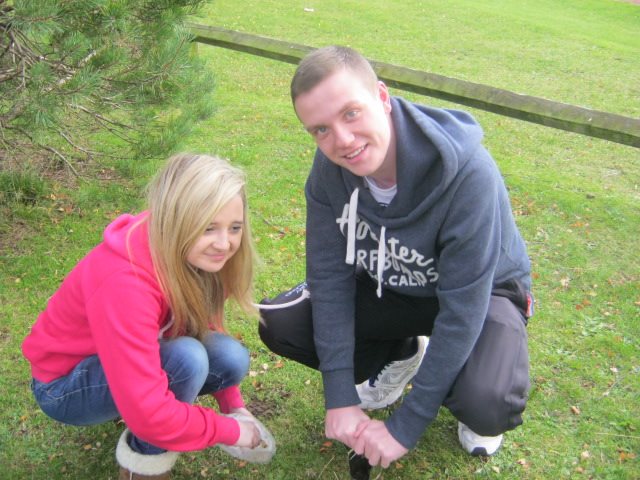
As soon as we moved into our Lawnfield site, students, staff, parents and governors got started planting trees, planting hedges, planting bulbs and eventually building our greenhouse and raised beds to grow vegetables for our canteen. Derek Bailey and science students built a pond, and when the pond was lost to flood protection works, built a bug hotel from tiles and bricks and vegetation.
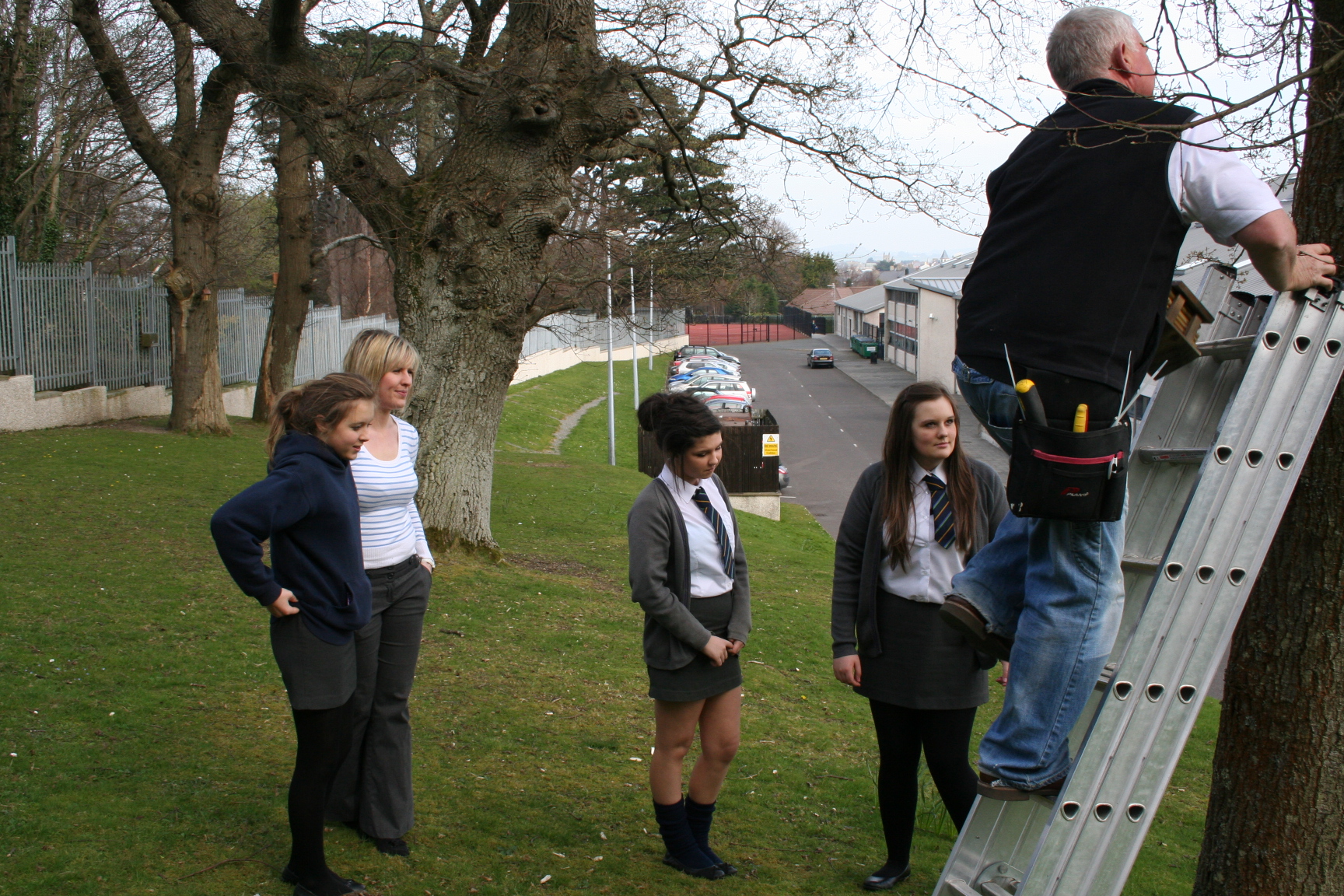
A bat would sometimes sneak into our building, causing wonderment and a bit of panic. We responded with bat boxes to give them a home of their own. Bird boxes went up too, with the help of Robbie Mulholland. Seagulls still preferred the window ledges of the maths and politics departments!
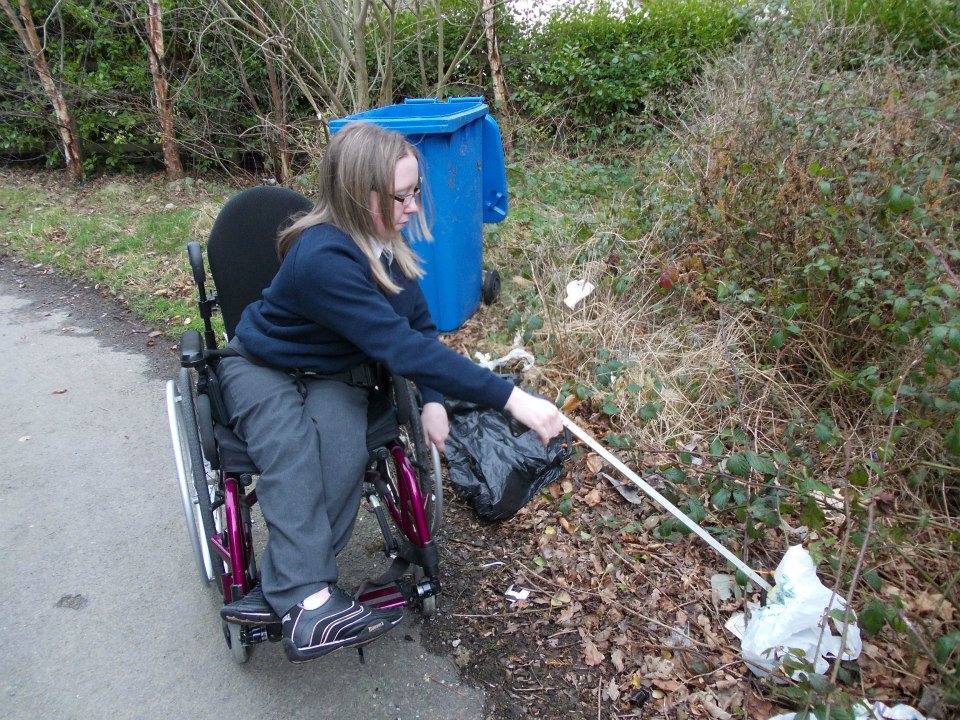
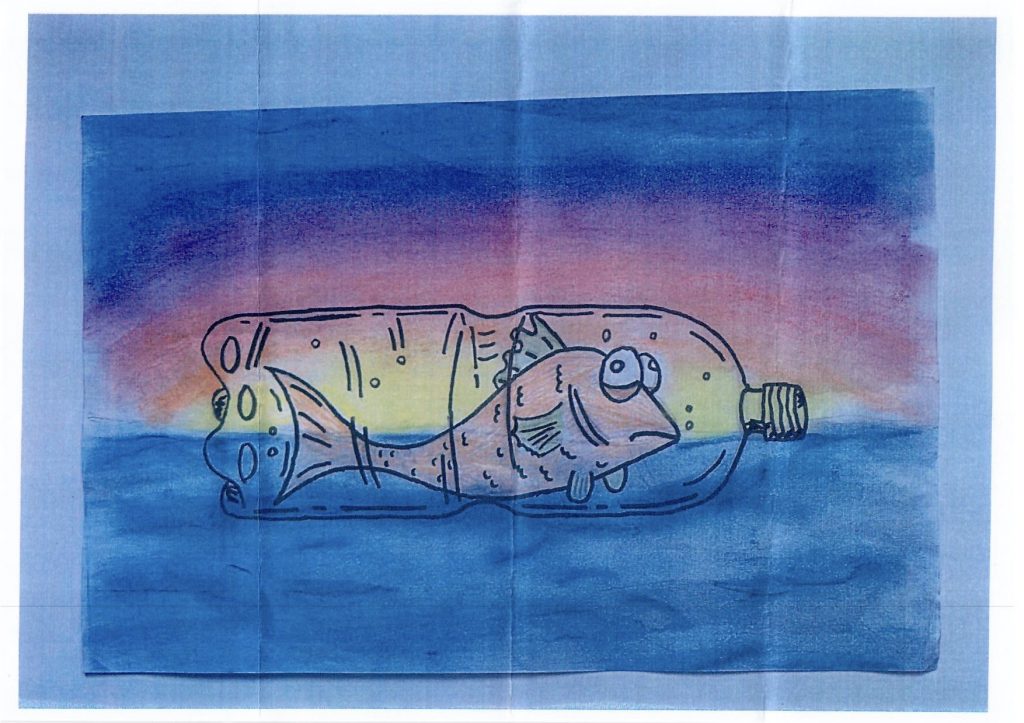
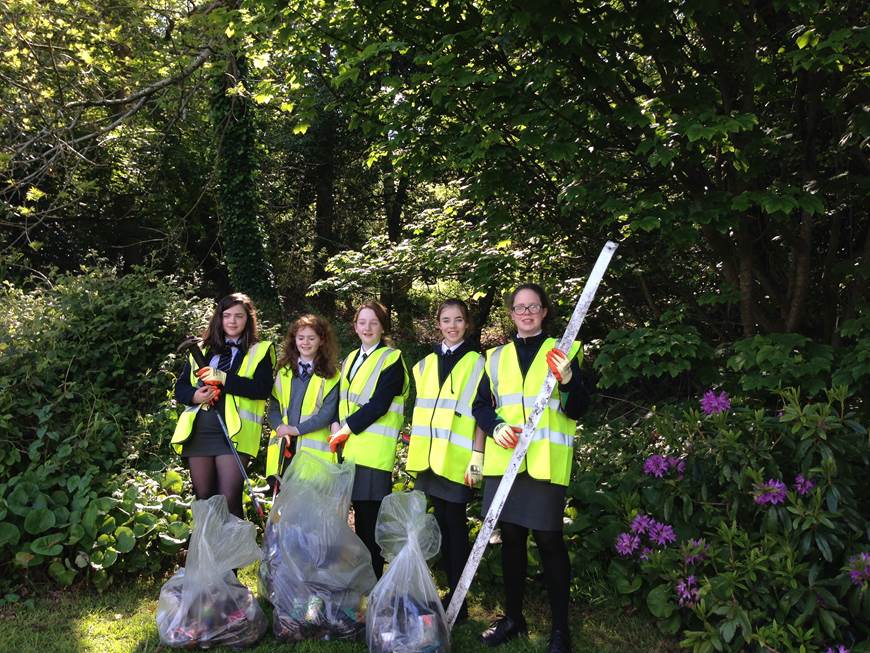
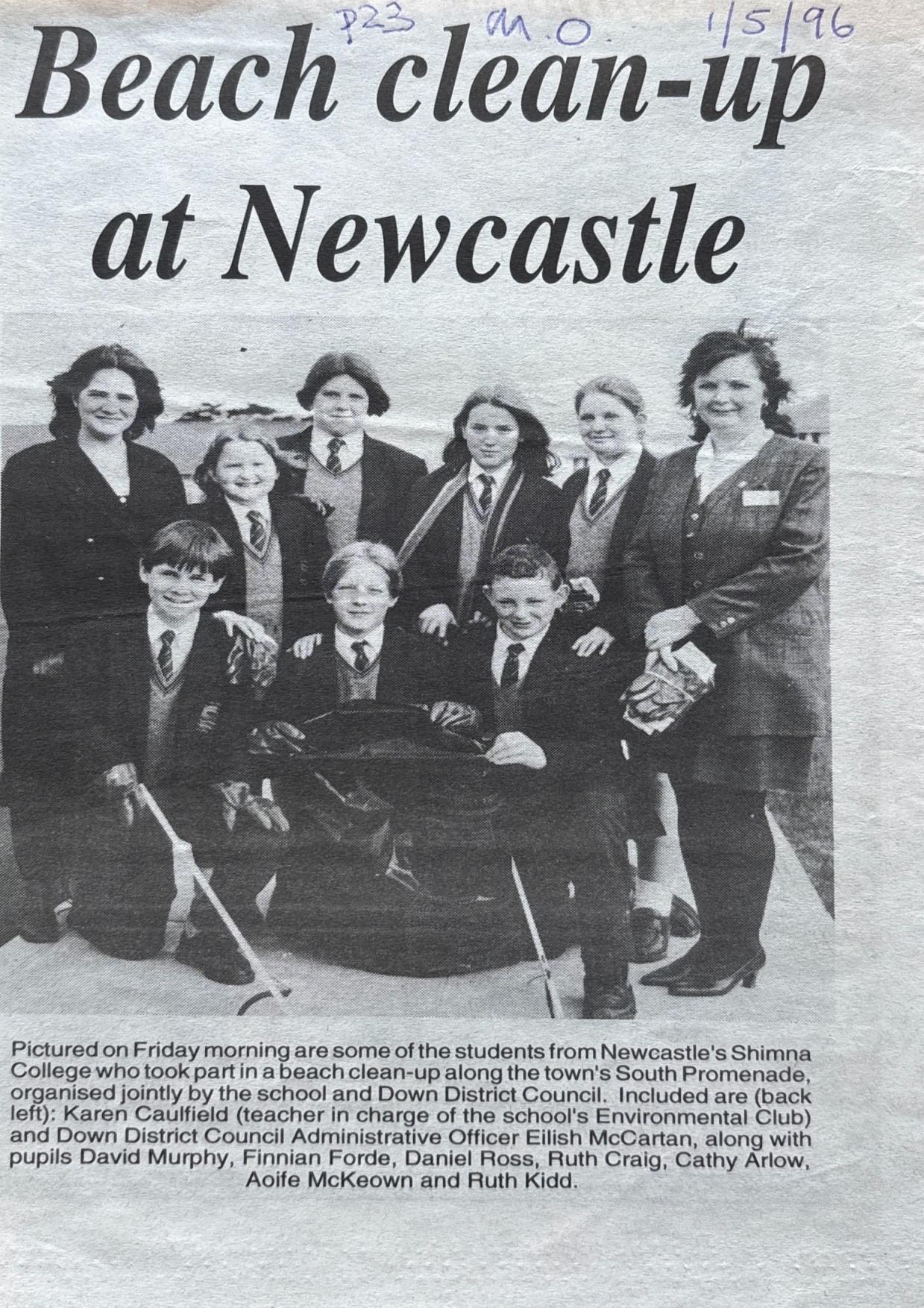
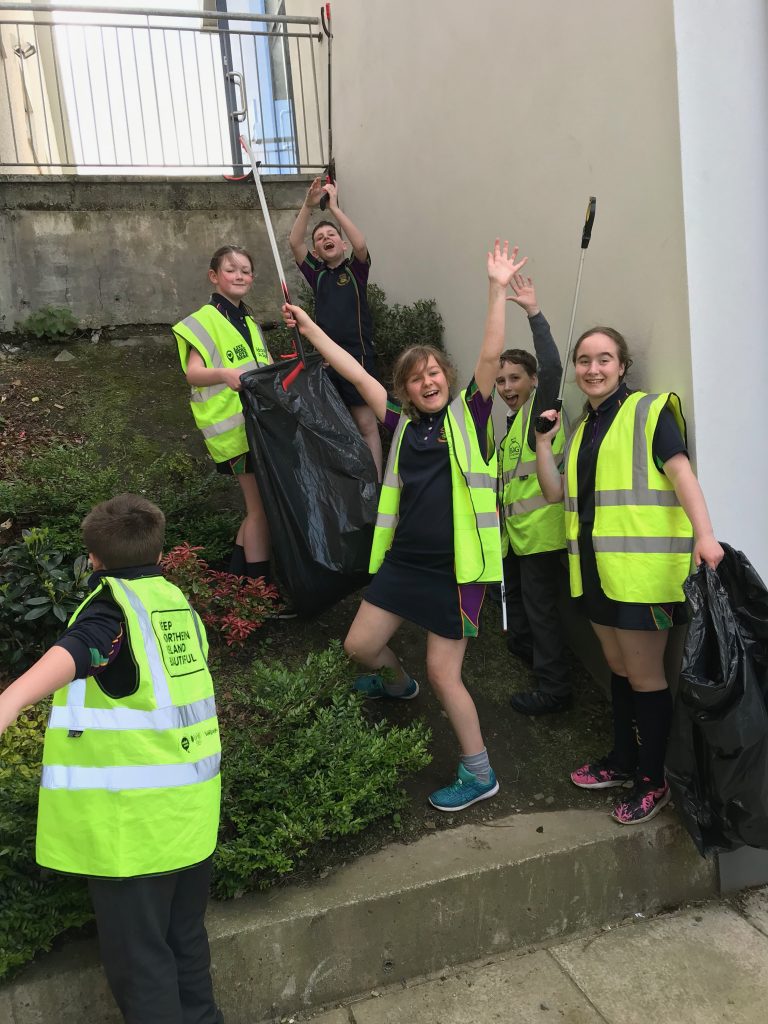
Litter is a constant threat to the environment, and right from early days, we armed ourselves with a class set of litter pickers, and went on regular litter picking both inside our own grounds and in the lane we share with Glen and Donard Folds. We tackled some specific litter challenges in different ways, with a fundraiser for a cancer charity which involved collecting bottle tops. The bottles themselves were repurposed as the building blocks for our home made greenhouse. Various local businesses sponsored our anti-litter campaigns, but the day that our healthy eating policy removed the vending machines made the biggest difference to the temptation to litter. Living beside the sea made us very conscious of marine litter, and beach cleans became part of our routine
There will always be rubbish and waste, and we applied ourselves to environmentally friendly ways to deal with it. Eventual Shimna parents Tara Haughian and Michael Donnelly led us in a waste audit, emptying out the bins and dividing the waste into plastic, paper, cardboard, glass, food waste, litter. Every classroom was provided with a recycling bin as well as a landfilled bin and the school Eco Warriors made weekly checks and issued reminders to us all. We had great support from staff at BE Aerospace in Kilkeel, who showed us how they encouraged staff at the factory to be more eco conscious. The biggest lesson they taught us is that people don’t just turn eco conscious and stick to it. All of us need reminders, encouragement and to experience the rewards. The Eco Warriors, often working towards their Duke of Edinburgh Award, included bin checks in their weekly, afterschool classroom inspections, leaving reminder notes, encouragement and the occasional fair trade chocolate treat for the staff who managed their eco responsibilities best.
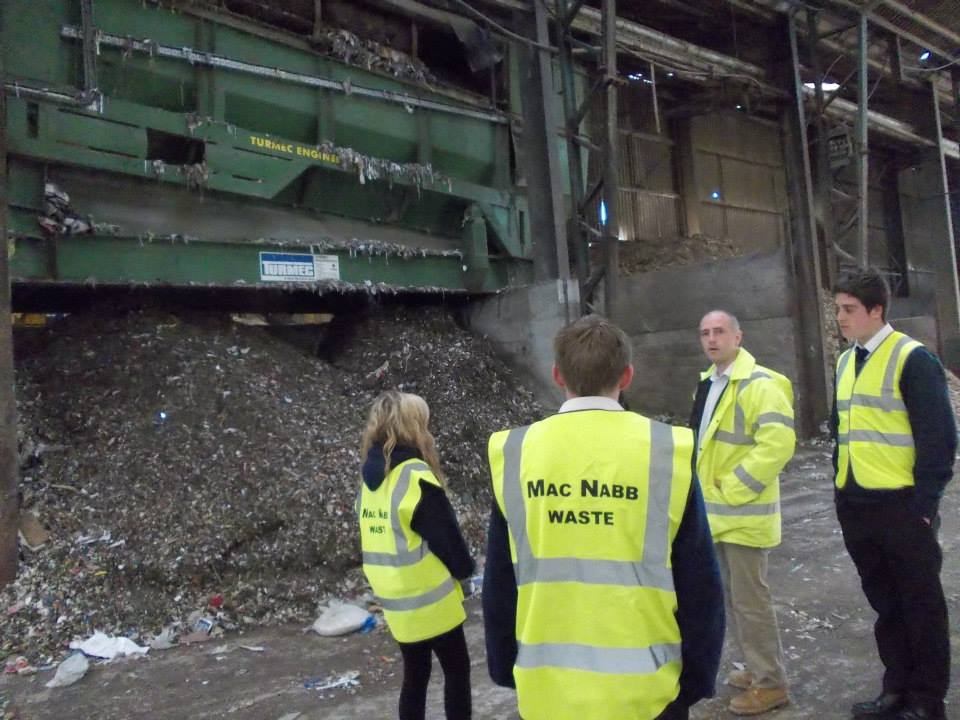
There was the question though of what happened to our rubbish next. The school had taken out a contract with local firm McNabb Waste Management. Robbie Mulholland led our Prince’s Trust group on a factfinding trip, following the bin lorry to the depot to watch what happened next. What happened next was very instructive. Everything that could be recycled was recycled, but it was clear that Northern Ireland had a long way to go to develop the facilities to recycle every kind of waste. McNabb staff explained that some of it goes abroad for processing, and assured us that the firm aimed to develop facilities to maximise the amount of waste processed here, saving on pollution costs of transport.
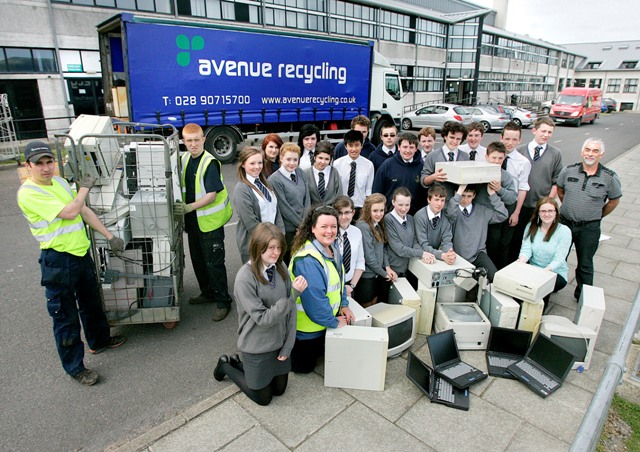
Electronic was a serious problem, and when our original Apple Mac room was decommissioned, we teamed up with Avenue Recycling to make sure none of it would end up in landfill. A battery recycling box was provided in the front hall and regularly emptied at the Bann Road Recycling Centre.
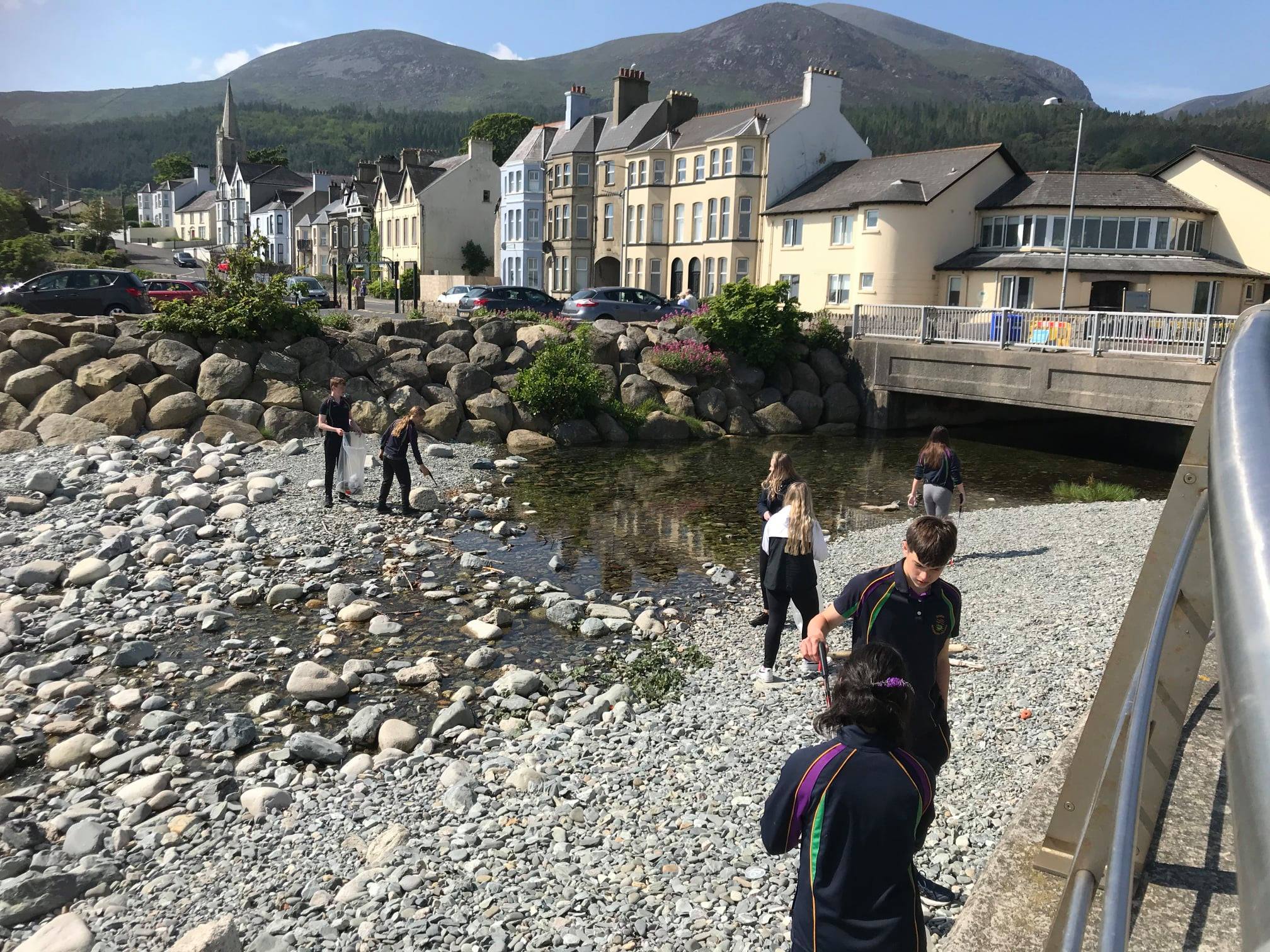
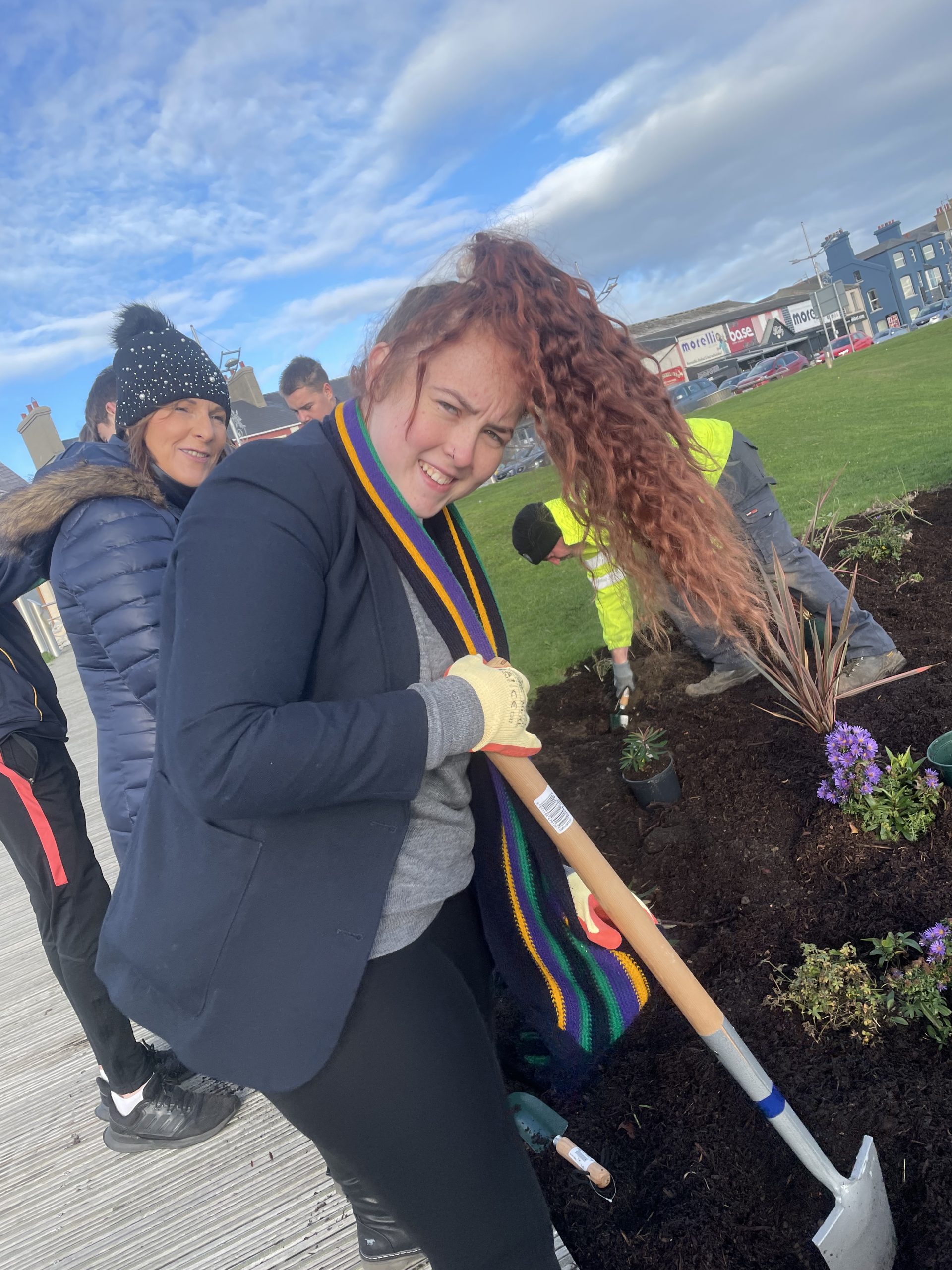
Environmental work didn’t stop at our gates, and students worked with Newry Mourne and Down Council to plant climate resilient species on the promenade, carried out heavy duty litter picks in Donard Forest and kept up the work on beach cleans. We welcomed help in the other direction, when First Mourne Rainbows, Brownies and Guides planted even more trees in our grounds, and when Business in the Community volunteers brought the skills we needed to build the frame for our home made greenhouse. Parent and tree surgeon Tristan Stocking arrived with a load of wood chip, which rotted down into glorious compost. OldScholar and tree surgeon Chris Keag offered invaluable tree advice and services. Kathy Black never ceased finding us donations of compost, funding for tools and a sunbubble! Gervaise Mullan supplied us with tyres for planting spuds. Maureen Rafferty donated fruit trees, Fiona Forsythe brought fish boxes for planters.
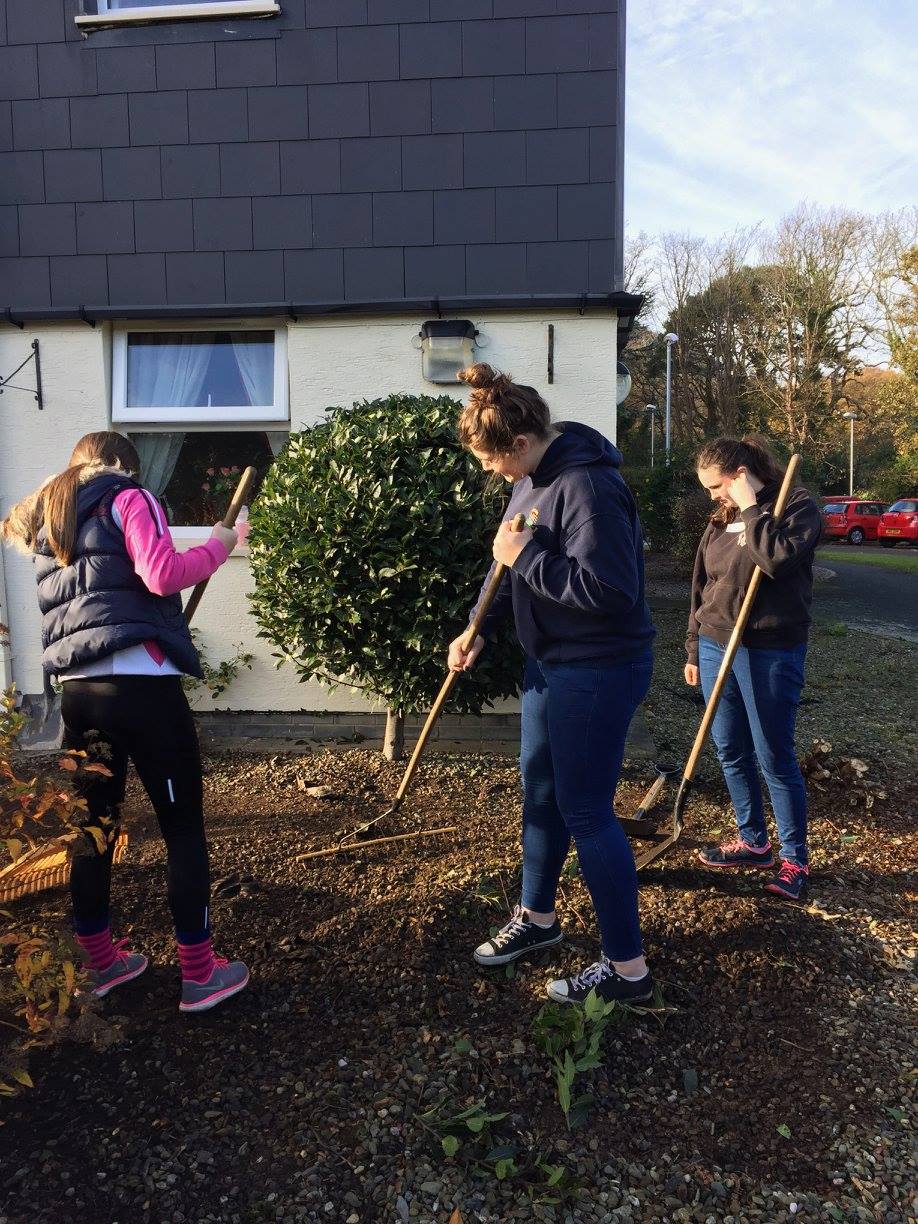
Environmental work was led by student Eco Warriors, the Prince’s Trust group and the horticulture classes, but students soon found ways to get everyone involved. Cameron led a memorable assembly unpacking a wheelie bin on stage to demonstrate just how much stuff we throw away. The Eco Warriors issued warnings when we left our lights and computers on, and rewards when we remembered to turn them off. The Prince’s Trust extended our eco work into our neighbouring Folds, digging out a seating area, building waist height raised beds, planting a wild flower border and planting veg. They eventually donated the sun bubble when the Shimna site proved too windy. The horticulture class organised a veg order and delivery service for staff, planted bulb displays for the porch, provided air freshening plants for classrooms and ran a veg stall full of home grown produce.
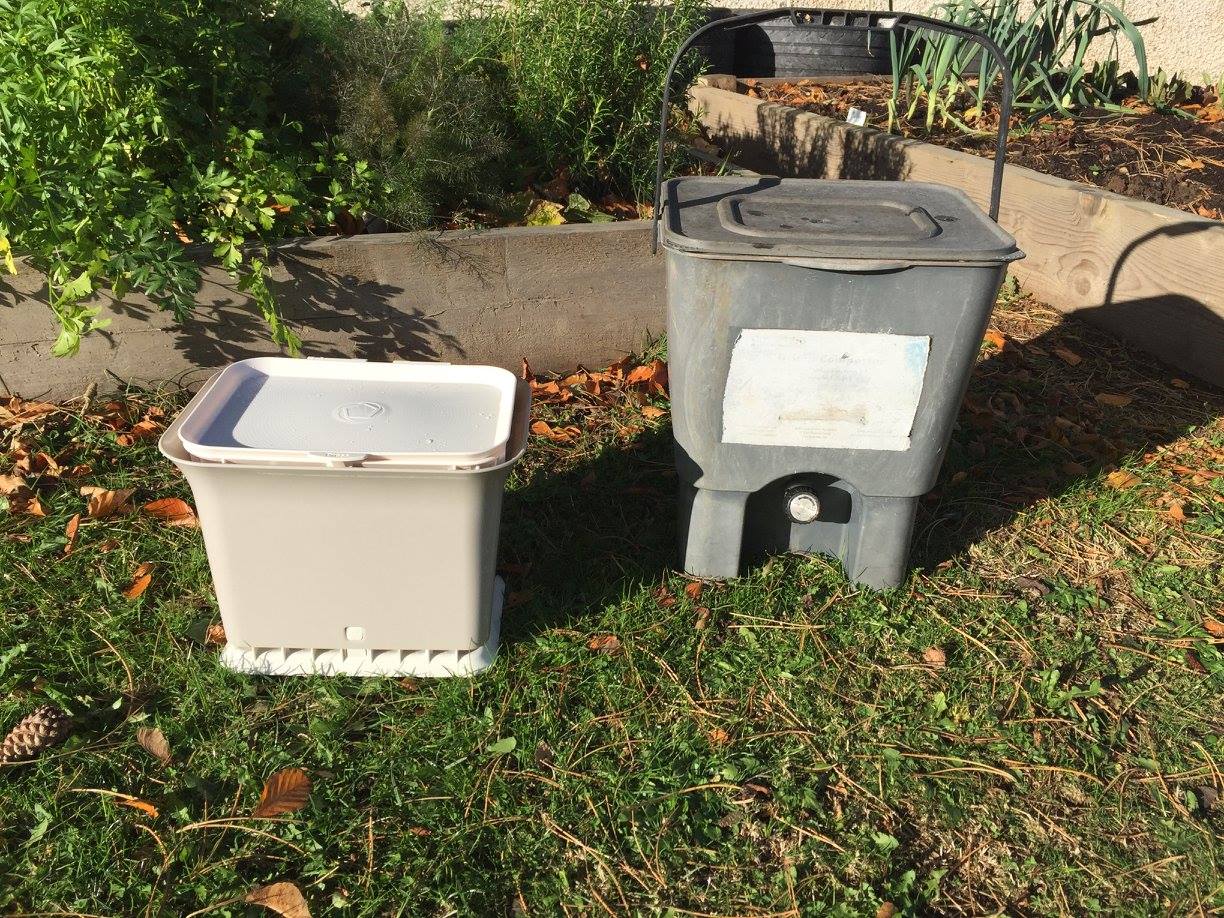
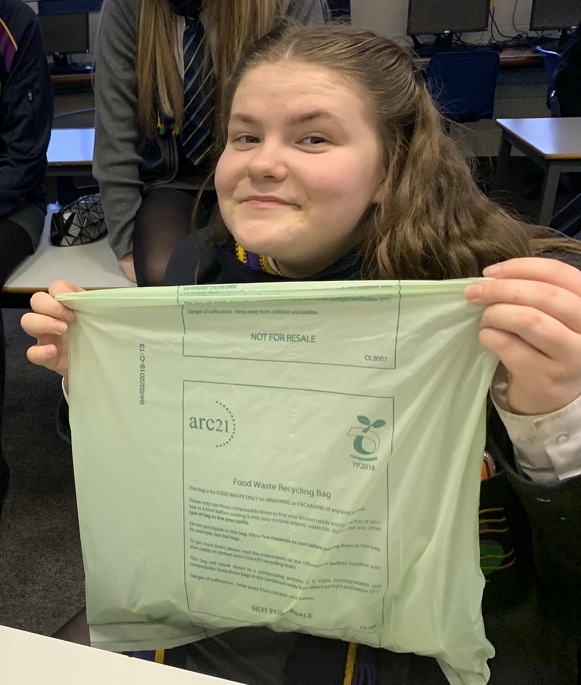
The horticulture class also tackled food waste by processing staffroom food waste in bokaski bins to provide plant food and compost for the school garden. The class build a wormery, with worms fed with waste from the canteen, though Anne Carlin was exasperated by the pickiness of worms who don’t eat onions!
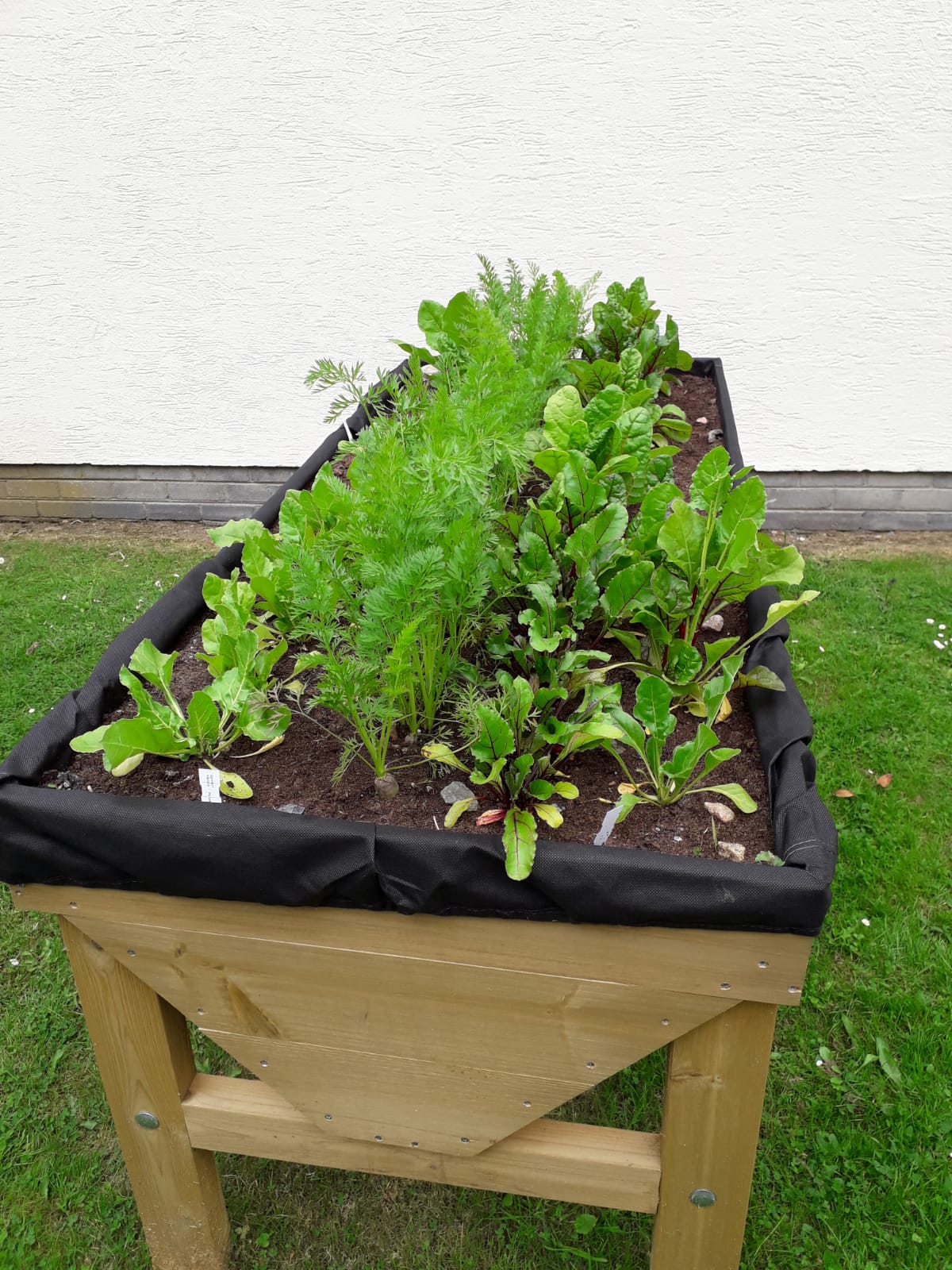
Our environmental efforts included energy saving, veg growing, tree planting, litter picking, awareness raising and above all plenty of time spend outdoors on the beach and in the forest just appreciating our beautiful setting and why our environment matters.
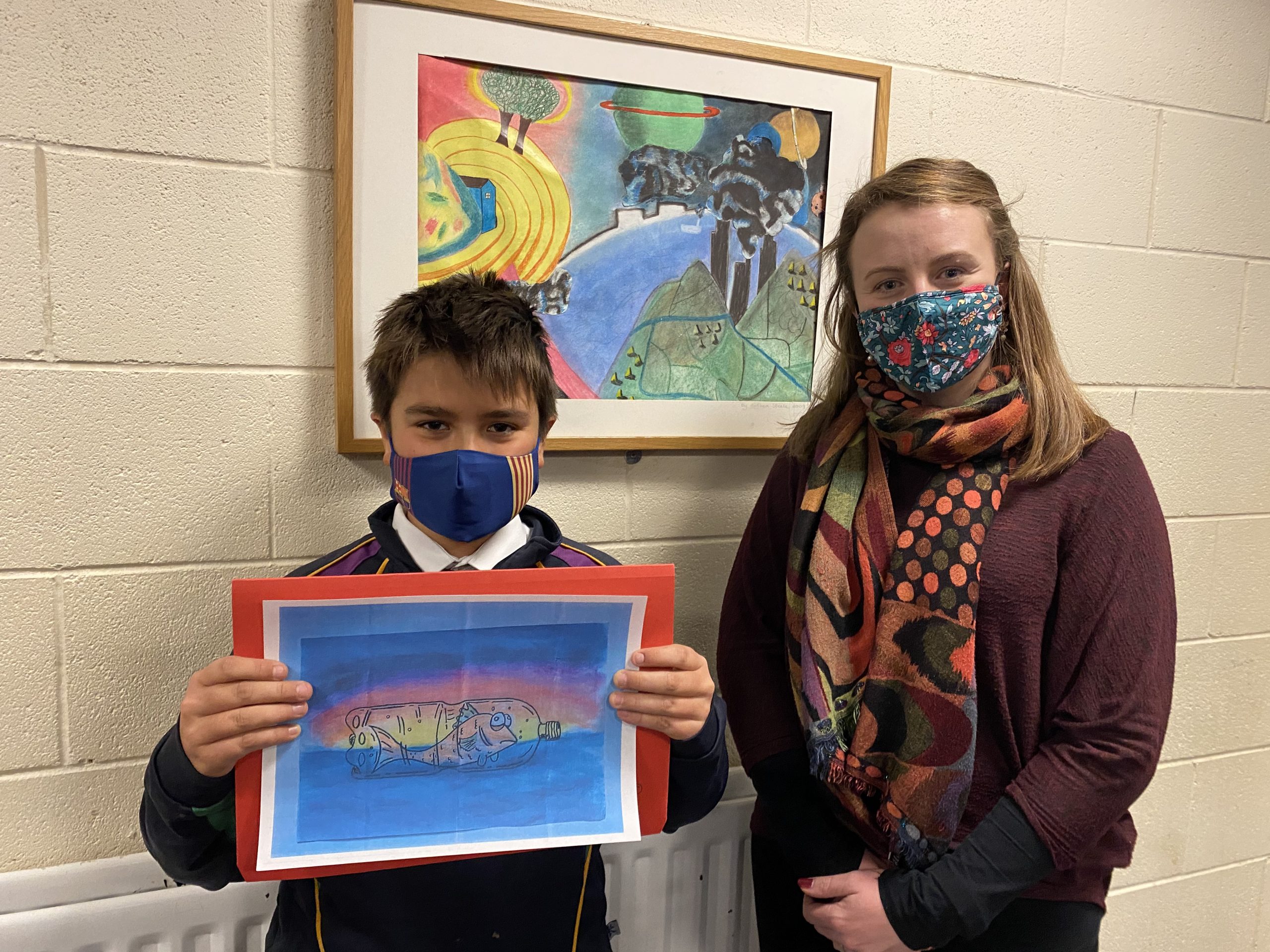
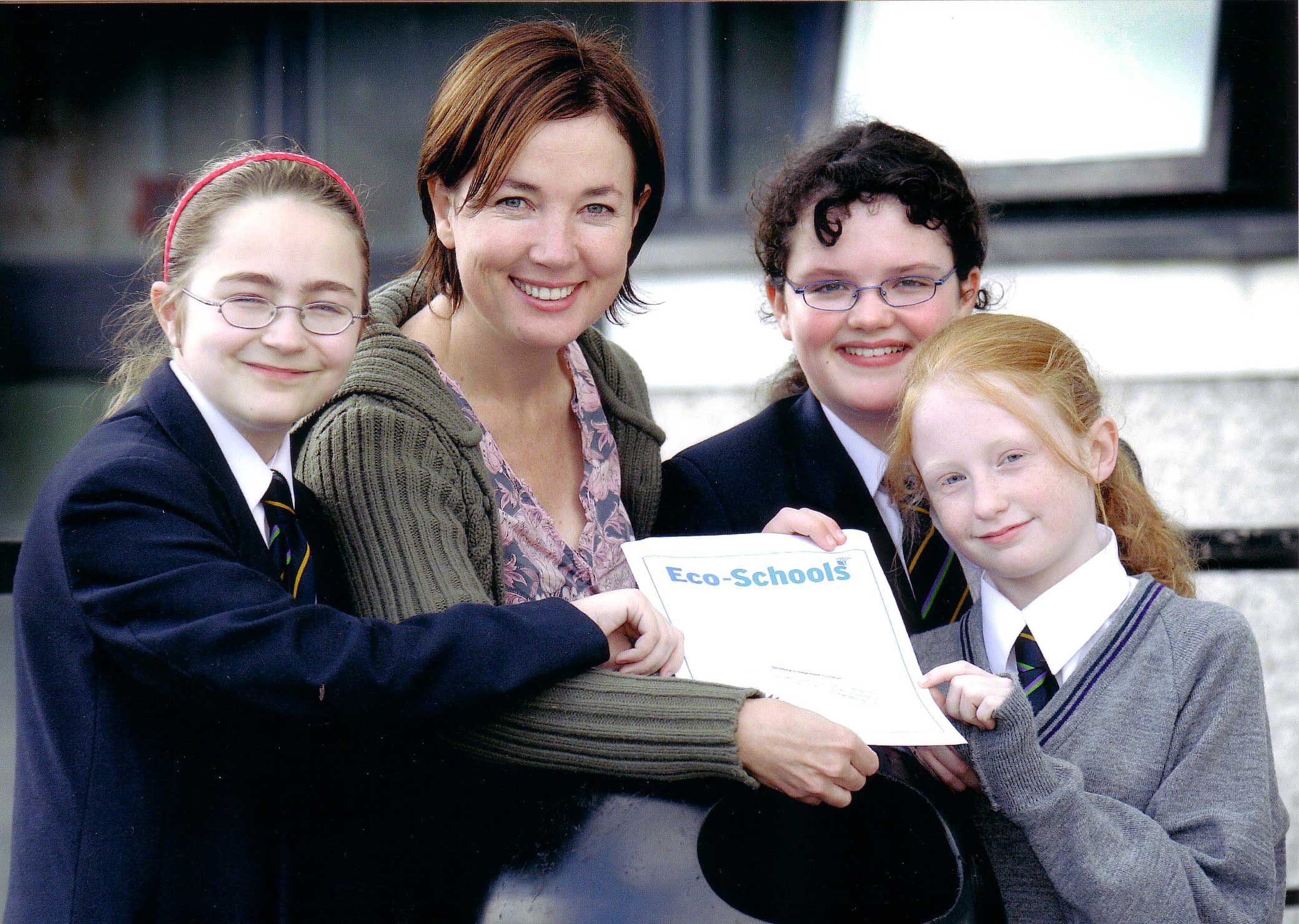
Environmental awards spurred us on of course and over the years we won: EcoSchool Bronze and Silver Awards, Adopt a Spot Award, Woodland Trust Green School Gold Award, Royal Horticultural Society One, Two, Three, Four and Five Awards. Over the years, our students’ artwork was regularly featured in the Council Environmental calendar and poster competitions. A record to be proud of.