Knitting our own school!
‘Learning from Each Other’ – since 1994
Perhaps the most remarkable aspect of building Shimna was that principal Kevin Lambe, the board of governors, the parents, staff and students developed every aspect of the building while at the same time building Integration, investing in relationships, creating a curriculum, making a mark in the local community, building up sports teams, exploring the mountains and the coast, showing unconditional positive regard and generating high expectations for all.
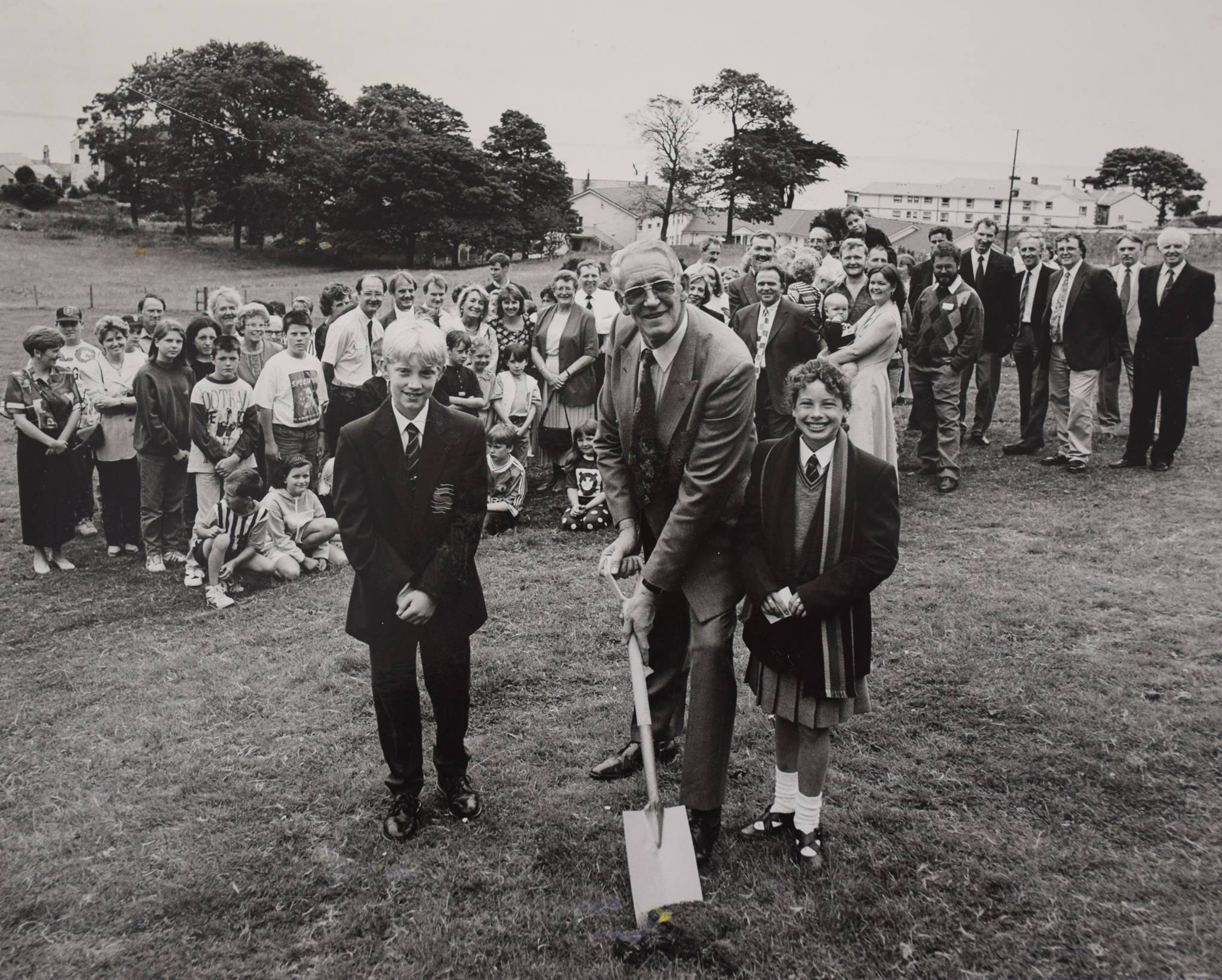
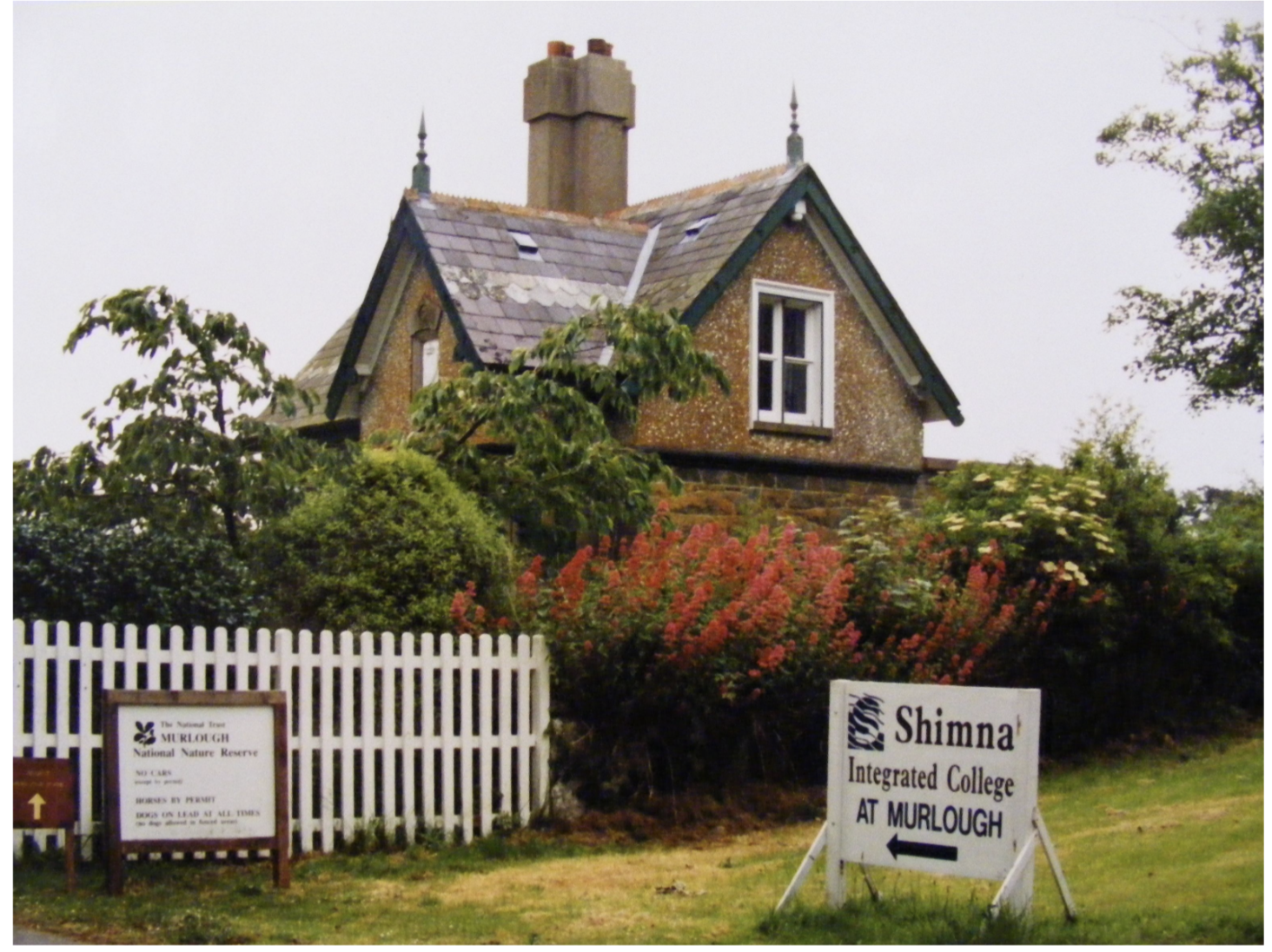
Senator Gordon Wilson cut the first sod for Shimna Integrated College at the Lawnfield in the summer of 1994. While our new building went up, Shimna was housed at Murlough House. Finally, Arthur’s Mourne cottage design was complete, and we moved in June 1995.
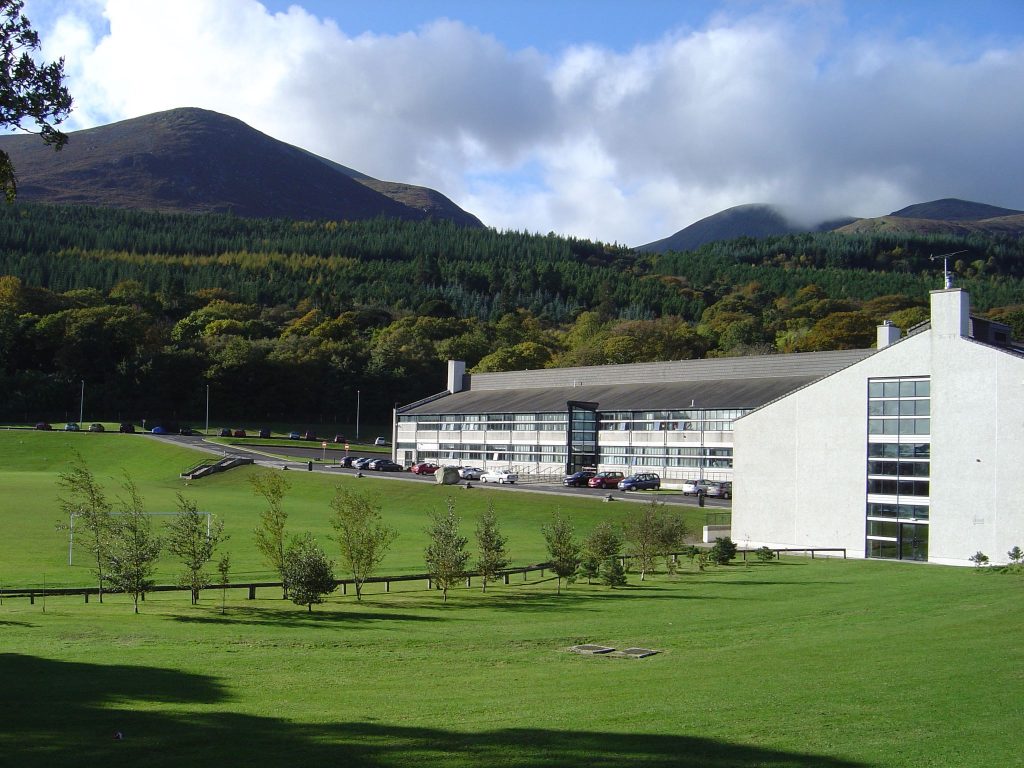
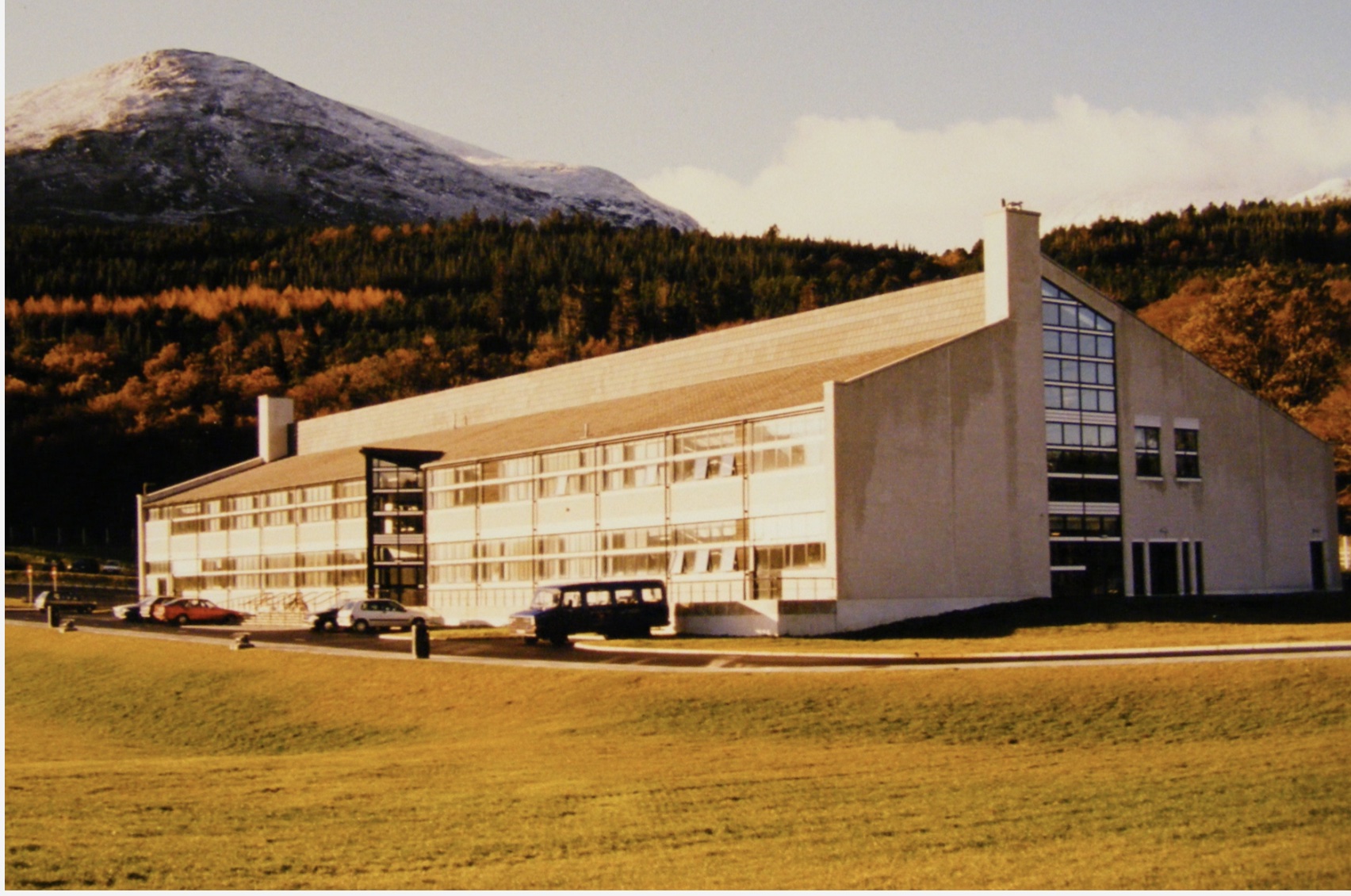
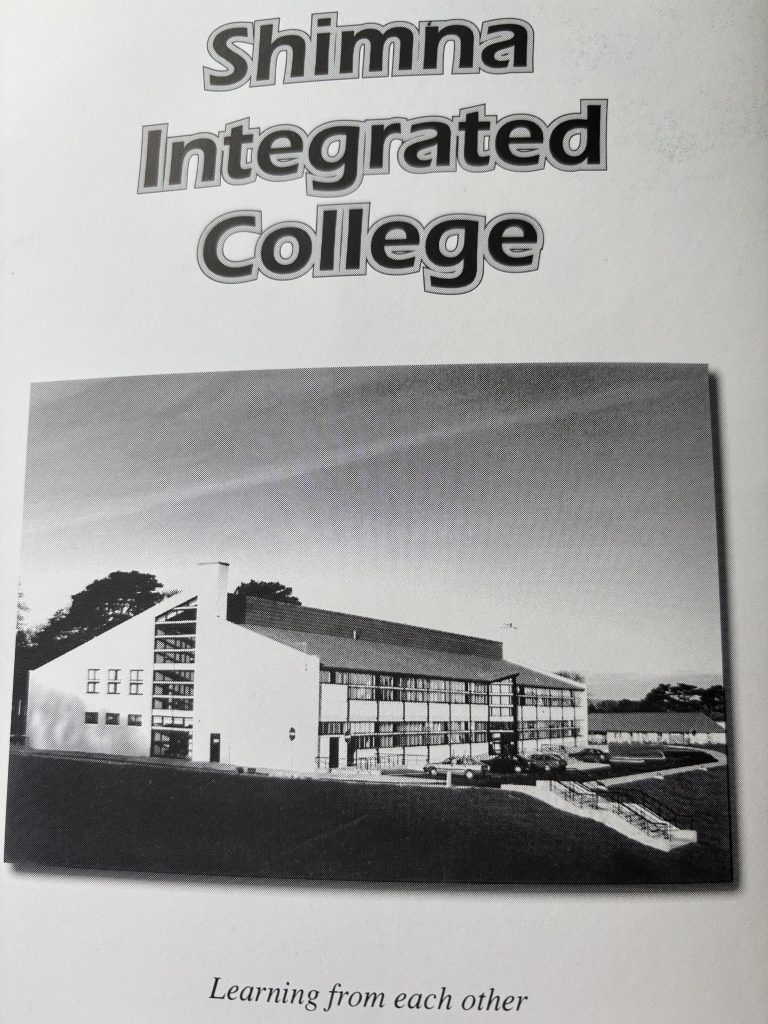
Shimna’s founding students and staff finally arrived in the permanent Lawnfield site in June 1995 to huge excitement. The design of phase one of the school, by architect Arthur Anderson, was a Mourne cottage, with a chimney at each end, but the building held the key to growth, secret attic spaces! We moved in with plenty of room for the founding students, and plans in place to grow the building every year. By June 1995, student numbers had grown to 65, and at least 60 more students were due to join each September. In June 1995, we had the ground floor, and the rooms on the floor above on the sea side only. That first summer, the three classrooms which would form our languages department took shape. The following summer, three more, forming the maths department and a second science lab, which would eventually transform into the business studies department. The second extension also included a staffroom at last, and a tiny staff kitchen.
The third summer presented a huge challenge, in that our students needed fully equipped classrooms for the full range of GCSE subjects they would choose: we already had specialist rooms for technology, ICT, drama, some science and general classrooms for English, maths, history and languages. We needed: art, music, geography, more science labs, and always more general classrooms.
By the third year, Shimna had proved its worth, and our building and grounds were vested in the Board of Governors. This meant that we were eligible for funding for additional facilities for our ever growing student numbers. The Department of Education planned to provide us with a million pounds worth of mobile classrooms, sited on our wonderful Prunty pitch! Kevin was not going to let that happen. In collaboration with local building firm, Glasgiven and our ever resourceful architect, Arthur, a plan was hatched to build phase two. In that first year, phase two would have no ceilings, no paint on the walls and no classrooms in the top corridor, but our founding students began their GCSE studies in specialist rooms for all their subjects and ate their break and lunch in a canteen, cooked in our own school kitchen.
The job was never done, and successful efforts continued year on year to paint the walls, build ceilings, provide the lift to all floors, making phase two fully accessible, etc.
Students kept growing and succeeding and soon were choosing A levels which would require even more accommodation. The founding parents had promised that Shimna would have a fully equipped 6th form in place by the time those first students passed their GCSEs, but the Department of Education wasn’t convinced. Kevin had to get back into fundraising mode, and the top corridor was created with a grant from the International Fund for Ireland, through the support, yet again of the Integrated Education Fund. We even kitted out the strange L shaped space surrounding the water tank to form the very first 6th form study room – tell tale hand prints of the founding students told the tale, long after 6th form study had decamped to the library, leaving the L shaped room to the English department.

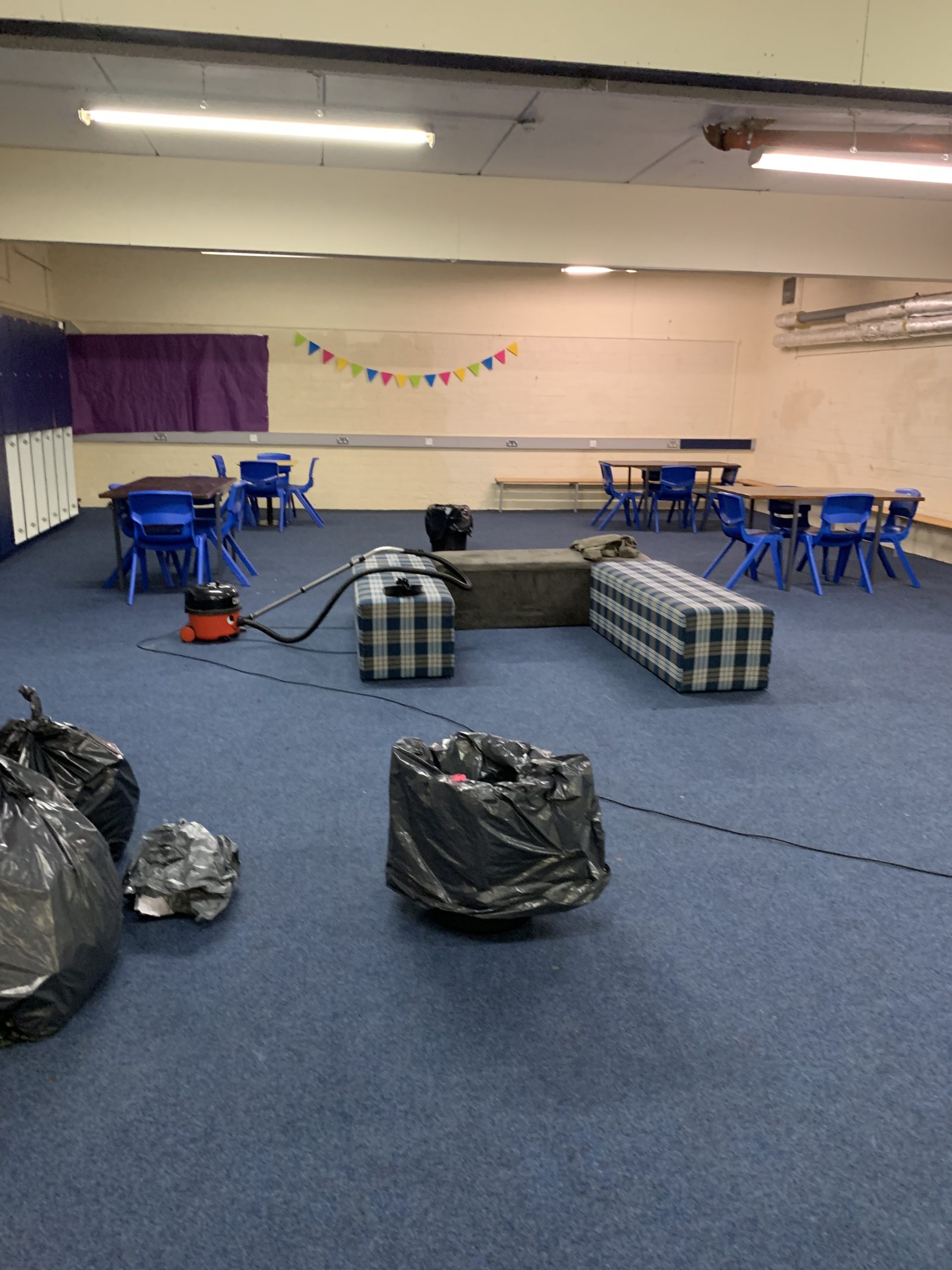
An additional treasure was unearthed by Kevin and William of Glasgiven one day as they walked through the Phase 2 ground floor. Kevin asked what lay beyond the wall at the end, and when William knocked it through, they discovered a space big enough for the founding students to invade and create their common room. This was a real wholeschool effort, with the students painting the walls, the Parent Council providing the screed and the carpet, and staff member Alicia Rooney sourcing locally made lockers. The space is dark, airless, reliant on ventilation and nobody would have planned it that way, but with the pool table and vending machines installed, the students loved it dearly. They had created it. Fit out for the common room was achieved through repurposing redundant changing room benches, doors and wooden panels fixed on metal frames for tables, pink chairs so staff couldn’t steal them and eventually cushioned benches source by Sinéad Rooney. Cleaning most famously by Andrew Taylor!
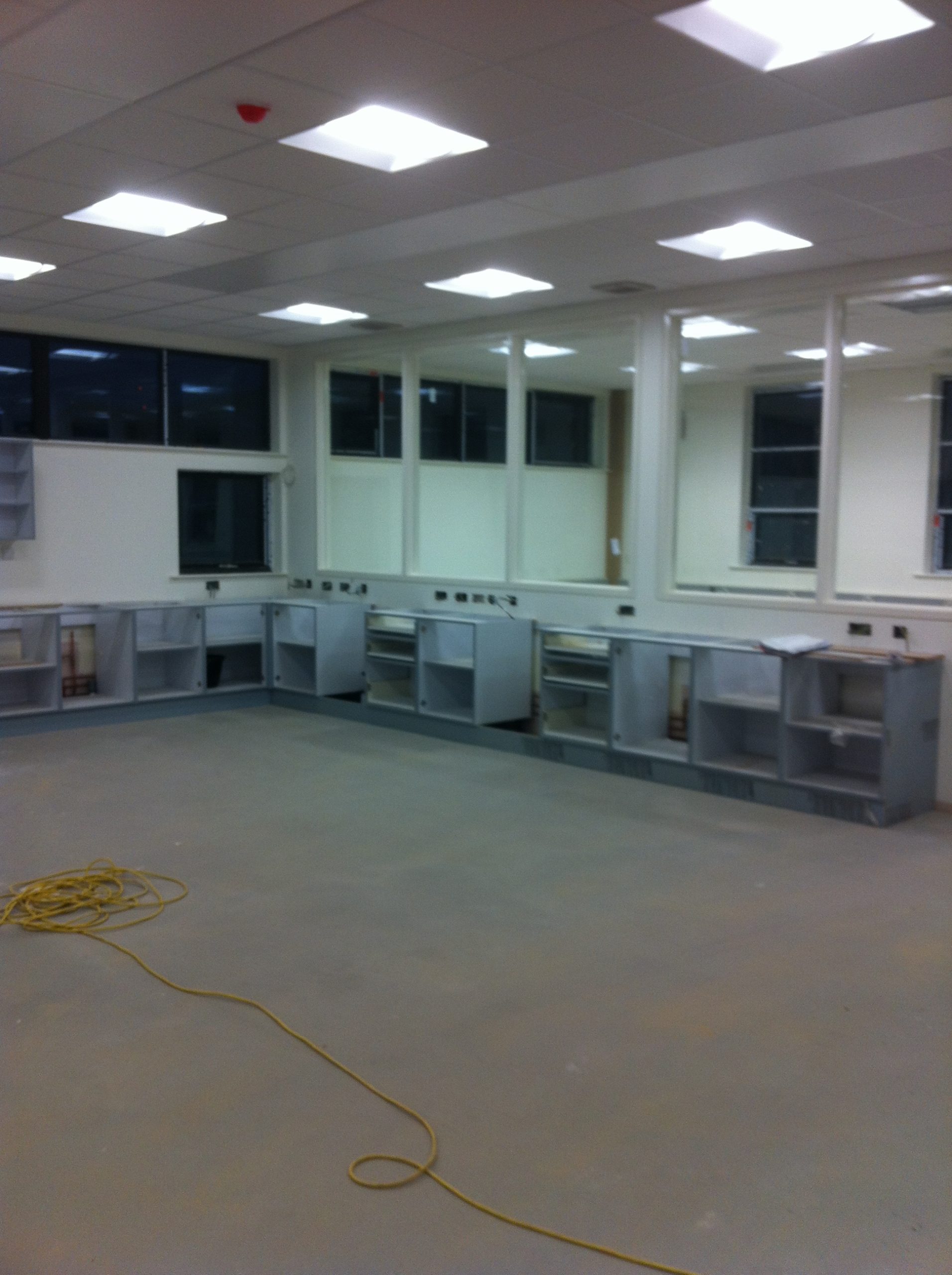
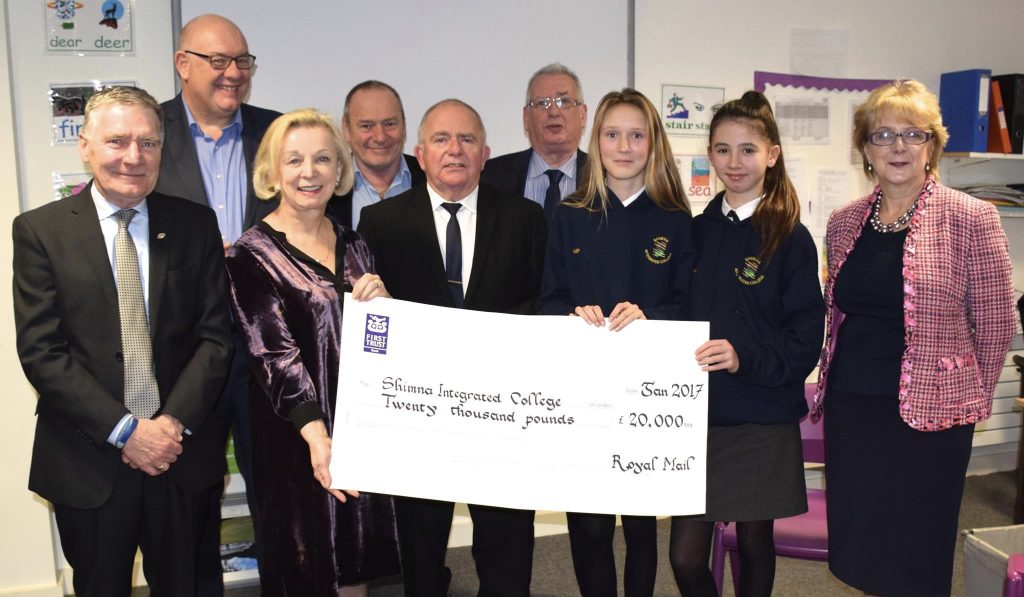
That left one last frustrating space. It was potentially a great big room, but with no potential for window walls, it was hard to envisage good use. Then came our successful bid to become one of NI’s first twelve Specialist Schools. We had to raise £25,000 ourselves, but were then rewarded with £100,000 capital funding, just enough to transform the space, create windows into the corridor and rooflights, and a wonderful airy, spacious classroom was created, initially for Spanish, then, when we raised the funds for computers, a wonderful additional ICT suite. Curricular demands were always at the heart of planning our building, and when Software Systems Development was created as an A level, we needed to shift things around to provide dedicated access to specialist computers. The Communication Workers Union had been a constant support to Shimna, providing us with our first minibus, and, with Royal Mail, instituting the Frank Kerr collection of books on the Troubles and the Peace Process. The tragic death of John Baldwin, much respected senior officer in the CWU, was marked with a donation to Shimna which kitted out a former geography room for Software Systems Development. We were very grateful for the Union’s decision to cement the relationship with Shimna in John’s memory.
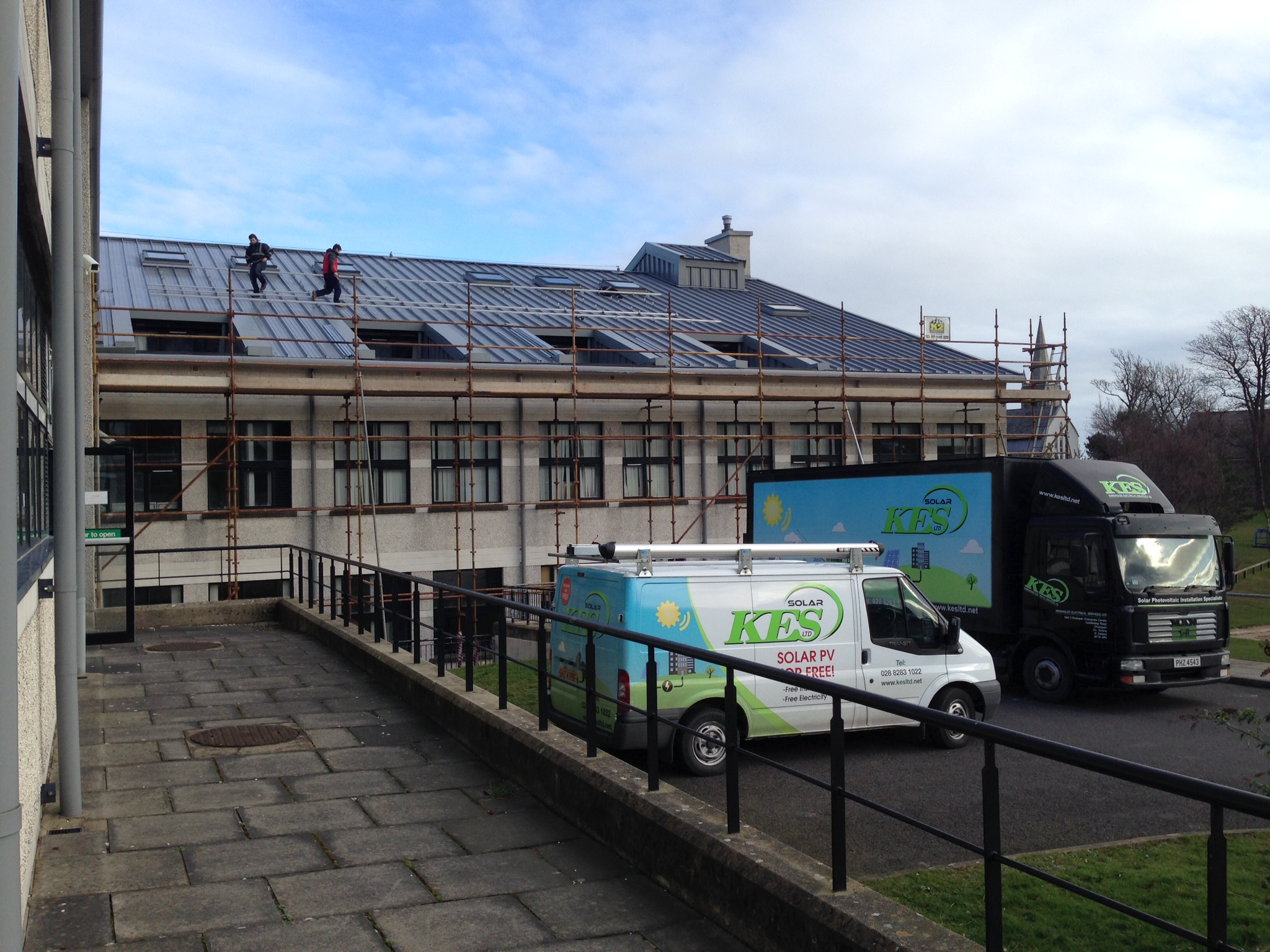
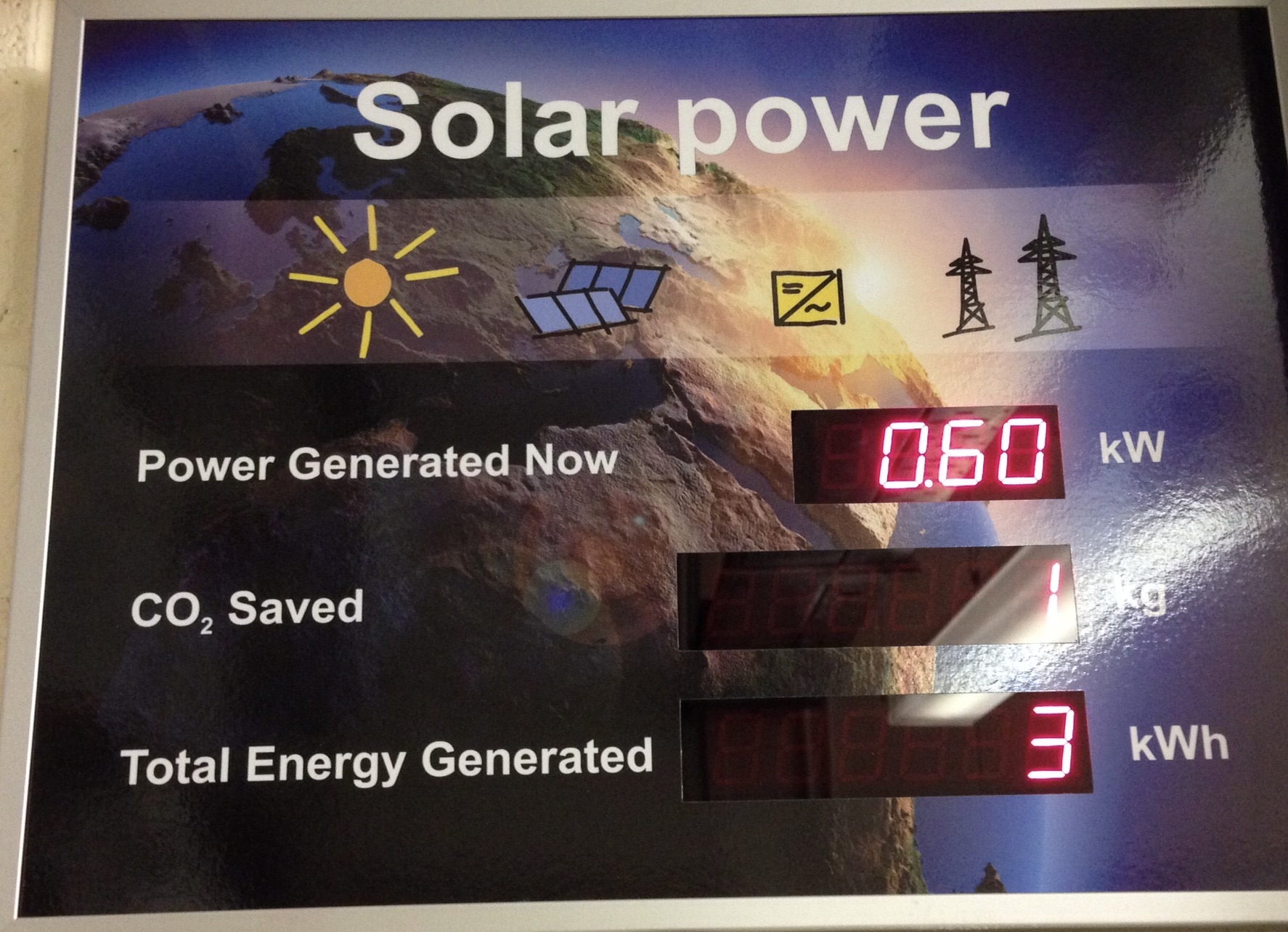
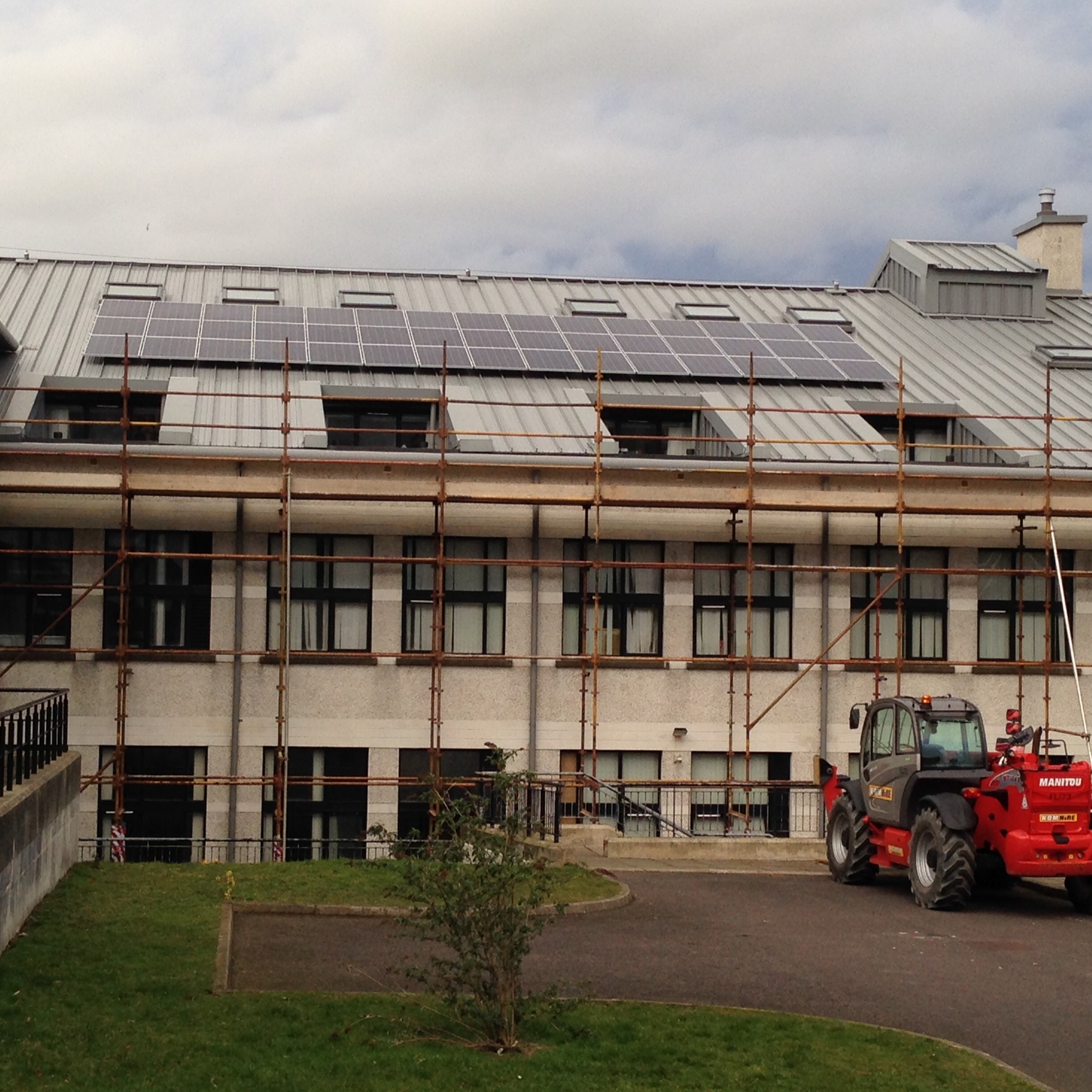
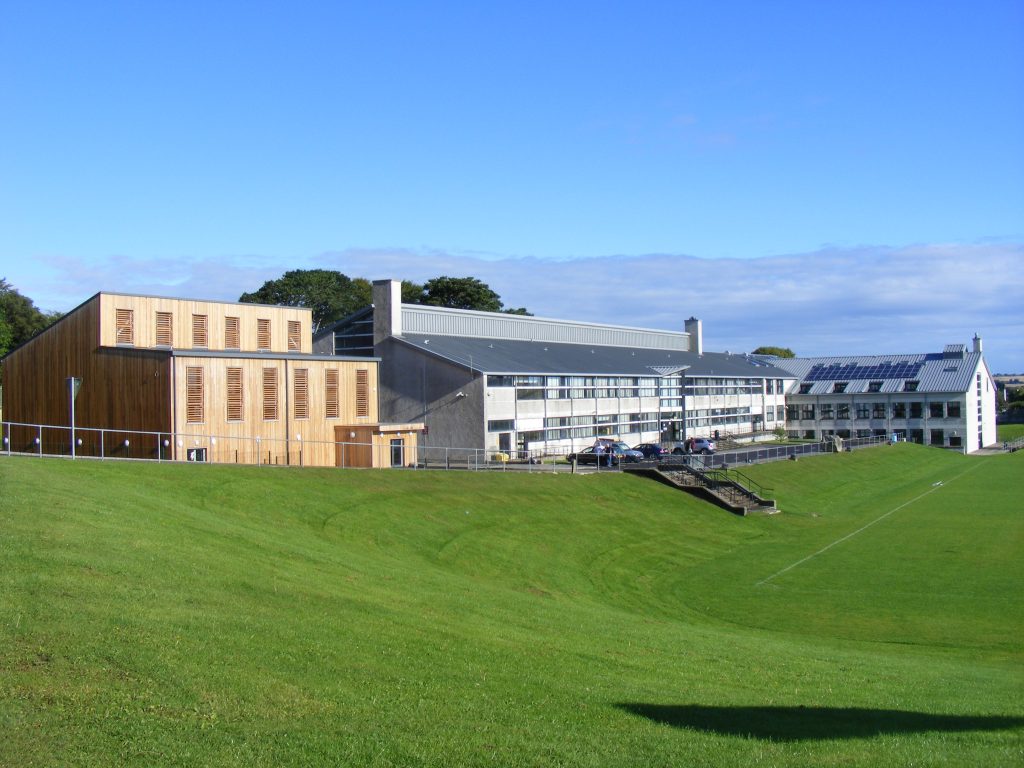
Our Lawnfield building was always ‘semi-permanent’, but work never ended in making improvements. Some came about by design, such as our grant to install solar panels on the south facing roof. Some came about by necessity, for example the replacement of the roof. Who that was present in study will ever forget the rainy day when the builders peeled off the roof without any measures in place to shield those of us working below! Our wonderful students jumped to it and rescued the books in study, and rolled out the polythene sheeting. The wooden framework supporting our balconies and windows into the gym eventually fell below building standards, and the sturdy replacements were a work of art.
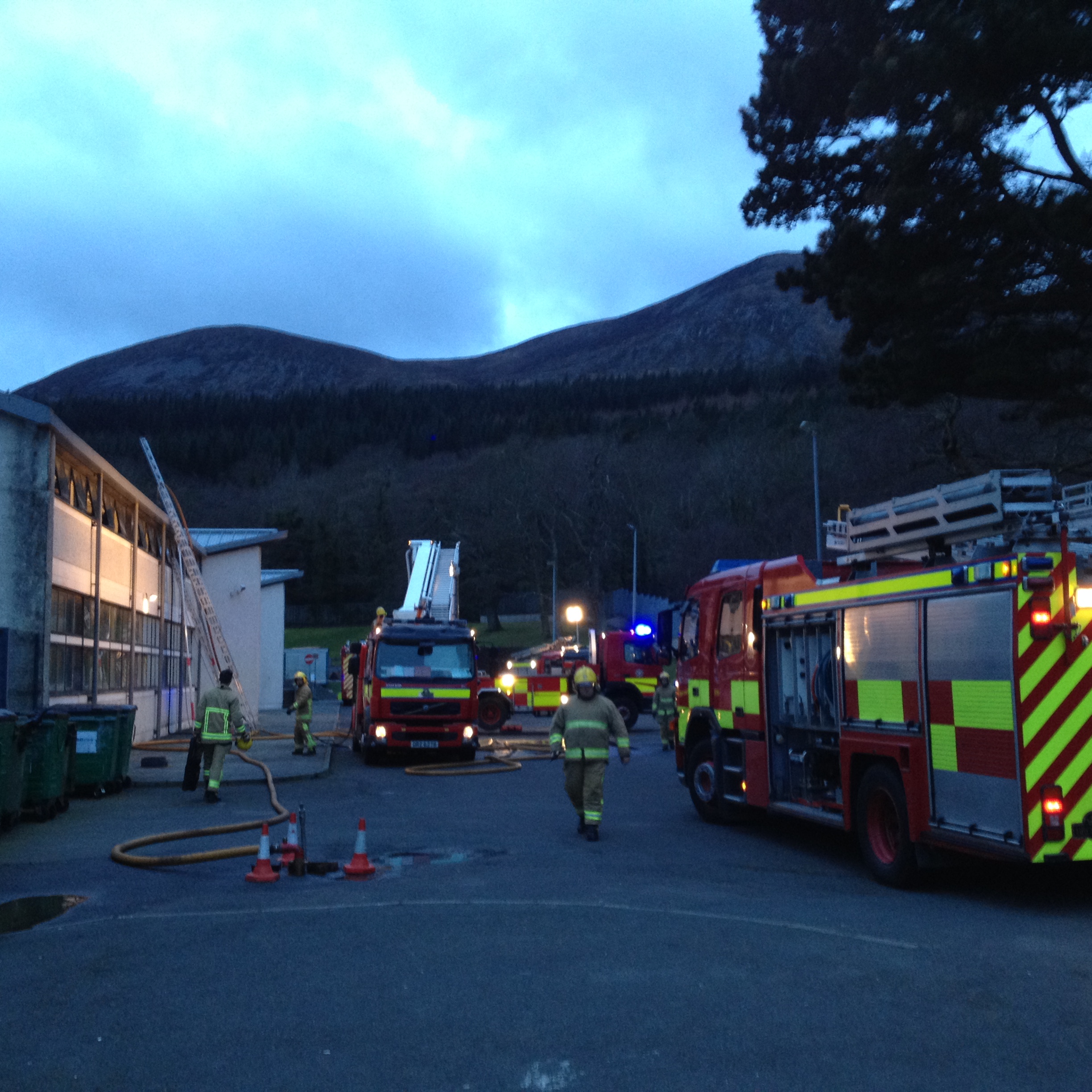
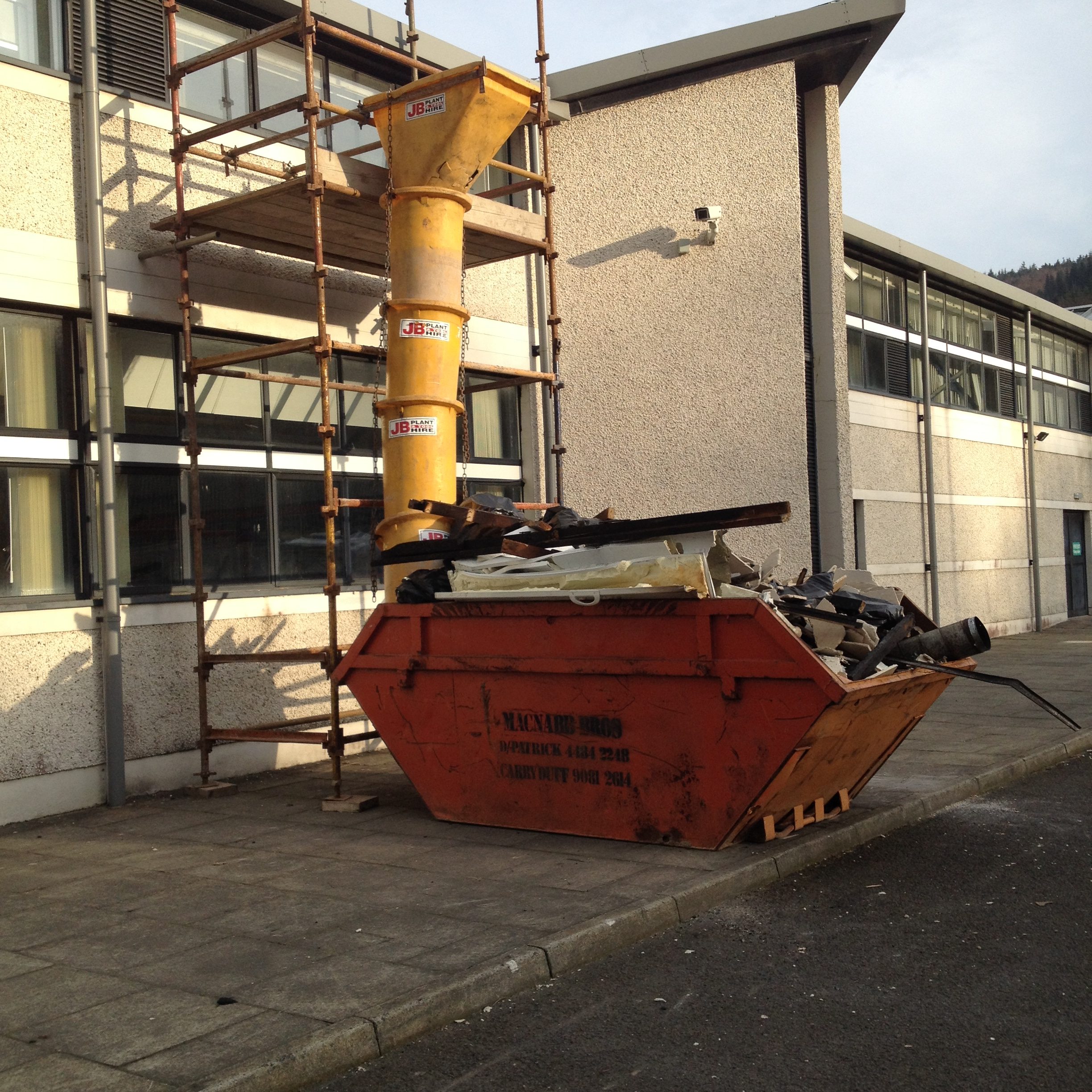
One session of refurbishment came about after a 4.00am fire in our tiny staff kitchen. Fortunately our fire protection measures worked to save the rest of the building, but the staffroom and adjoining classroom suffered smoke damage. The damaged material was posted out the chute, and our insurance company funded the clean up or replacement of everything that had come to harm. The Mourne Observer featured firefighter Old Scholar Peter Annett who had ridden to the rescue on one of the four fire trucks which had put out the fire.
We always thought we’d fitted out the last space, and then we found another one. The DE Building Handbook included a dark room, but by the time our students were choosing photography, digital cameras had taken over. That left a small but central space for fitting out which for a number of years housed Moving Image Arts, with its set of AppleMacs.

A very welcome outdoor addition to our facilities came about as a result of disaster. It poured with rain, the Glen River was in spate and an errant traffic cone diverted the flow right into our science labs, the common room and classrooms – right up to our knees. The Department of Education installed much needed flood protection works. The best thing was that, while they were at it, they installed our outdoor basketball and tennis courts. We had finally pressed every possible space into action throughout our original building. But more would always be needed……