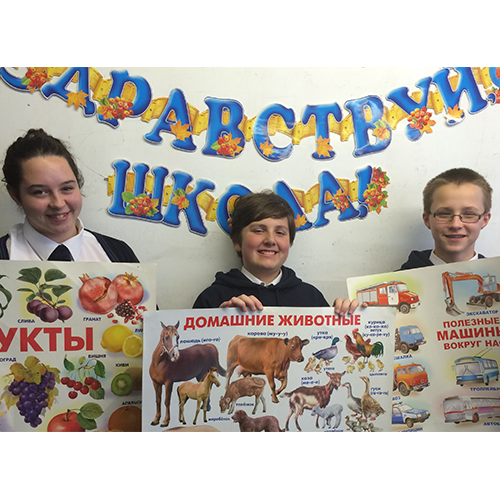
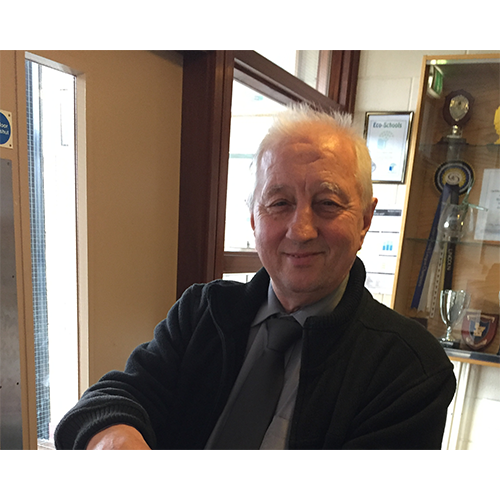
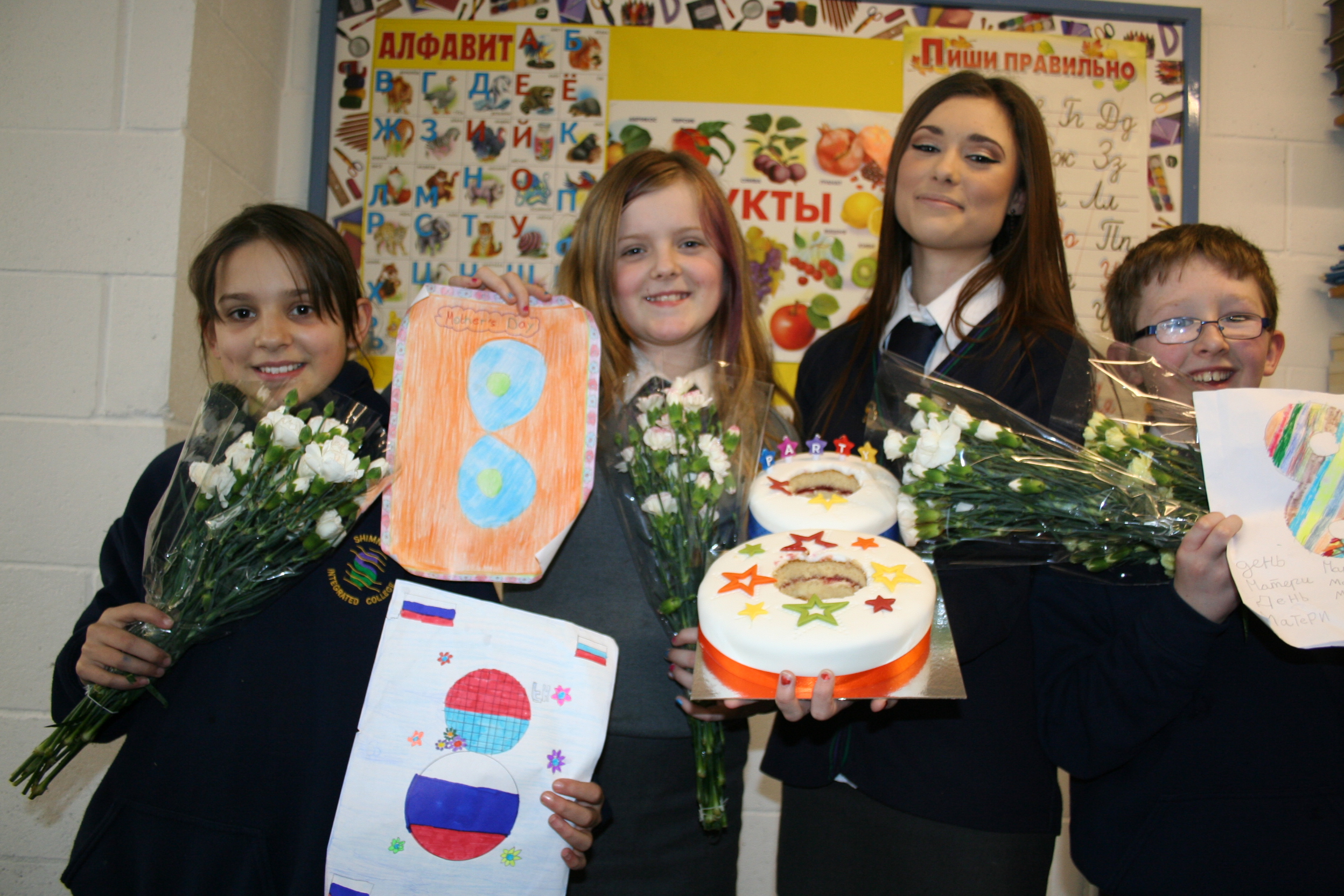
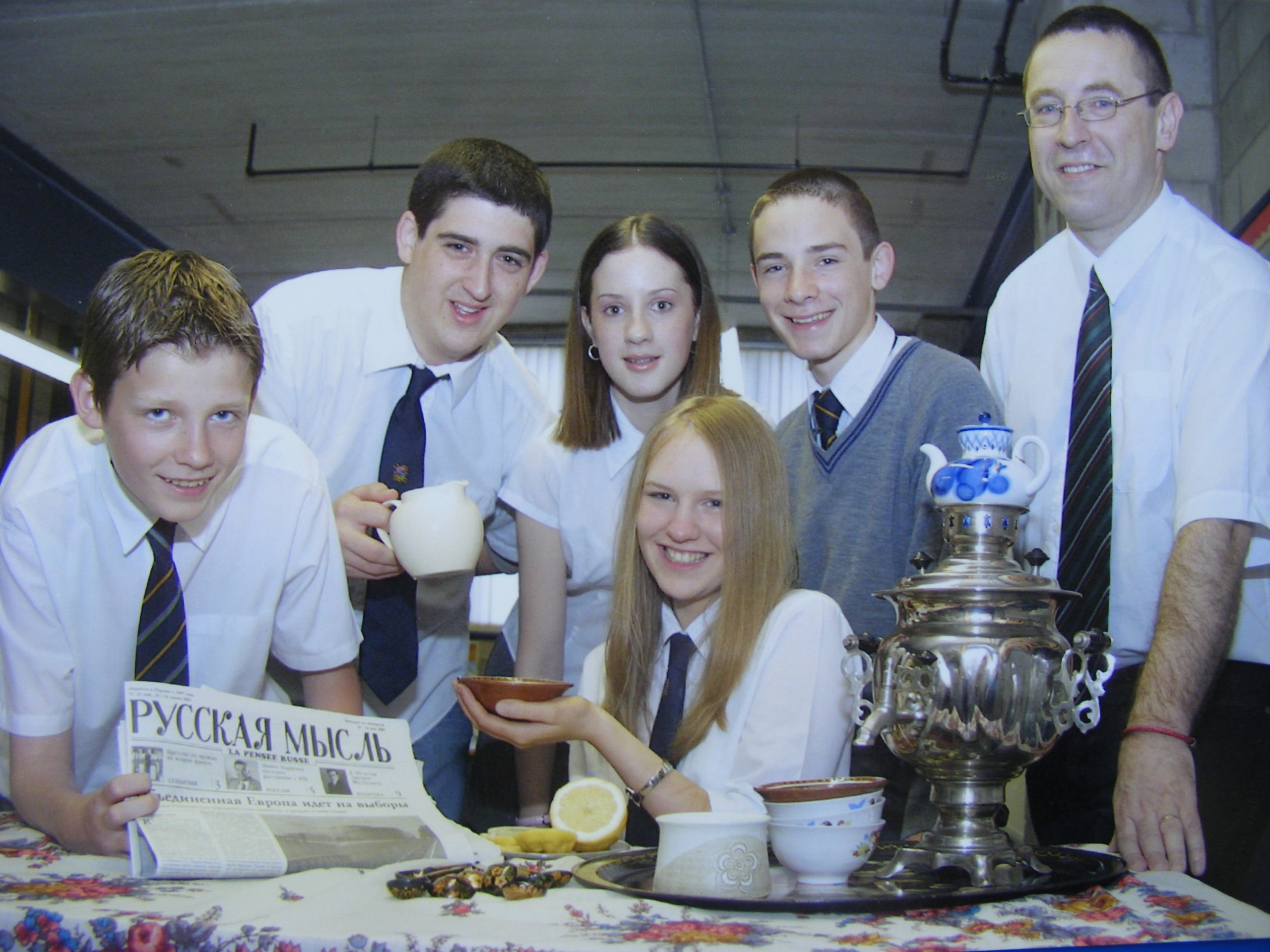
Head of Integrated and Religious Studies, Chris Skillen had studied for his Masters in Women in Islam at Moscow University and could add Russian to our offer. An enthusiastic Russian club met regularly to explore the language, take Russian tea and establish a link with a partner school in Moscow.
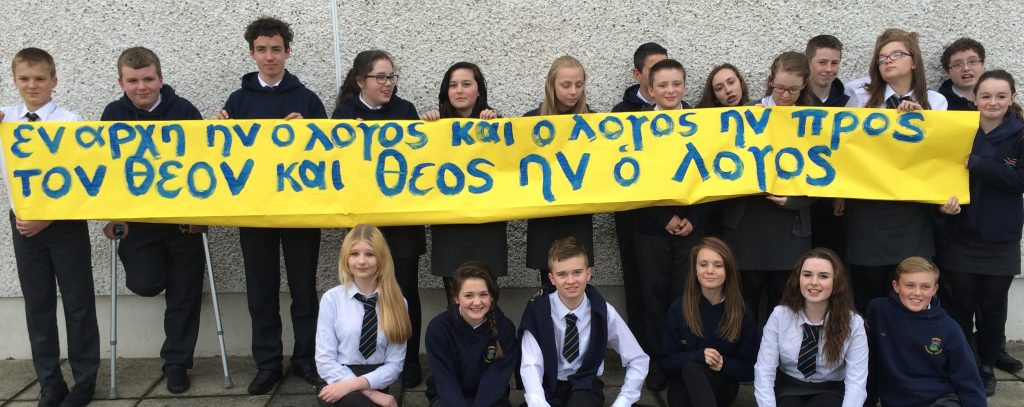
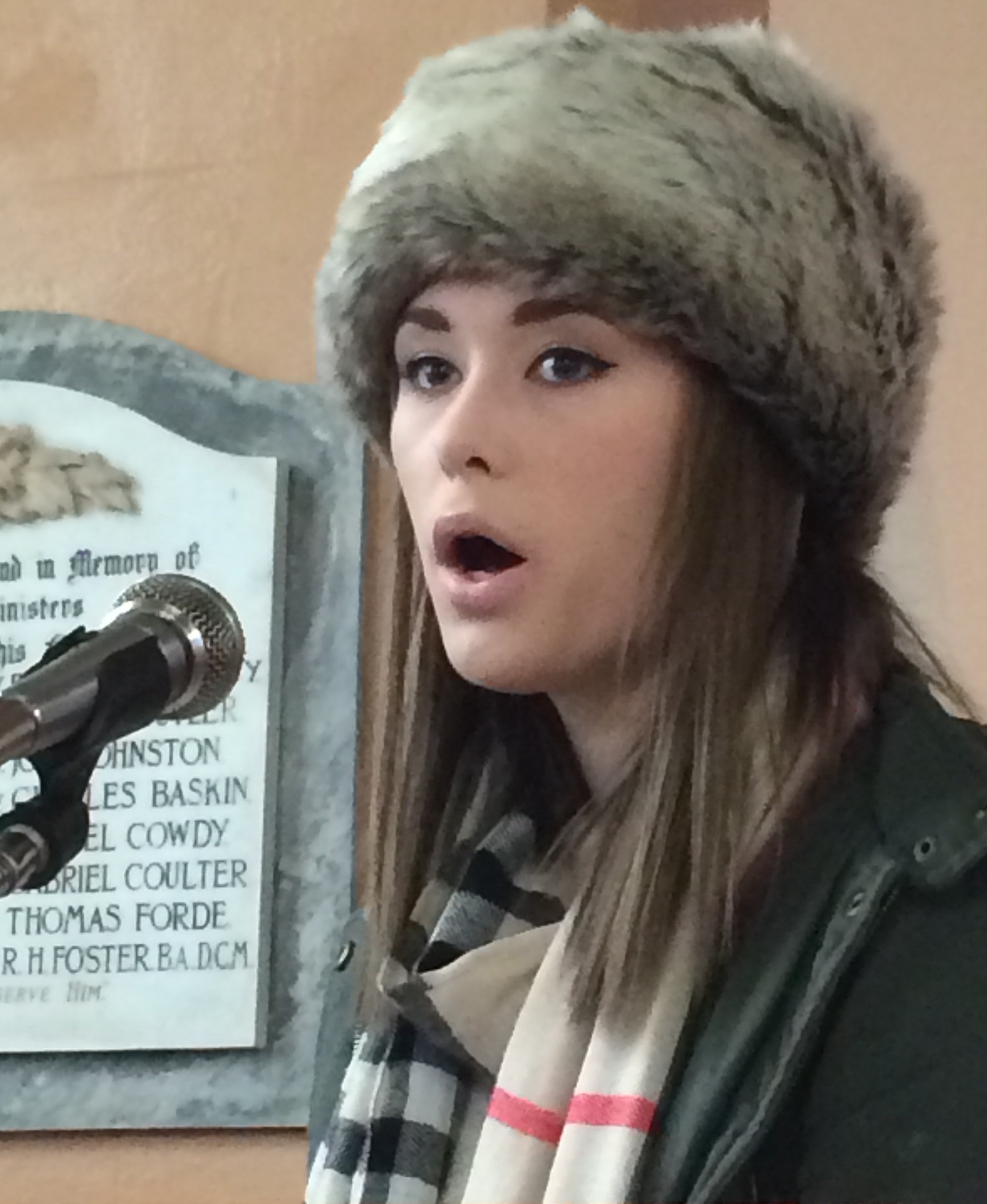
The link with the I&RS department resulted in a trip to the Russian Orthodox church in Dublin, and Gemma was able to contribute to the Women’s World Day of Prayer by singing in Russian. The I&RS department always took a language based approach, introducing a bit of Biblical Greek as well.
English teacher Jeanette had spent a year working in Italy, and was pleased to offer Italian GCSE. We had the great good luck that when the class reached year 12, our German assistant that year came from Sued Tyrol, and also spoke Italian.
Alicia Rooney was the classroom assistant to the group, and when she went on to complete her A level in English Literature, she was delighted to be able to translate the Italian in Peter Shaeffer for the rest of the evening class. Years later, V’Cenza and Piera Cirefice wanted to learn Italian to explore their Italian/Welsh/Irish heritage fully. Shimna was a partner school with the Open University and was able to offer the OU course in Italian which they successfully completed.
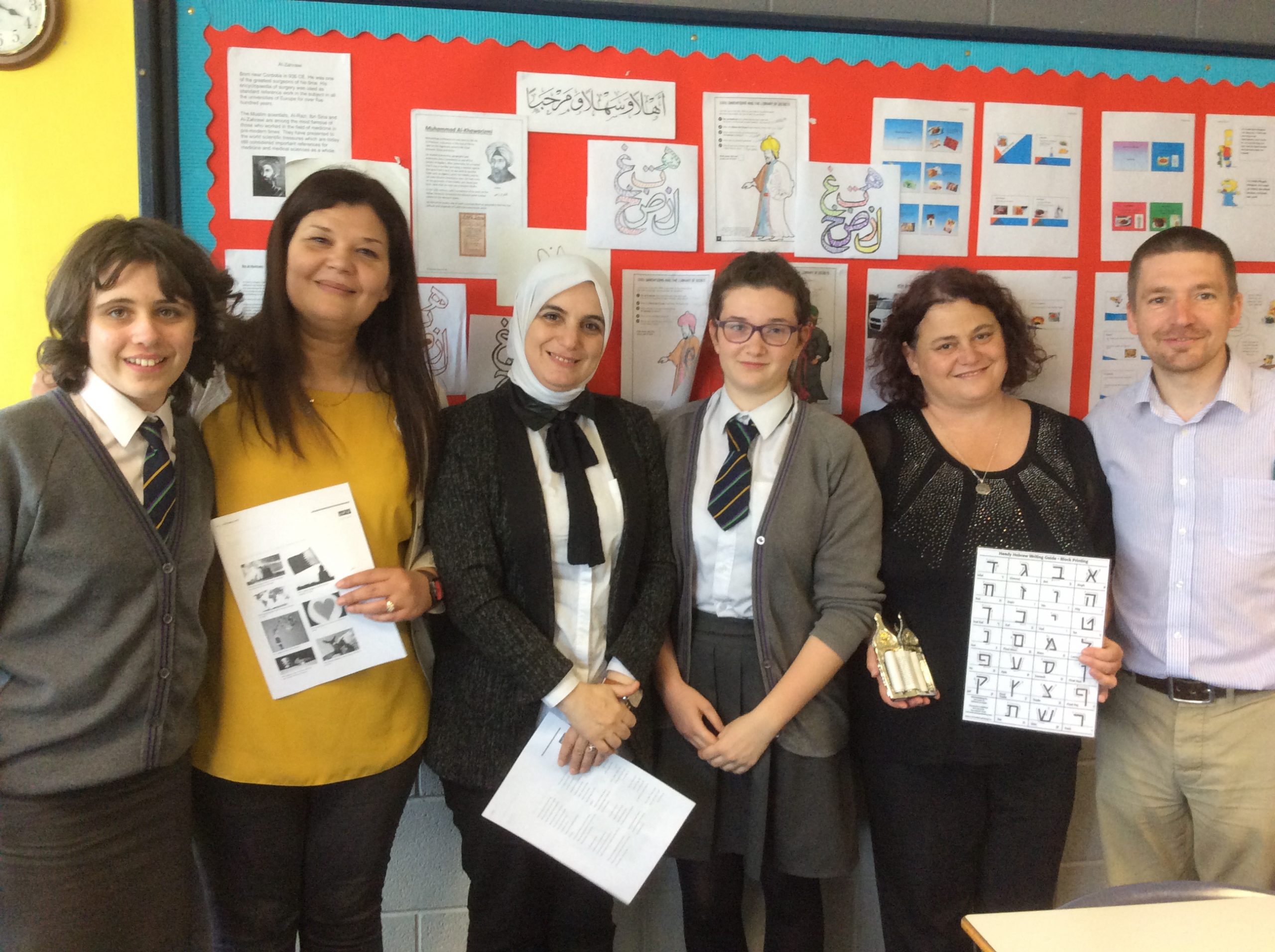
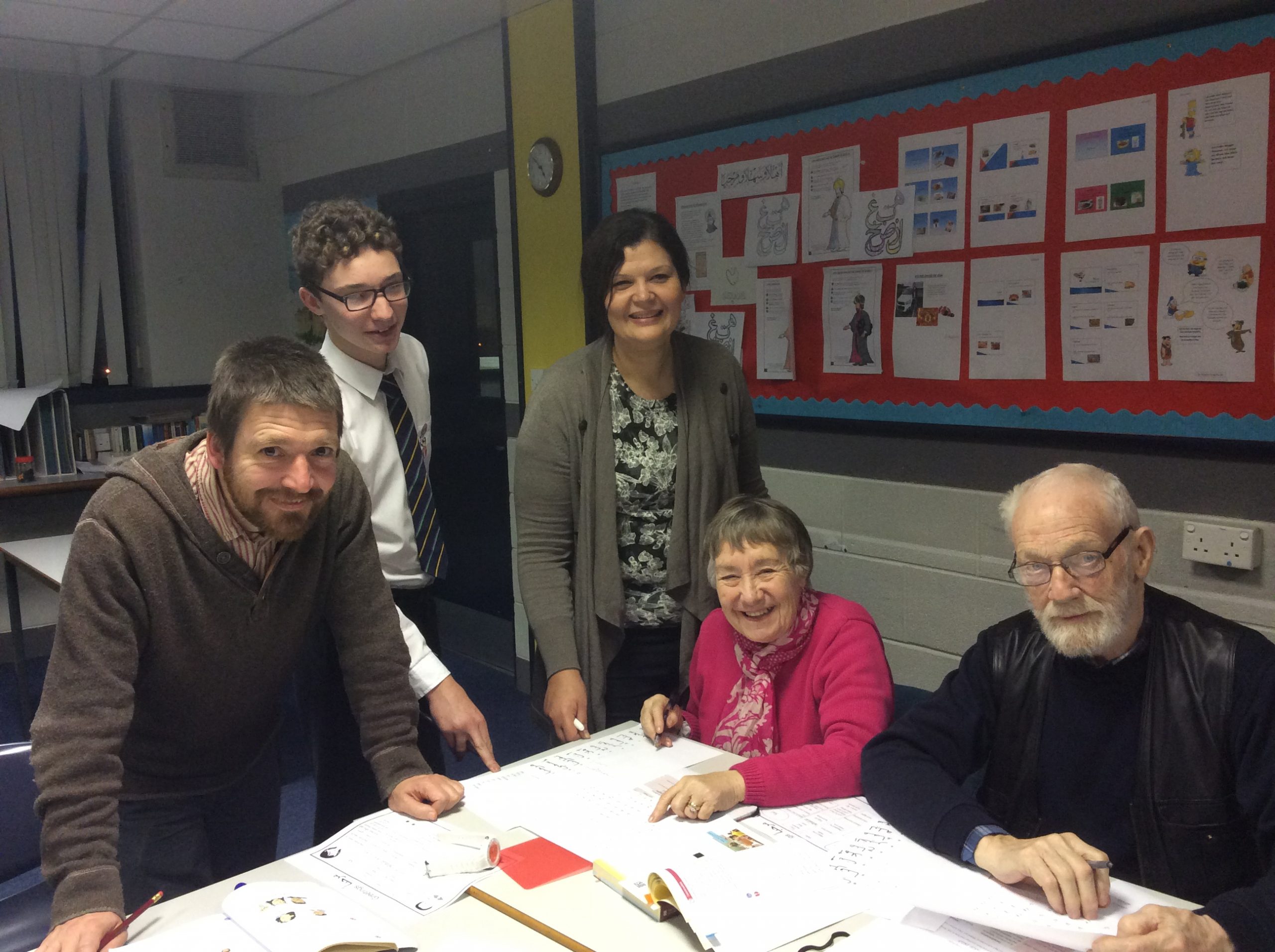
Ian McMillan was head of German, but he also taught Spanish and eventually Irish, and he just kept learning more languages. When he took to learning Arabic, he shared the experience with the rest of the school, and organised afterschool classes with Rym for students, parents and friends of the school. Access to Arabic proved to be even more important as the complexities of the Middle East became ever more complex and Islamophobia became a significant challenge.
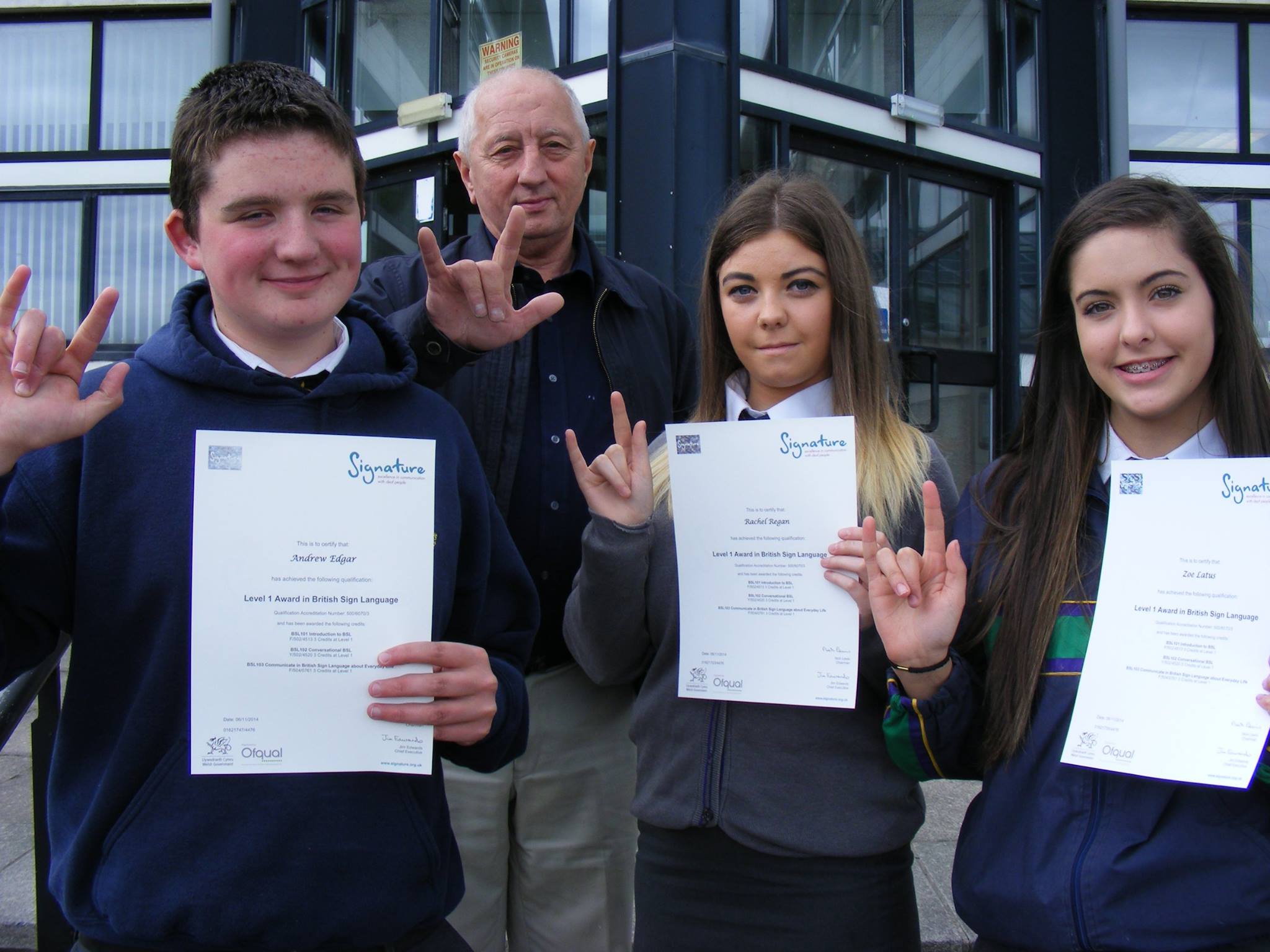
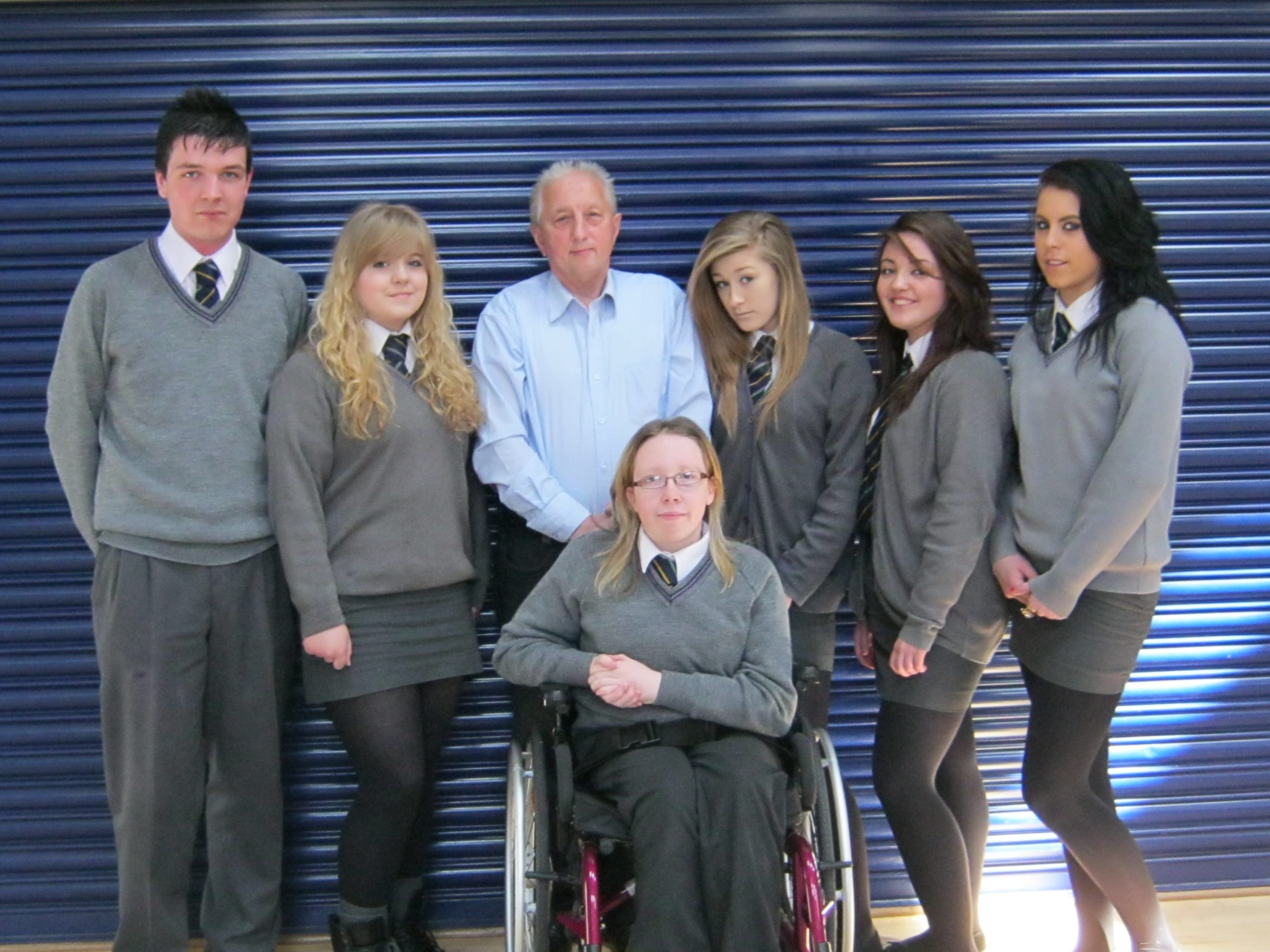
Sign Language is an indigenous language which is not given the status it needs as a school subject if it is to be more widely used within the community. As a GCSE in Sign Language didn’t yet exist, we found a way to offer SL as a GCSE alternative by offering both Signature Level 1 and Level 2 certificates. We had to make our case to the Department of Education to have the course recognised as a GCSE equivalent, and succeeded in having SL added to the list of approved courses. We were very lucky to be able to employ a famous face of Sign Language as our teacher, Raymond Abernethy, who read the SL news on BBC NI. It was a proud day when our first three students qualified, the first with SL GCSE (equivalent) in Northern Ireland.
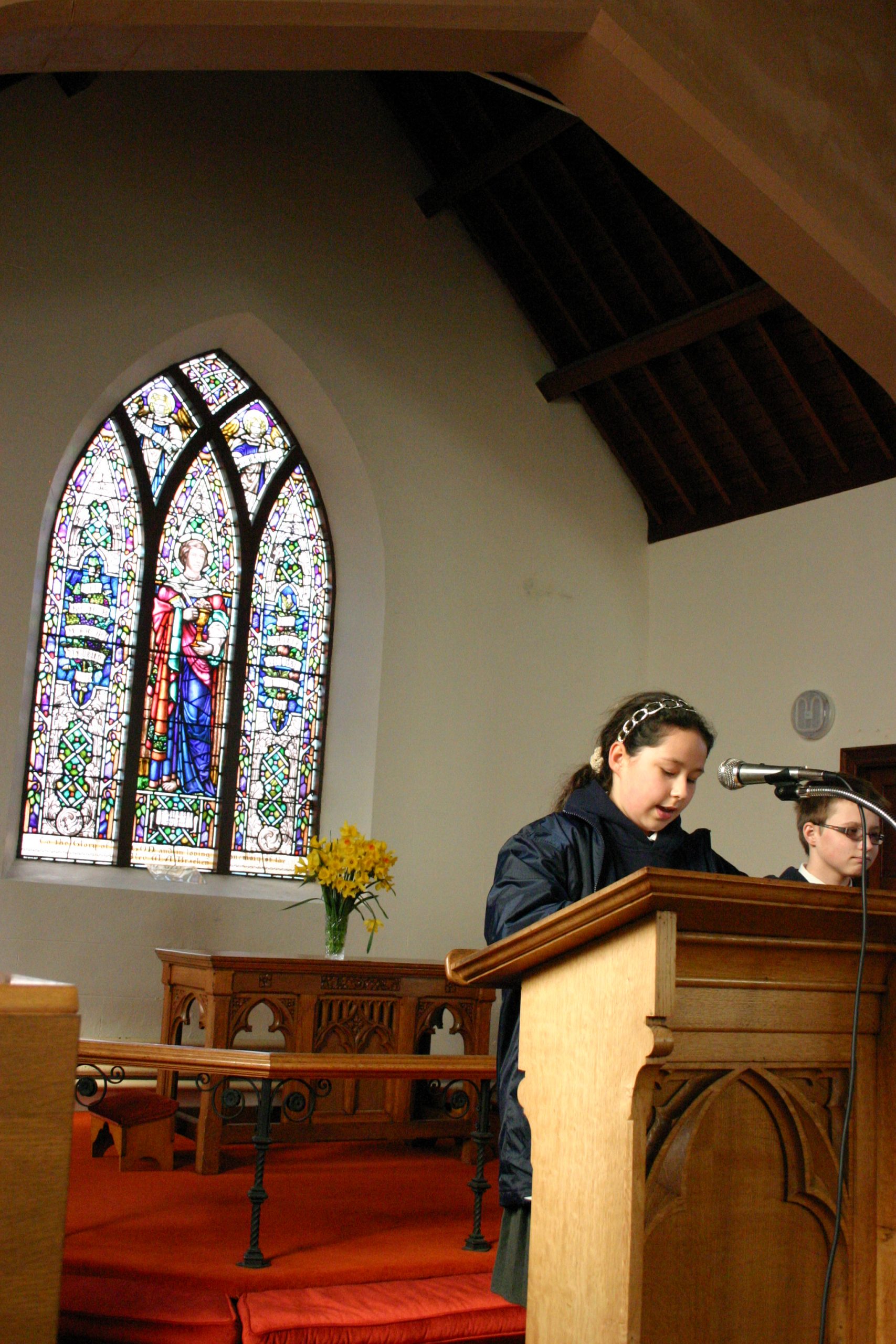
With the accession of more countries to the EU, Eastern European languages appeared in the school, and it was important to be able to offer Polish students the opportunity to sit a GCSE and A level in their first language. Our Polish students Miriam and Artur contributed in Polish to our Remembrance Day service. We also needed to organise offering opportunities to sit the IELTS for students who arrived in sixth form from Poland or China, who achieved well at A level but who didn’t have GCSE English for application to UK or Irish universities.
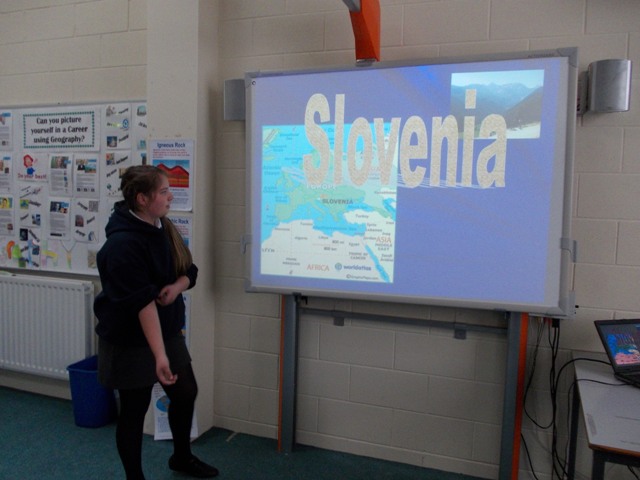
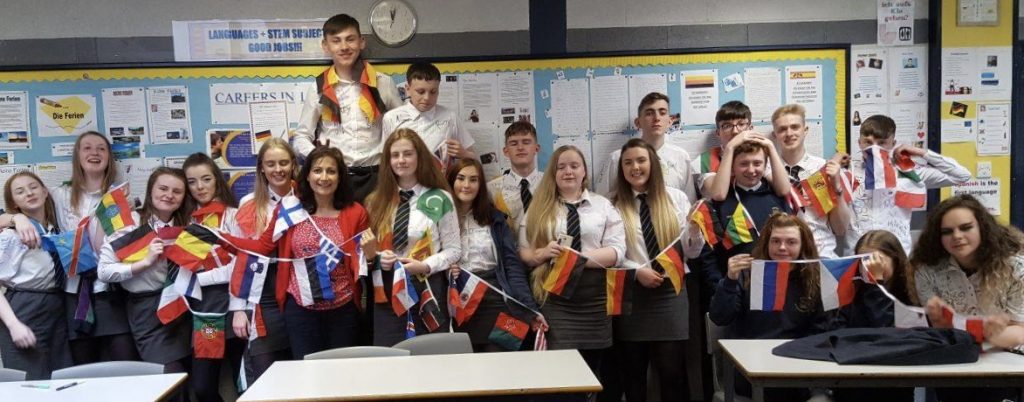
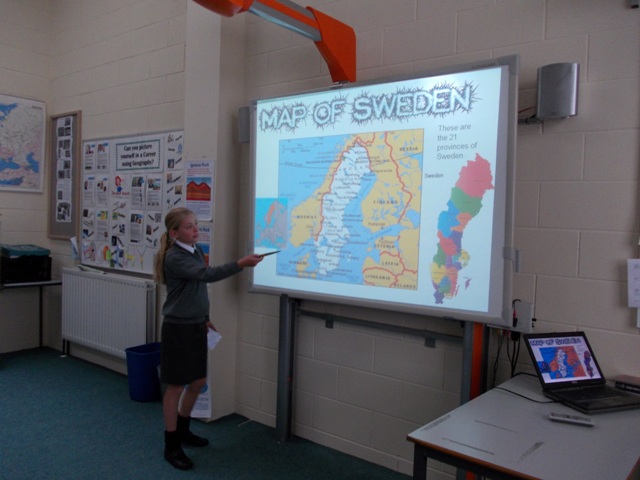
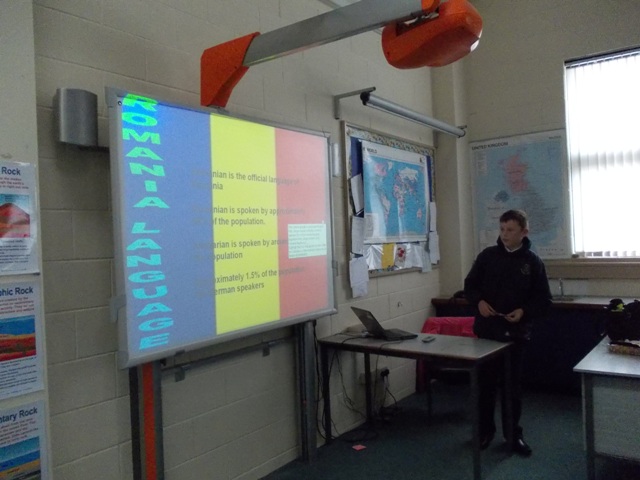
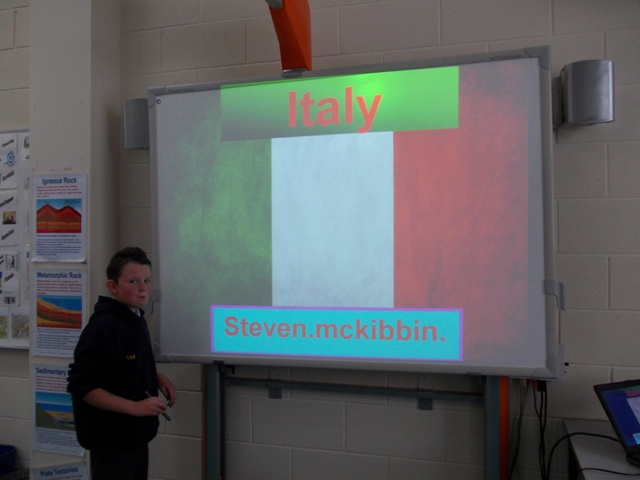
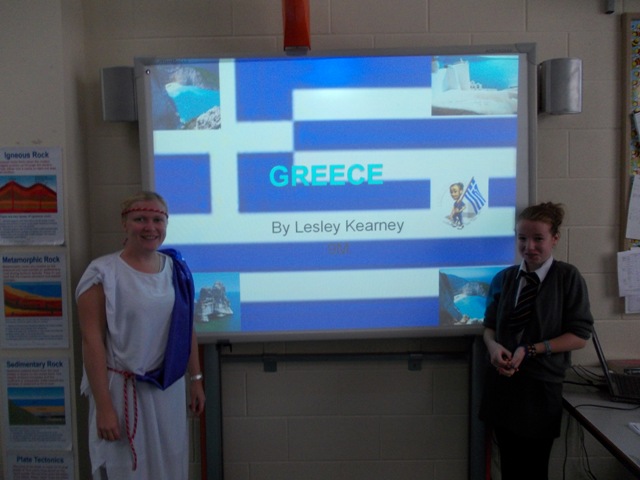
Every year, European Day of Languages was celebrated with a week long focus on all our languages, not just the European ones, with students having the opportunity to teach their language to their classmates. Students of European Studies also shared their knowledge of the countries they had researched. It was fascinating to experience the range of languages widen as our peace process continued, to include languages from across the world, Latvian, Lithuanian, Polish and Slovak and from Amharic to Tagalog.
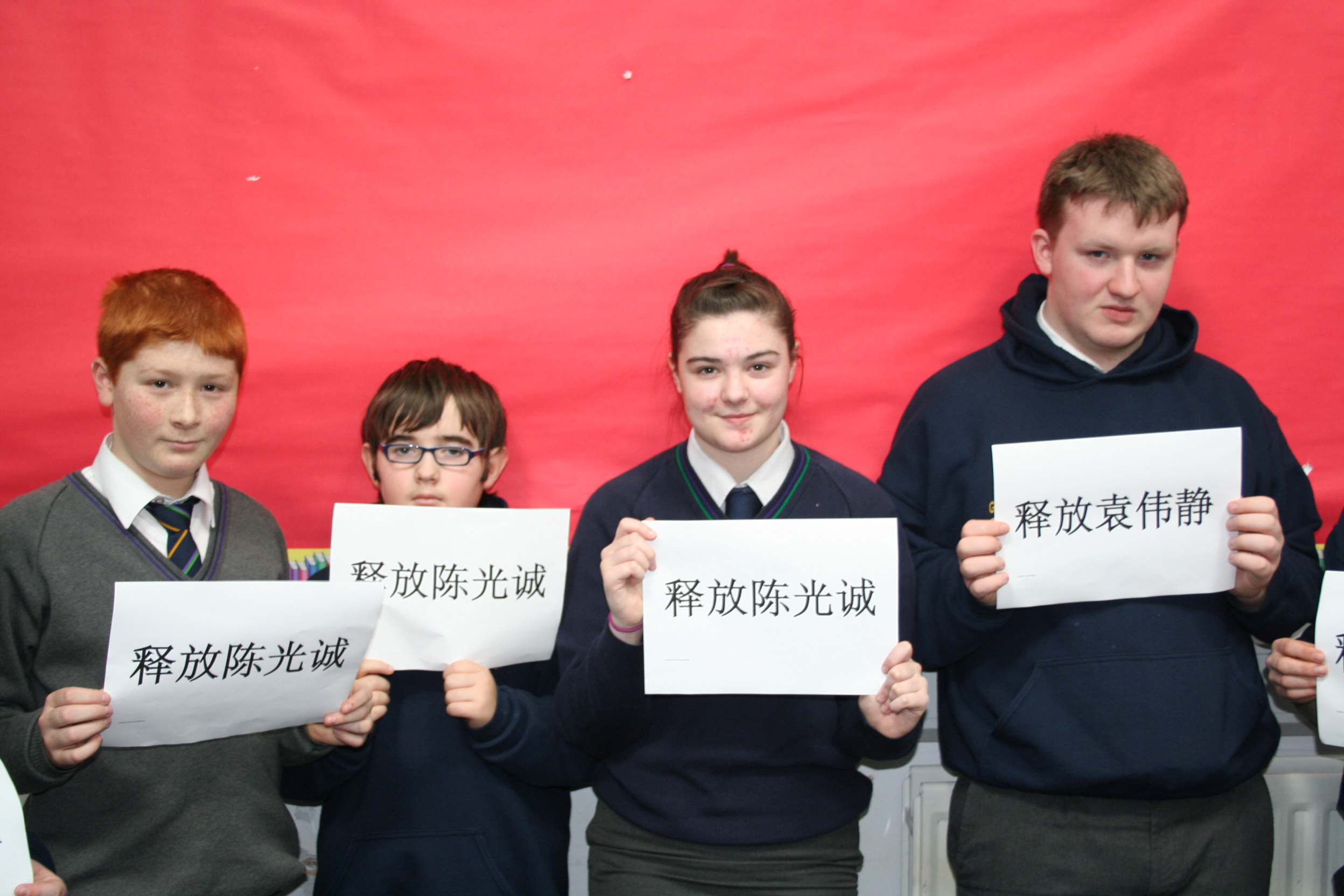
EDL also included the annual competition, run by students, for staff to teach all day in a language other than their own.
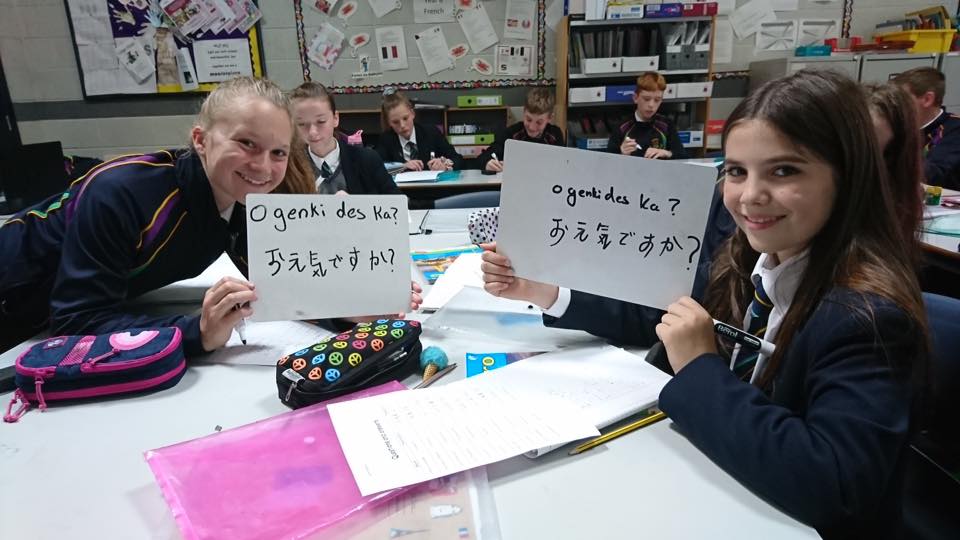
The languages department staff were excluded, but plenty of other staff had a head start: Mairi McCurdy had taught in China for two years and shared the rudiments of Chinese with her classes; Christine Ozdemir had lived for years in Turkey and shared her Turkish; Don Miguel taught Spanish, but he was able to complete in Polish with his degree in Eastern European languages; Jana Jennings was Ukranian, and also spoke Russian; Jeff Armstrong made his bid in Tandragese (Tayto are terrific!)!!!
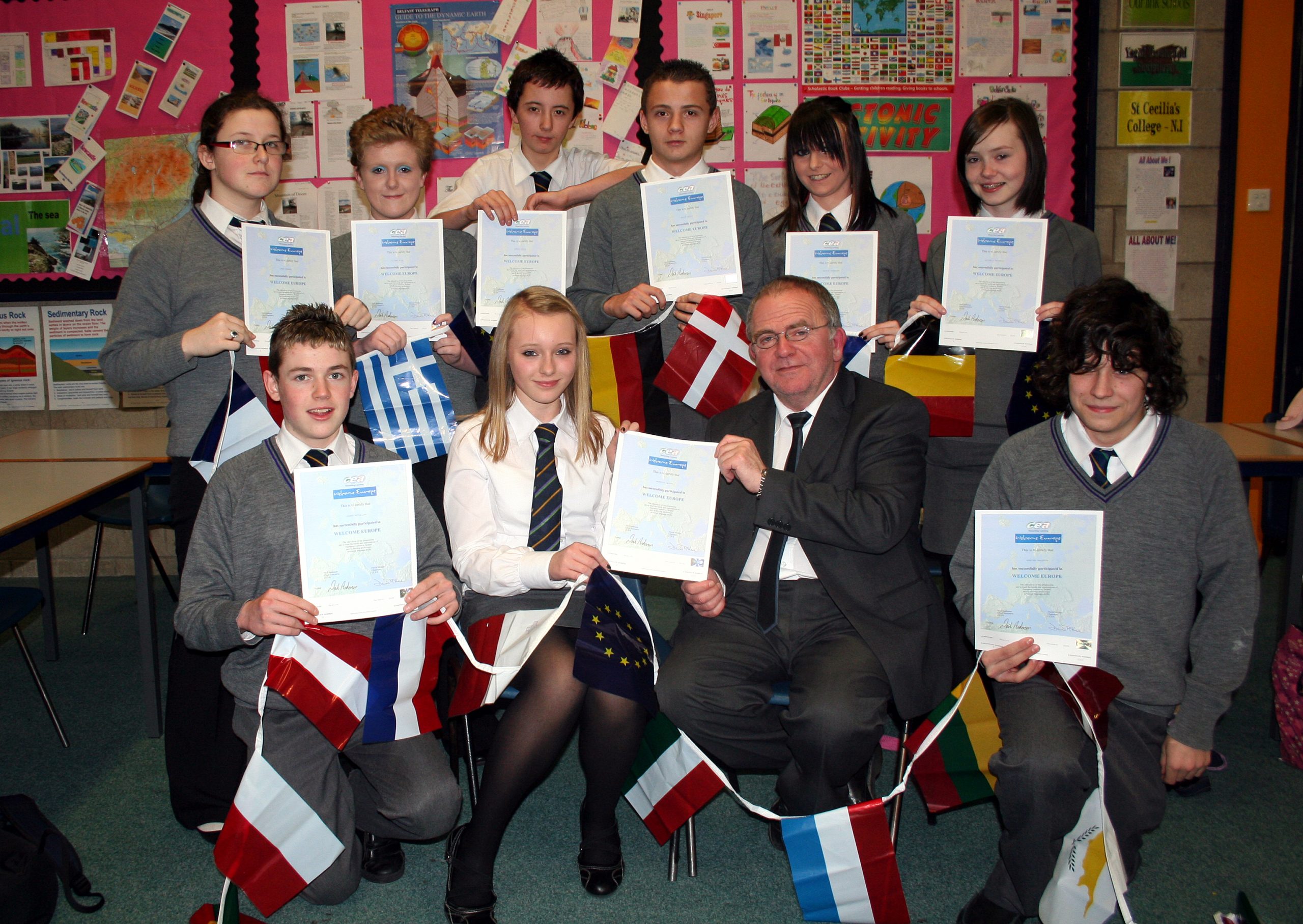
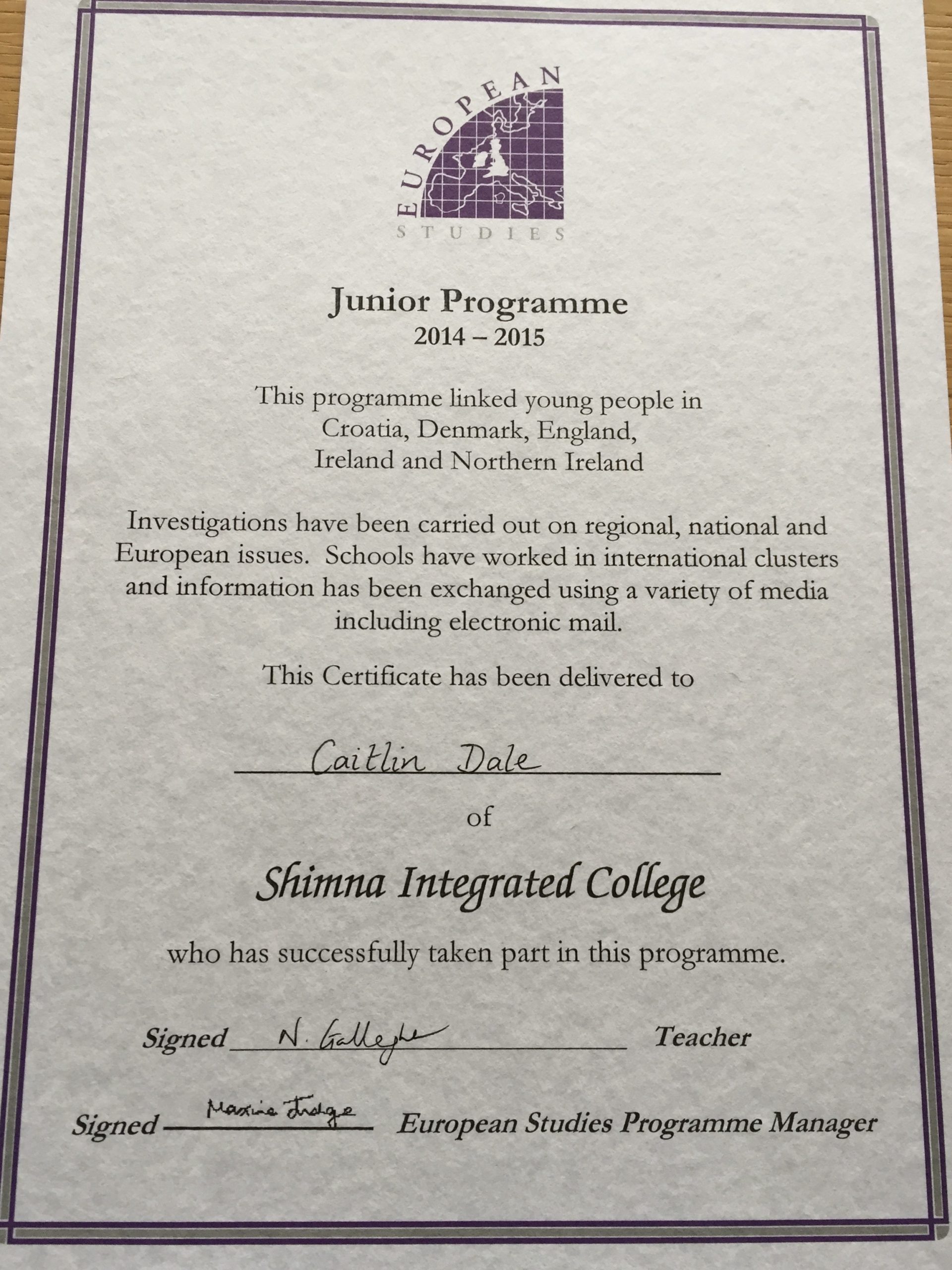
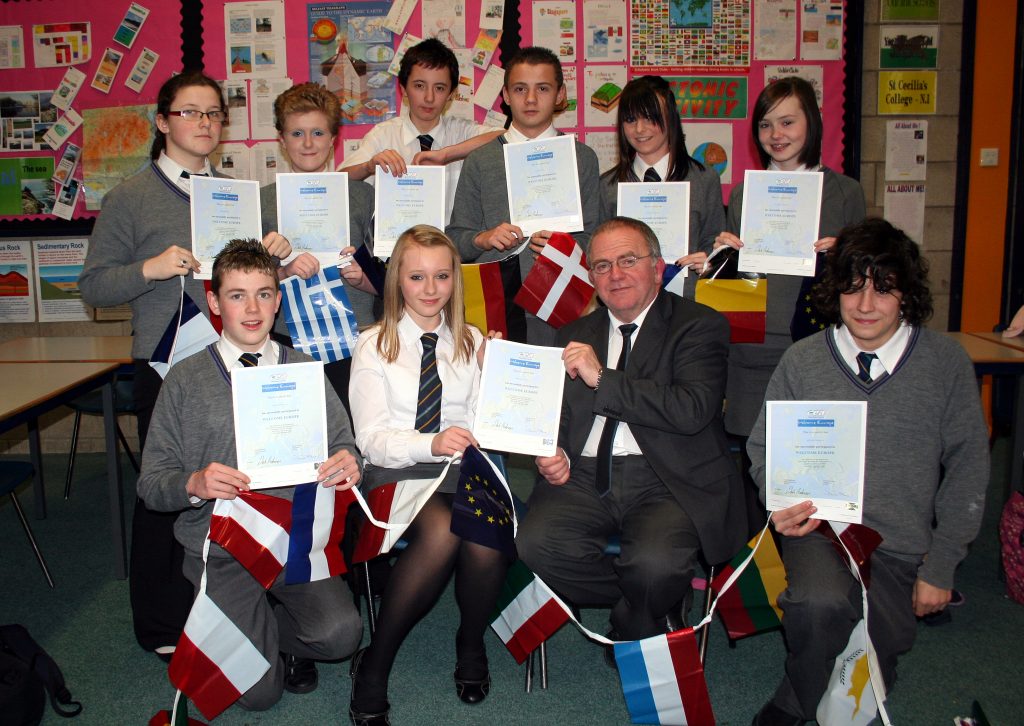
Our language community was enriched every year with visitors. A link with a Steiner school in Germany sent a steady flow of wonderful students each year; one Spanish family came to live in Newcastle for several months each year with their daughters attending Shimna; our French department organised exchange programmes with schools in several parts of France; a Brazilian student just arrived one day and stayed a while. We also had a steady stream of US visiting students from California, Missouri, Boston and Minnesota and it was good for us to interact with different versions of English. Our students qualified in European Studies and were presented with their Welcome Europe certificates.
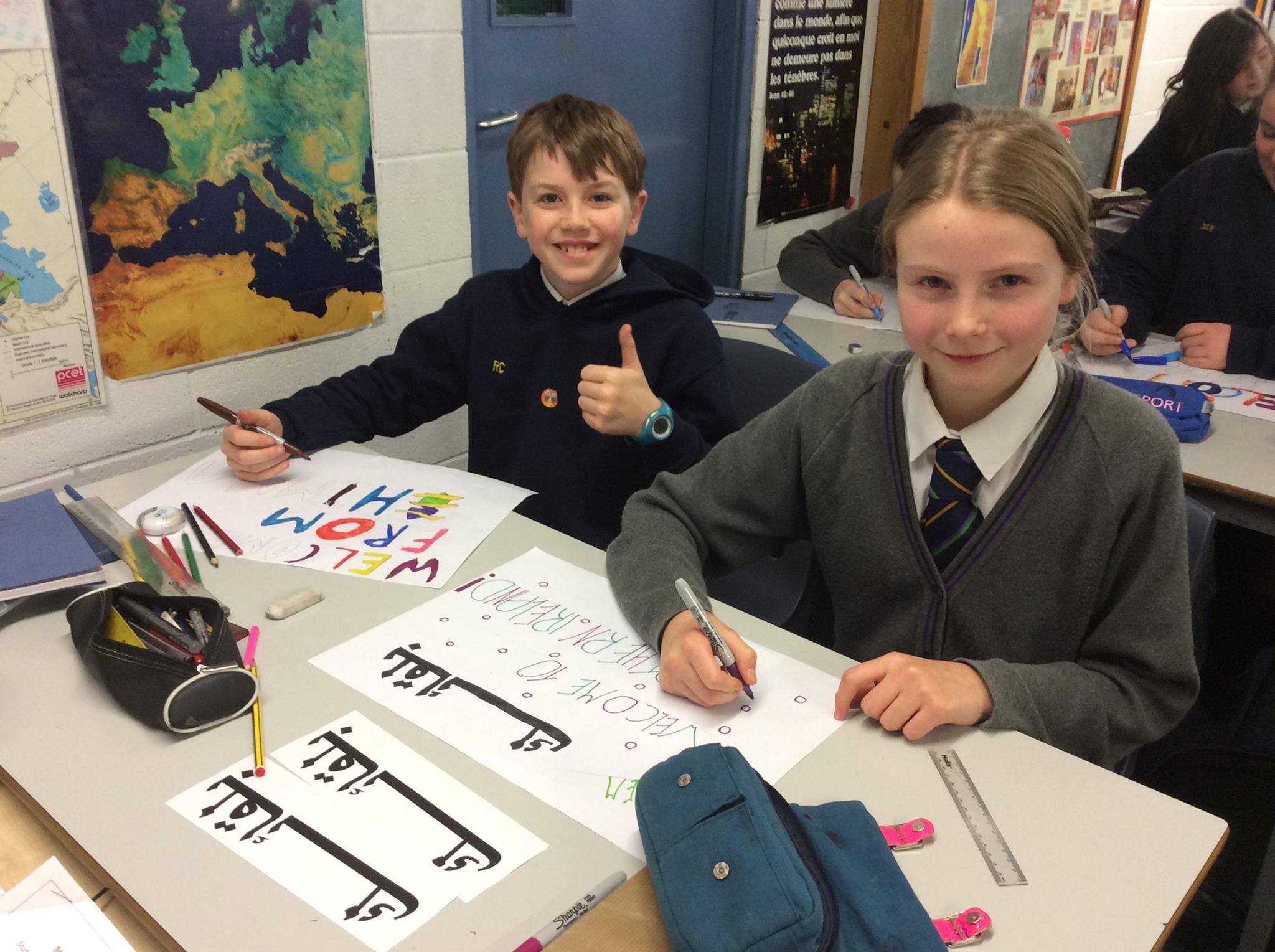
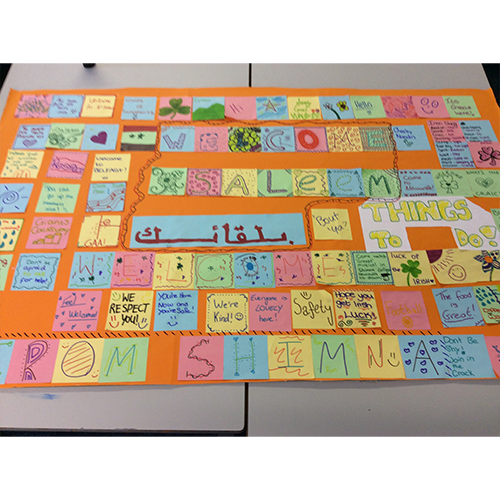
Languages for everyone meant that when troubles hit the world, our students reached out to the language to send messages of support, for example when very troubling images emerged from Syria.
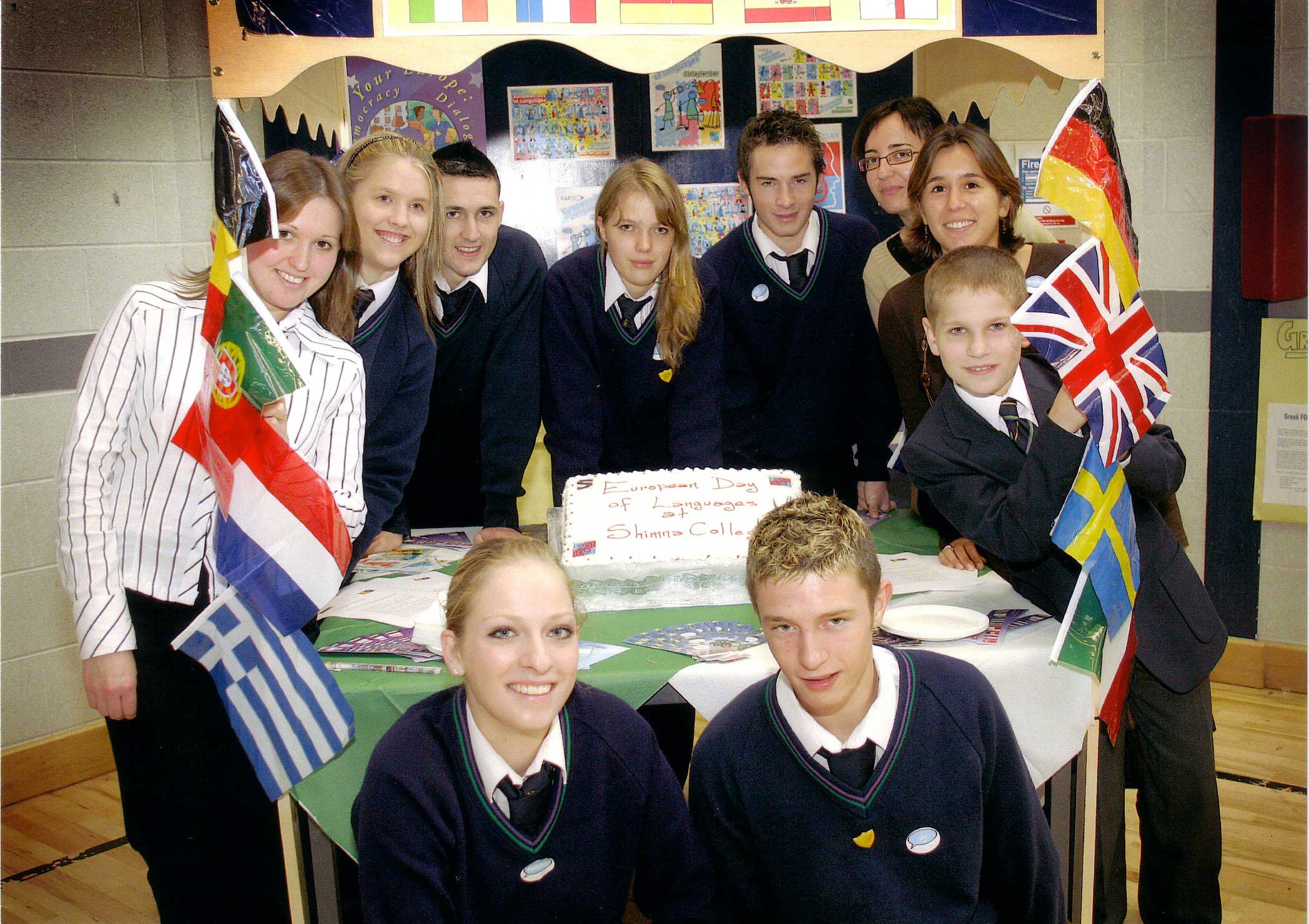
The power of language learning in our school has always been driven by our wonderful languages department, but with the support of all our departments through our international dimension. Our languages departments scored outstanding academic success, with Oxbridge graduates in both French and Spanish, top NI marks and 3rd place in the UK in German etc. However, the cross curricular , wholeschool relevance shows in so many students’ outcomes. Zoe’s Sign Language helped her into her job with Riding for the Disabled, Liam’s French helped him into his career in aviation after a degree in engineering, Orla’s French helped her into medicine, Rory’s German, and internship in Germany, helped him into engineering, Jack travels the world with his Spanish and German, Mark was able to couch surf safely in Berlin for a while with his German, Conor’s Irish has been key to his career in broadcasting, and Méadbh’s Irish and German key to hers…