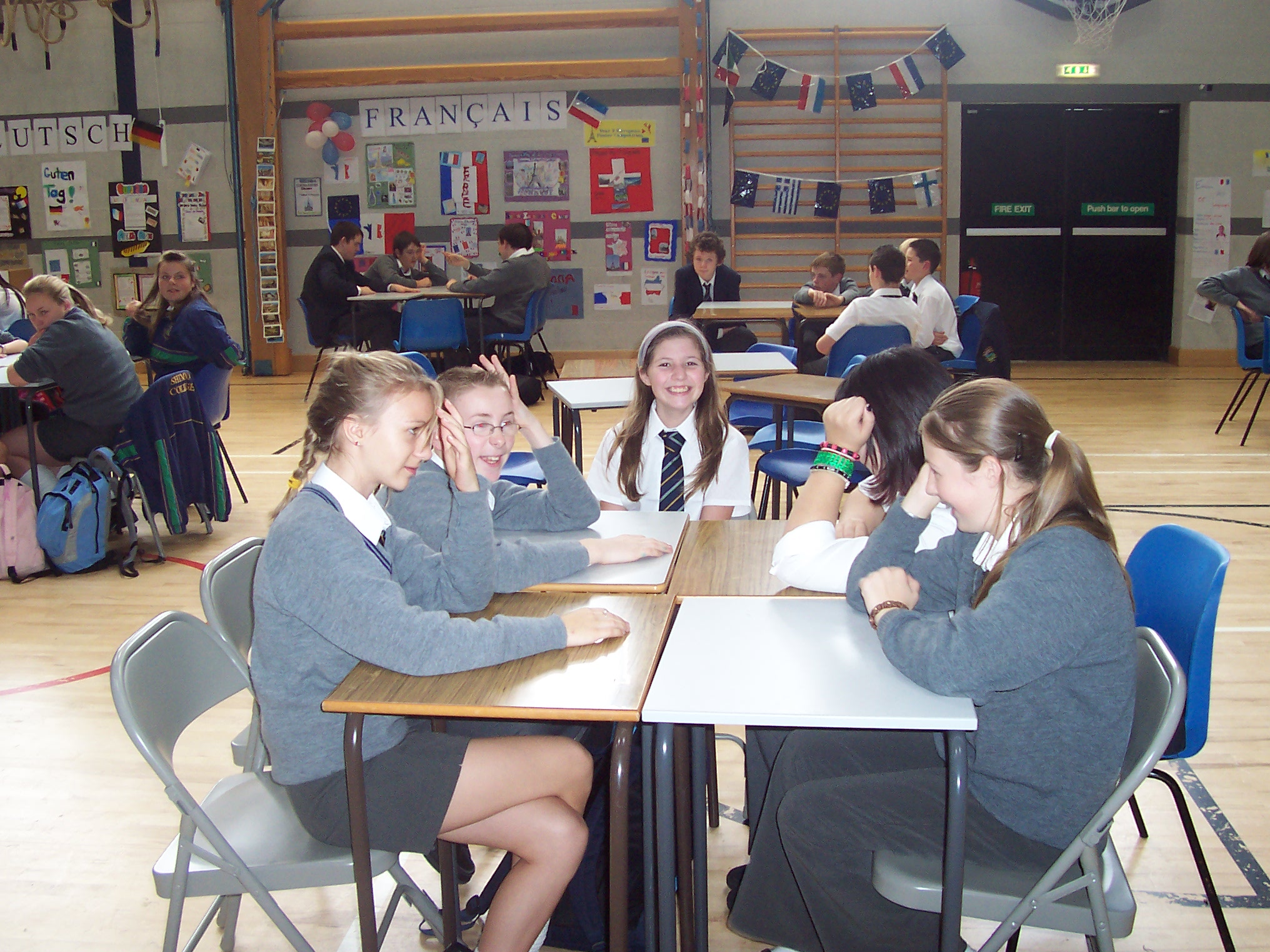
The parents who founded Shimna had from the beginning particularly valued modern languages for the focus they bring to Integration and to all-ability education, and languages were the obvious choice for our specialism. Application for Specialist status involved: evidence of demonstrable success in the Specialist subject; raising £25,000 sponsorship; producing a development plan setting out how the whole school would engage with the Specialism. Prospective Specialist Schools also had to outline their programme for supporting partner schools. In order to involve every subject area across the school, Shimna’s chosen Specialism was not only in languages, but in Languages and the International Dimension.
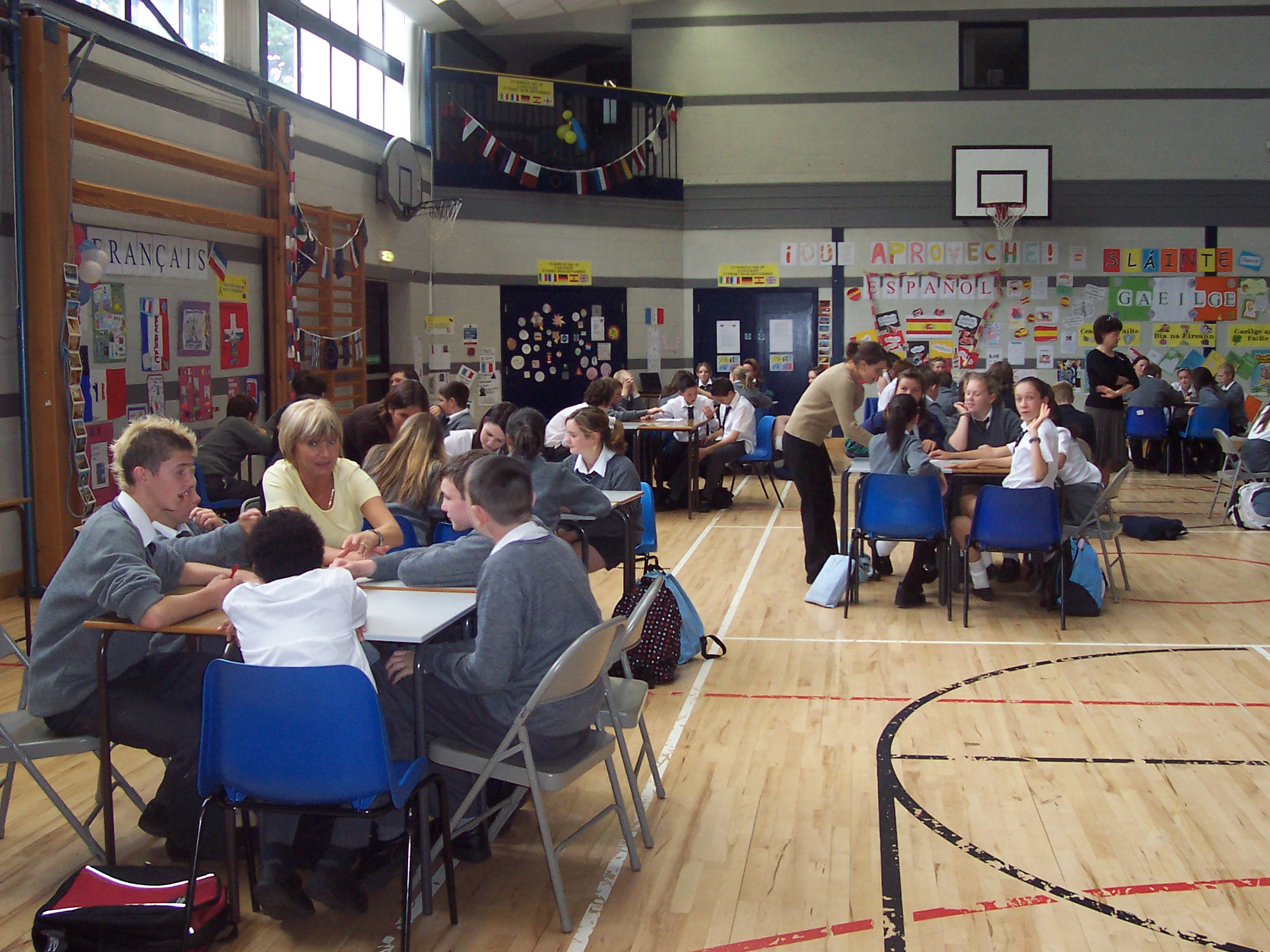
The Specialist School project came at an ideal juncture in Shimna’s development. The academic results of the first cohort, topping the GCSE league tables in the South Eastern Board, had set the pace in terms of student achievement. Where value added predictions had estimated perhaps six students achieving the grades required to move on to sixth form, in fact forty of the first sixty students did. Results had risen steadily since that first year. Students at Shimna all studied two modern languages at Key Stage 3, choosing from French, German, Irish and Spanish. Shimna was already one of only two non-selective schools at which every student took a language at GCSE level, the other one being Meánscoil Feirste where all students took Gaeilge and English. We felt confident that we could argue our case for success in our proposed specialism, but were very aware that languages provision might always appear stronger in selective schools where only the most able are offered the opportunity to study languages.
The Communication Workers Union and Royal Mail had jointly supported Shimna following the murder of Newry postal worker Frank Kerr just months after the school opened. The murder had been particularly poignant given that the IRA ceasefire had begun the same day that Shimna opened and people had started to believe the Troubles were over. We had used local company Spa4Schools when stocking our new school, and Spa4Schools reciprocated. All these organisations, and a number of individuals, rallied to support the Specialist School bid and we raised the money required.
One of the drawbacks of the Specialist School project was the onus on the school to select one subject area as their specialism, with the obvious risk of demotivating all the other subject areas. However, true to the collaborative relationships in Shimna, supported by collaborative, rather than hierarchical, staffing structures, the languages department stepped up to take on the burden of development, planning and accountability, and everyone else immediately supported their work. The second hurdle schools encountered in developing their bid was the selection of the areas of school work to be ‘improved’. However, embedded collaboration again won the day, and two departments, geography and business studies requested support for the potential first year. The geography department wanted support in moving to a new syllabus and the business studies department had identified an area in which grades could be improved. These two departments provided the inspiration for others to follow with their requests in subsequent years, and ensured that Shimna’s bid would address the improvement agenda which the scheme had been developed to provide as well as all the PR benefits and confidence boost designation might bring.
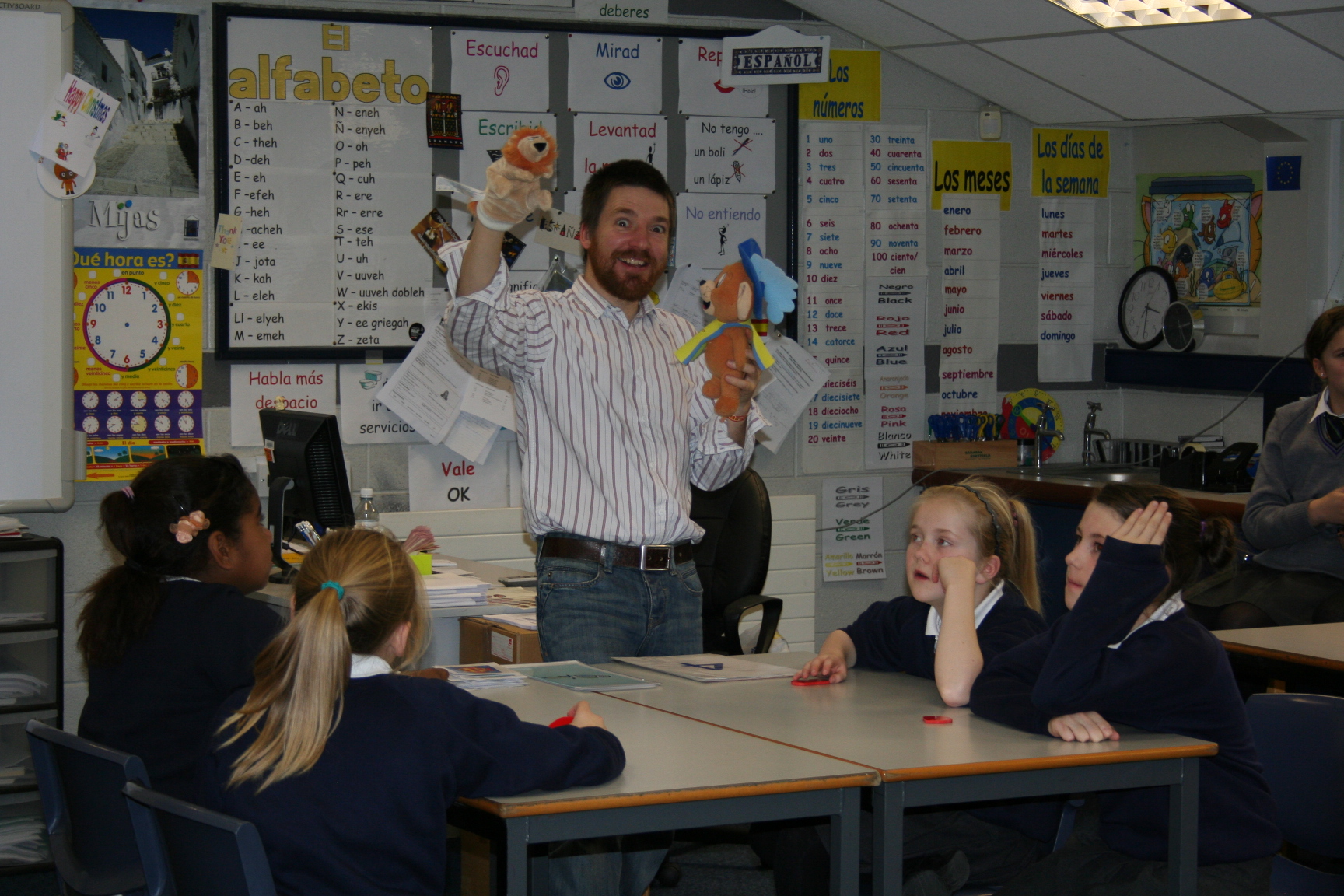
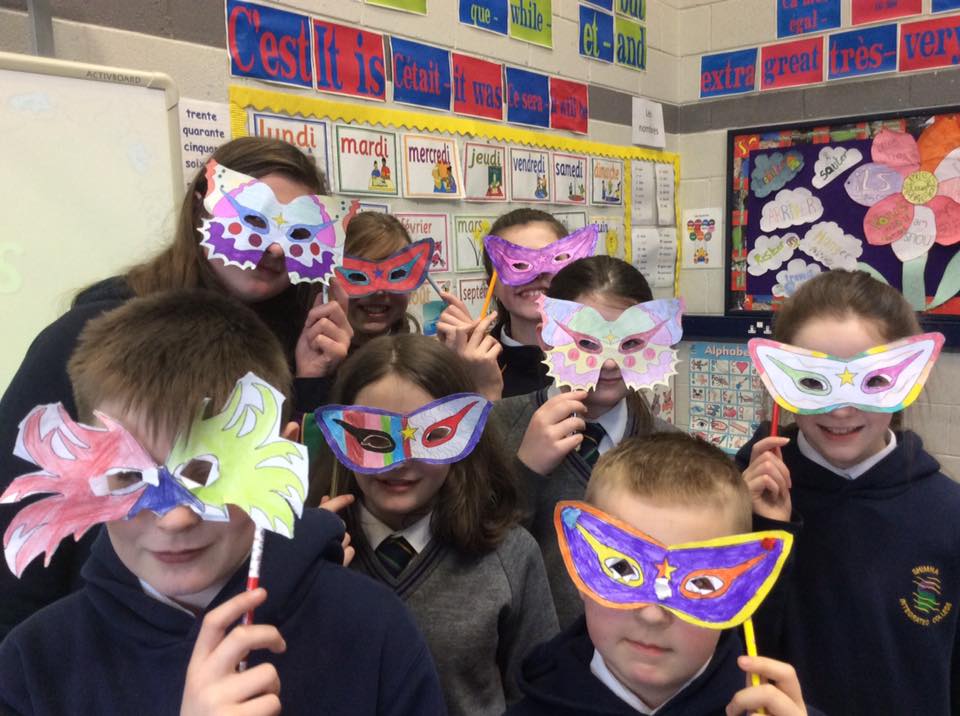
One of the real attractions of languages as a specialism was that our feeder primary schools were eager for support in providing modern languages, but few were able to provide specialist teaching, a need we were able to meet. For the first year, our proposal was to provide language teaching in our three nearest feeder primary schools, providing clear evidence that our specialism would offer improvement to others.
To the great delight of everyone in the Shimna community, the bid was successful. The reward was designation as Northern Ireland’s first Specialist School in Languages and the International Dimension, £100,000 capital funding and a per capita boost to the recurrent budget.
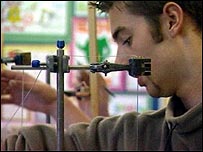
However, one big attic space remained unfinished, and proved an ideal project for the capital funding Specialism brought. The unpromising attic space was fitted out with skylights and ventilation and became a spacious, airy teaching space, just right to meet the ever-expanding ICT needs of the school. The languages rooms also benefited with our first interactive whiteboards, and as languages staff developed their expertise, they provided training for other interested staff and projectors and speakers were provided in many other areas of the school.
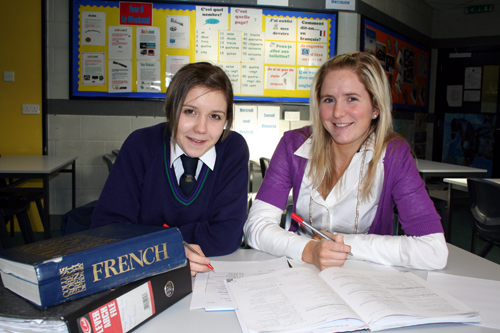
Additional recurrent funding meant that staffing in languages could be expanded to support our four languages at A level, two languages for all students at Key Stage 3 and meeting the increasing need for an element of Irish Medium education. Our internal staffing needs also linked with the need to staff our outreach programme to support language teaching in our partner primary schools.
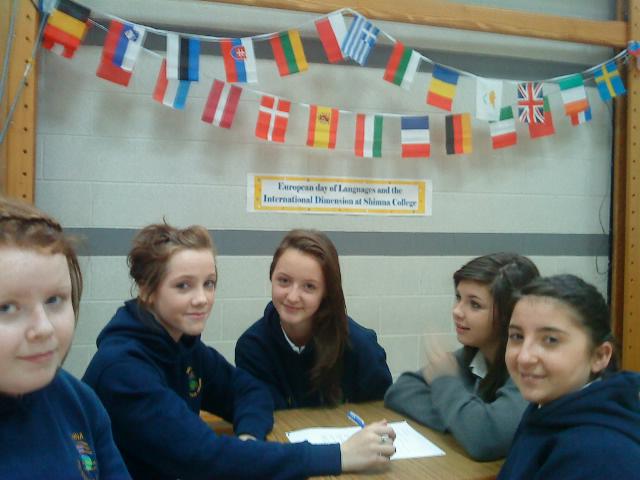
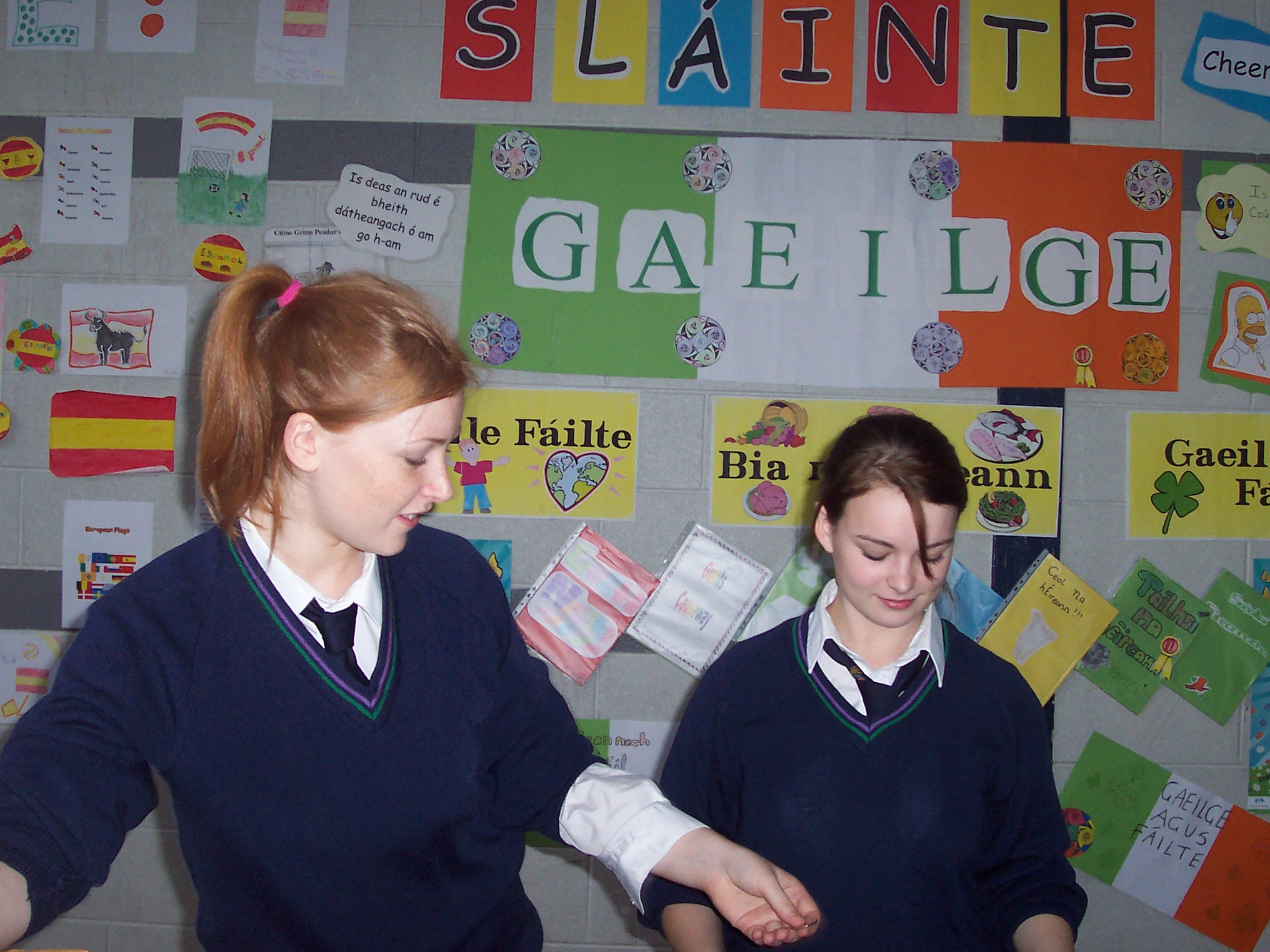
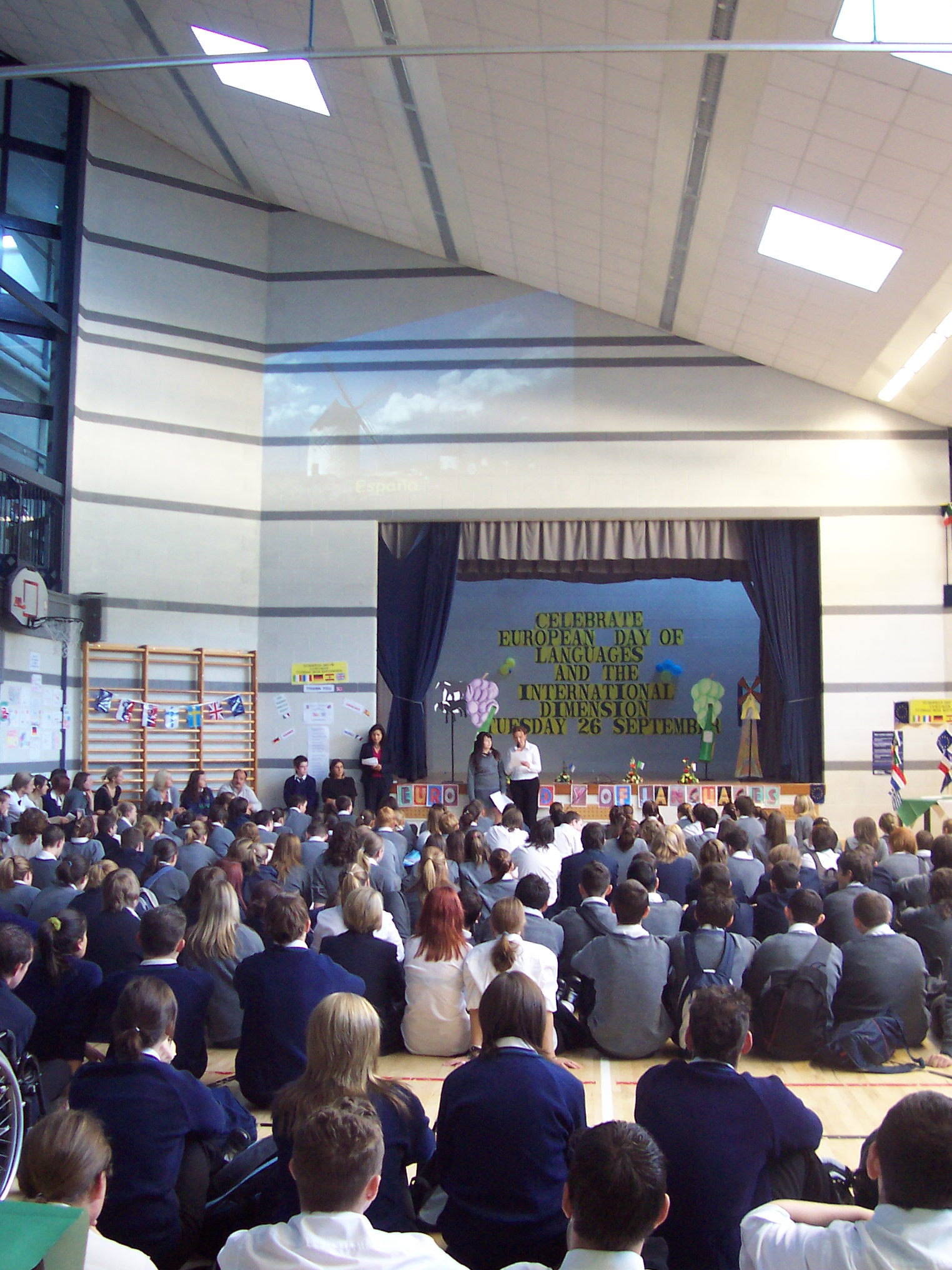
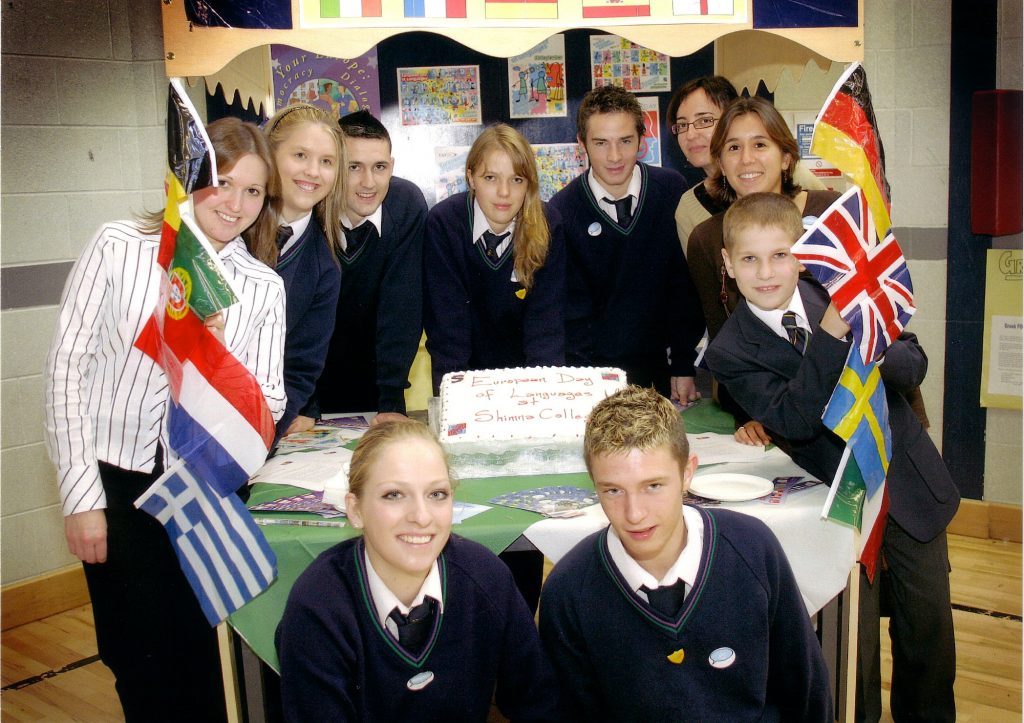
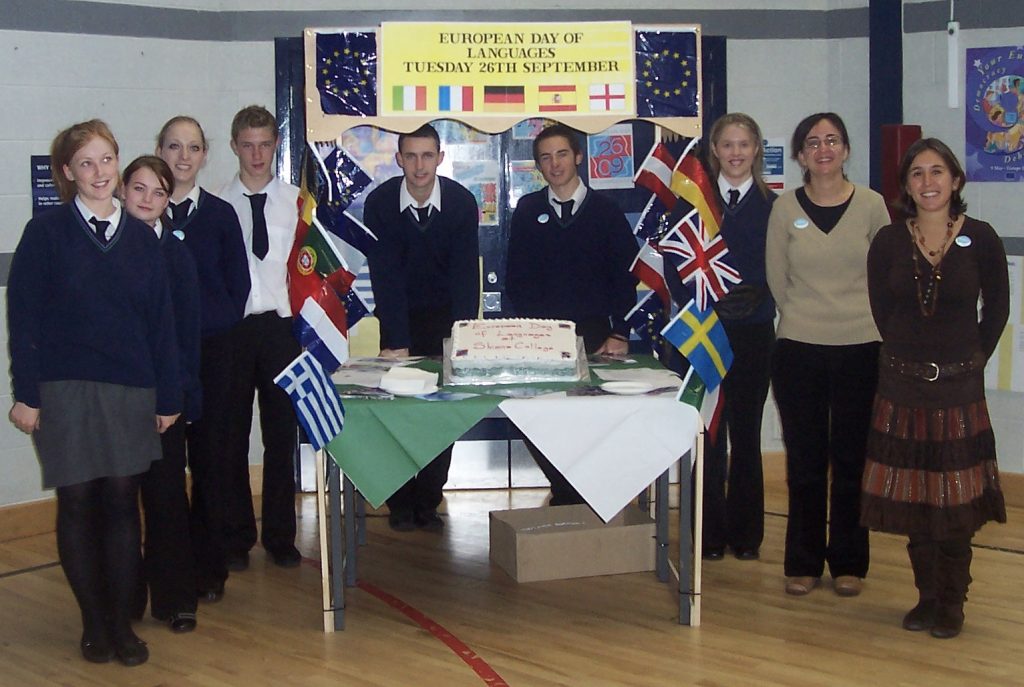
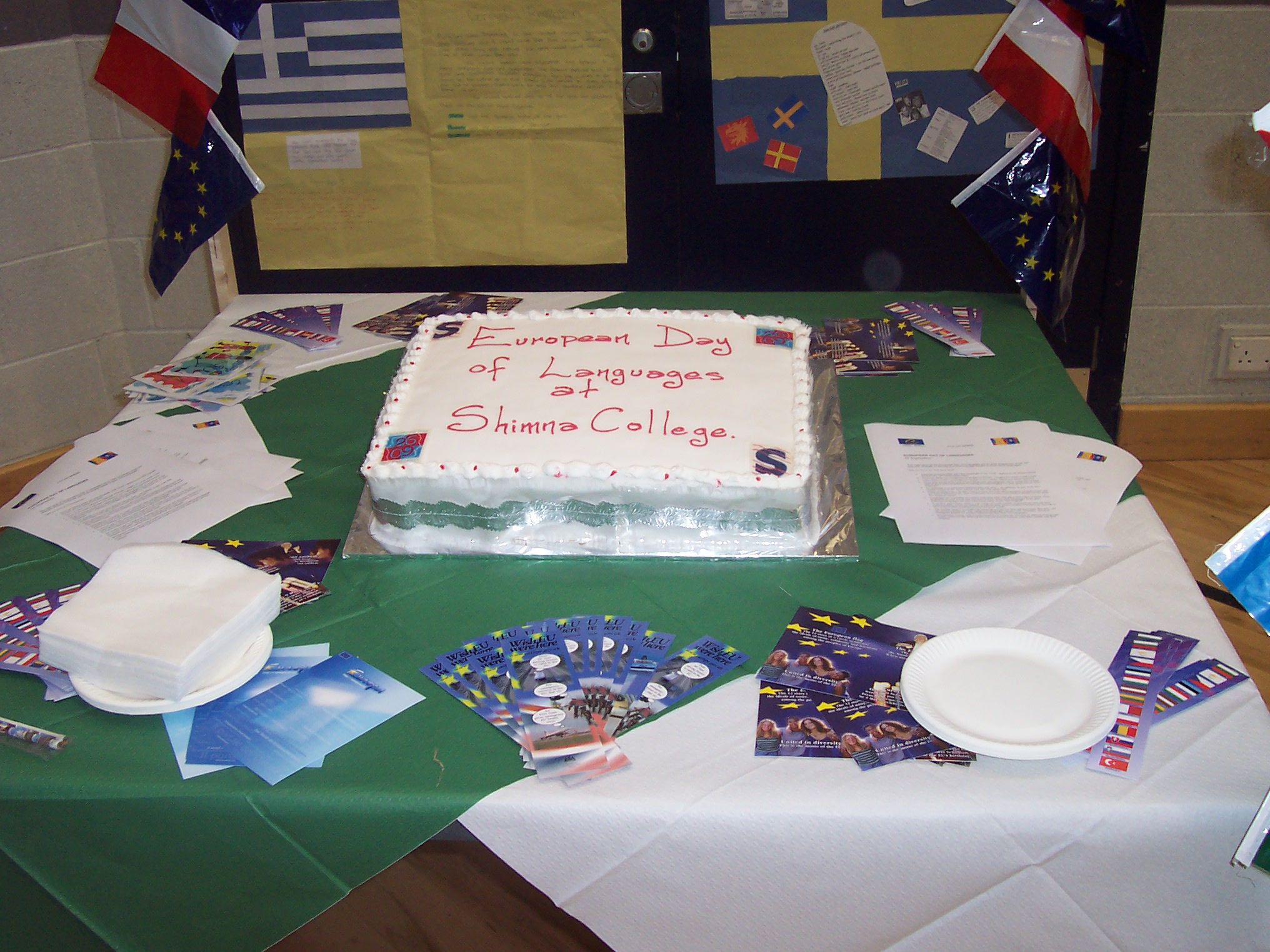
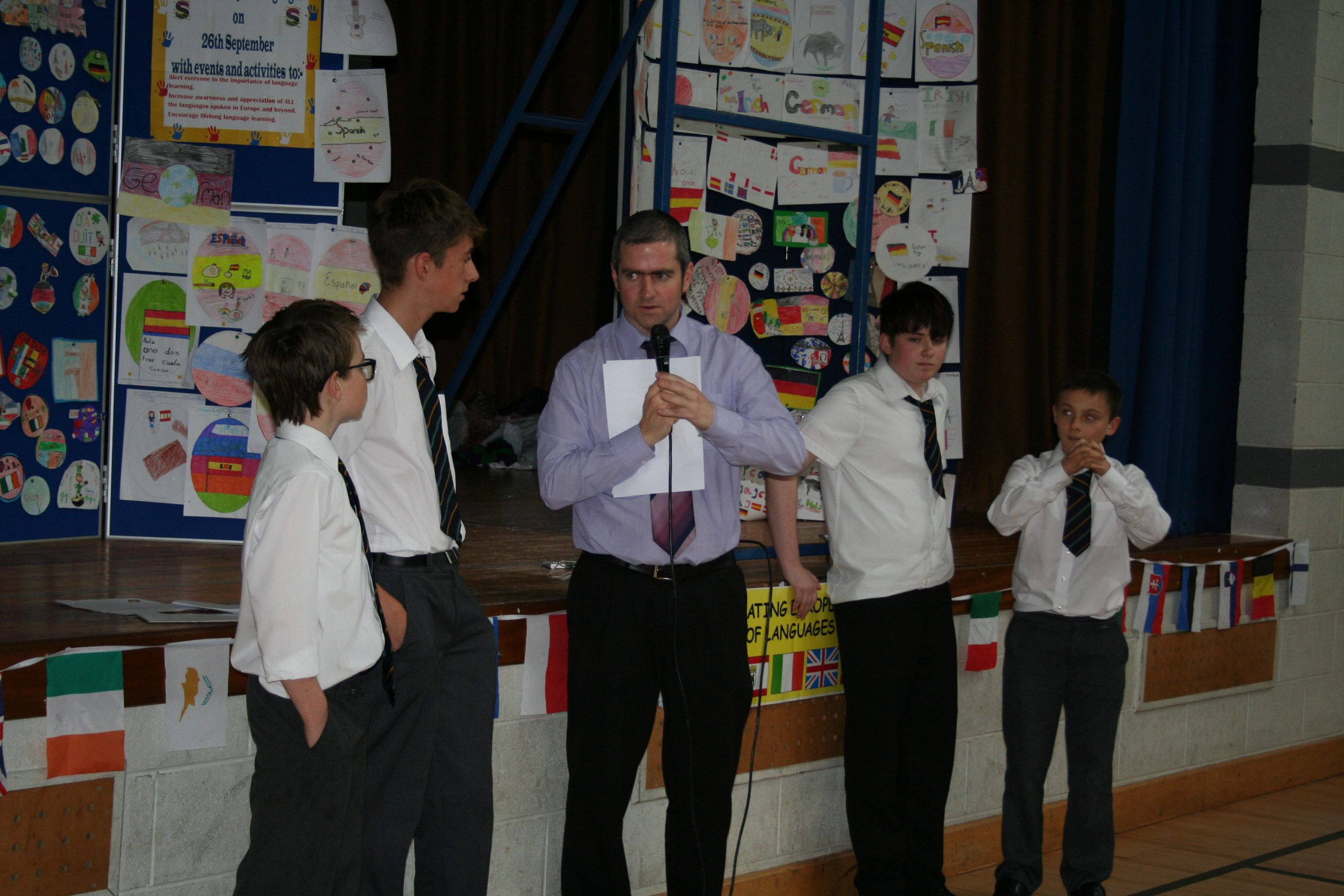
September in the first year of Specialism included European Day of Languages, and the success of the programme in boosting morale across the school was evident in the contribution of every department in the school to the celebration of the International Dimension. As well as the student activities organised in every department, staff competed to win the prize for the most effective teaching in a language other than their own, as voted for by the students. The primary outreach programme got underway, and the Specialist School development plan merged with the overall School Development Plan to ensure that everything we achieved would be achieved within the ethos of Integration.
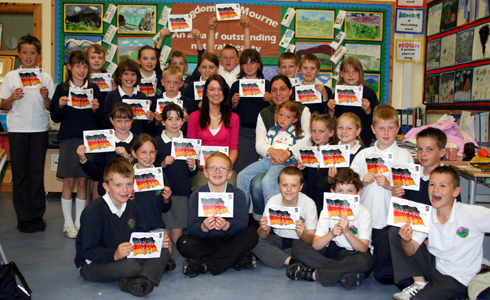
Then, as the second year approached an American charity, Atlantic Philanthropies, spotted a flaw in the project. They pointed out that the requirement to work with partner schools could have achieved so much more if a requirement to partner across the religious/cultural divide had been included.
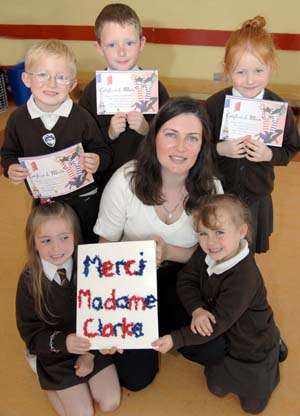
As Shimna was the only Integrated school in the first cohort of twelve Specialist Schools, Shimna was the only school already working with both Catholic and Protestant children in our partner schools. Atlantic Philanthropies asked those first twelve Specialist Schools to take a further step and initiate partnerships specifically across the religious/cultural divide. This was an exciting opportunity for Shimna to build on the plans already in place.
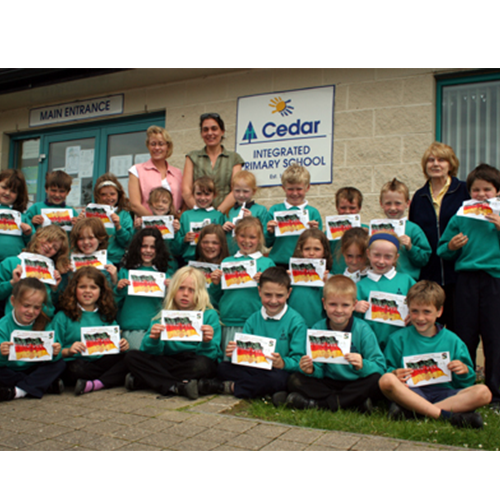
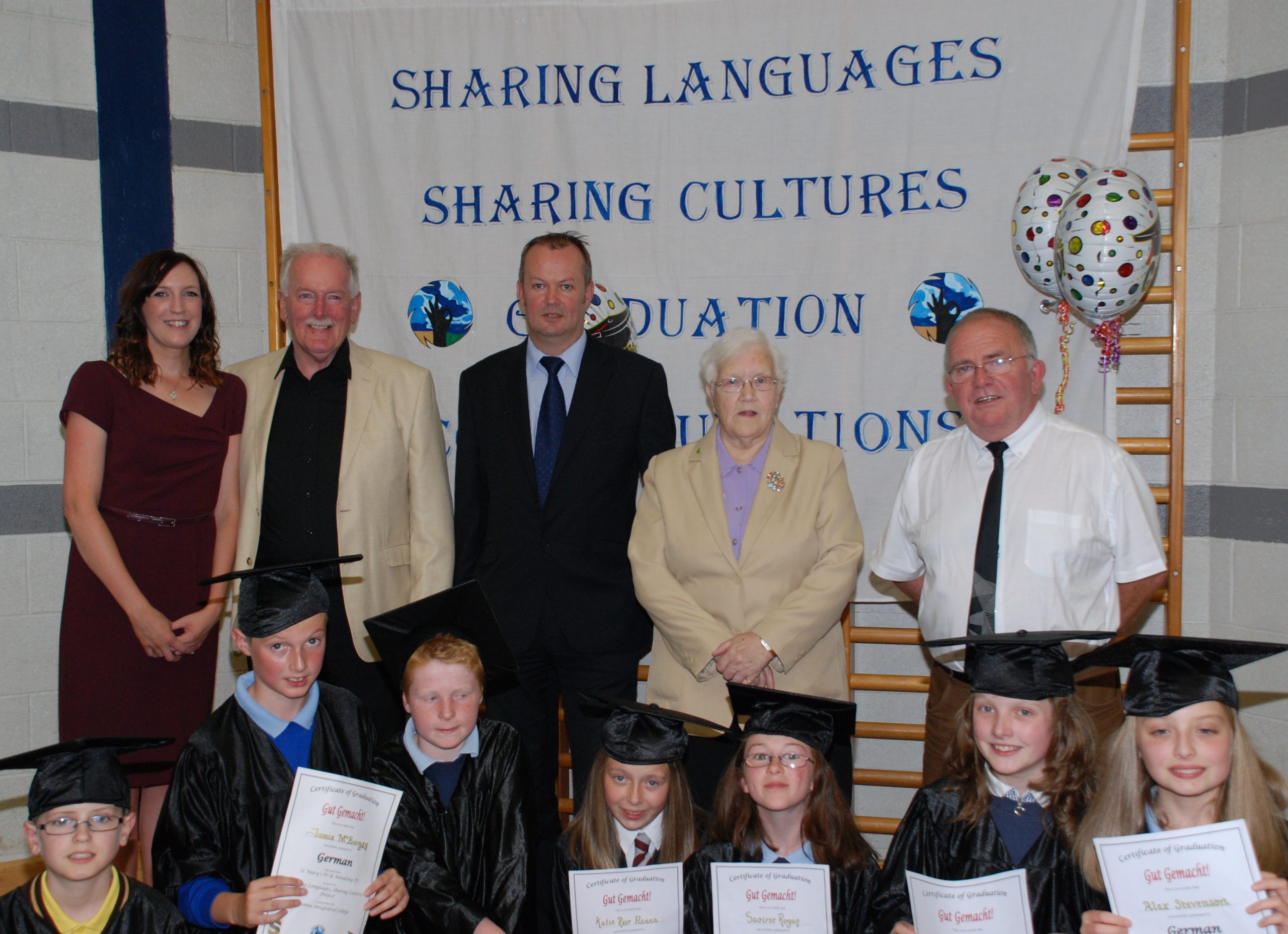
A programme was set up which delivered language teaching to cross-community pairs of feeder primaries on a weekly basis throughout the school year as a part of the normal curriculum. Transport was provided by Shimna, and each week a minibus would collect the Protestant children and take them to join their Catholic classmates in the partner school, and the following week complete the journey in reverse.
A particular feature of the scheme was that the children would learn together, each in their own and in each other’s space and on a regular weekly basis. The pairs of partner schools were chosen for proximity to each other, enabling easy transport and interaction and minimising the logistics and time commitment. The project was sustained for nine years, with sixteen partner primary schools taking part.
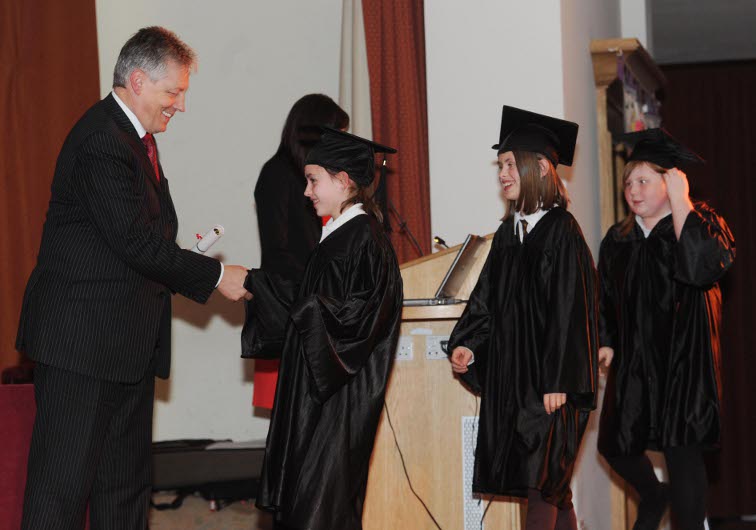
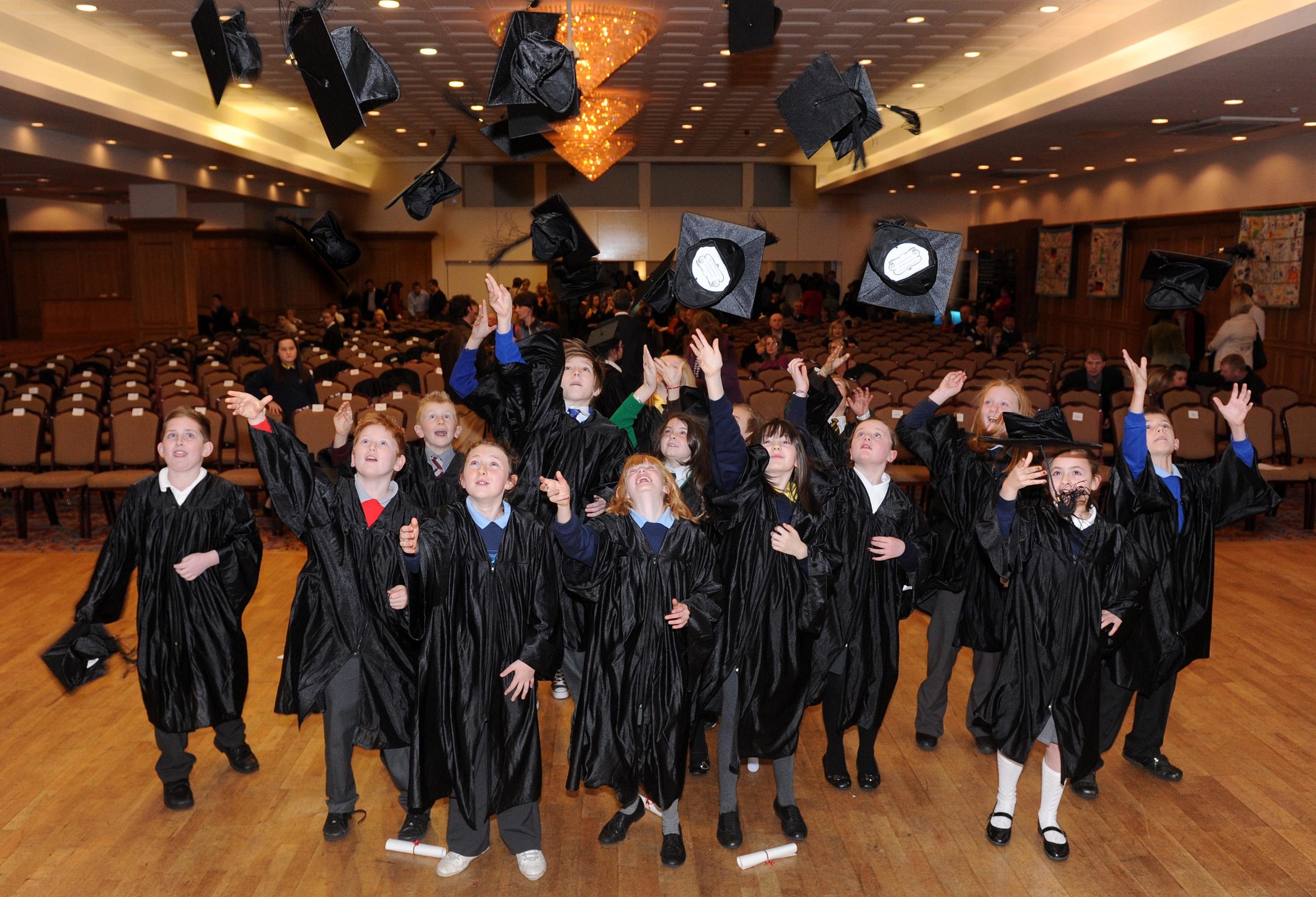
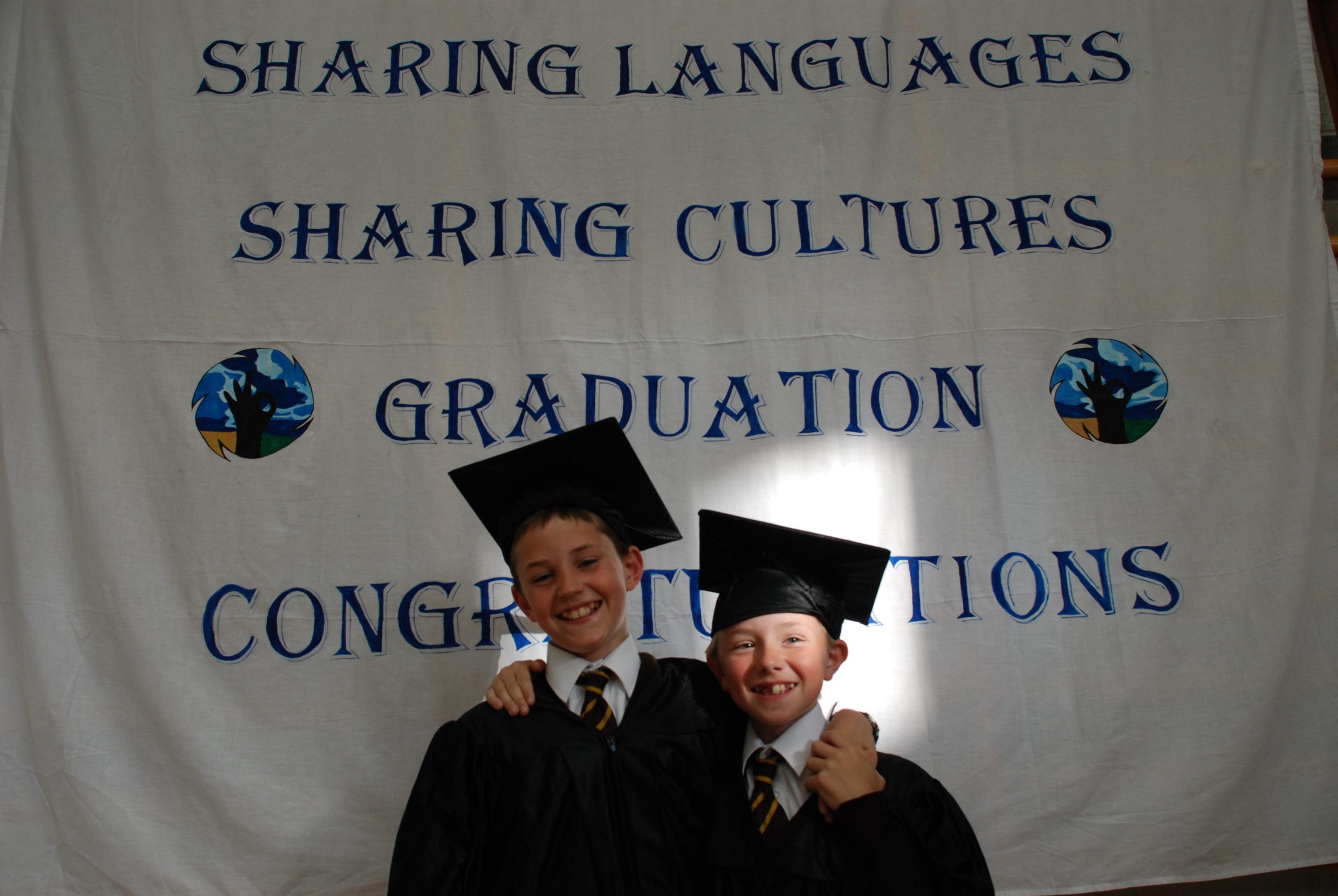
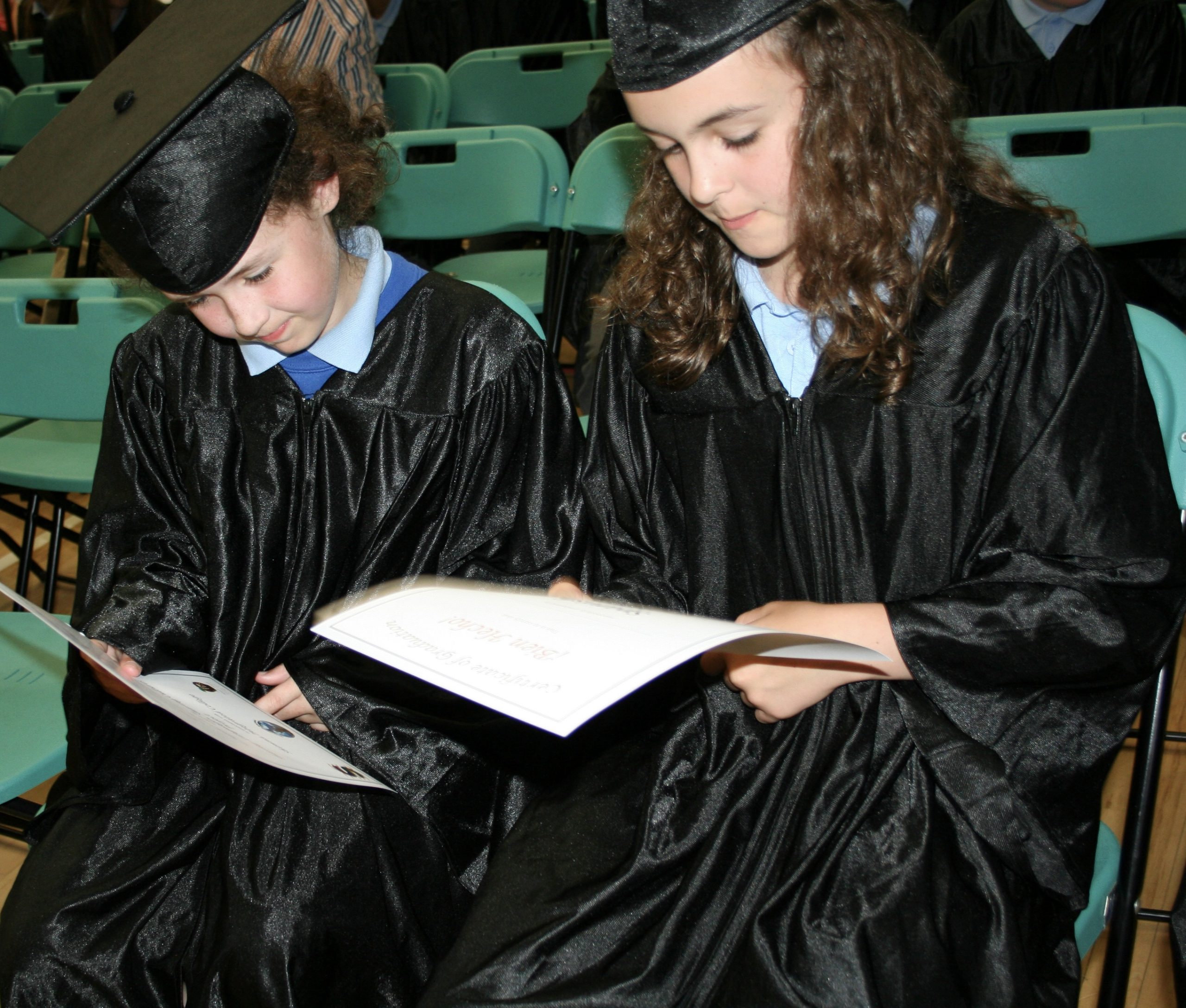
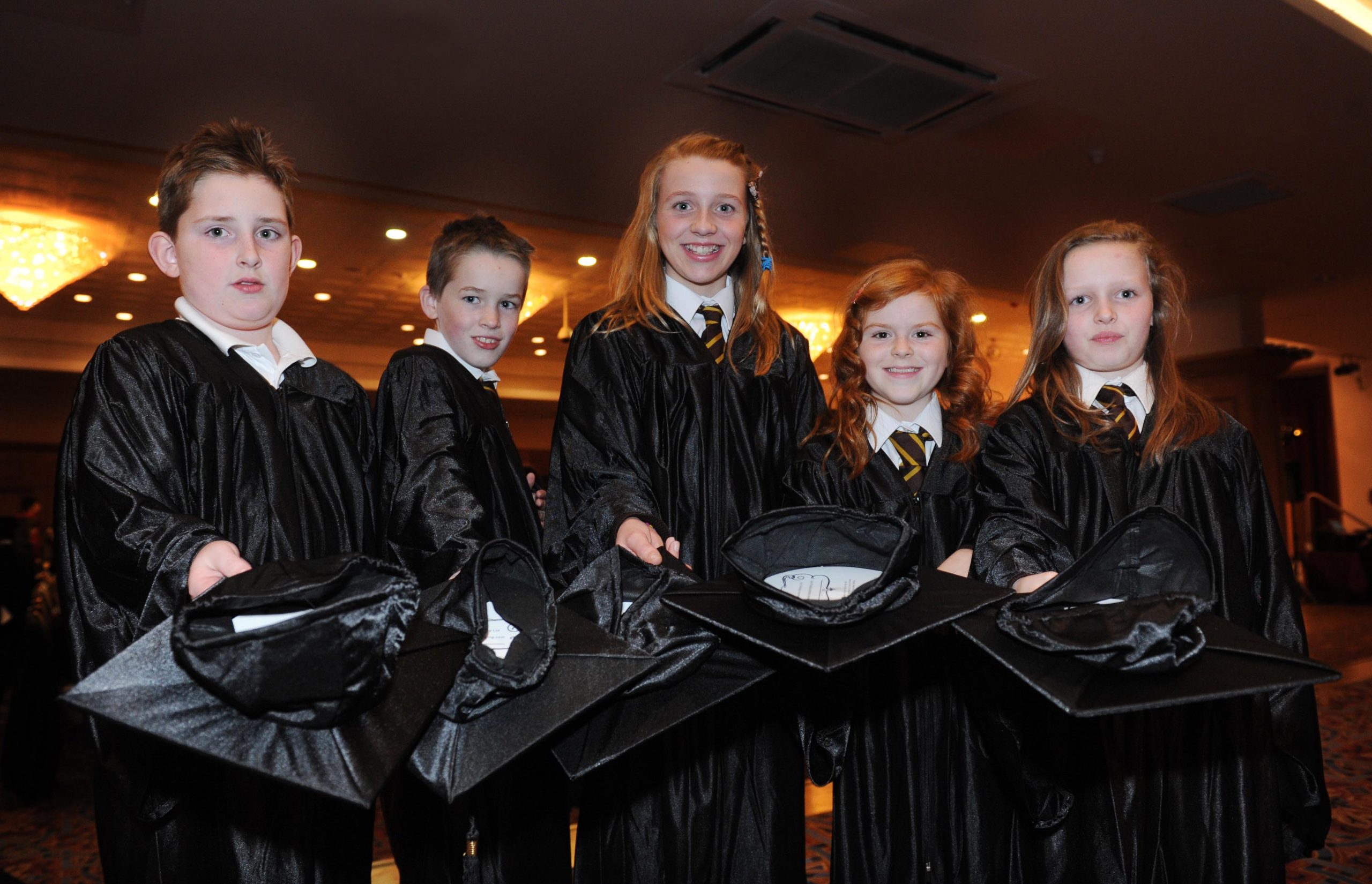
We invested our funding in an additional language teaching specialist and in the early years of the programme, a manager who set up the timetables with the partner schools and ensured the transport network ran smoothly. Publicity was important to Atlantic Philanthropy’s mission, and the children came together to a glittering graduation ceremony in the Slieve Donard Hotel, complete with wee gowns and mortar boards with certificates presented by a series of eminent guests, including First Minister Peter Robinson, valued supporter Dr Gerard O’Hare, BBC journalist and staunch Integration supporter Jim Fitzpatrick, Integrated Education Fund patron Tim McGarry and Shimna OldScholar and musician Ross Maguire.
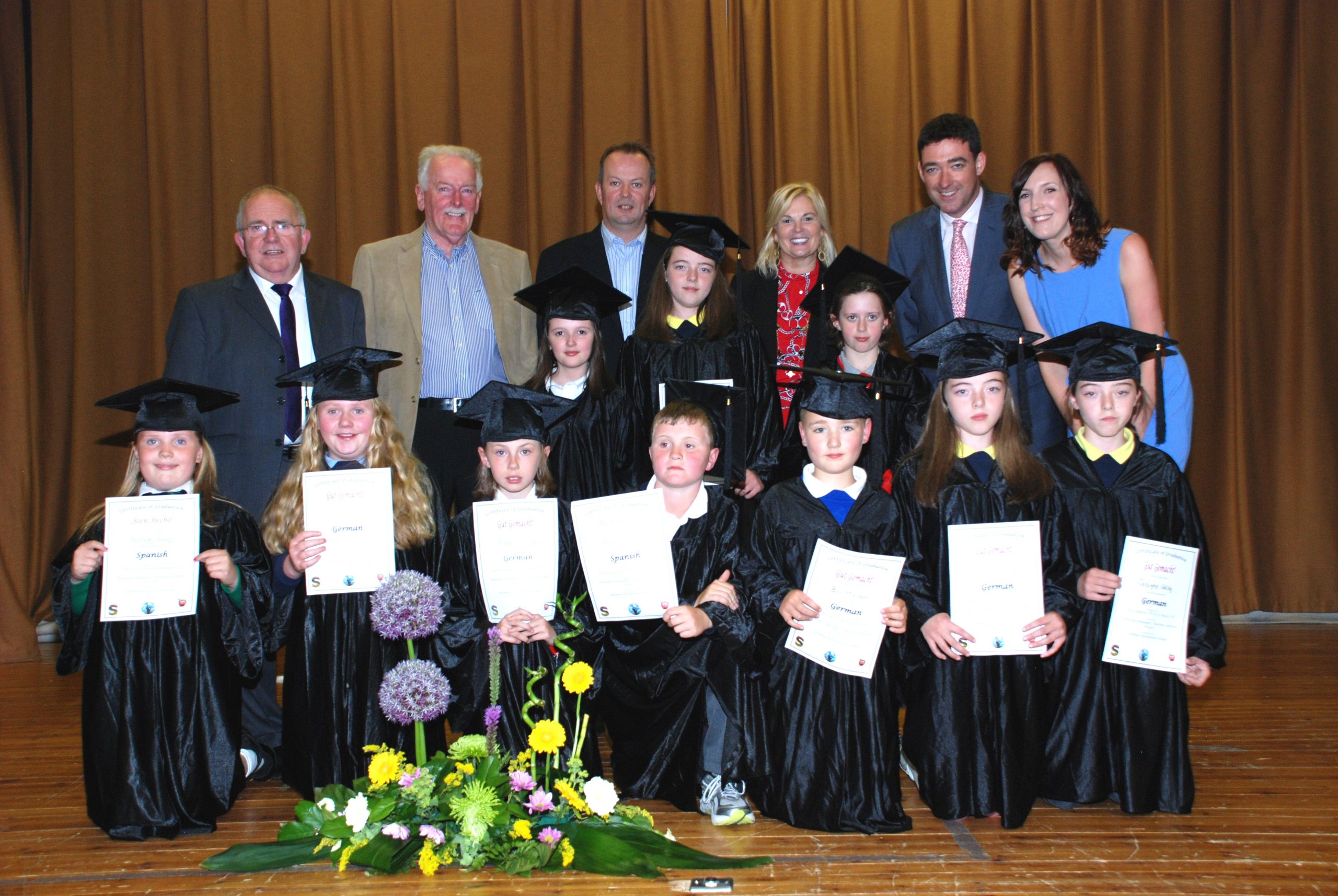
The effects of the programme were exciting from the very start, with the primary staff members remarking variously that they had never stepped into a school either with a crucifix or with a union flag on display. Evaluations were carried out each year with the children. One wee boy, when asked at the start of the programme how he felt about meeting Protestant children replied, “I’m scared I might faint!”.
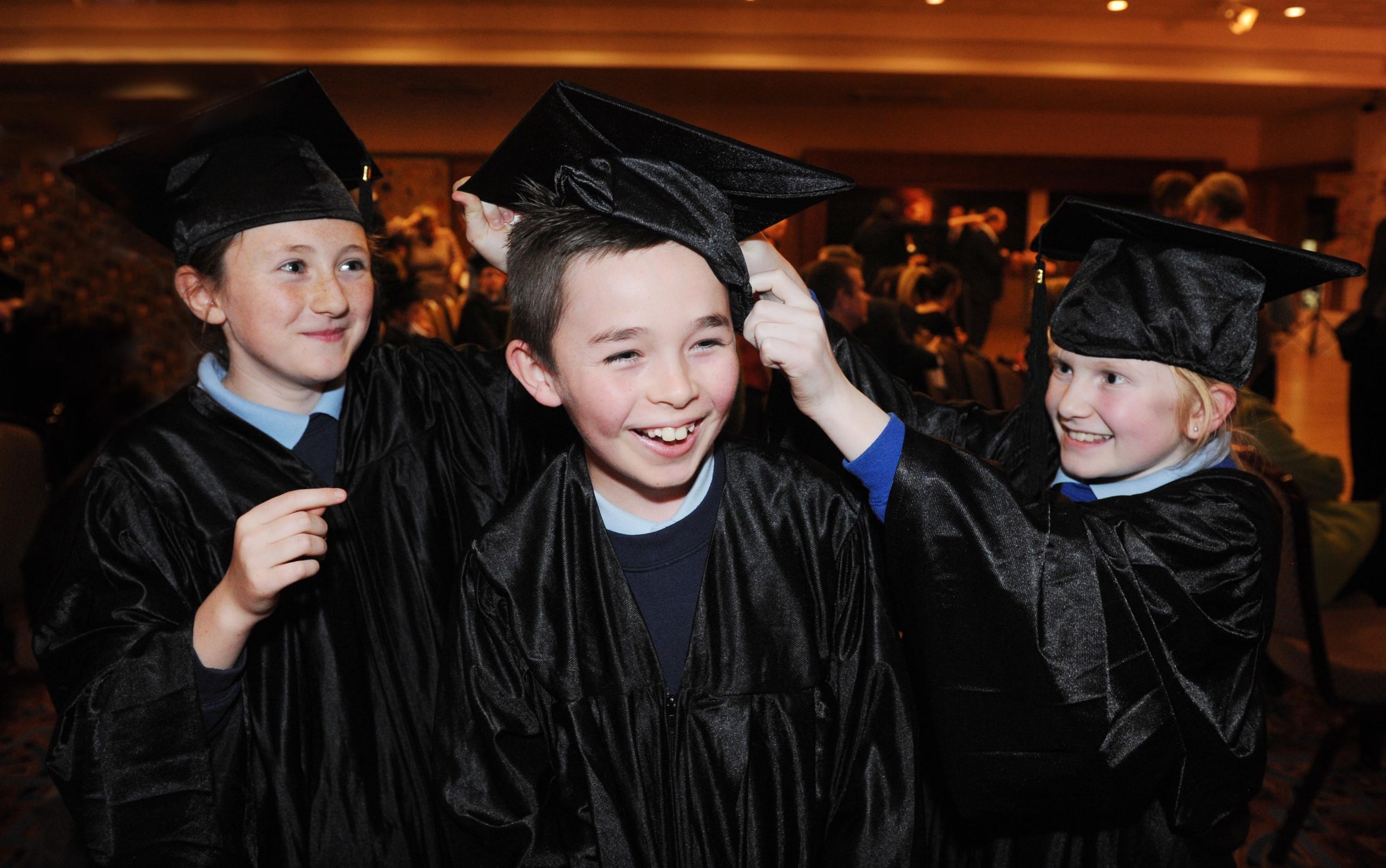
Without exception, the evaluations in each year were very positive in terms of both language learning and interaction. Increasingly, as the programme progressed, the partner schools began collaborating in other projects and capitalising on the fact that they were near neighbours. Of course there was opposition at first, with protest fliers under the windscreens in Kilkeel, but there was no doubt at those graduation ceremonies that real Integration was taking place and making a joyful difference.
Our experience of Specialism was excellent. We were able to strengthen our language teaching, offer support across all our subject departments and benefit from the mutual learning when all the Specialist Schools had the opportunity to meet up.
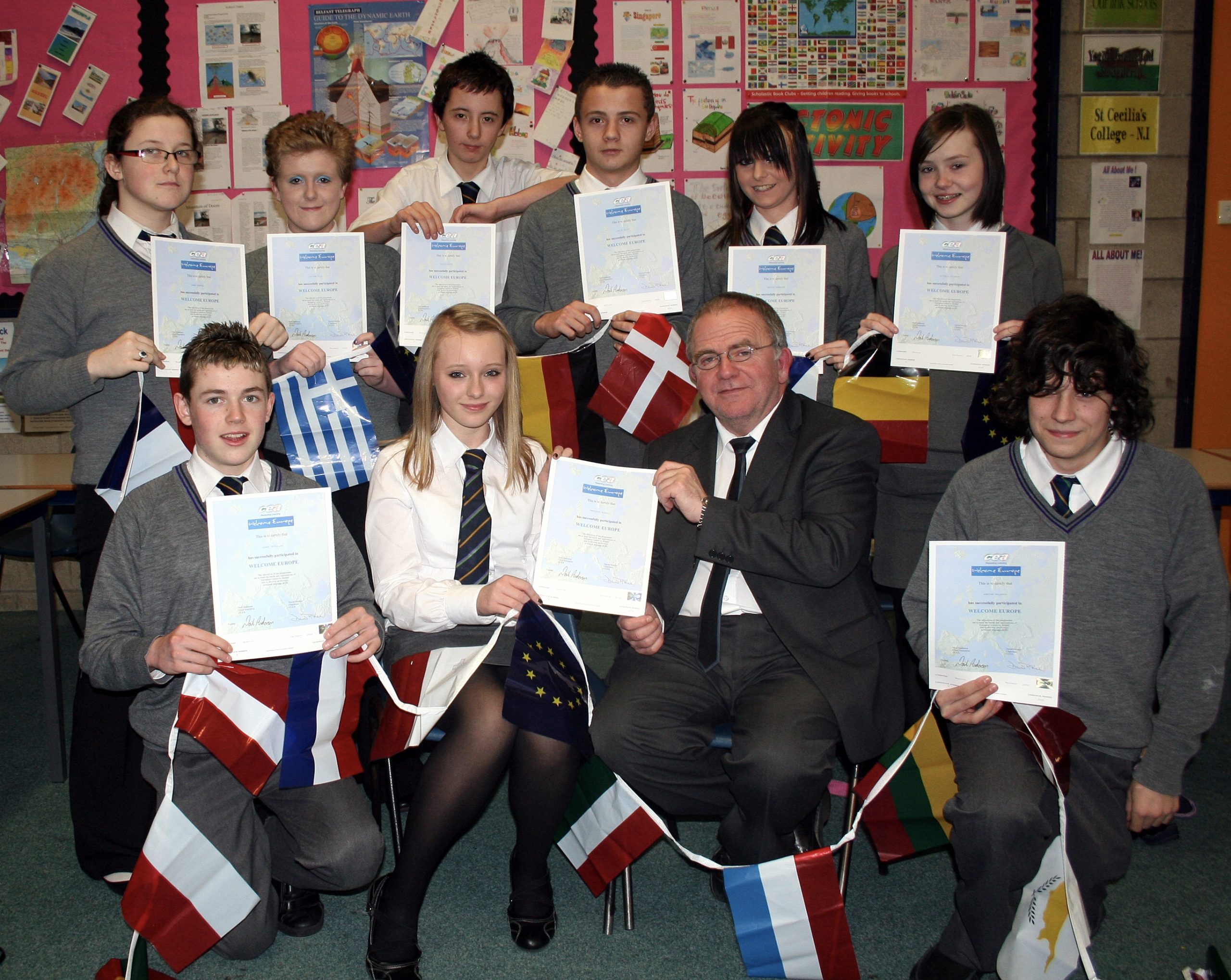
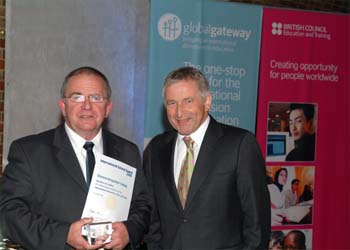
We won accolades, becoming the first Northern Ireland school to win a TES national award, in our case for Outstanding Community Partnership, and both Grace Susay and Ian McMillan won teacher of the year awards. We achieved the International School Award over three successive cycles. But the most valuable aspect of the project was definitely our opportunity to share the ethos of Integration with our partner primary schools.
So many people contributed to the success of our Specialist School status: Ellen McVea’s original idea and overall planning; Kevin Lambe’s enthusiasm and leadership; the inspirational teaching of Grace Susay, our Specialist Schools coordinator and her commitment to language learning for all;
Pat Lenny and Joanne Anderson who put themselves up first for improvement; the organisational work of Jana Jennings from Ukraine, our first project manager; the development work of our second project manager, Clare Murphy;
the also inspirational teaching of Ian McMillan who initiated and led our work in the partner primary schools; the further inspirational teaching and management skills of Laura O’Hare who took over both the teaching and management role as funding narrowed, and of Kelly McVeigh and Cristelle Bernard, who taught in the final two years.
Funding came from the original Department of Education Specialist Schools programme, joined by Atlantic Philanthropies funding in the second year and sustained for additional years through the support of local philanthropist Gerard O’Hare and the Integrated Education Fund. And of course the commitment and contribution of students, staff, parents and governors in Shimna and in all our partner primary schools was what made this programme such a worthwhile investment.
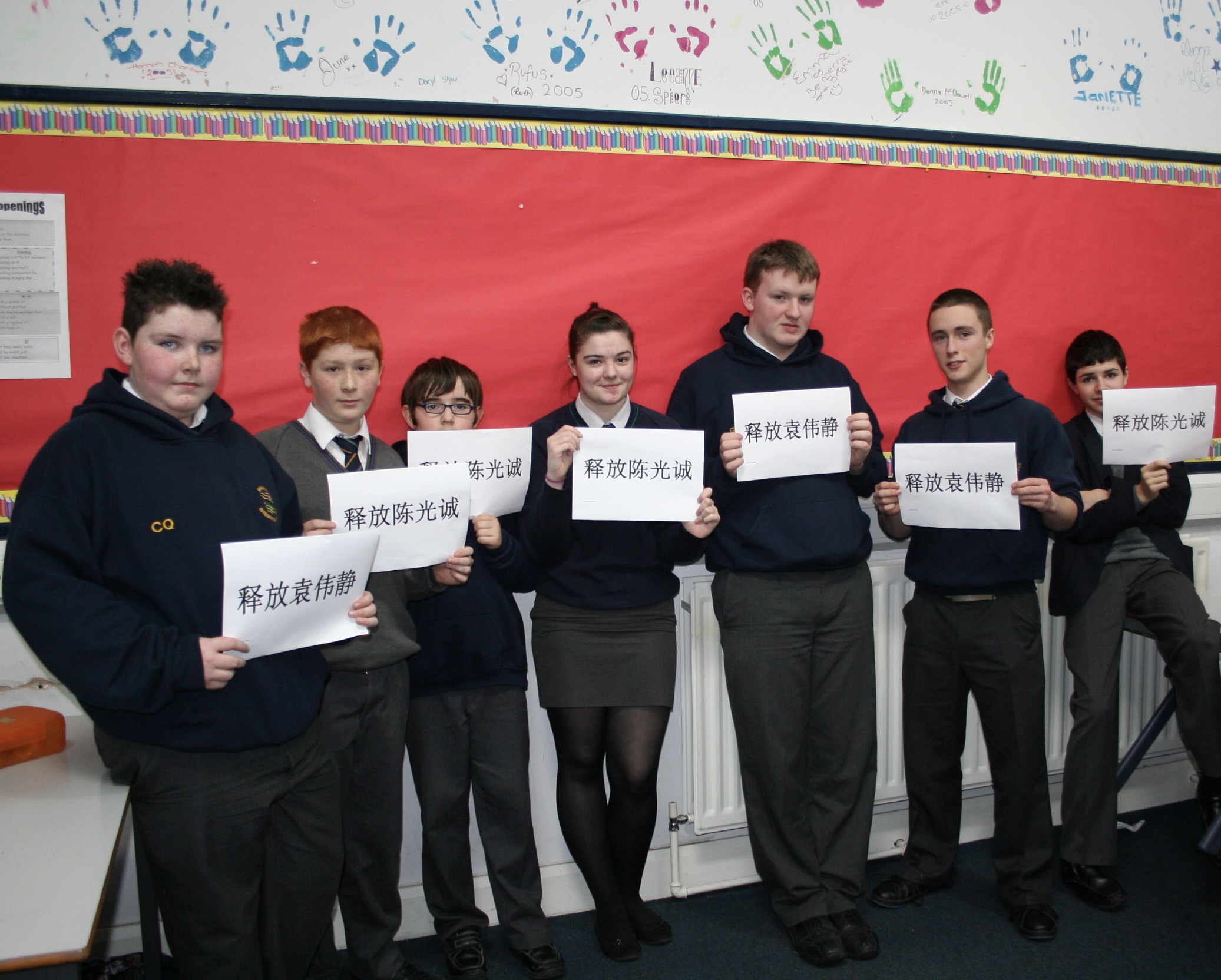
Evidence of the contribution of languages to the life of the school included: the strength of our languages provision at GCSE and A level, including among students going on to study engineering, medicine etc,; the contribution of students and staff of their home language, for example Christine Ozdemir and her sons Sait Can and Kamal from Turkey; student inspiration to study a language from their family heritage, for example V’Cenza and Piera Cirefice studying Italian through our Open University partnership; work with local native speakers in providing German immersion days at Greenhill YMCA;
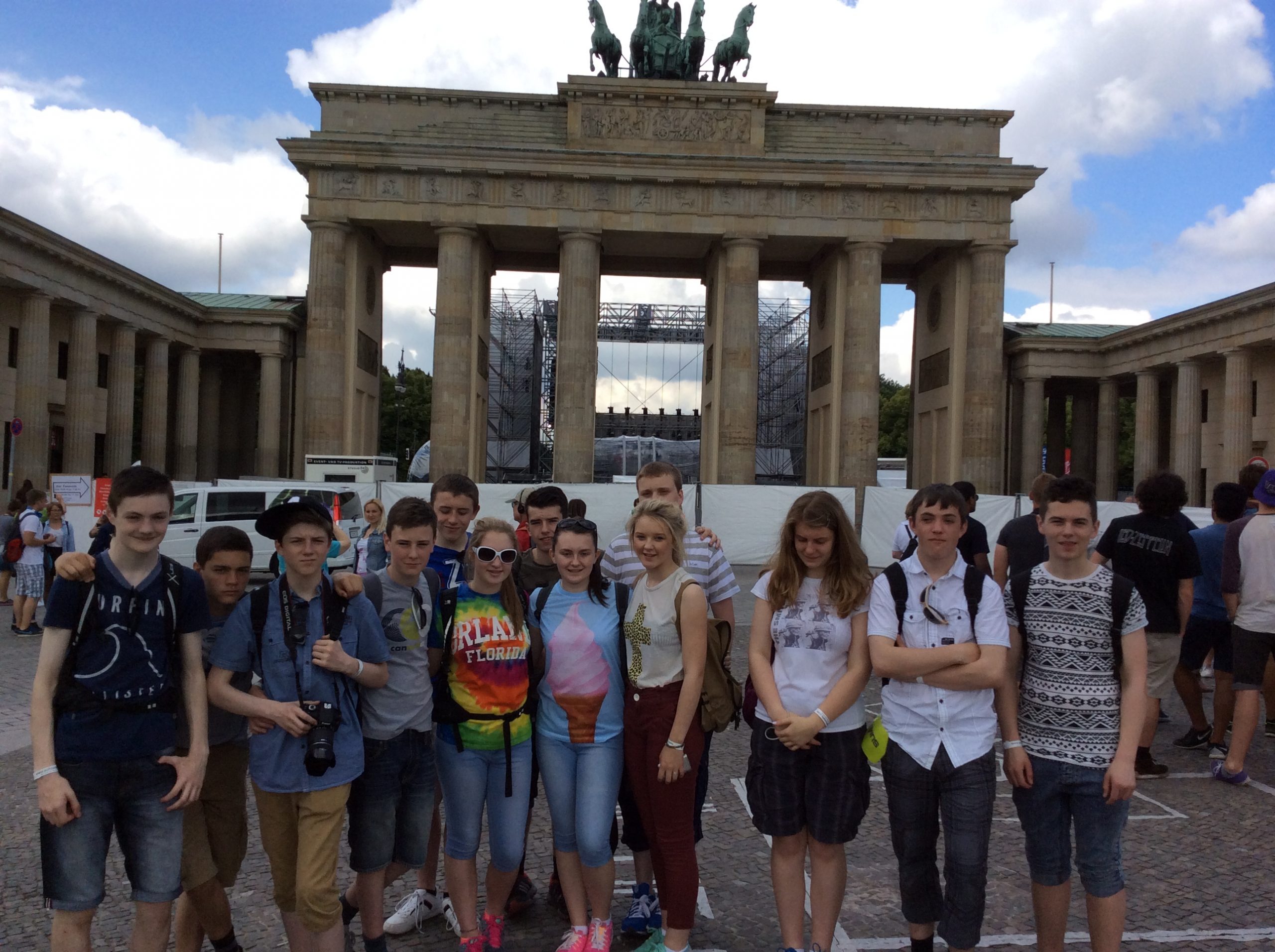
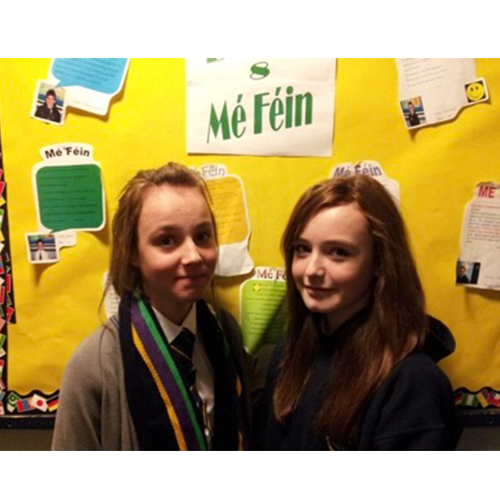
Language of the Month, which encouraged our students with an additional language, or for whom English was an additional language, to display and present about their language and culture; European work experience in France, Germany and Spain; our maths department success in Mathematiques Sans Frontieres year on year; our science department hosting a Chilean PhD researcher; our succession of students from Steiner schools in Germany spending a term or a year with us; the return of Nina, one of those students, for her Masters degree placement. It really is impossible to fully quantify the benefits of our Specialism.
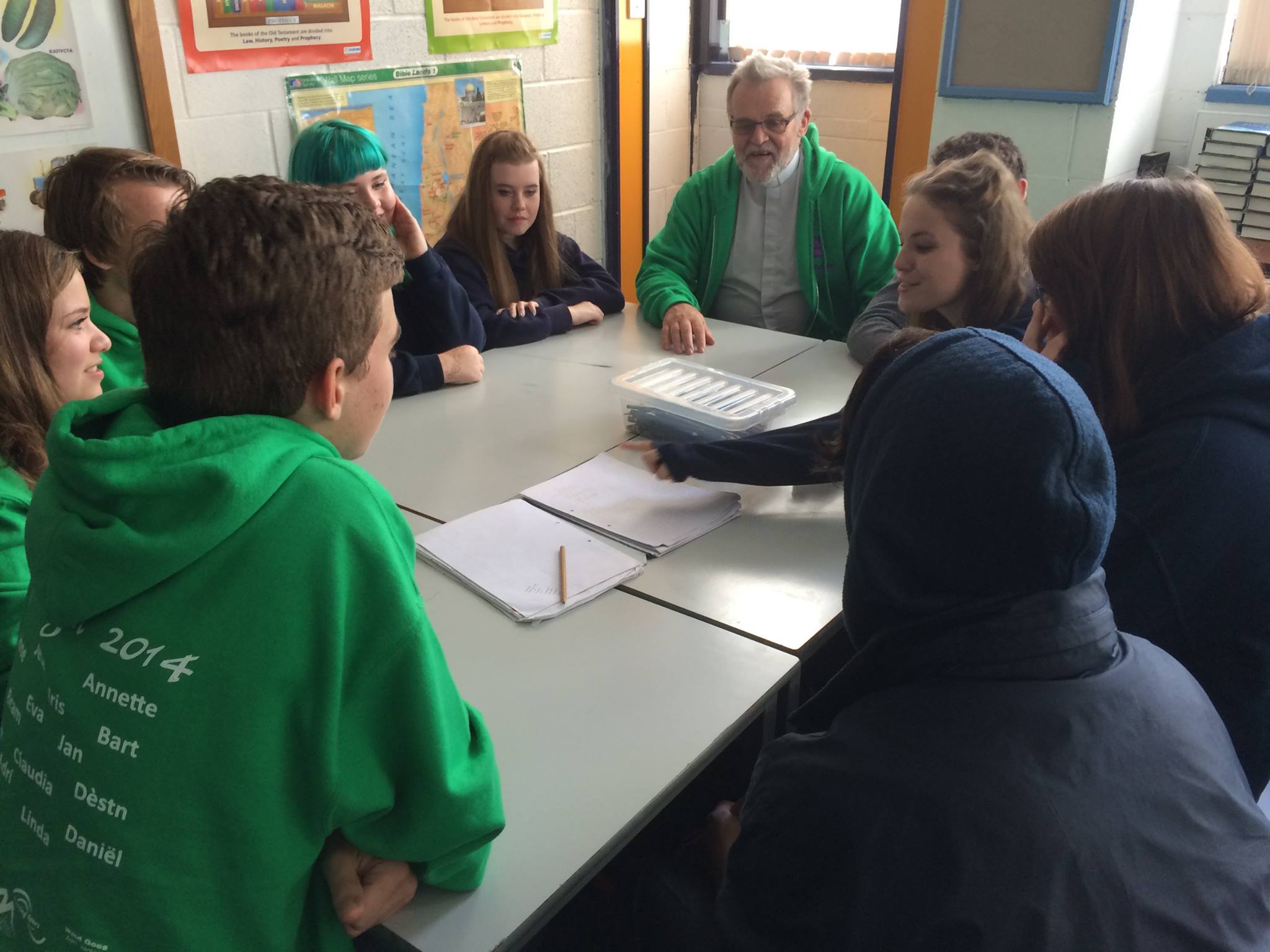
One benefit, which emerged through our continuing commitment to languages and the international dimension long after the Specialist programme ended, has been an openness to other cultures and languages which welcomed students from EU accession countries such as Latvia, Poland and Lithuania.
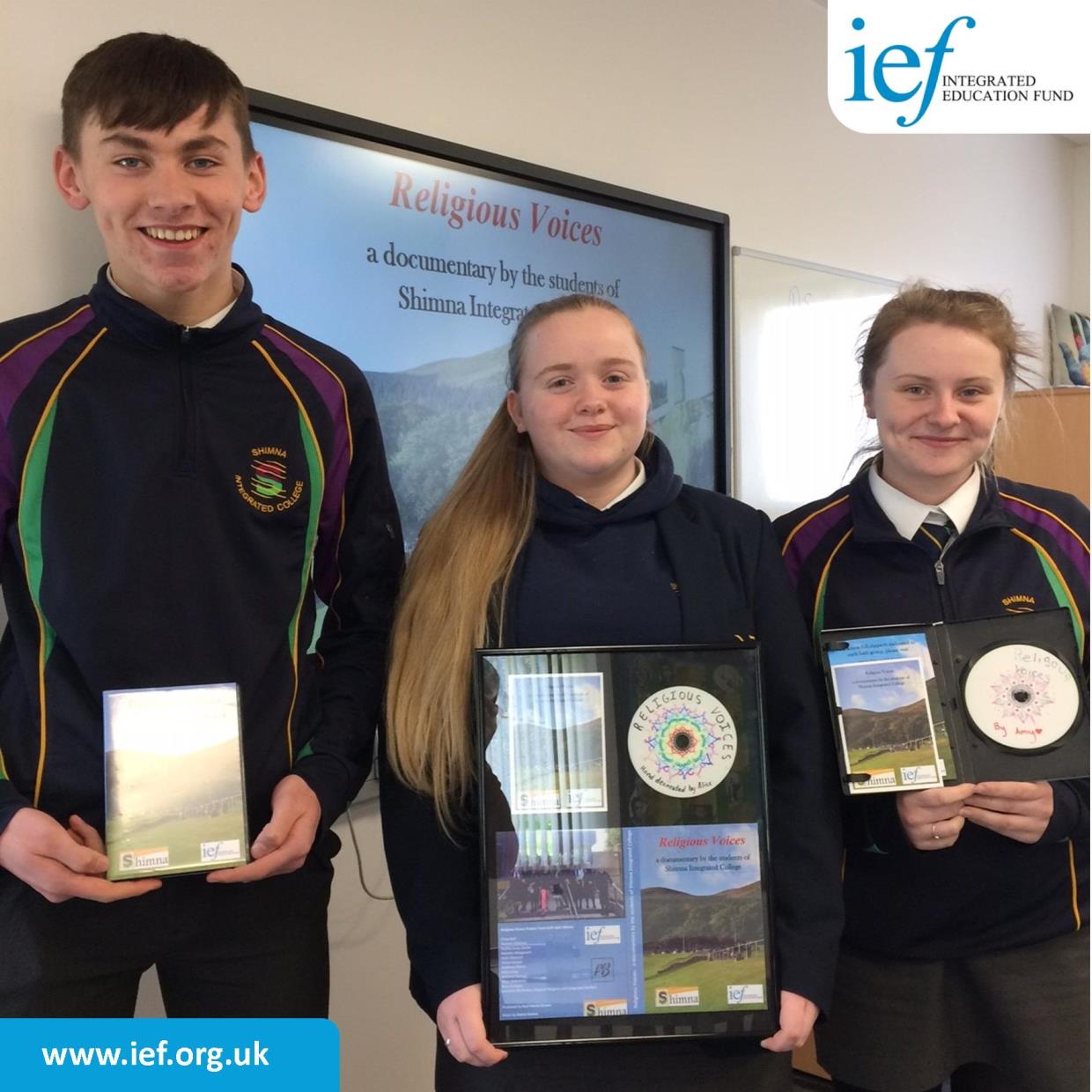
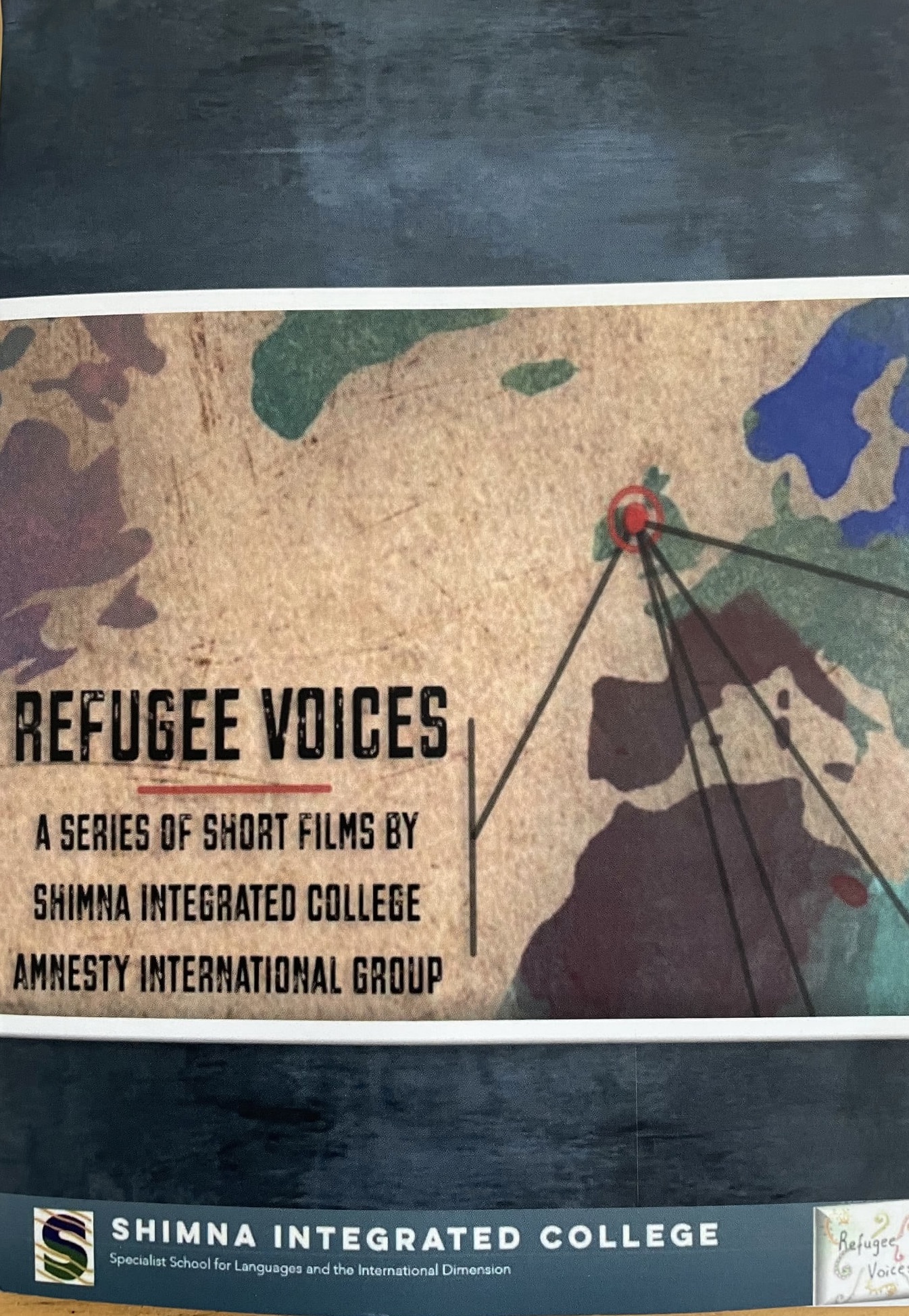
Later still, when the pressures of war brought refugees and asylum seekers to Northern Ireland, our Amnesty group led our effort to support and welcome them. Our Integrated and Religious Studies department students pro-actively sought out members of minority faiths in Northern Ireland to create a video showcase celebrating the full range of faiths and beliefs.