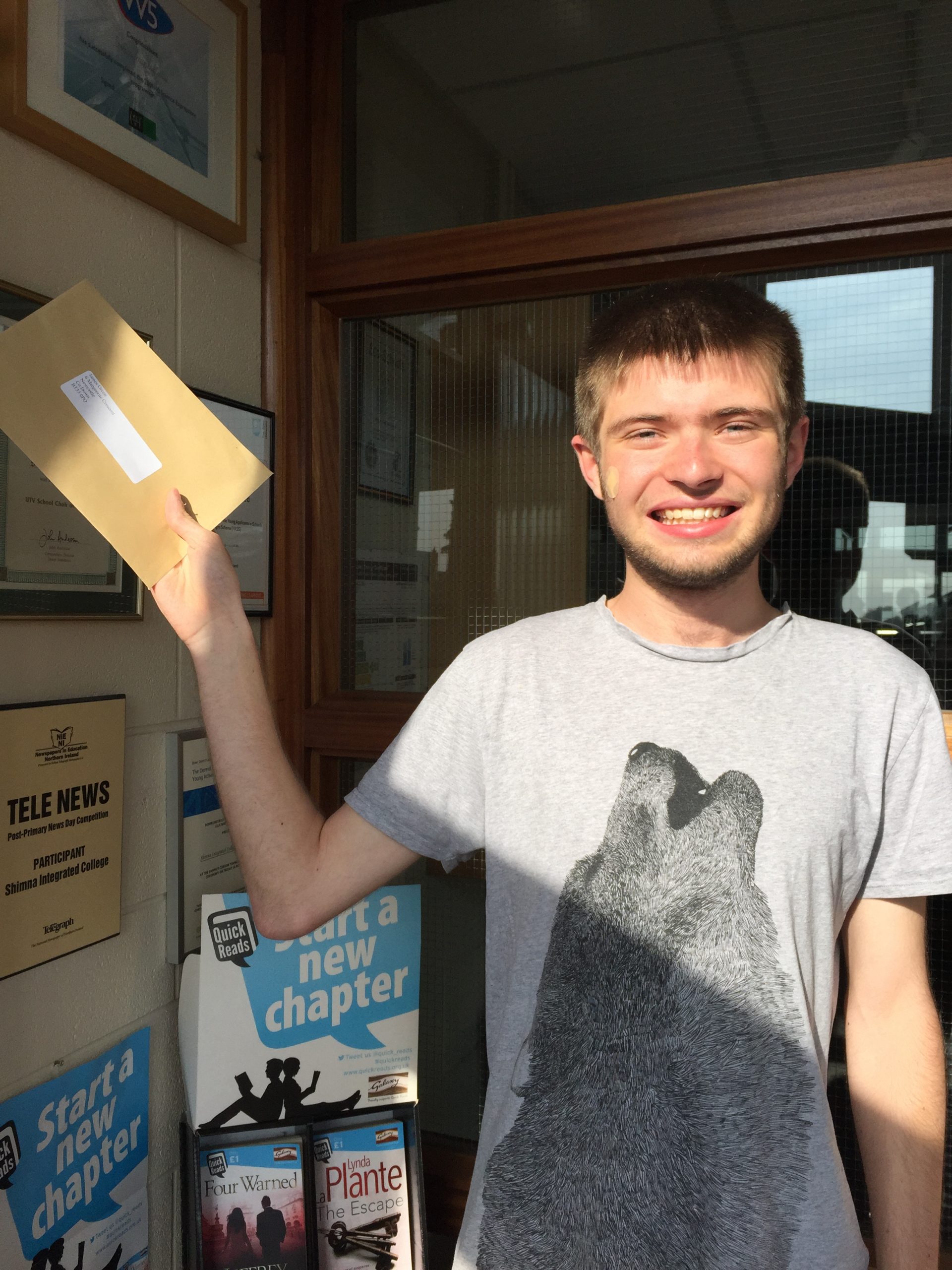
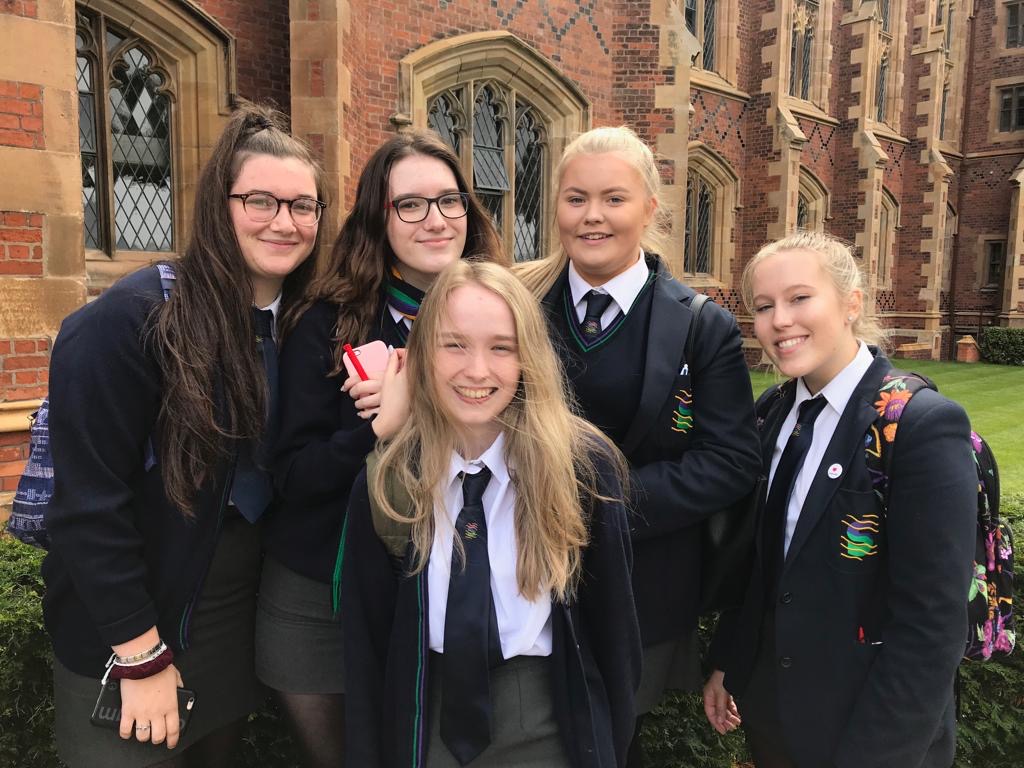
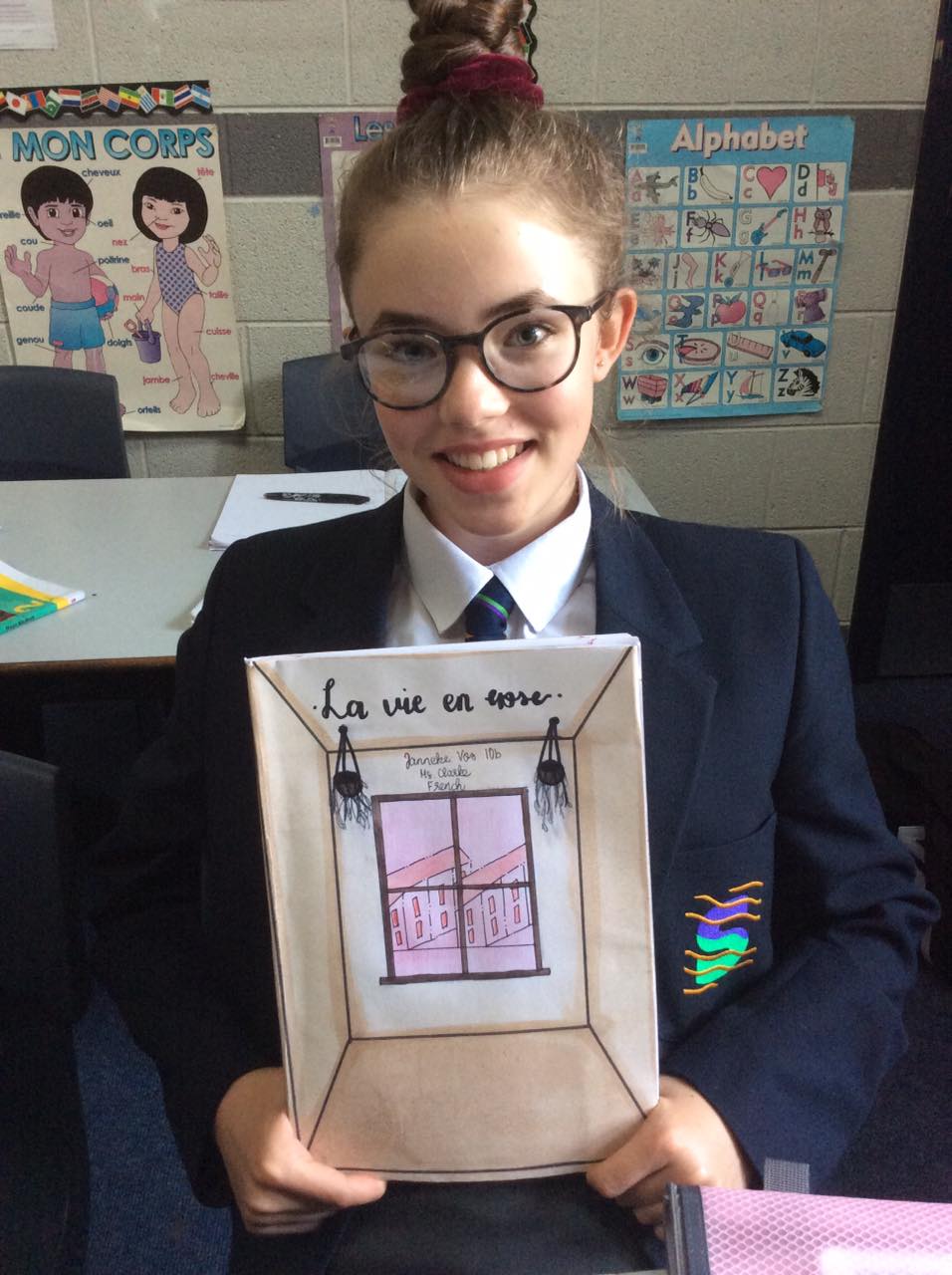
Key to academic excellence in a small, all-ability, proudly non-selective school was careful curriculum planning from the outset by Ellen McVea. We began with the vision of the founding parents, cross-checking with the Northern Ireland statutory curriculum and building on the advice of Aidan Hamill of NICEC to provide only that in which we could provide students with an excellent experience. This meant maximising the strengths of our founding staff - languages, English, maths, science, art, history, geography - then planning our second cohort of staff intake to provide specialist RE, technology, media education, PE.
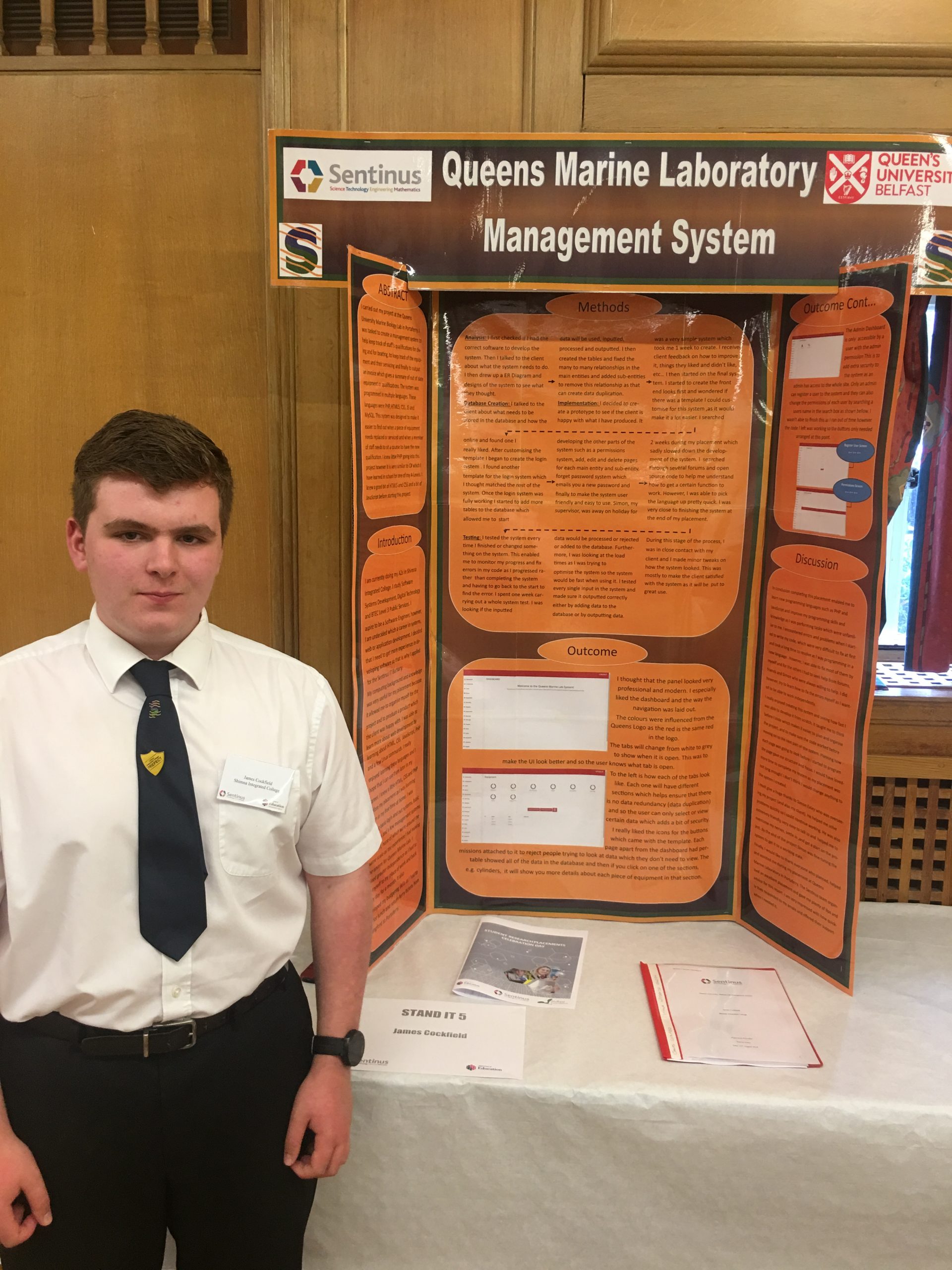
Building on the inspirational all-ability language teaching of Kevin Lambe and Grace Susay in particular, we learnt to trust our own belief in our students, and in all-ability teaching in every subject. We resorted to setting only when students needed to be prepared for specific examination tiers which required differing content. Our whole curriculum offer was open to all our students and our staff were committed to high expectations and providing the challenge and support required to make good on those high expectations. As our students grew up towards GCSE and A level, we maintained this commitment to all-ability provision and as new initiatives and developments in the statutory curriculum advanced, we maintained our focus on a strong academic education for all our students, along with vocational experiences for all.
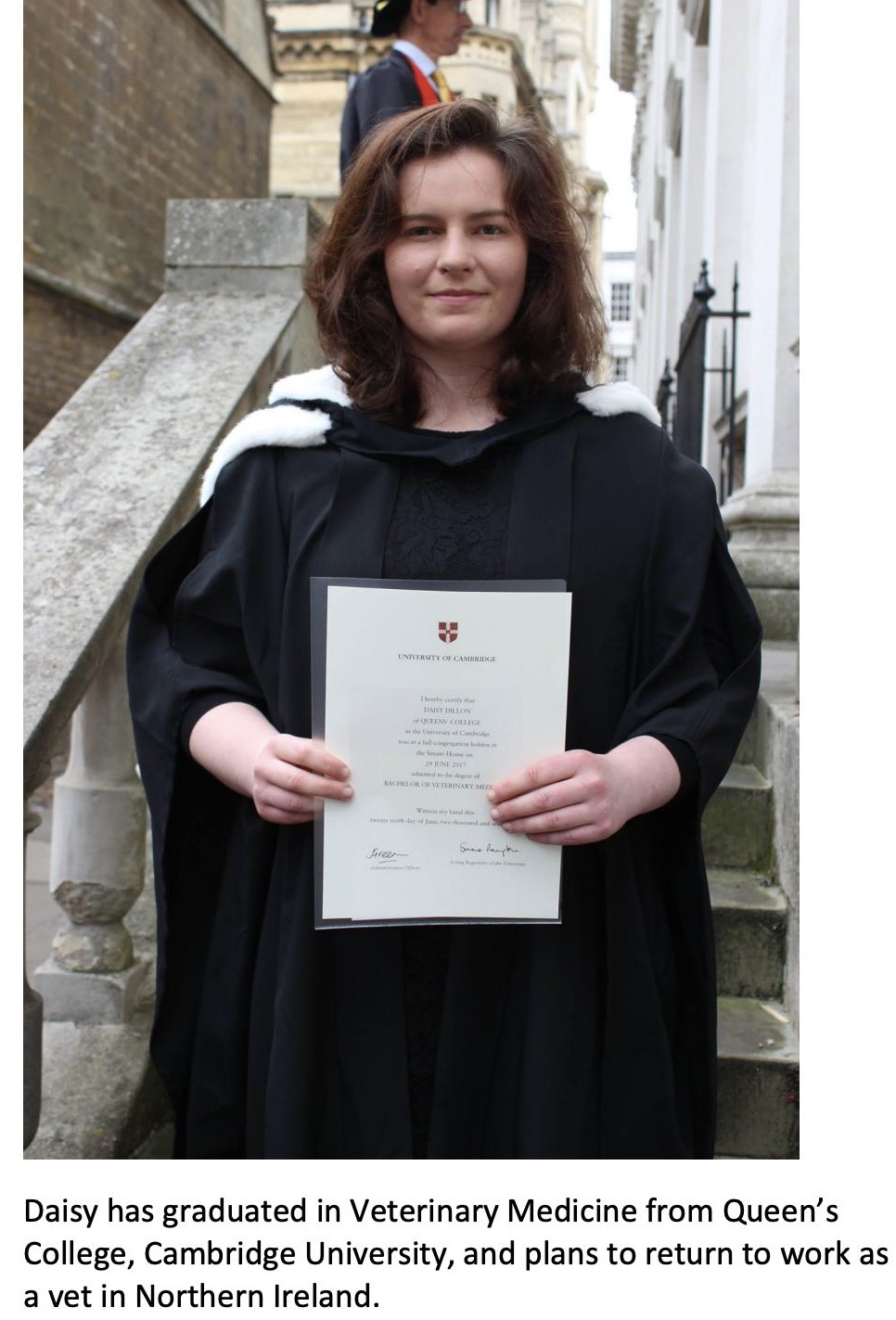
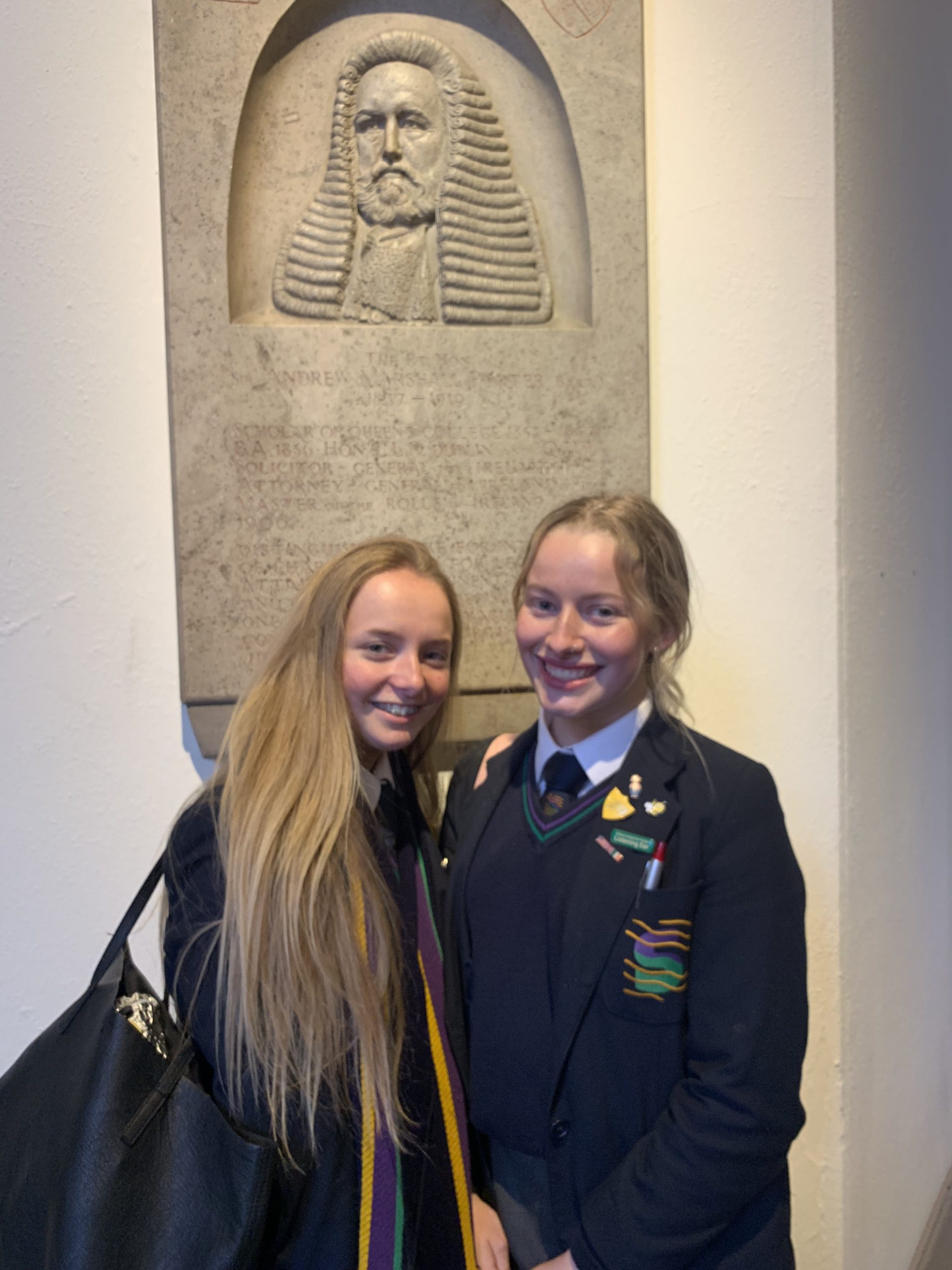
Over the years, we have tuned into every scheme which could support all our students in aiming high, seeking particular support for students from non-traditional backgrounds for academic success and also exploring all the different kinds of success. 6th Form careers advisor Alicia Rooney played a central, inspirational role in this. In our very first year of 6th form, she and head of 6th form Pat Lenny, flew our whole 6th form over to Liverpool for a day hosted at Hope University. Alicia made immediate links and contacts at Queen’s and Ulster Universities, and built up her experience liaising with universities and colleges elsewhere across the UK and Ireland. Oxford and Cambridge present particular challenges to applicants, operating quite different systems from other universities. Along with governor Isobel Jones, Alicia organised a trip to Oxford University, making contacts which resulted in Tanya graduating in French as our first Oxbridge graduate, followed over the years by many others across a wide range of degree subjects, both graduate and post graduate.
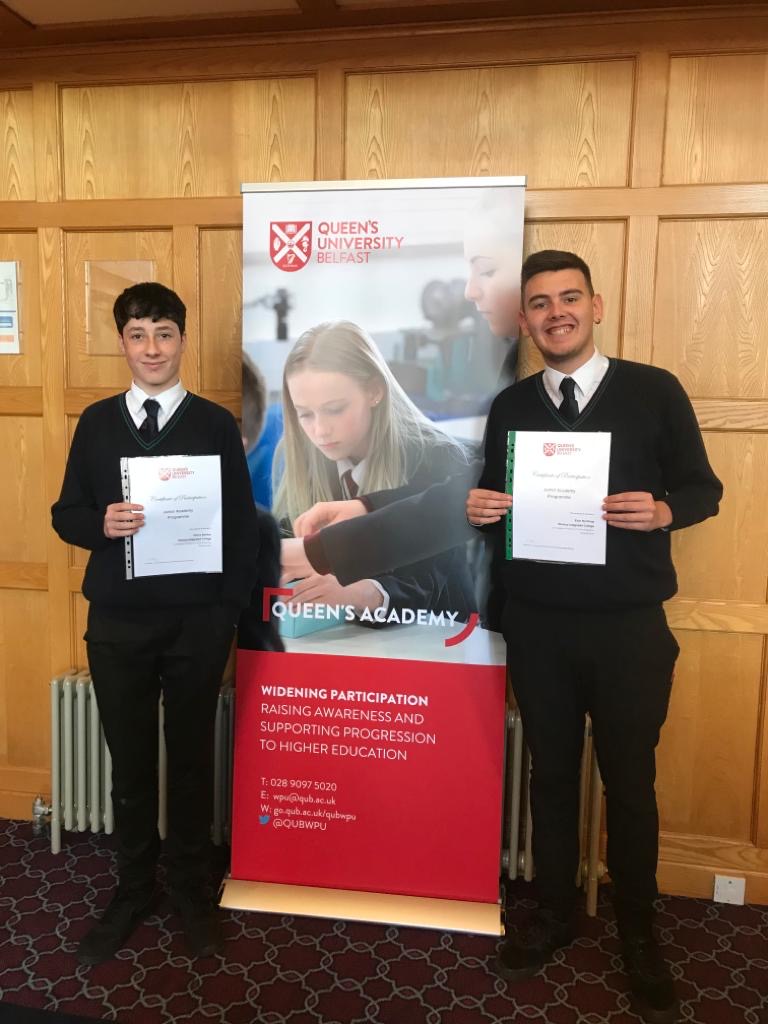
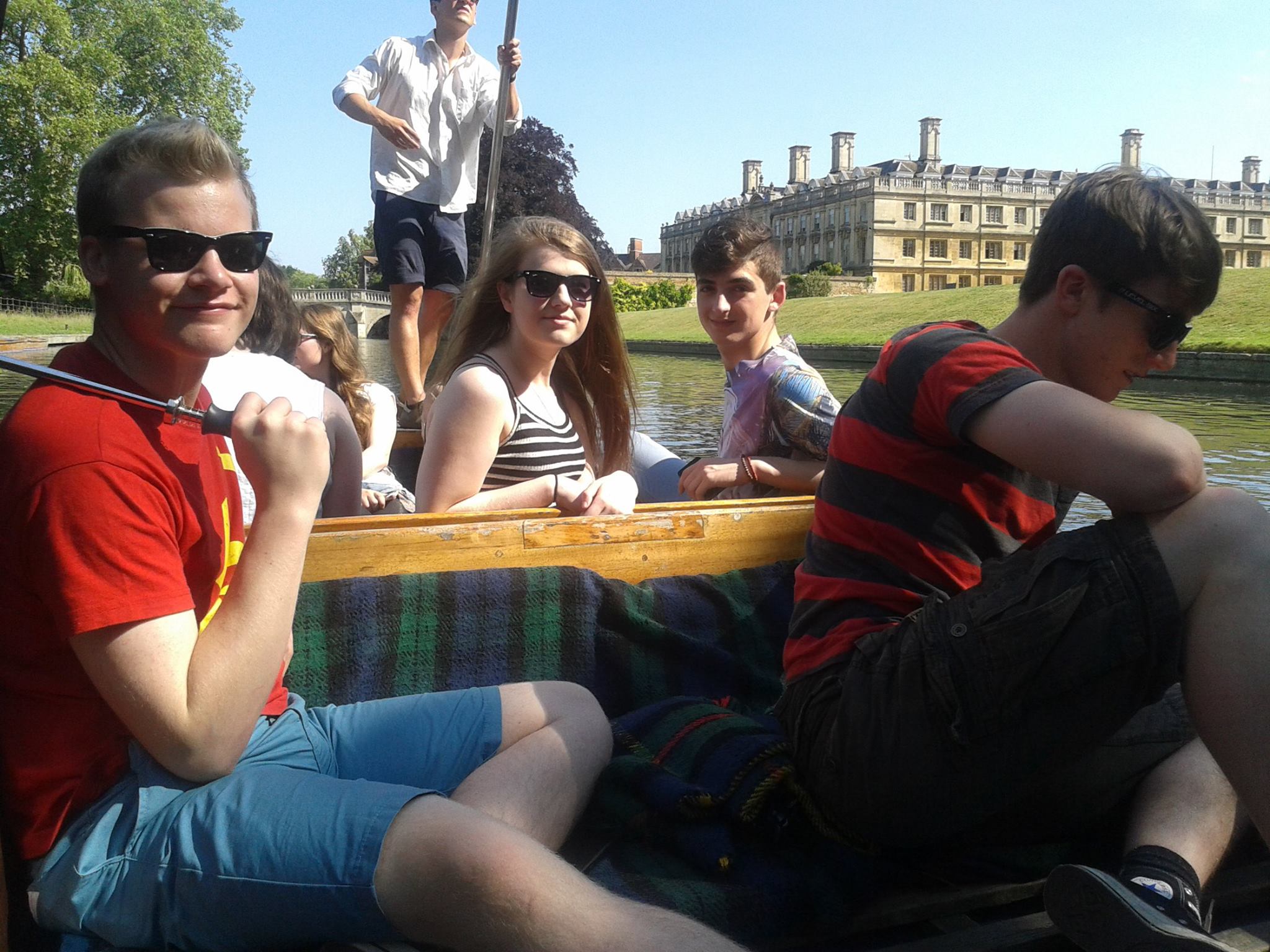
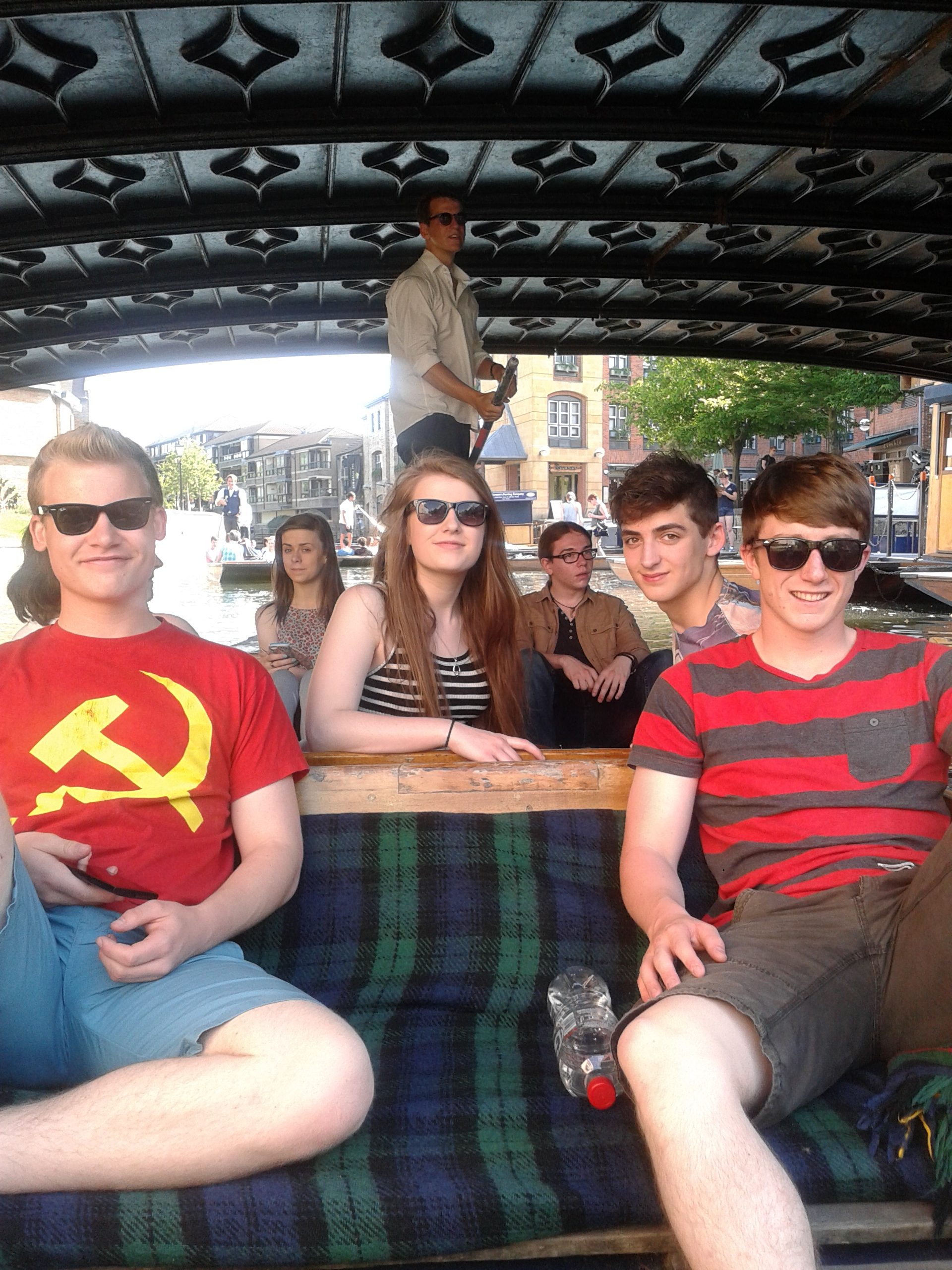
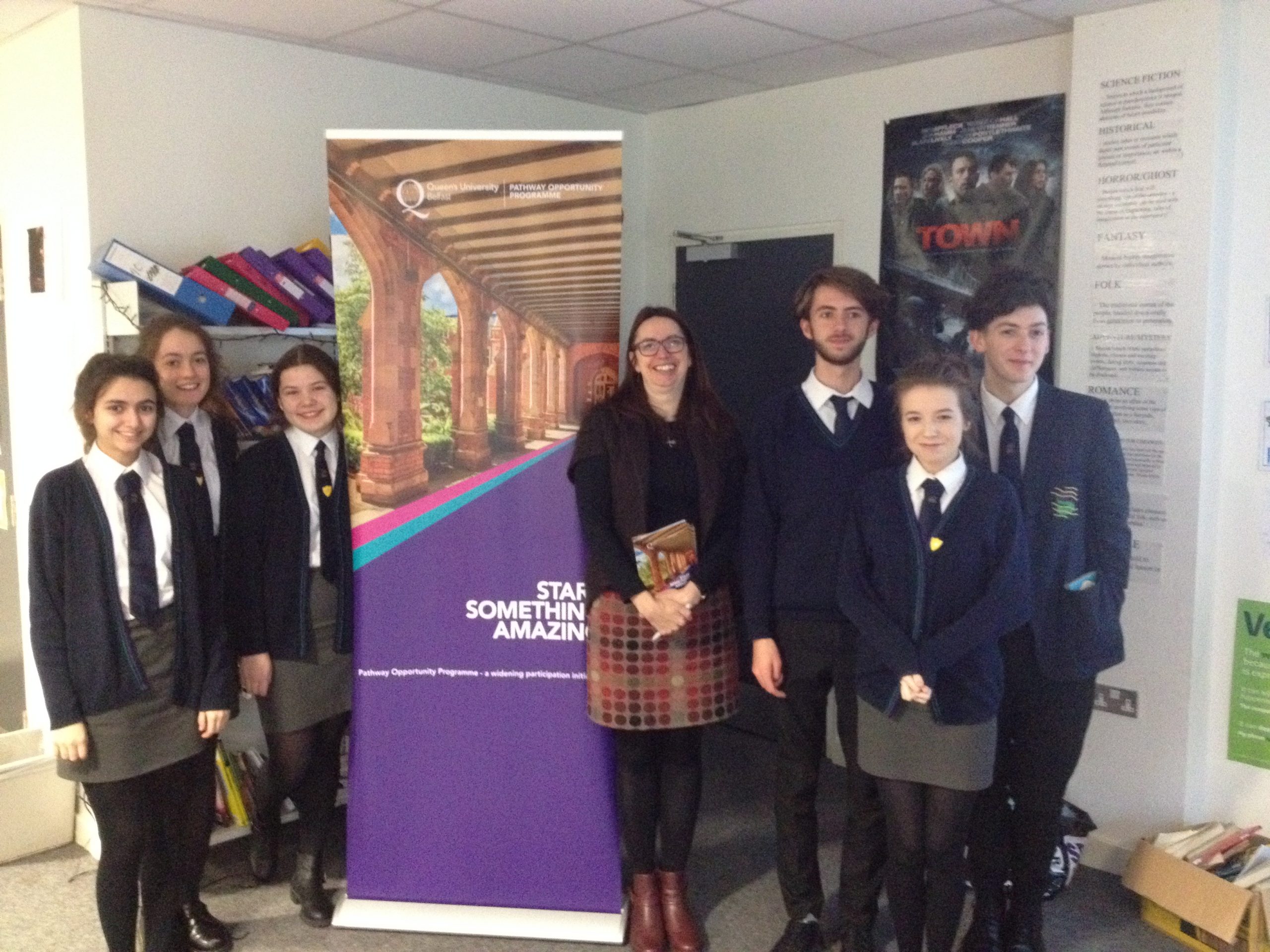
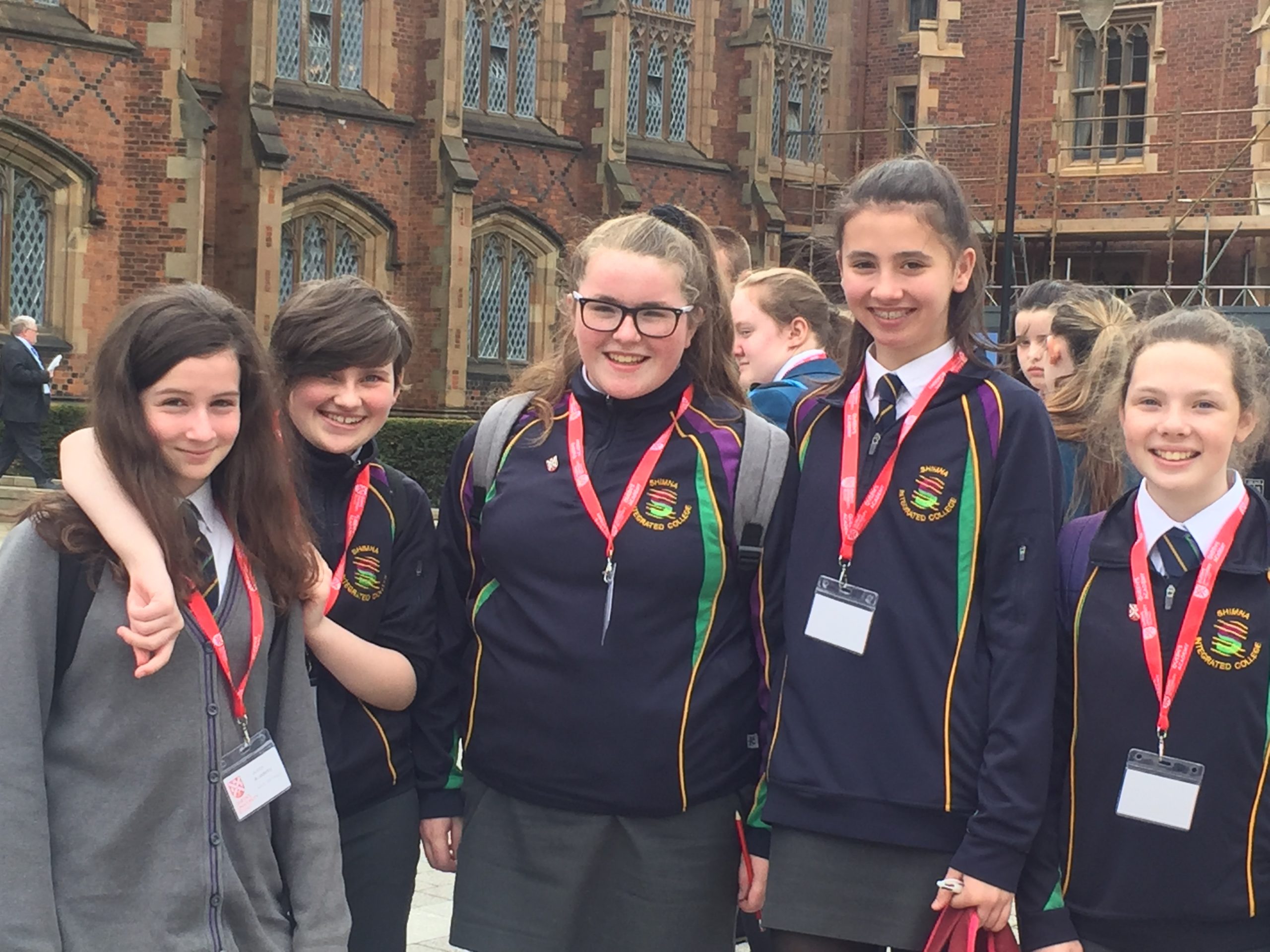
Kevin negotiated our place on the Queen’s University Academy programmes, Junior, Senior and Sports academies. Alicia led recruitment to the programmes, and travelled to Queens with generations of our students who benefited, right from year 8 through to year 14, from regular experiences at QUB across academic faculties, and from specialist tuition and additional careers advice. Alicia also promoted the Queen’s Pathways scheme, offering sixth form students the opportunity to prove themselves in academic project work, which could offer them credit towards their application to study at Queen’s. For those keen to venture farther afield, Ellen promoted opportunities for A level enrichment courses at Villiers Park in Cambridge, and summer schools at Oxford, Cambridge, Liverpool, Nottingham and Manchester universities…
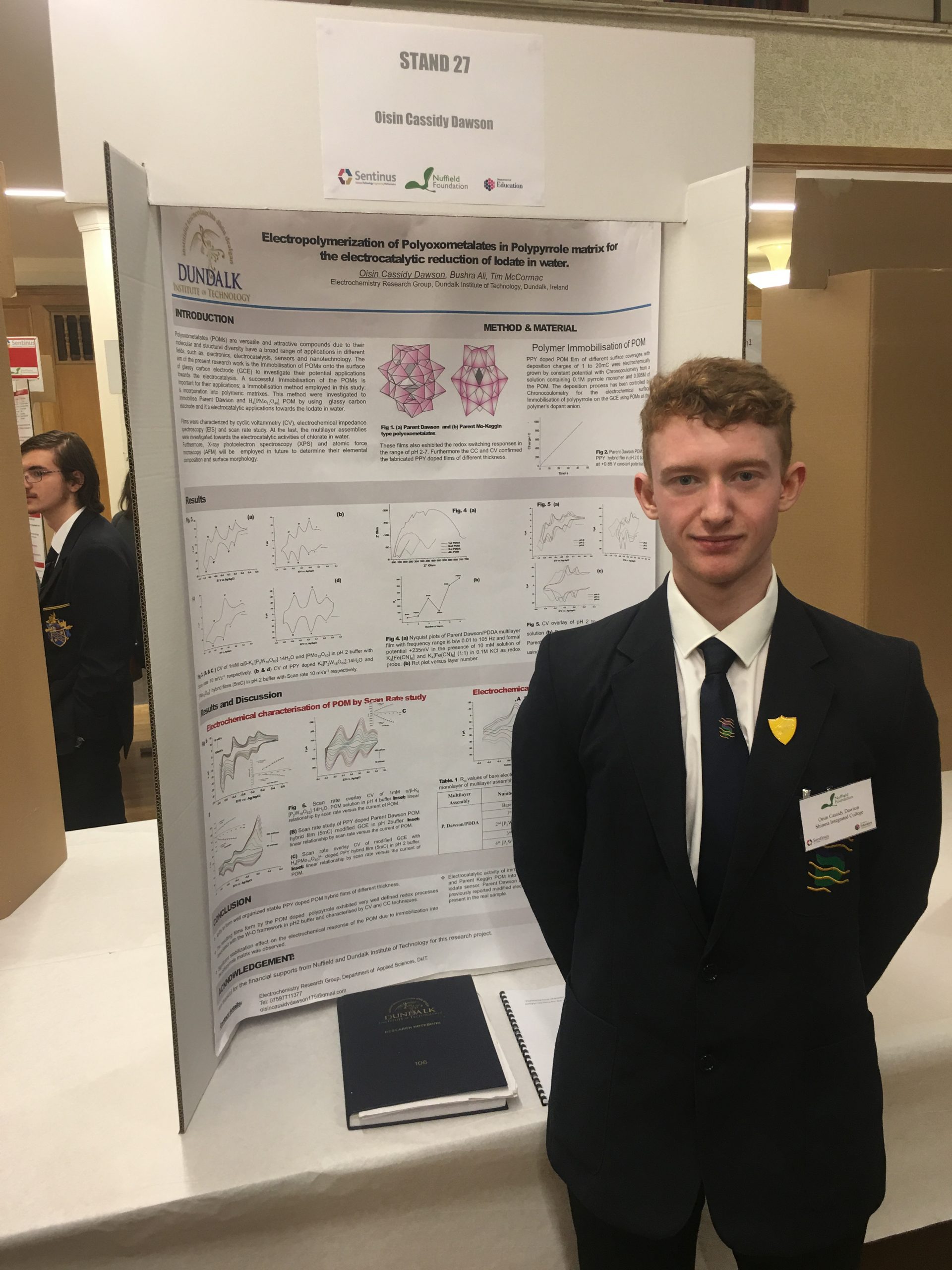
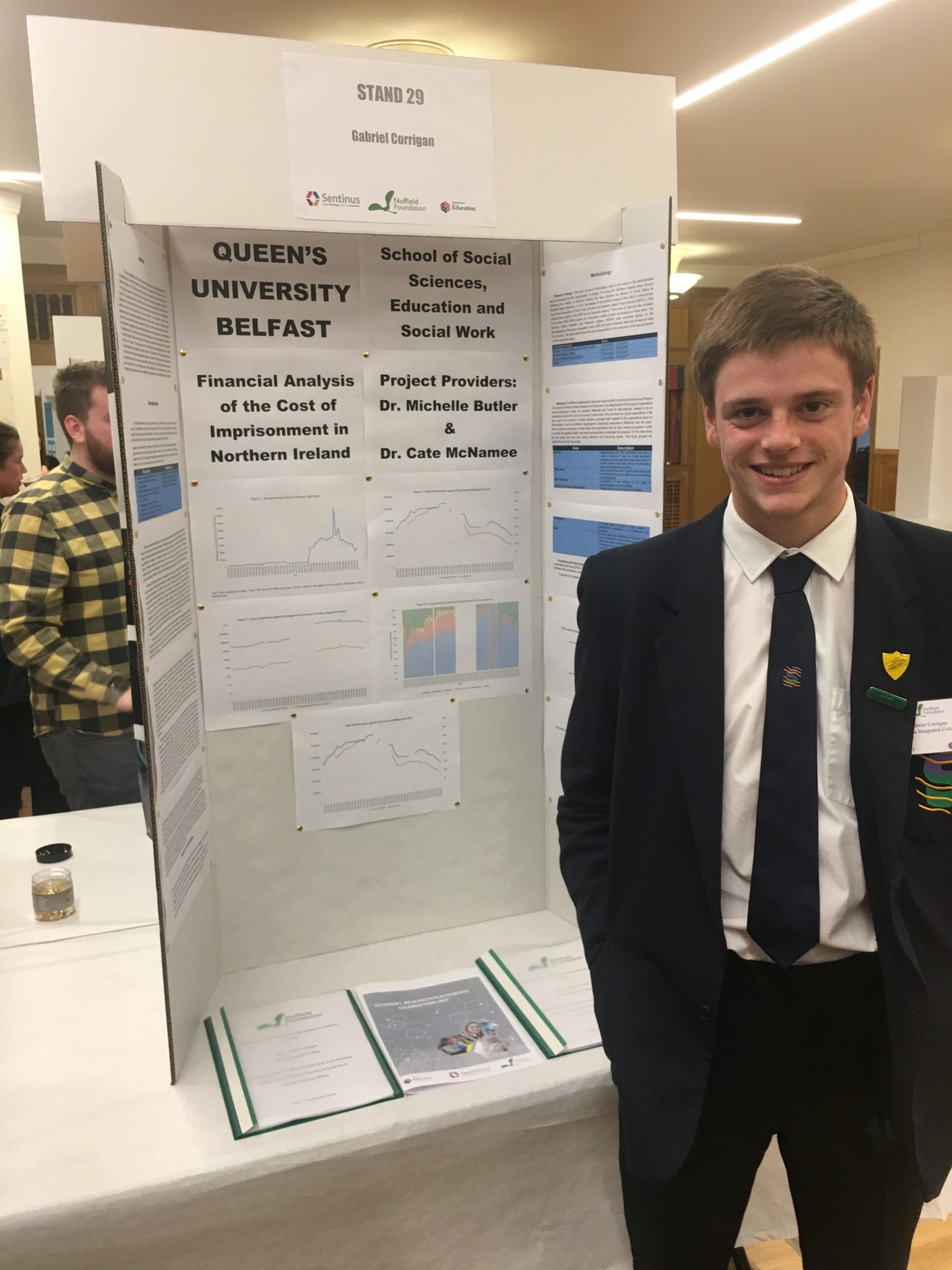
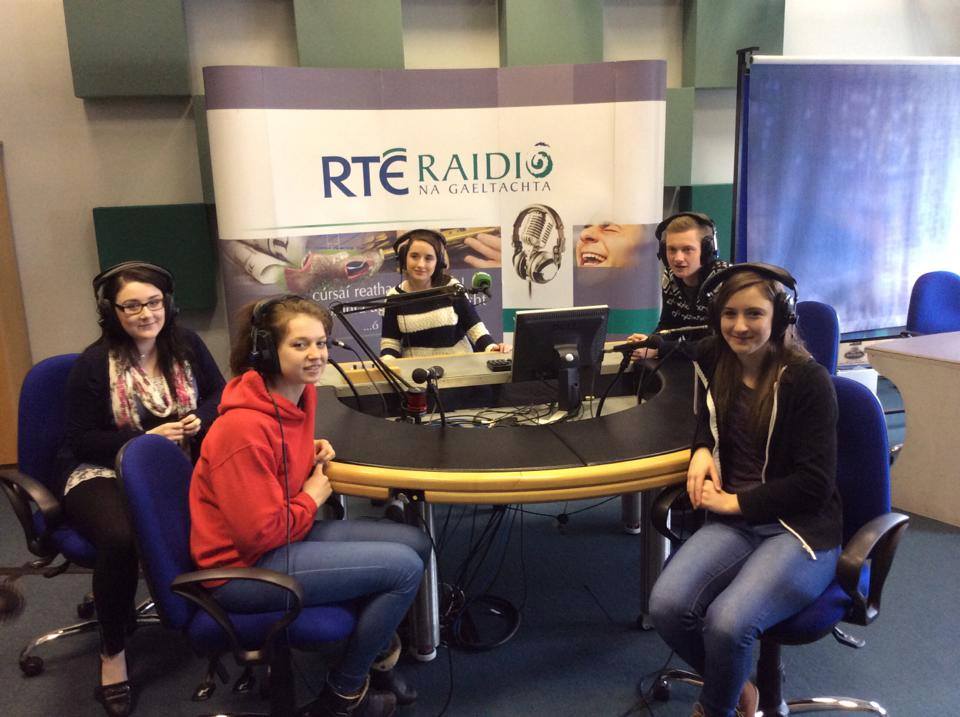
Opportunities to explore specific career opportunities were also inspiring, with students attending British Medical Association taster days, Mock Bar Trial competition, the Attorney General’s Living Law programme, Almac Pharmaceuticals and Norbrook Laboratories work experience, Nuffield Foundation internships in engineering and statistics etc. Opportunities for travel were particularly important to language learners, building relationships with partner schools in France, Germany and Spain and scholarship opportunities to the Donegal Gaeltacht.
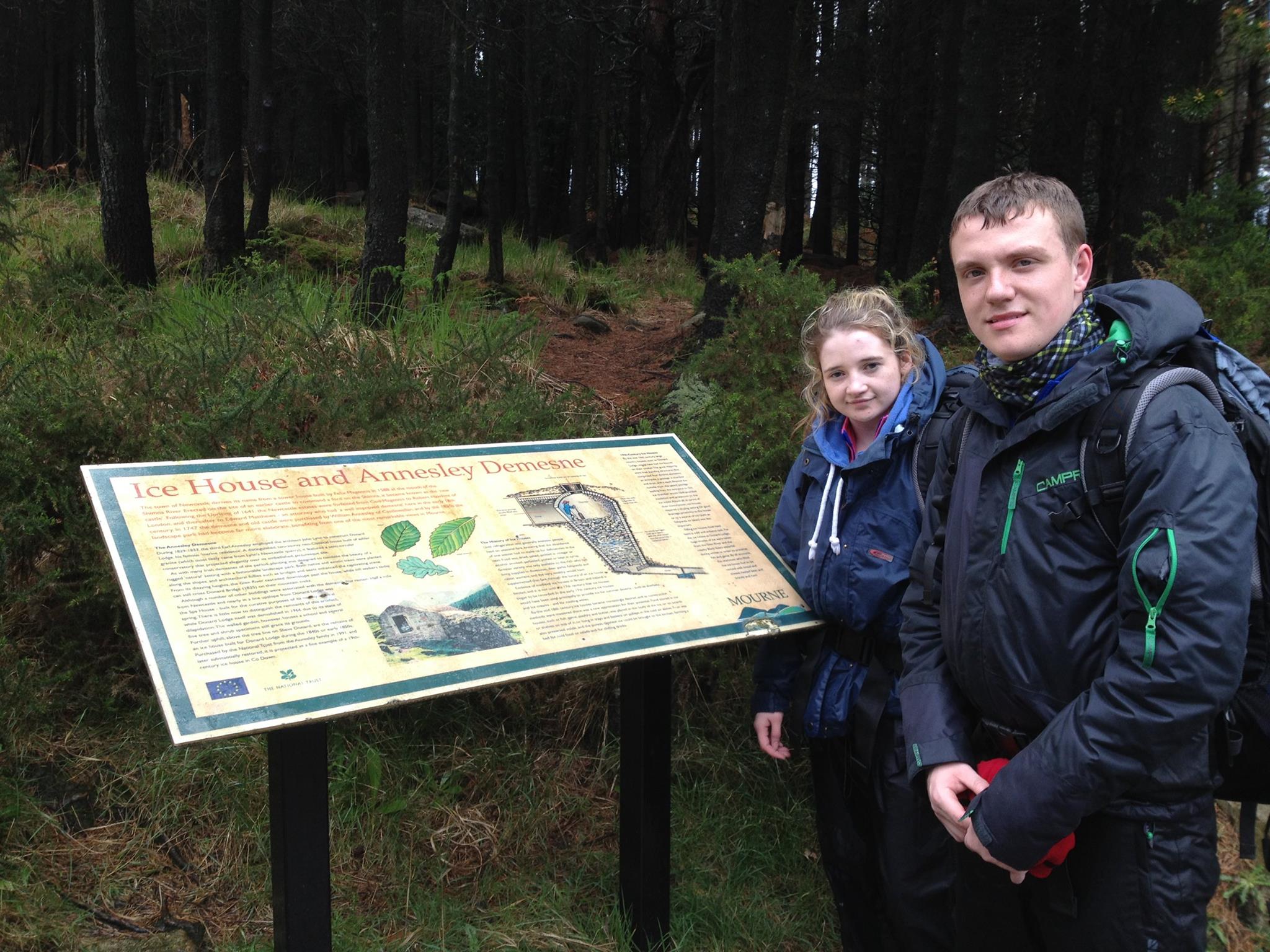
Choices at 16+ are crucial, and most of our students moved forward into 6th form, well qualified and prepared to choose among a strong range of academic and applied subjects. Some of our students applied instead to Further Education courses at SERC, SRC and Belfast Met and in training agencies such as Hugh J. O’Boyle and Rutledge. Some students simply need more time to find their way. A small group of students pioneered our intermediate year by staying on after GCSE to study the Prince’s Trust course in Personal Development and Employability.
At the end of the year, two of the students, Amy and Niall, made a presentation to the board of governors about their experience, highlighting the additional confidence and qualifications they had gained. They did however highlight the fact that they felt that a more challenging course could be appropriate. Ellen McVea researched the diploma course in Level 2 Public Services which was then offered in subsequent intermediate years. The success of the intermediate year was in the outcomes. Each year, half of the students matured, gained additional qualifications to add to their cache of GCSEs, and moved on successfully to A level. Half of the students, also gained confidence and qualifications, but also a clear plan of what they wished to study in Further Education or in employment. The two students who had addressed the board of governors moved on, one to a successful career in Learning Support and one as manager of a very successful local business.
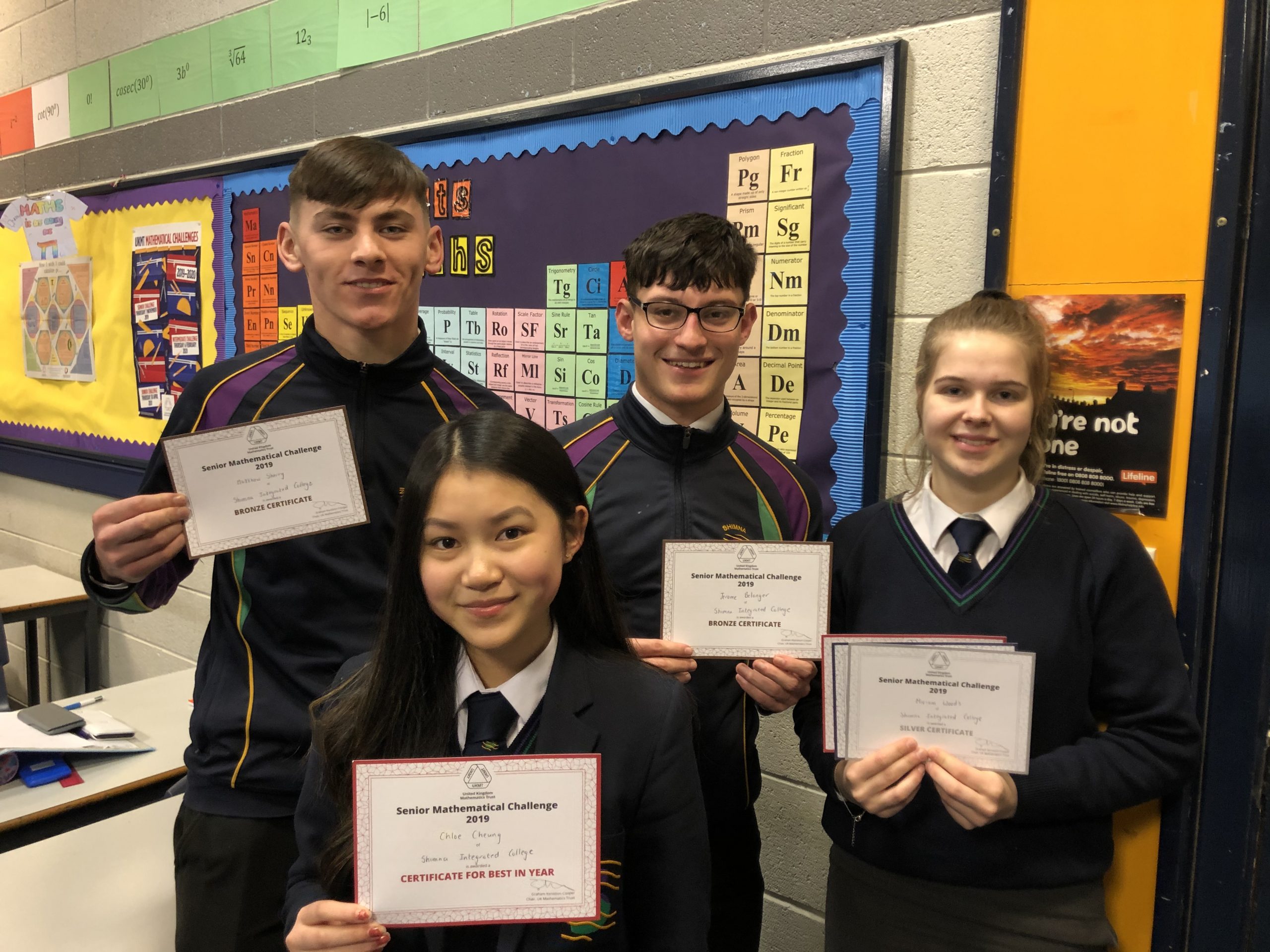
But the success of academic excellence for students of all abilities rests on the foundation of high expectations and a rich and challenging academic curriculum for all our students. We have so many examples of students who found their feet academically long after GCSE choices were made and who could have been lost to so called vocational courses. Projects and competitions inspire across the year groups, from the UK Mathematics Challenges to MangaHigh, Pushkin Trust programmes, to publication with Fighting Words, Gael Linn Quizzes and Italian through the Open University. Careers events and experiences are essential, Day of Ambition, Bring IT On, university visits, UCAS fairs etc.
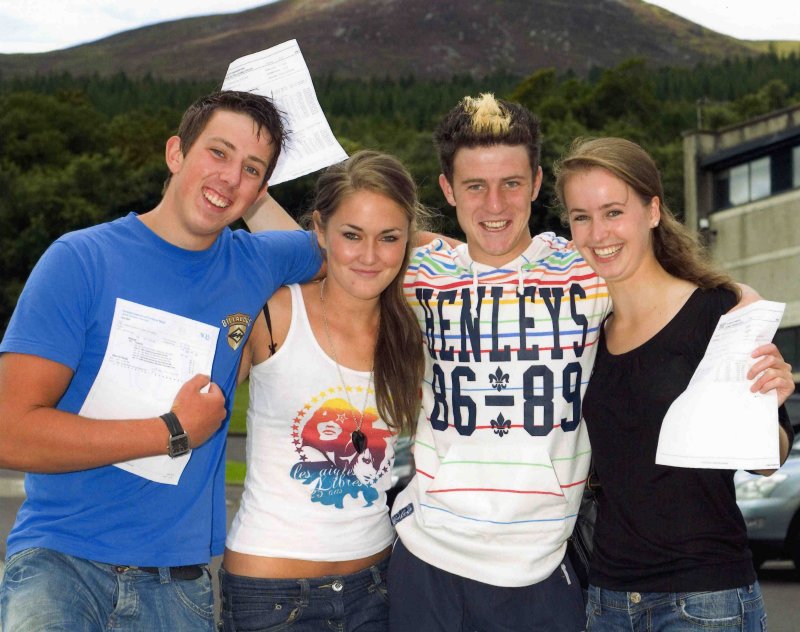
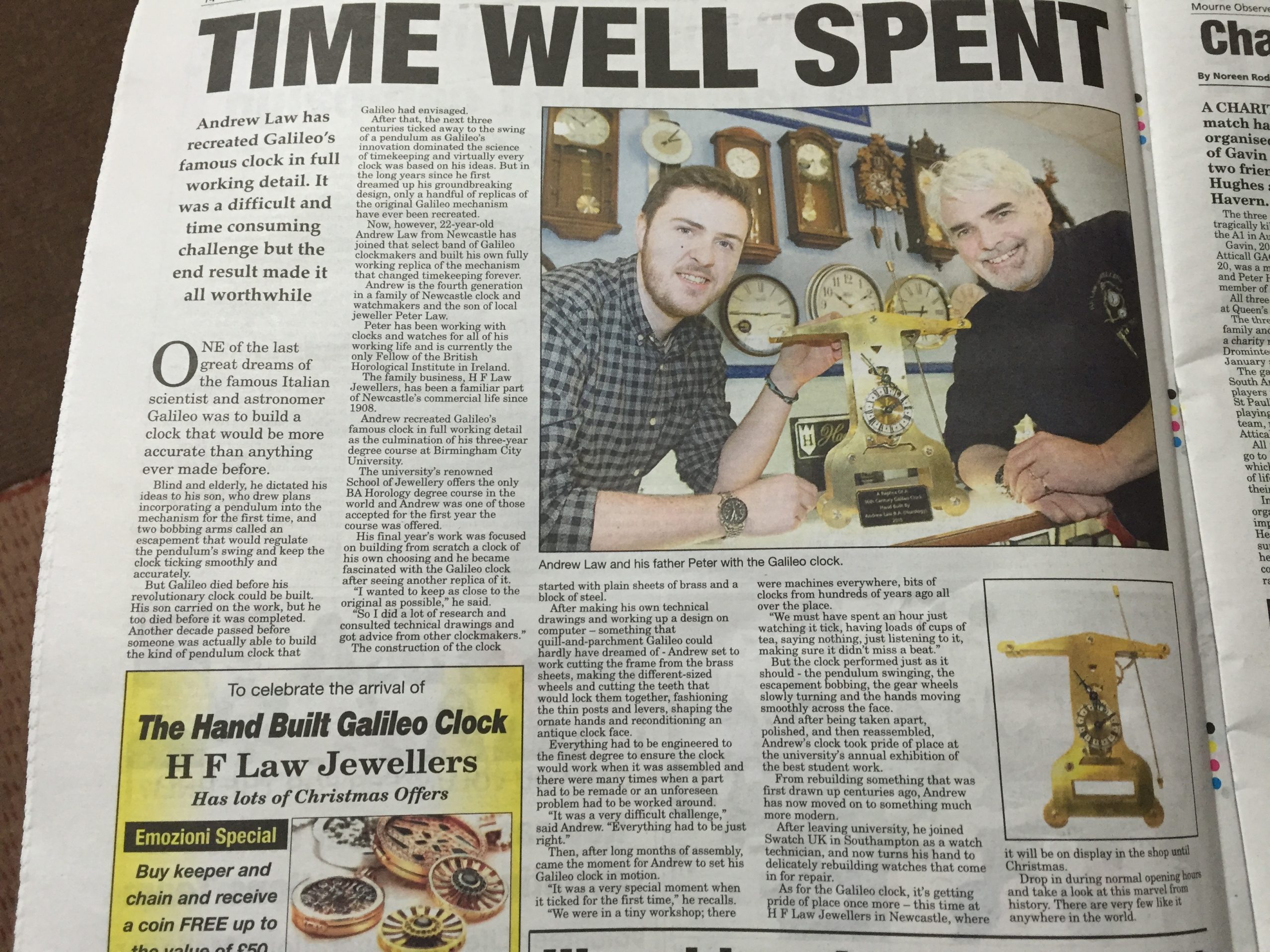
Sometimes success is at A level and a place at Oxford. Sometimes success is having confidence in lifelong learning, and that you have the background to move ahead to study once you have sorted your life out, found your passion, lived a bit of life, travelled the world or built up a record of employment. Barry is a high flying accountant now, Seamus an entrepreneur and substantial local employer, Jamie and Chimene both won trainee of the year on their apprenticeships and Andrew, after combining work in the family business with a trainee placement, went on as a mature student to graduate from the only horology degree course in the UK.
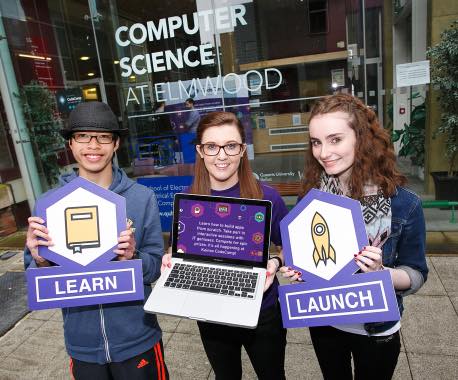
As soon as Higher Level Apprenticeships were established, Alicia trained herself up to guide students to consider the route to academic qualification alongside work experience. Our students were among the first to find this kind of combined success with Kainos, Price Waterhouse Cooper, Norbrook etc. through Ulster University, Queen’s University and the Southern and South Eastern Further Education Colleges.