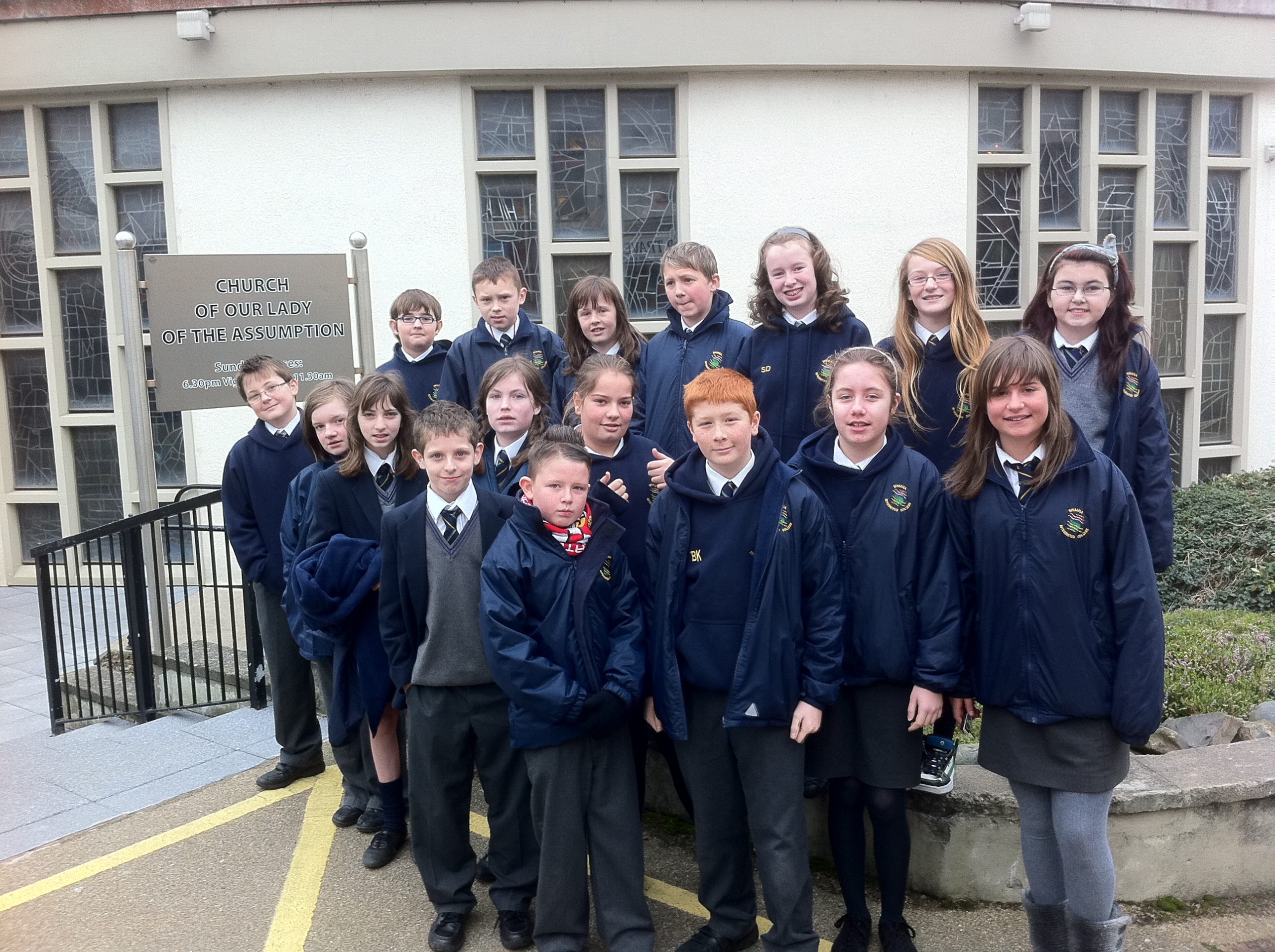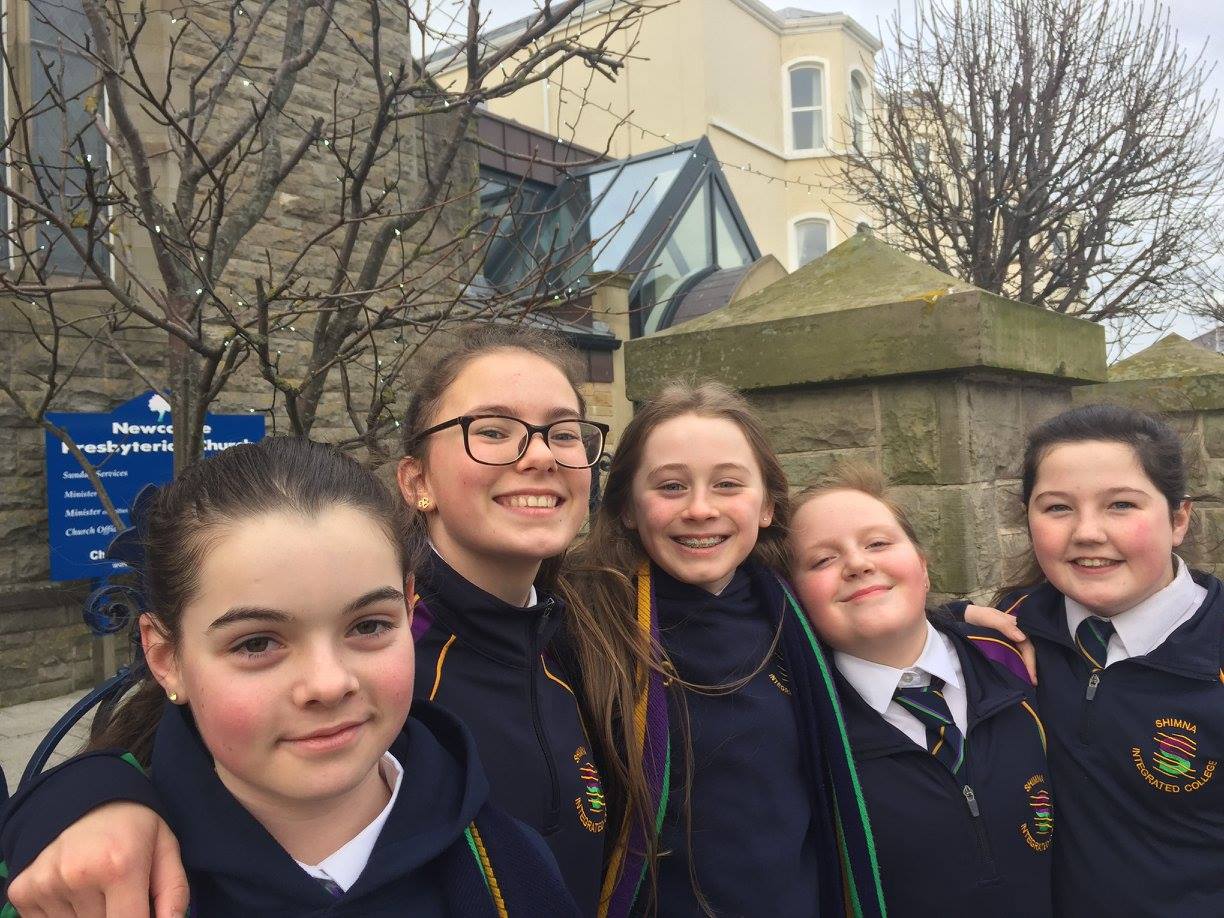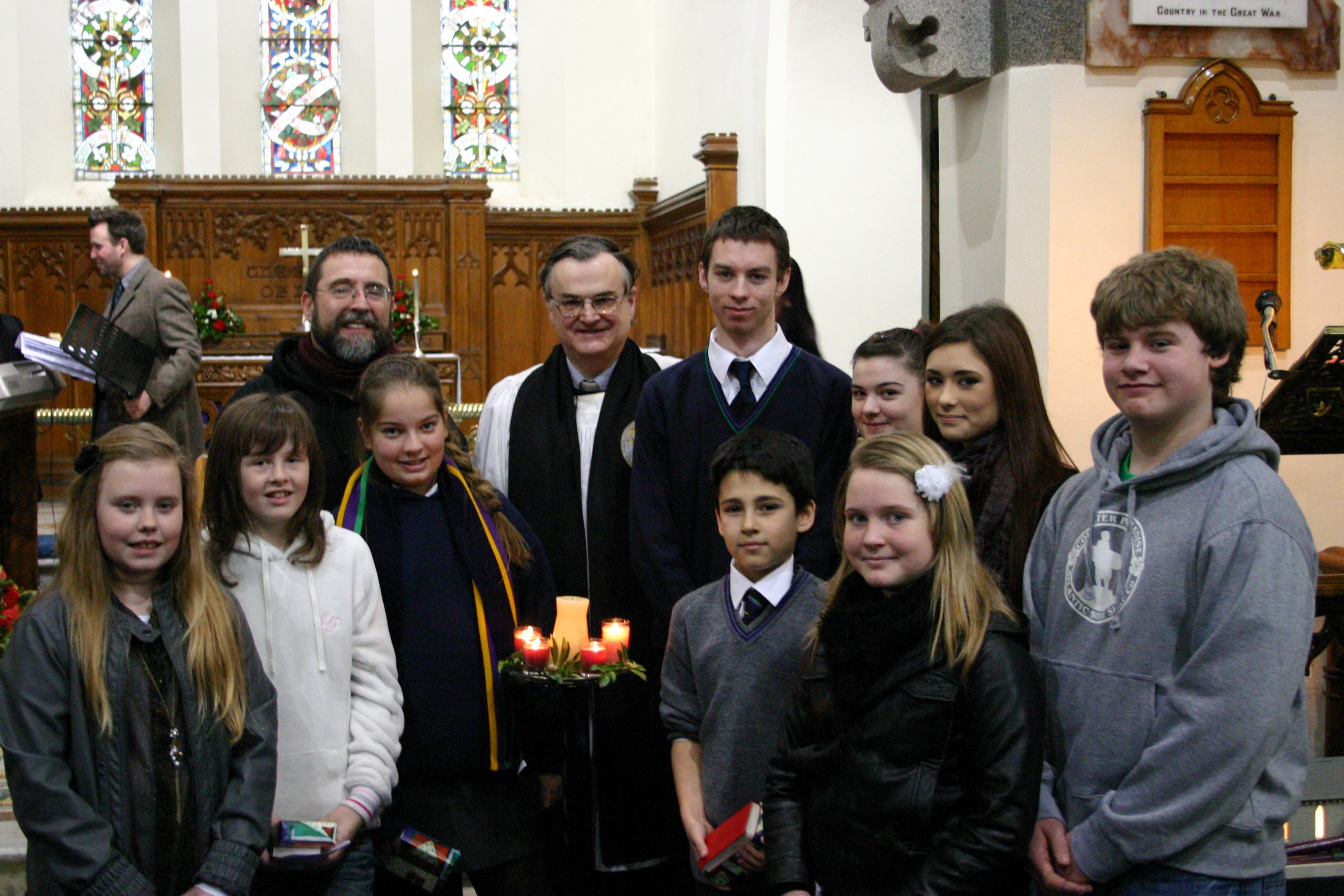
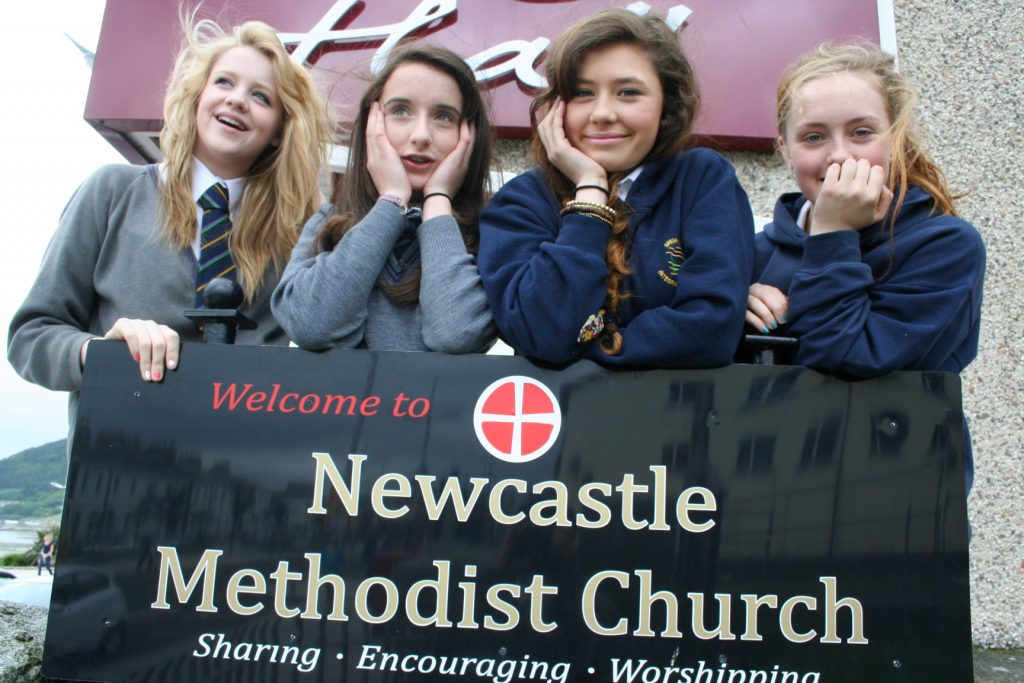
It is hard to think back to 1994, when it would have been relatively unusual for most of us to ever have been in a church of a different persuasion from the one we were reared in. The Troubles had segregated our society to the extent that even if our social circle included people from the ‘other’ persuasion, it wasn’t always safe to travel into each other’s area, let alone attend each other’s church. Among our staff and parents, we had experience of ‘mixed’ marriage families welcome in only one church or neither, of being threatened with being burnt out because of our perceived religious background, of losing family members to sectarian murder.
Integration wouldn’t cure the hurt or undo what had been done, but it was the opportunity to make sure we didn’t pass on our divisions to the next generation. It isn’t a coincidence that when the peace process brought newcomers to this place, we could build on our vision of integration to reach out and learn from and about new traditions and faiths.
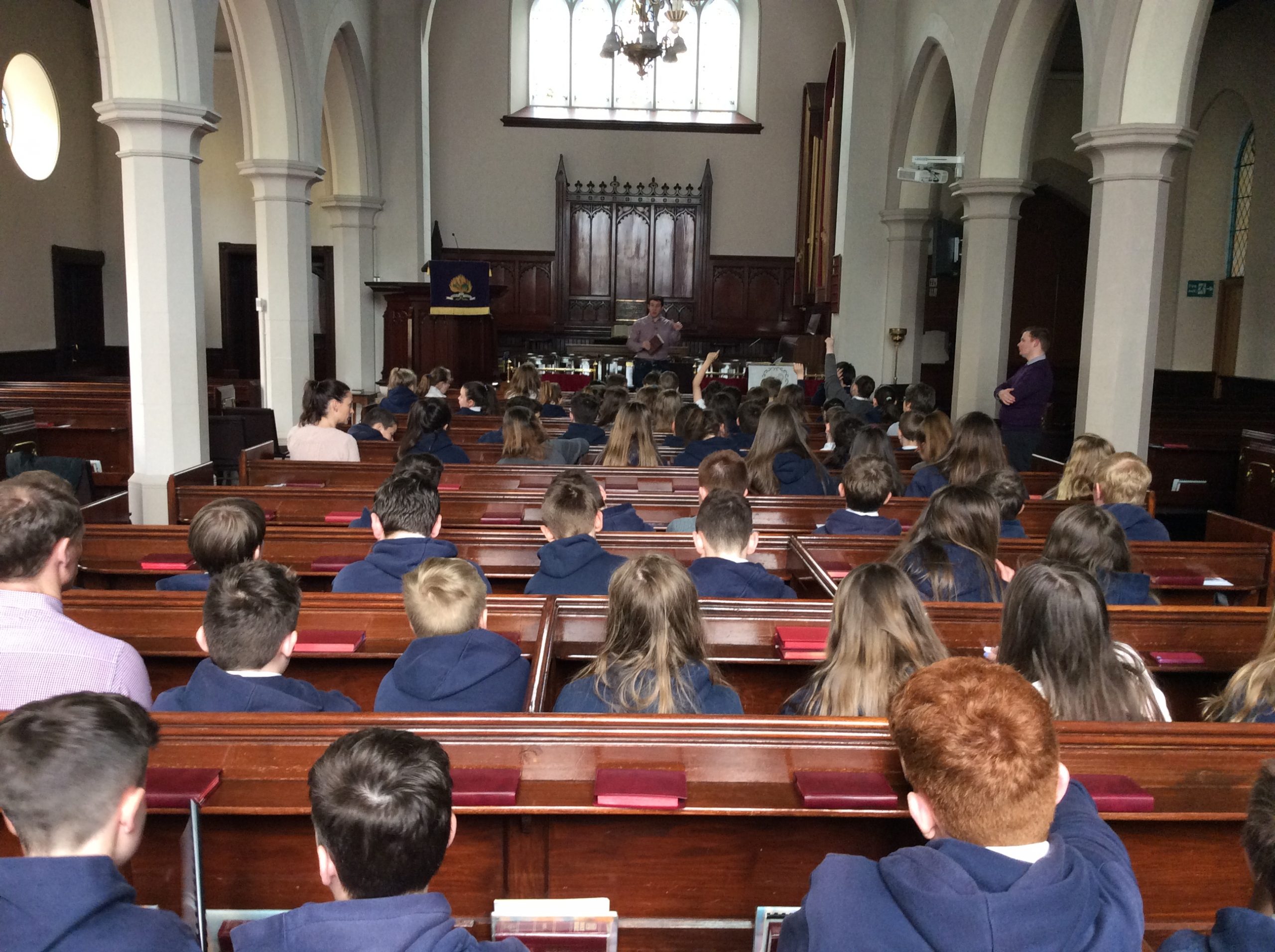
In the early days, local church visits were programmed in by head of Integrated and Religious Studies Chris Skillen, and we weren’t initially welcome everywhere. We had to break down the impression that integration was about watering down faith and tradition. We had to prove that we respected and upheld what mattered to everyone within our school, especially the beliefs and traditions we did not share. Some aspects of faith we discovered we did in fact share, and some differences we would respect but never agree on.
Chris himself came from a Methodist background, had a Masters degree in Women in Islam, had studied the Catholic Teachers’ Certificate and qualified as a Presbyterian Youth Leader. He also had a particular interest in the Russian Orthodox tradition from his years of studying at Moscow University.
Staff were undergoing a thorough experience of integration, challenged in Kevin’s integration sessions at the start of each school year to talk about ourselves and difference. But just knowing each other opened up understanding. We attended each other’s weddings and family funerals. We remarked on the soft seats in the Protestant churches where the sermons were likely to be longest, the shift to Saturday mass, the differing reactions to taking the name of the Lord in vain and short ejaculations.
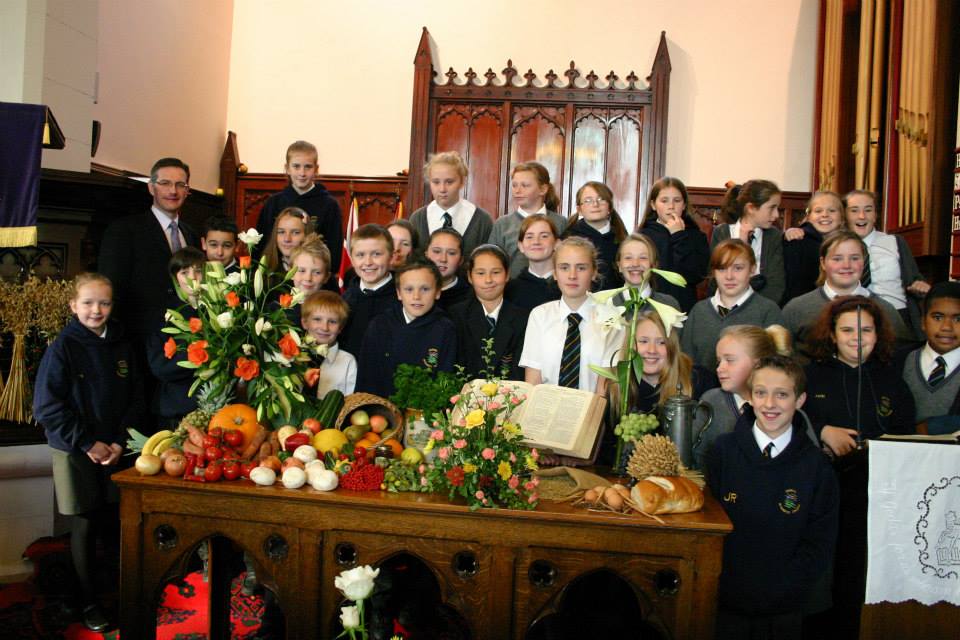
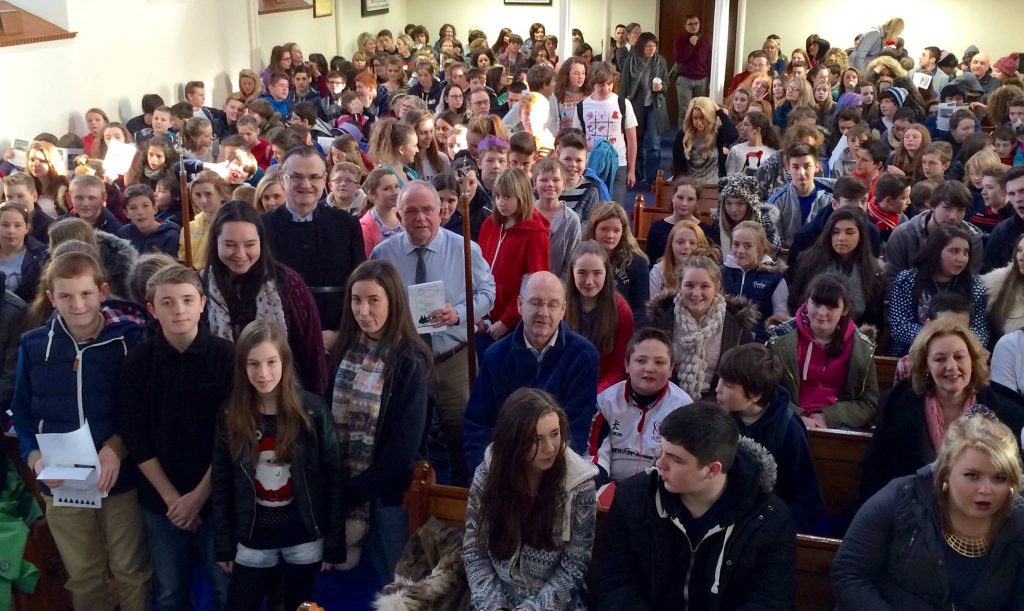
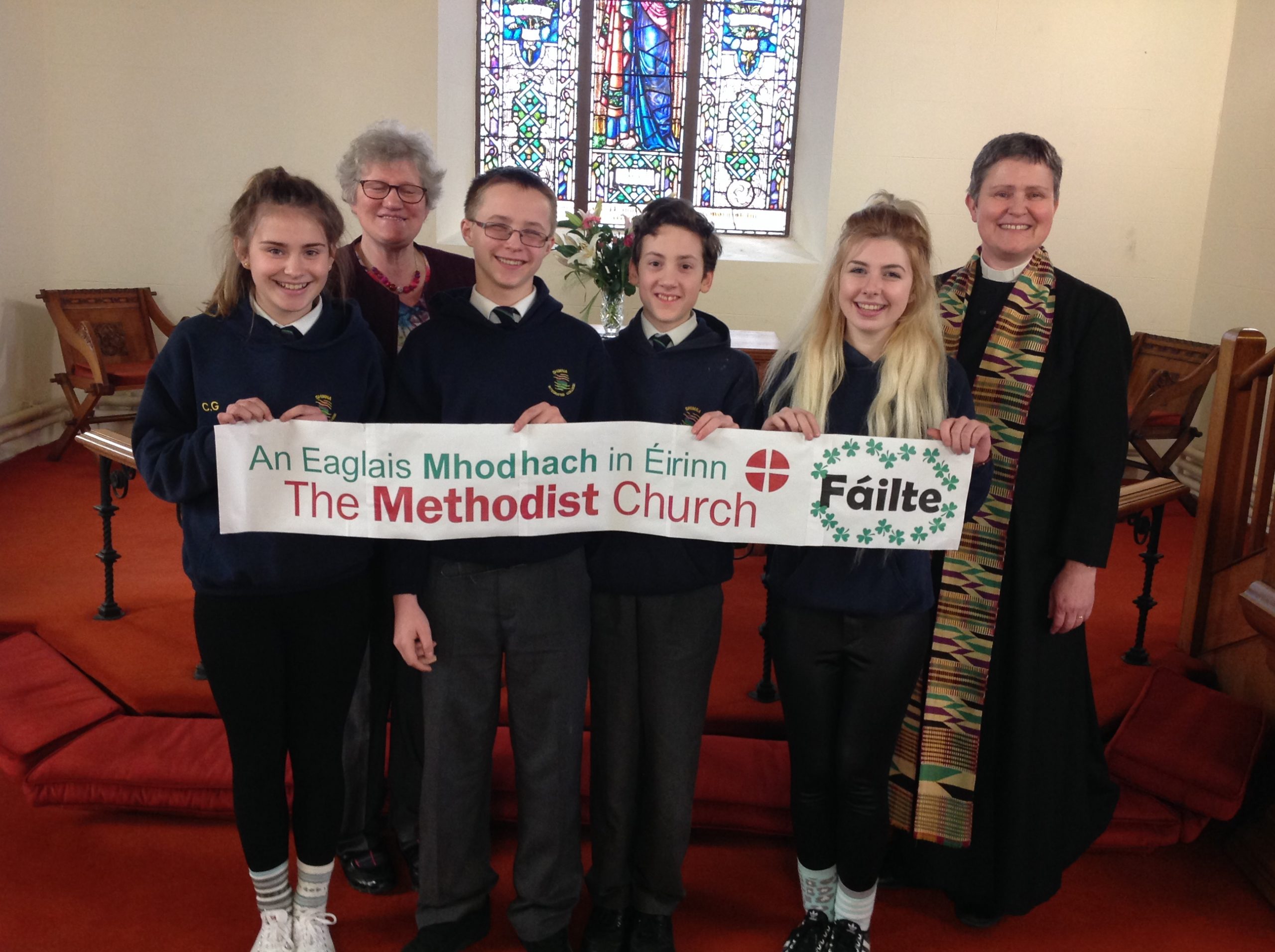
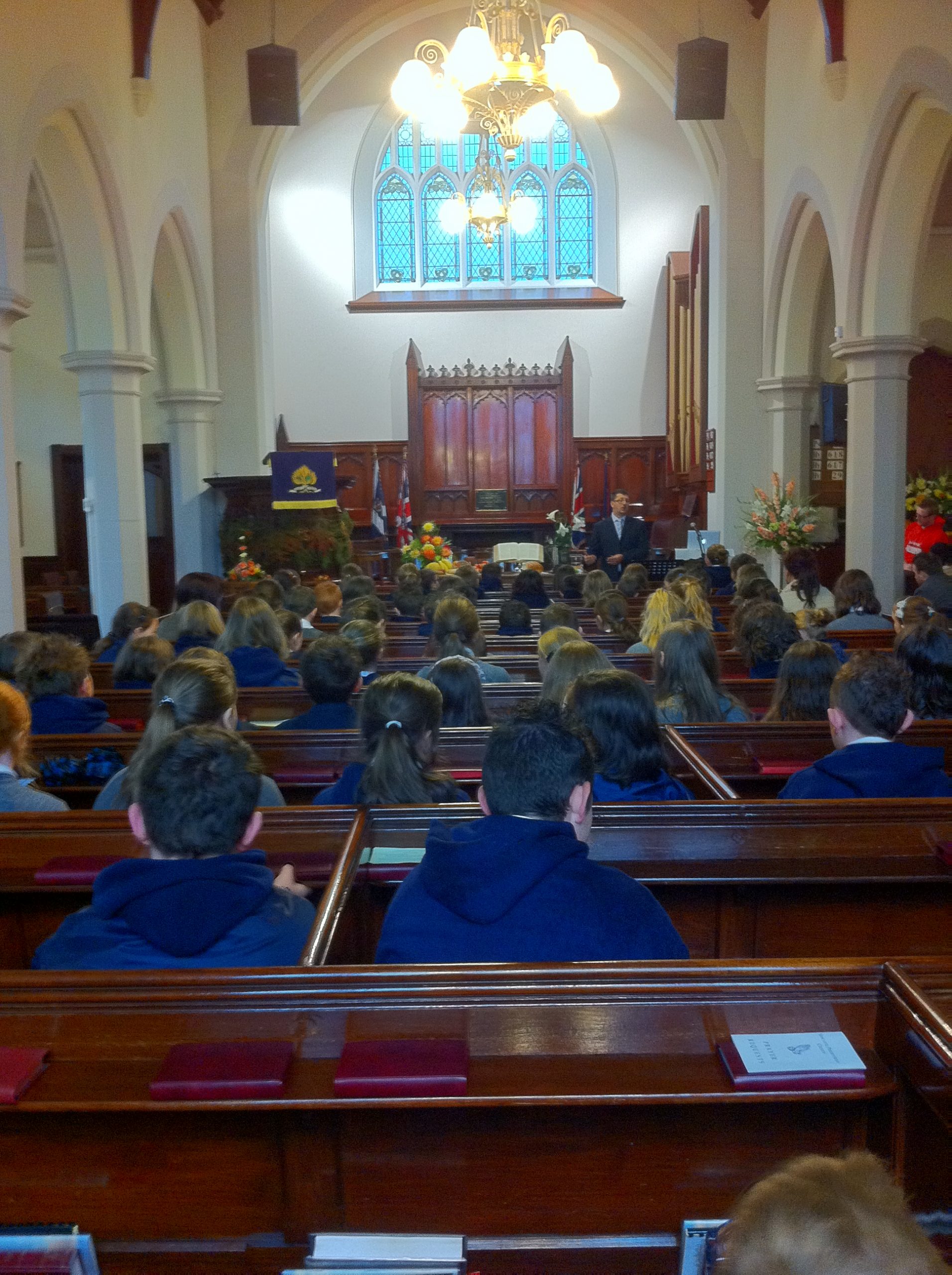
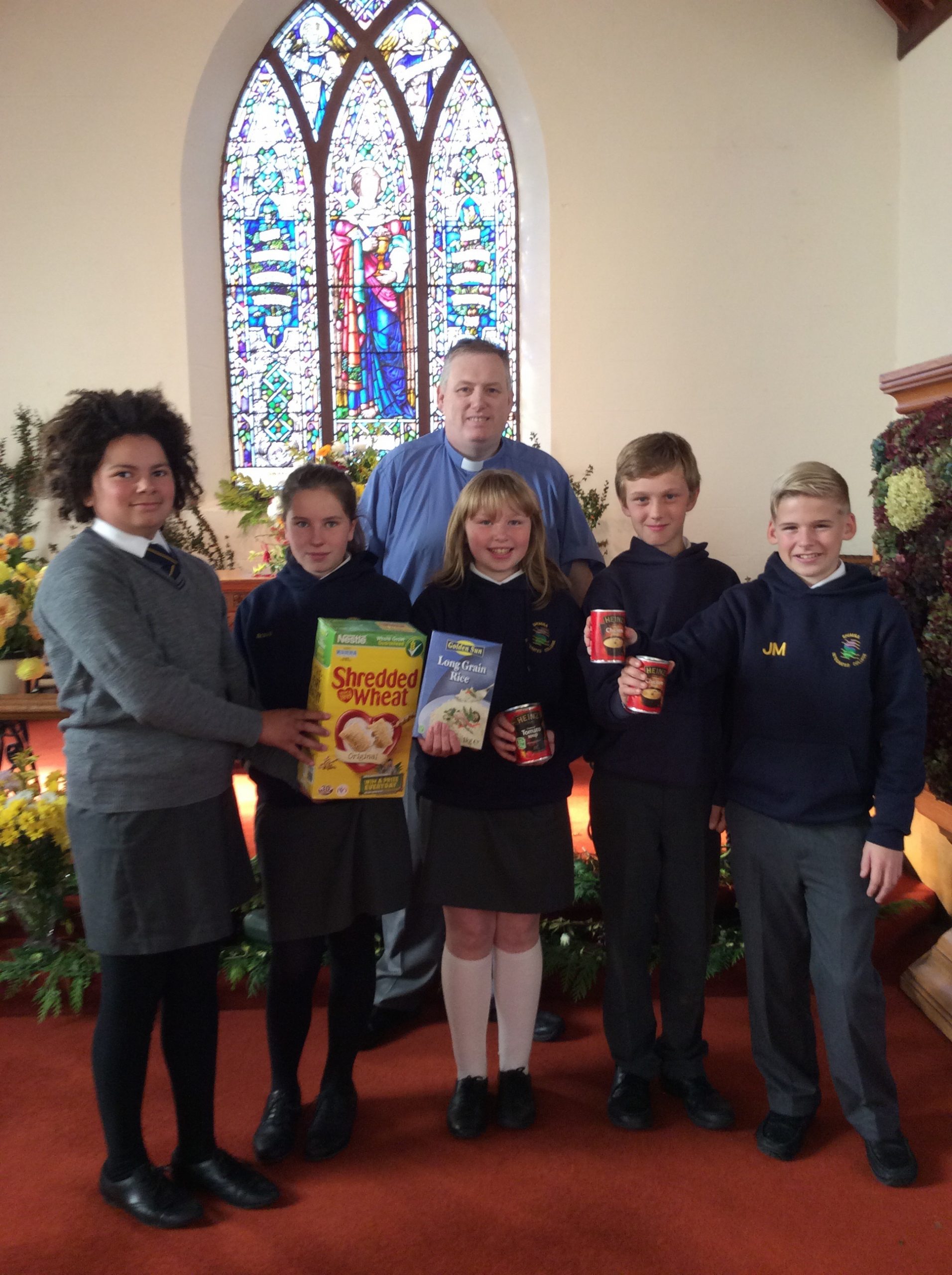
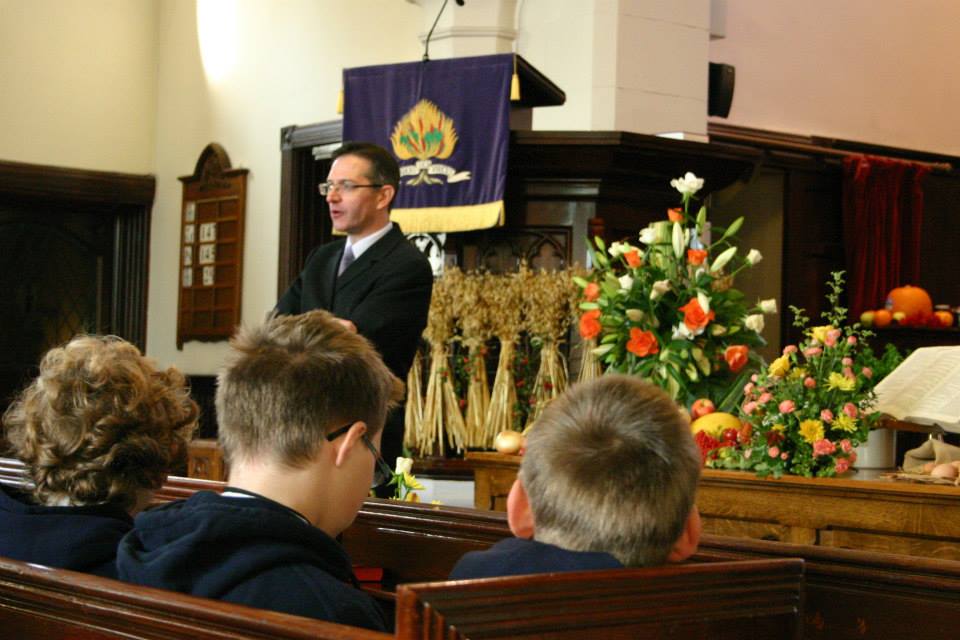
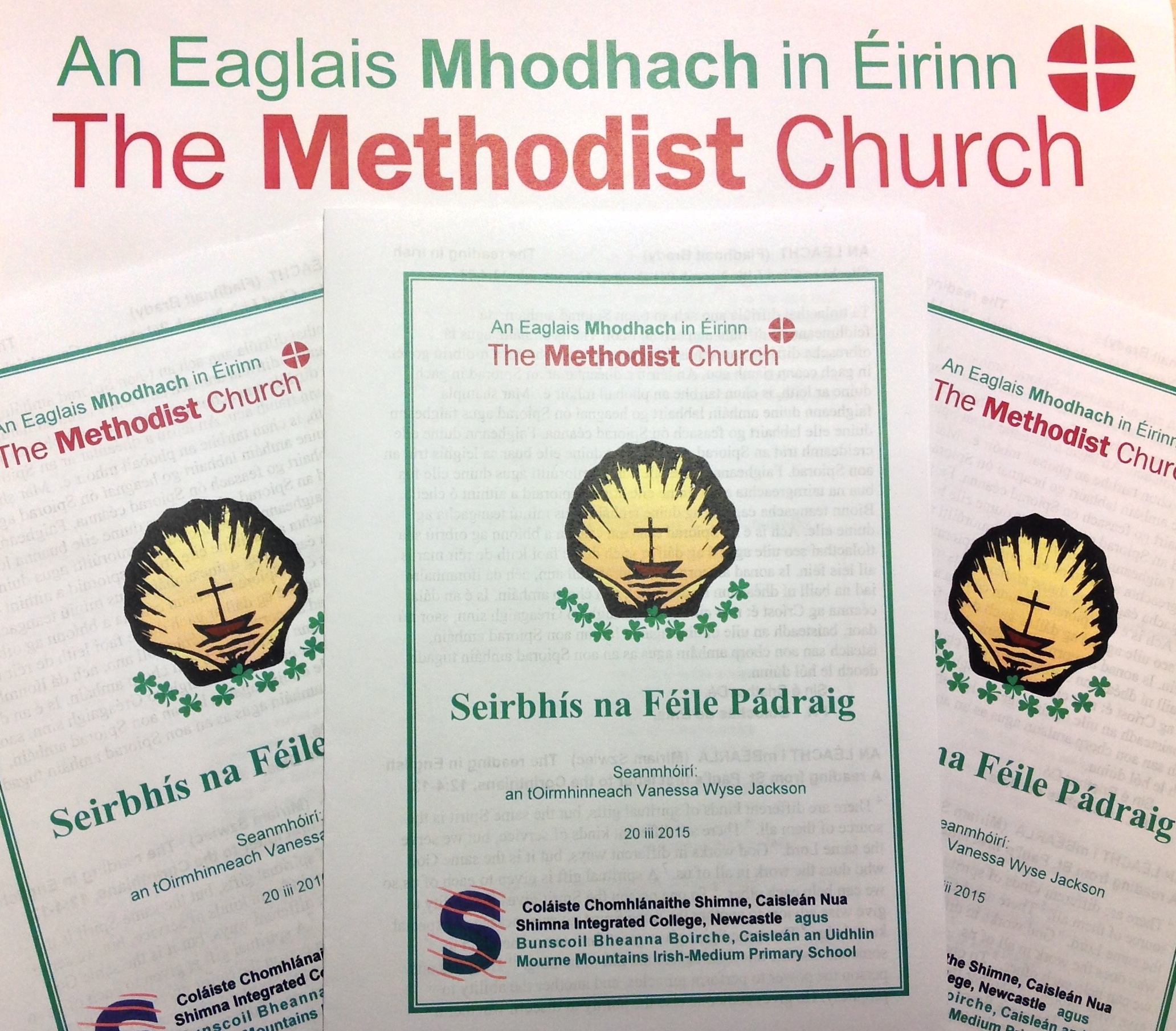
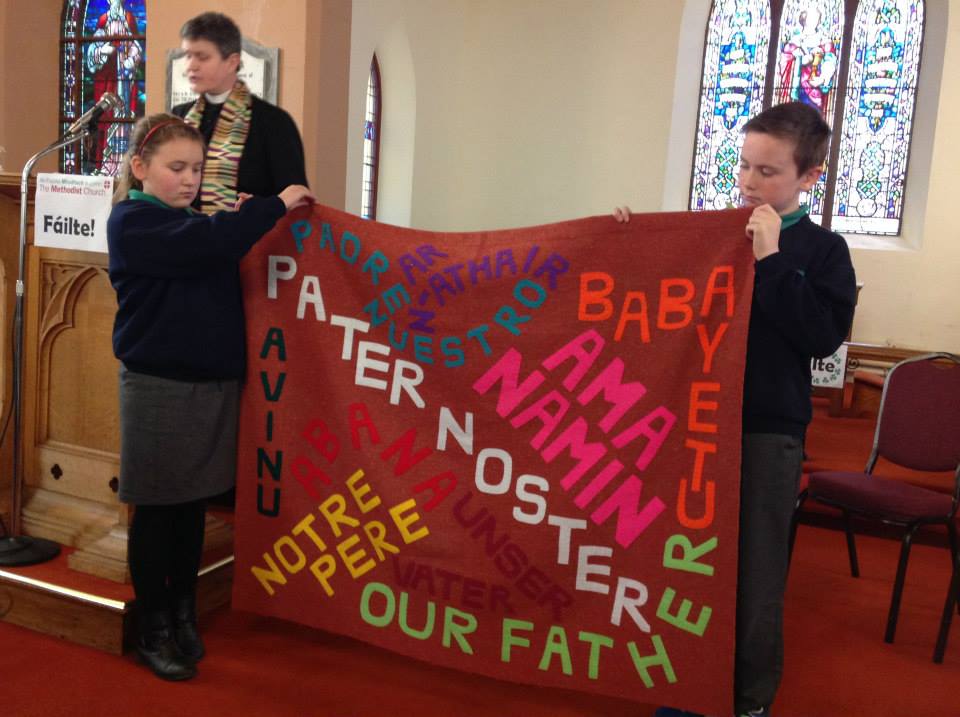
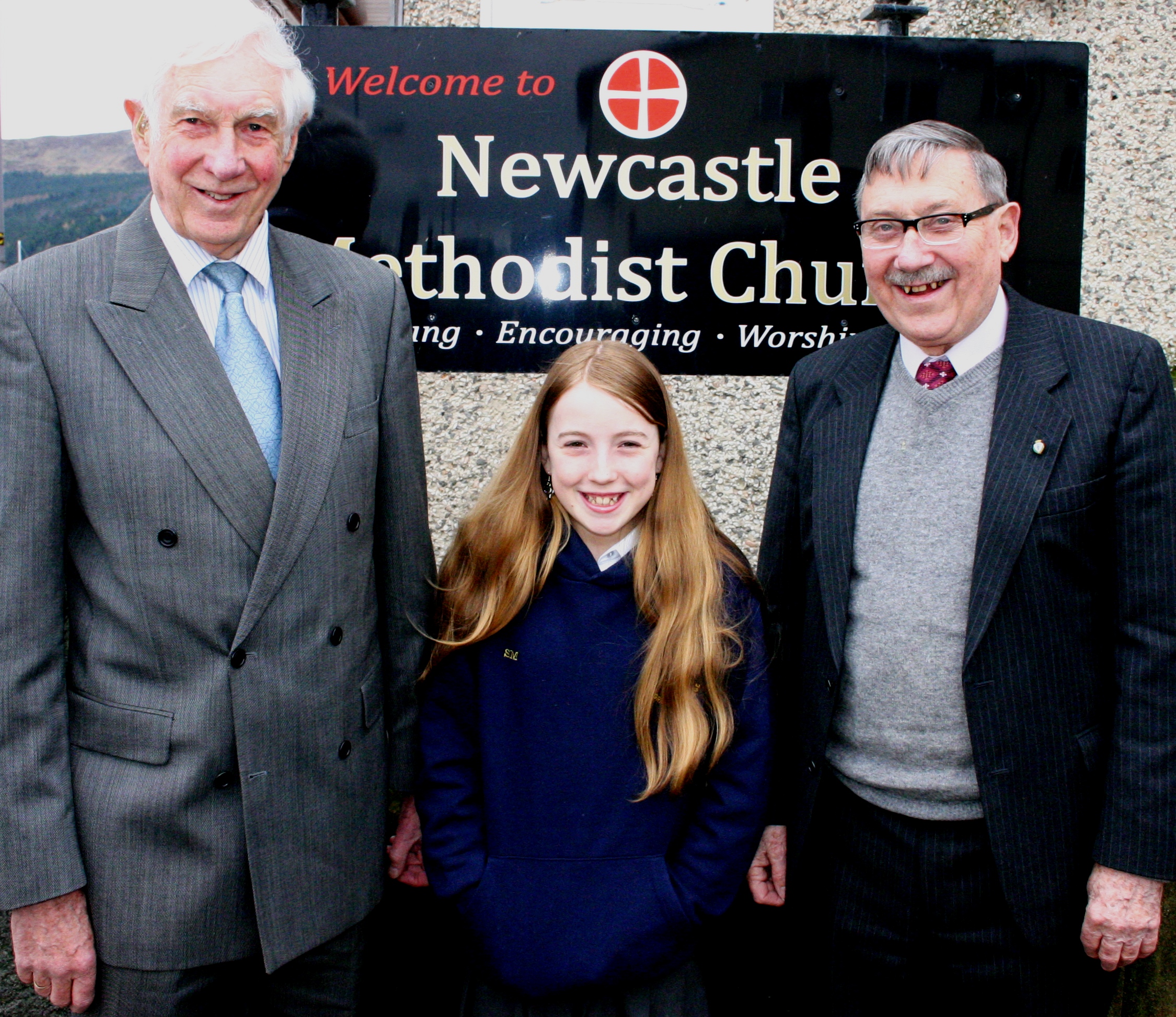
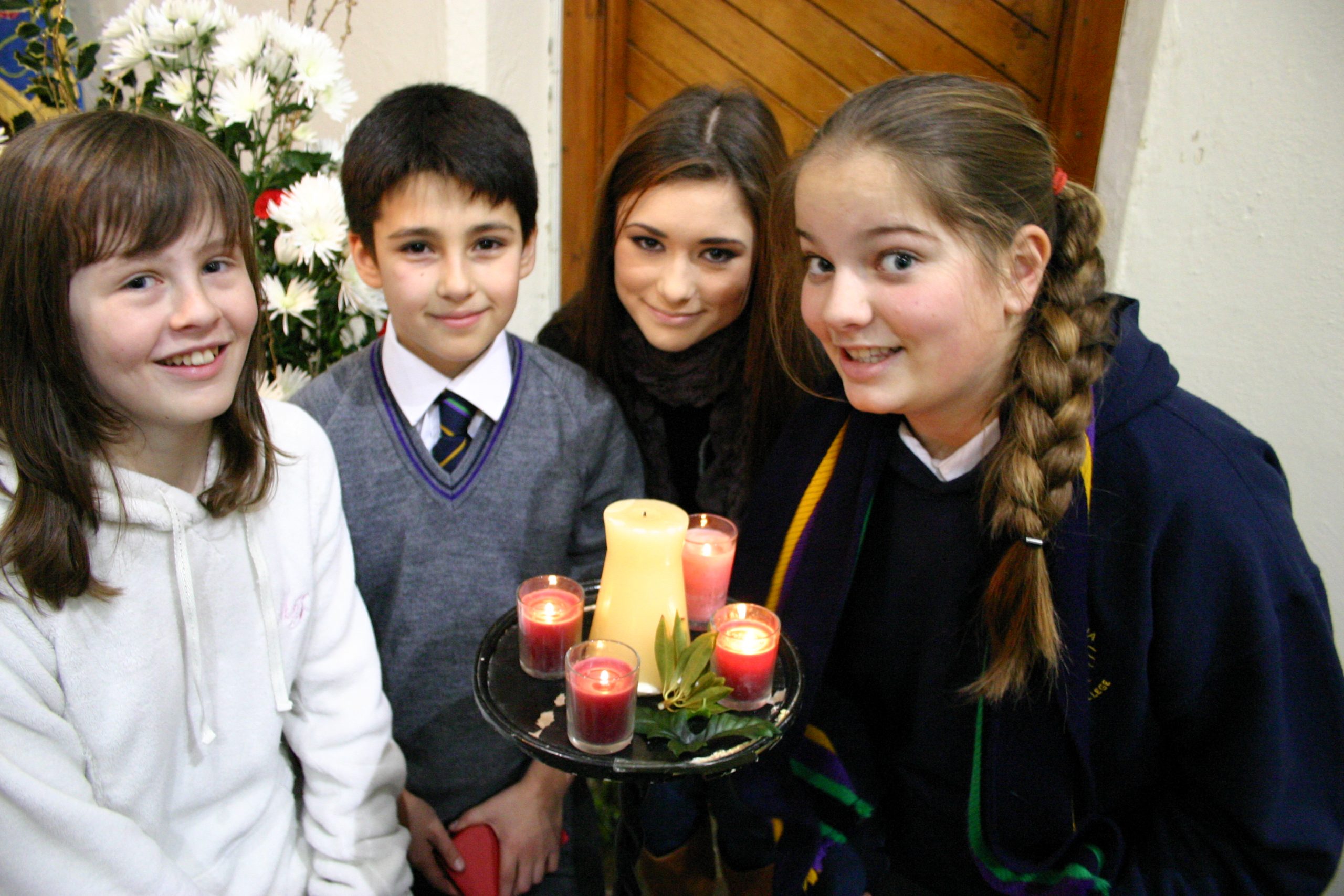
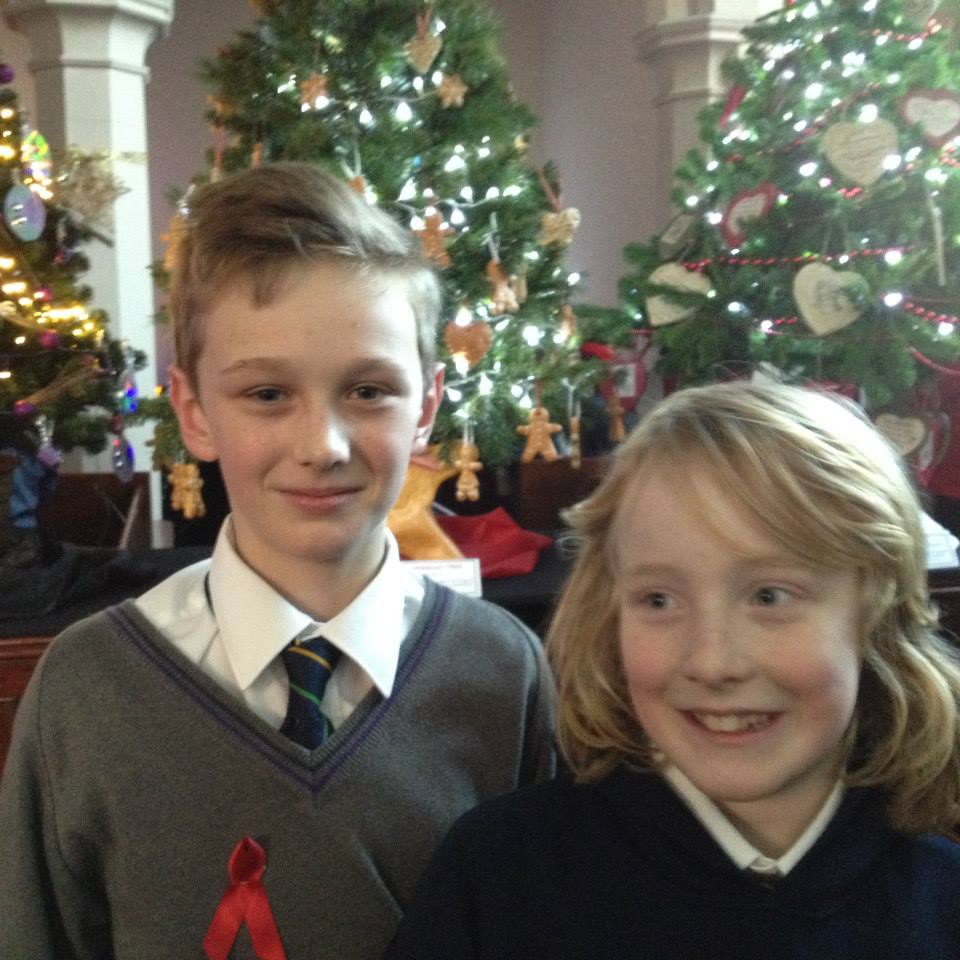
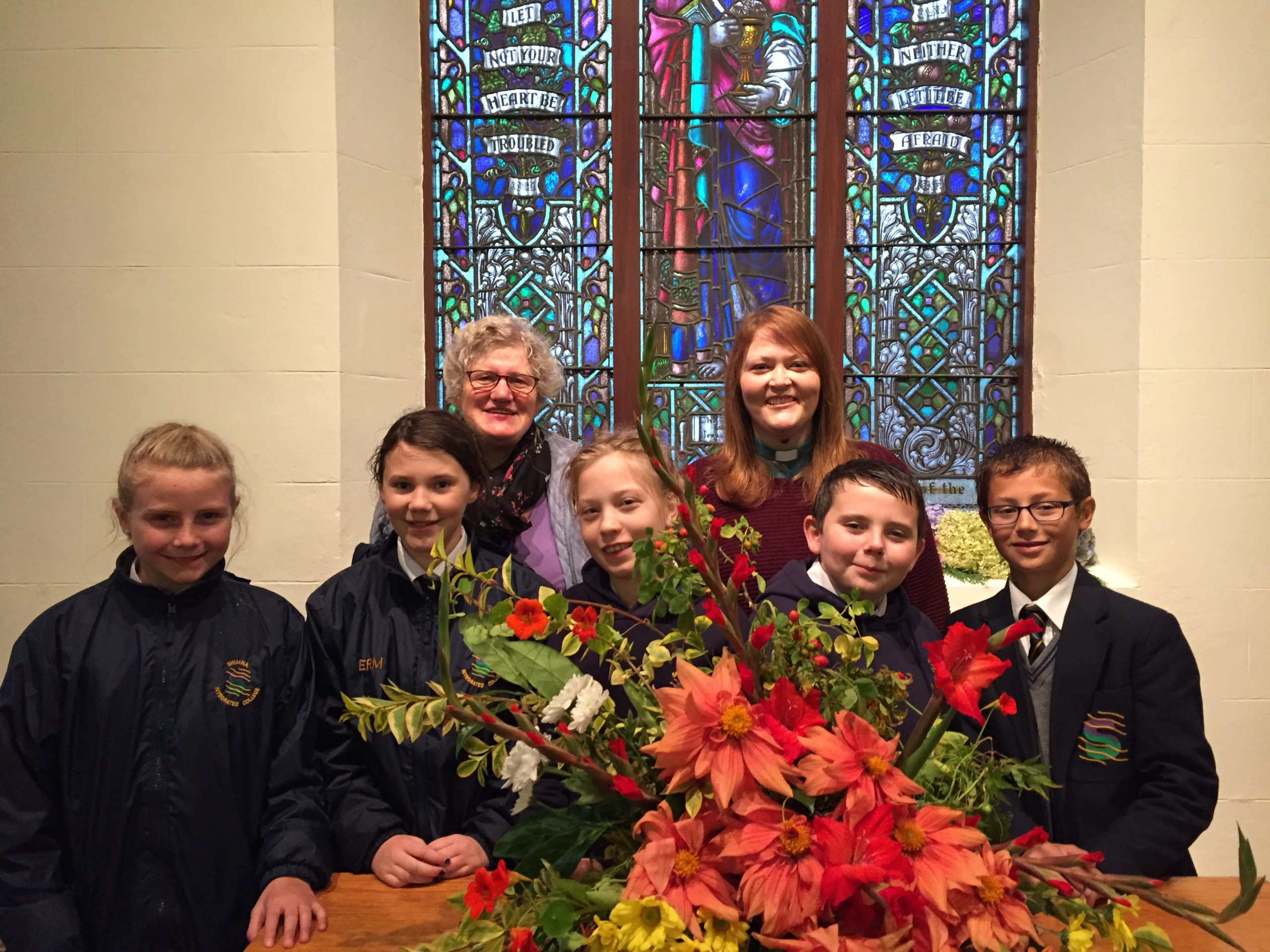
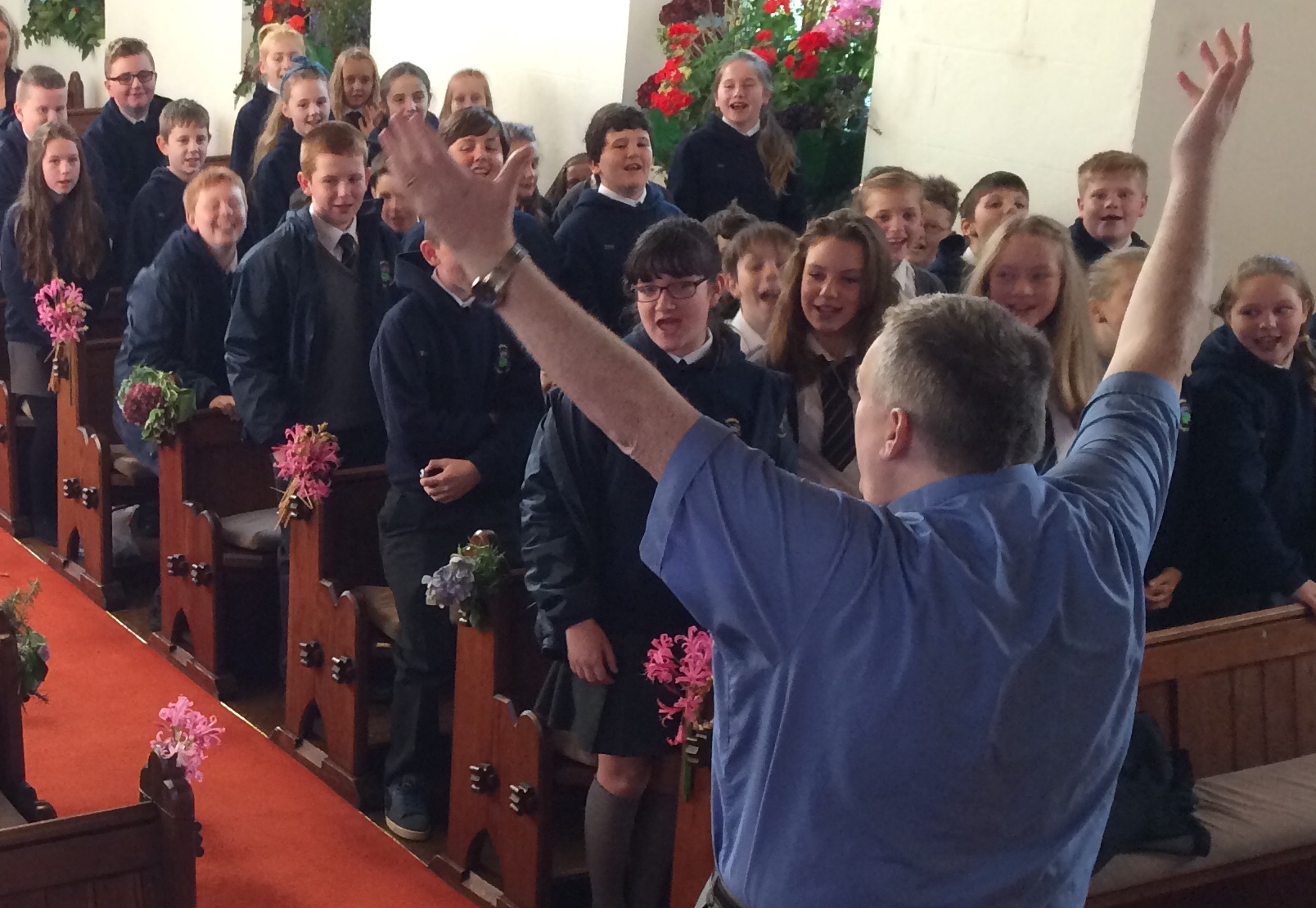
Within our immediate Newcastle community, we celebrated Harvest with the Presbyterian Church, Advent at the Catholic Church, held our Christmas carol service at the Church of Ireland, celebrated St Patrick’s Day at the Methodist Church.
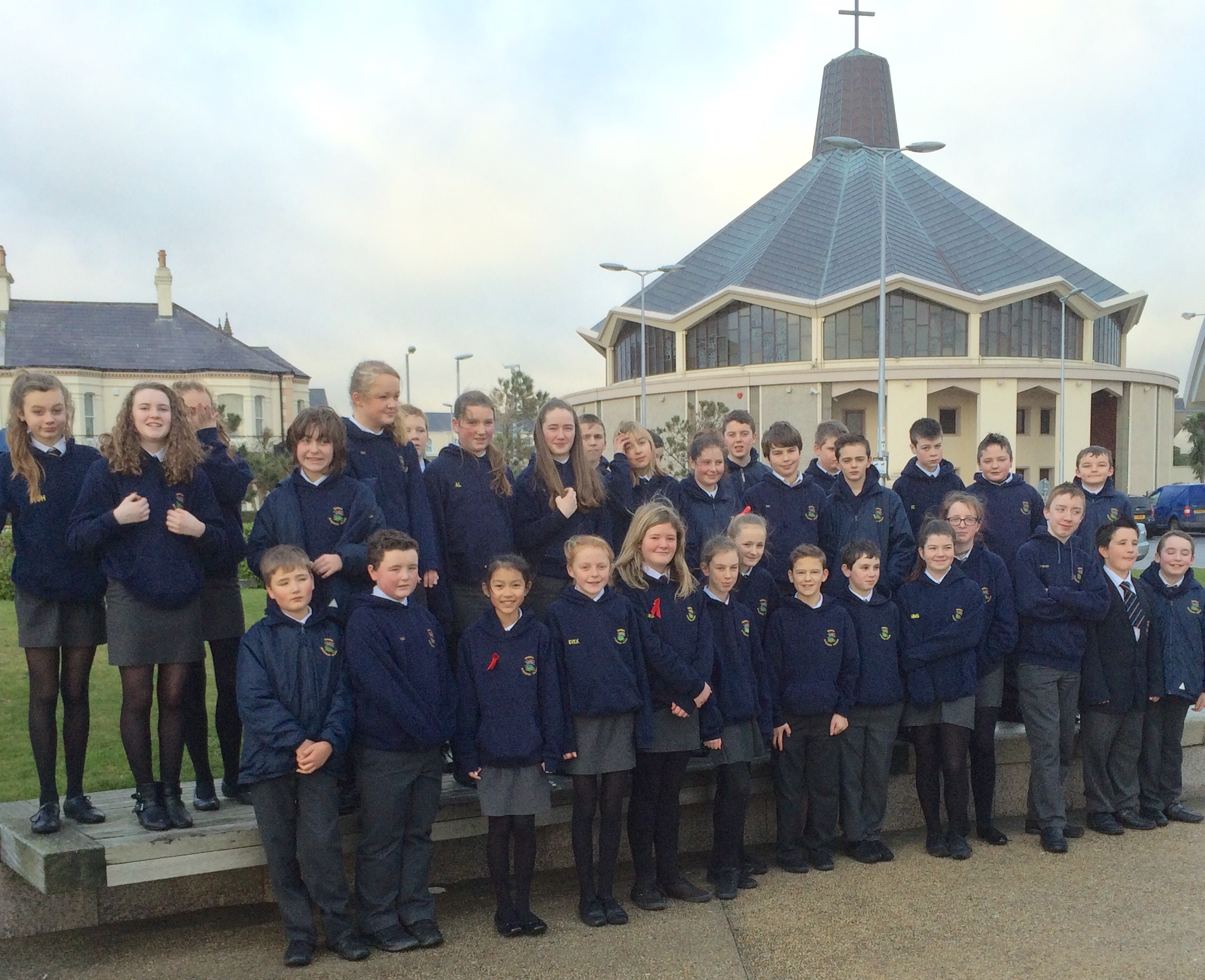
In between we visited the Baptist Church, the Gospel Hall and shared the experience of the house church community which later became the Journey Community Church. Further afield we visited Martyrs Memorial Free Presbyterian Church in Belfast, the Belfast Synagogue, St Peter and Paul’s Russian Orthodox Church in Dublin, the Belfast Mosque.
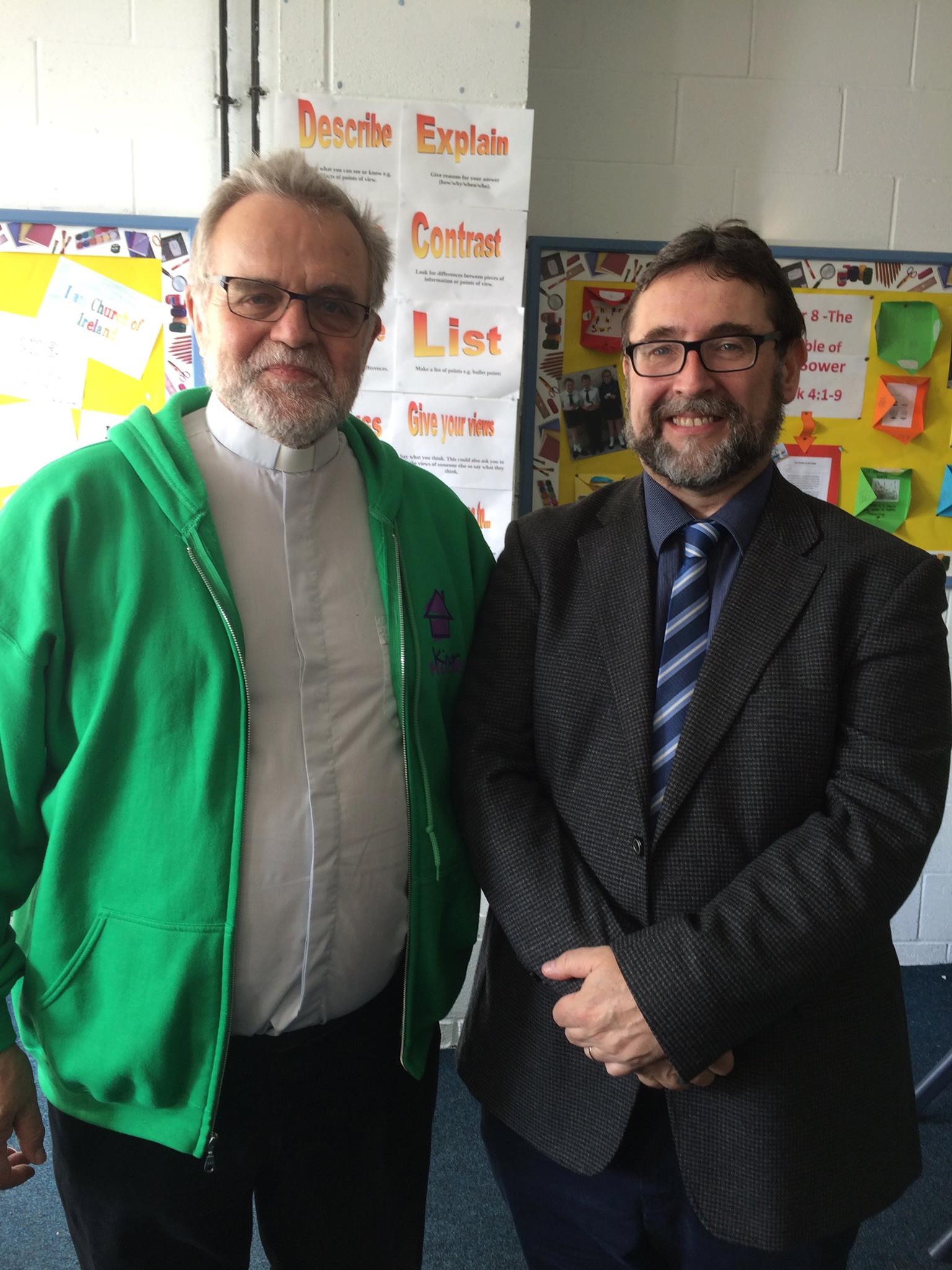
A fascinating partnership developed with the Kinderhaus in Killough. The Kinderhaus had been founded during the Troubles by a group of Dutch people who had been hosting Protestant and Catholic children for holiday breaks from the violence. The Kinderhaus was to provide a local centre where children from divided communities who had met on holiday in the Netherlands could continue to develop their relationship. When Father Rijn of Kinderhaus contacted Shimna, our Peace Process was underway and the holidays in the Netherlands no longer happened. Instead, the Kinderhaus mission had re-aligned to focus on divisions within Dutch society. As a colonial nation, with a worldwide trading empire, the Netherlands is now home to people from across the world, many from a Muslim background.
The Kinderhaus now hosted groups of European Dutch young people from Christian backgrounds along with Muslim Dutch young people, whose family origins were in Turkey, Morocco etc. In those days, the Dutch Muslim young people found no hint here of the Islamophobia which has since infected Northern Ireland. Our students, who studied Islam as part of their Integrated and Religious Studies programme, and those who were studying GCSE in Islam, were fascinated to meet hijab wearing girls of their own age, and try the hijab out for themselves. At that time, Shimna had had the children from the Jaber family from Jordan, who had always been generous in sharing awareness of their faith for us in class and in assembly, and two sisters from Muslim backgrounds, Janwa and Hanan, who had been adopted, and who came to Shimna so that they would have some input from their Islamic heritage.
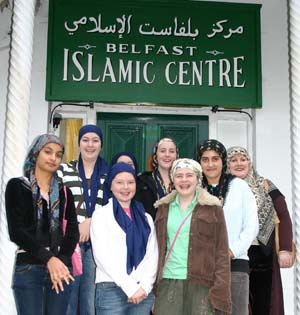
It was a gratifying learning experience to find that Northern Ireland had been able to repay Dutch society for their support during the Troubles by providing a model of integration which could help challenge the intercommunal strife the Netherlands was then facing. We have to hope that the learning will come full circle and enable us now to challenge both the Islamophobia and the anti-Semitism which we now face here.
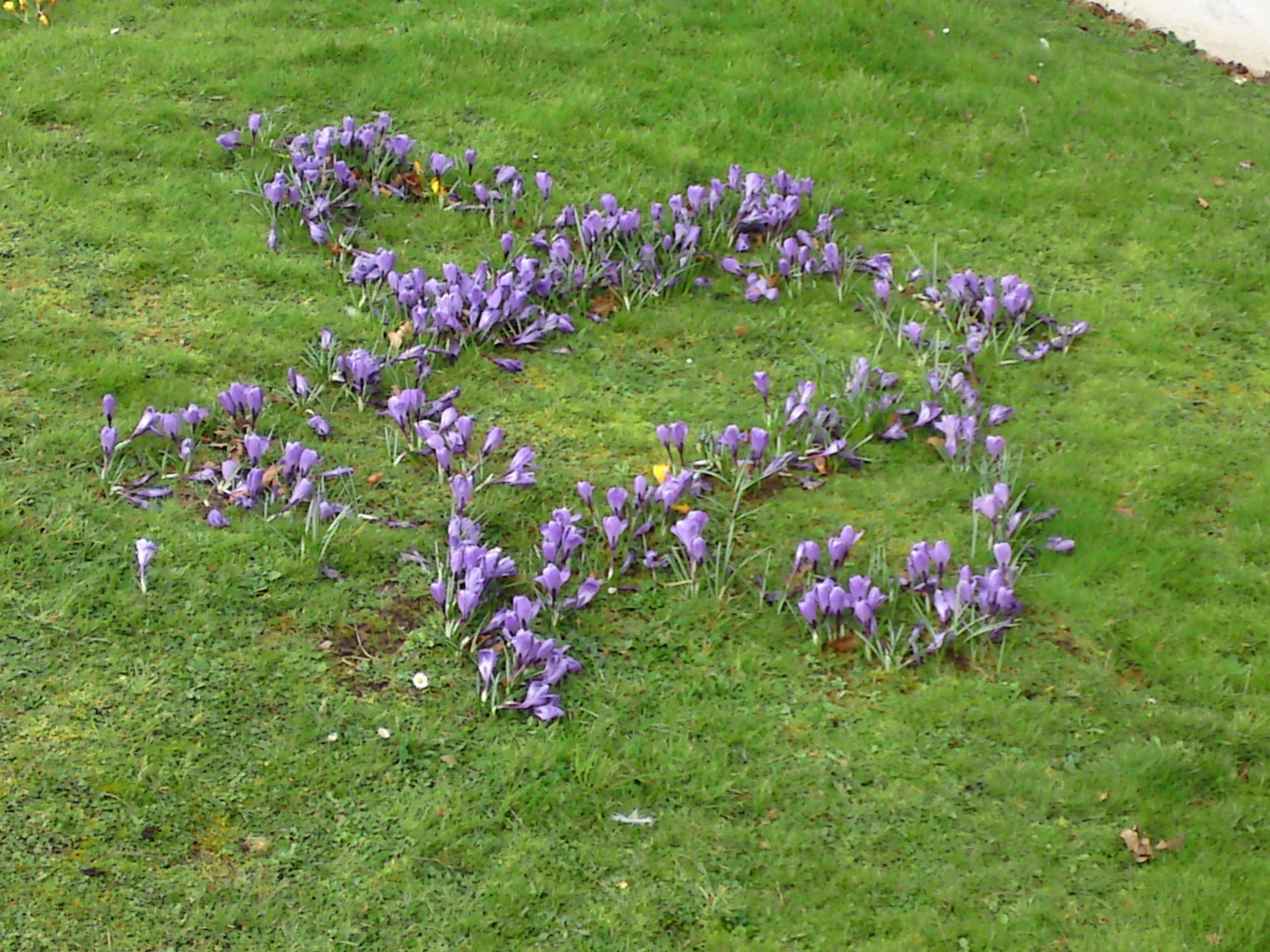
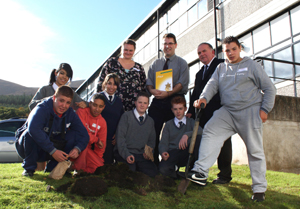
One very moving event was when Shimna students both from Christian and Muslim backgrounds joined with Dutch young people both from Christian and Muslim backgrounds to plant a crocus Star of David outside the Integrated and Religious Studies classroom as part of the Holocaust Education Ireland Crocus Project.
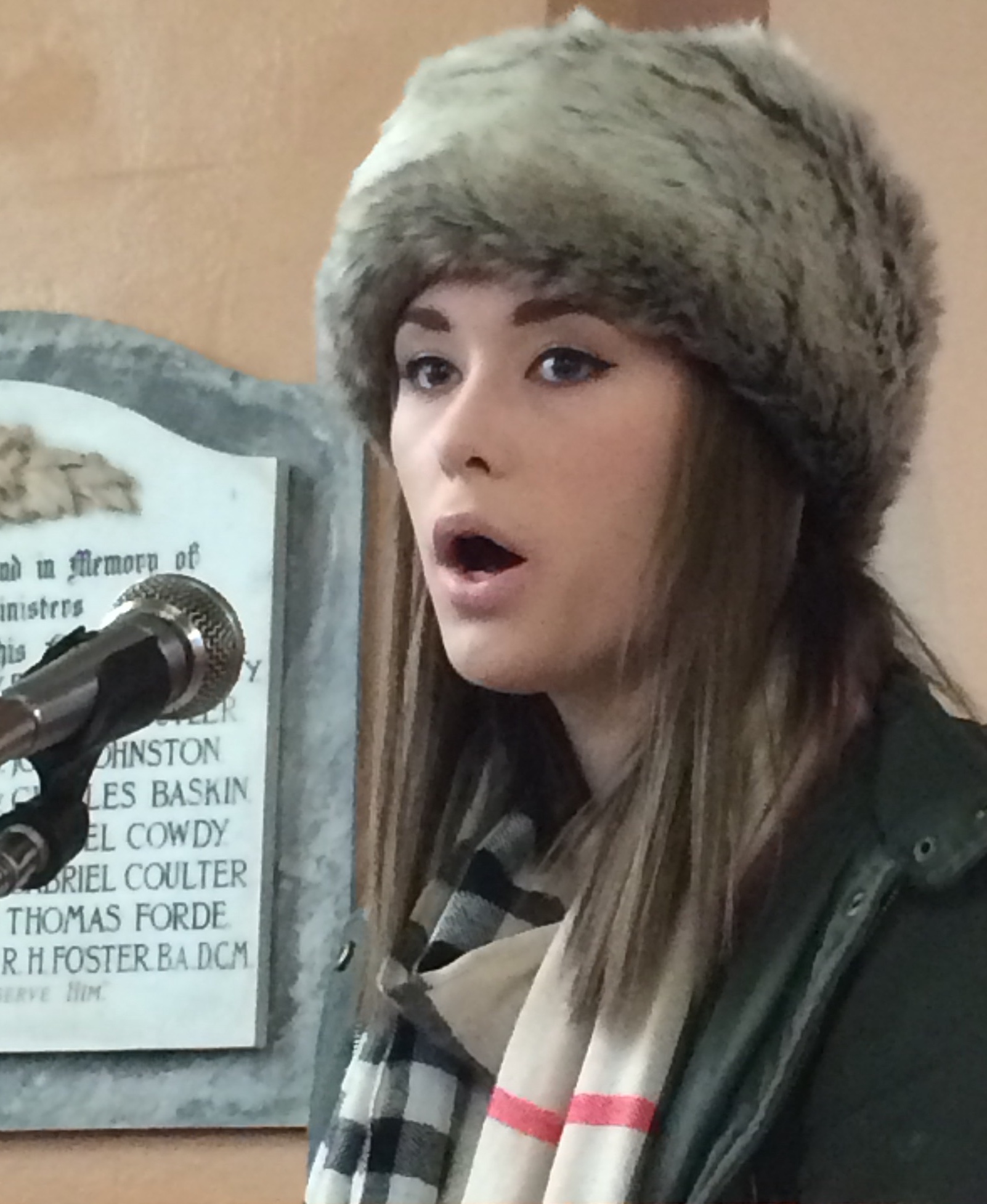
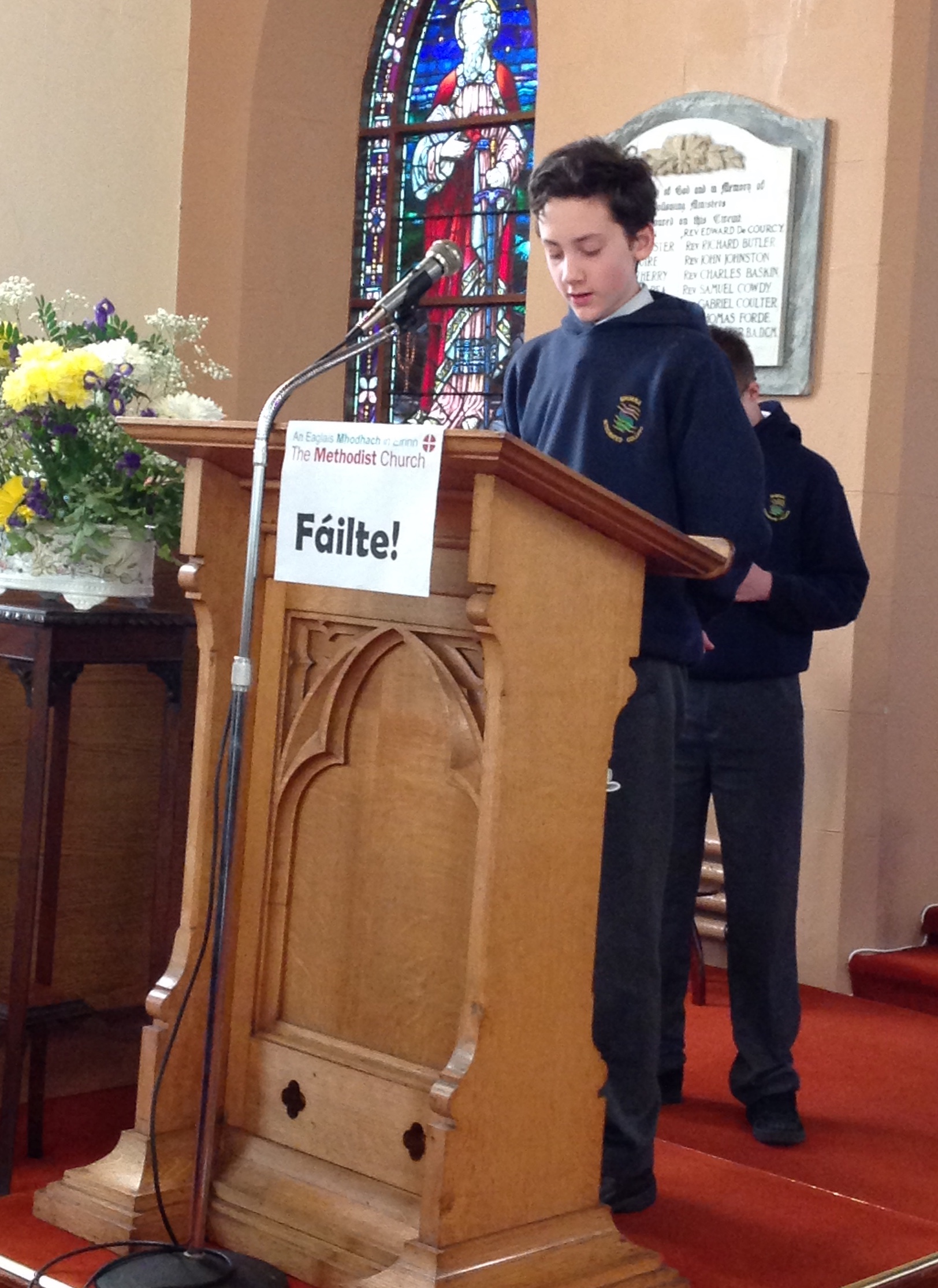
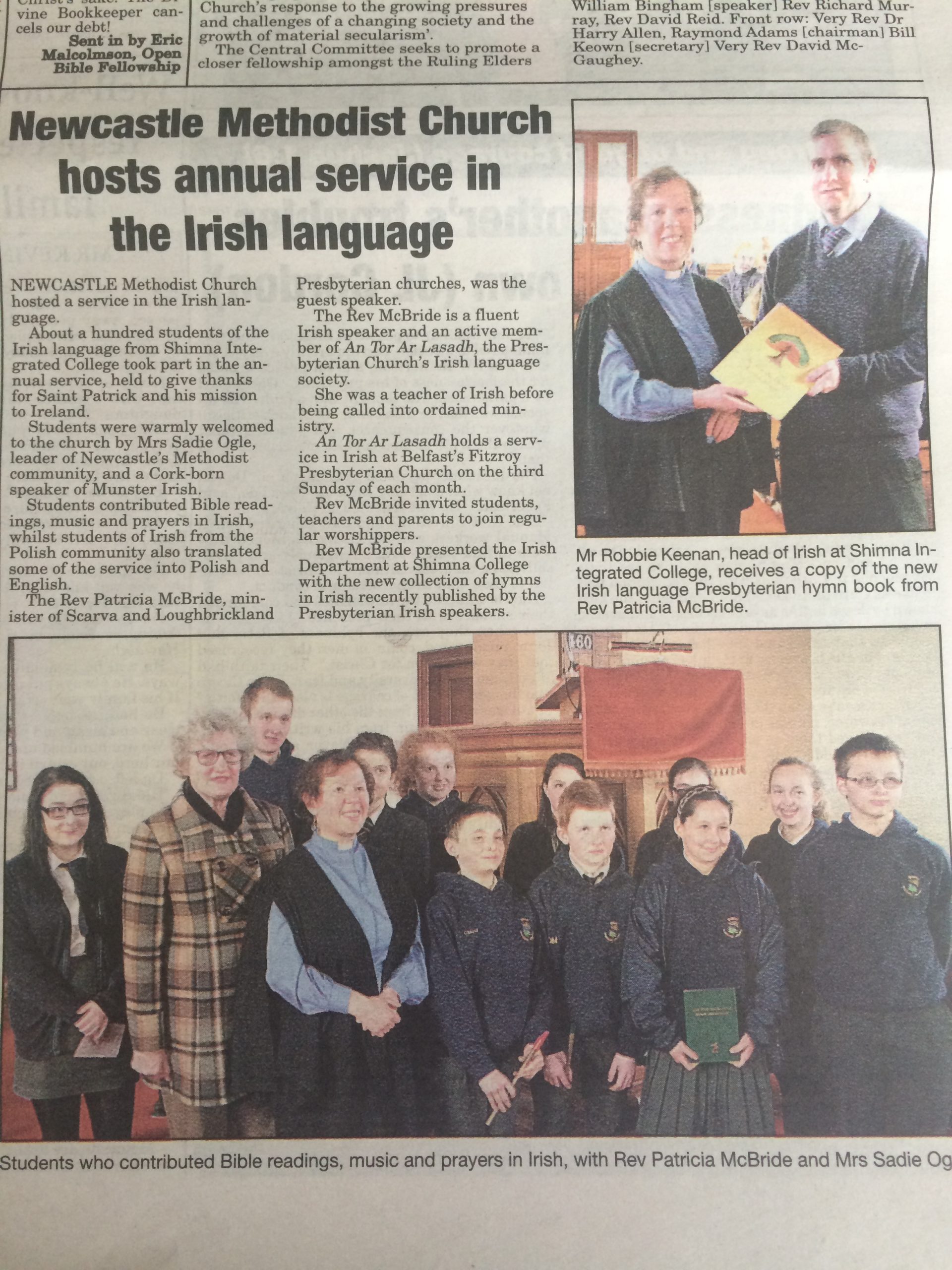
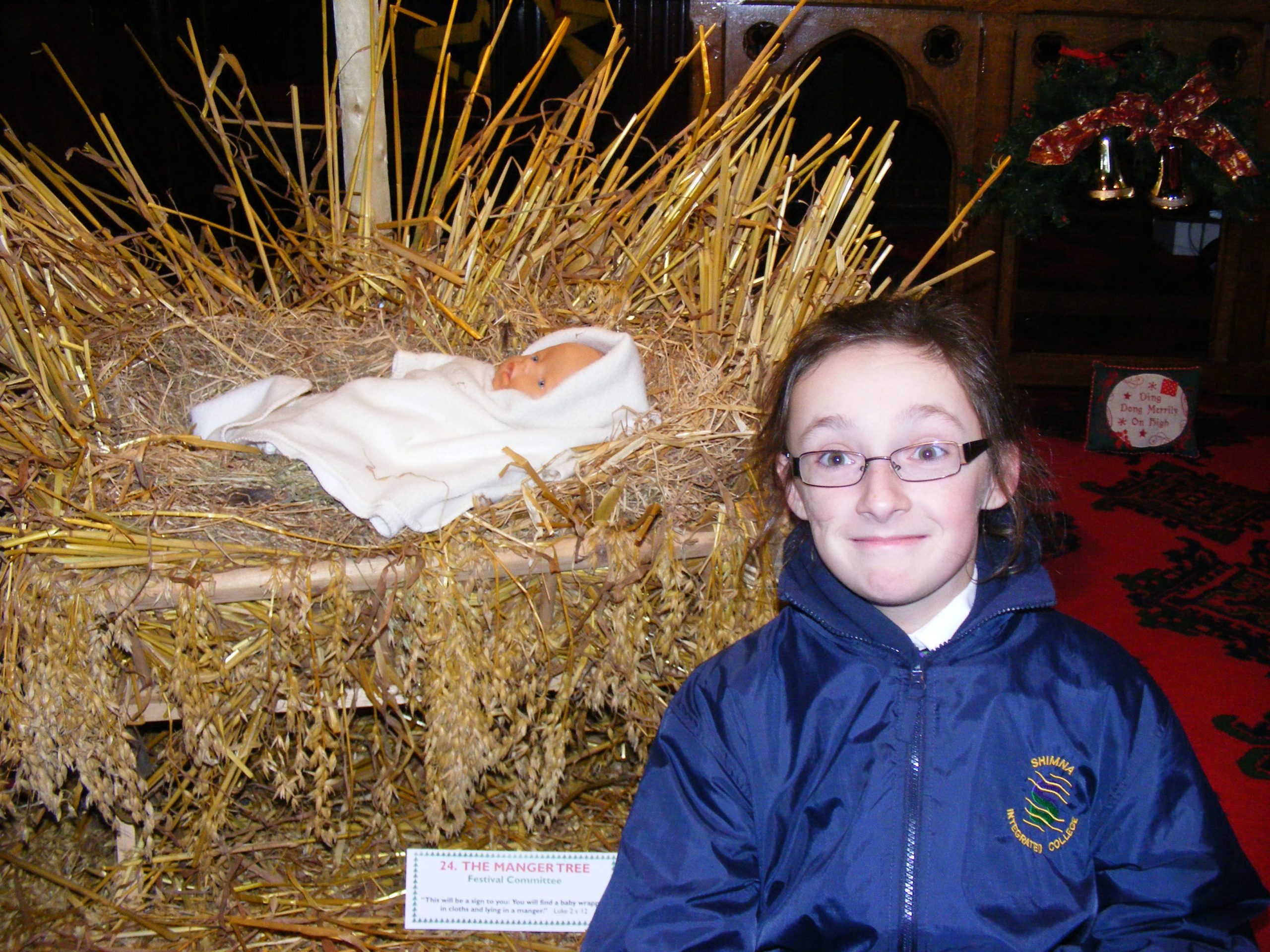
We accepted invitations to attend an adult baptism in Ballynahinch Baptist Church, a baptism in the sea at Annalong, an invitation to sing in Russian at the Women’s World Day of Prayer, to attend the Flower Festival in the Catholic Church, the Christmas Tree Festival in the Presbyterian Church, and held our St Patrick’s Day Service in the Irish language in the Methodist Church, led each year by an Irish speaking Presbyterian minister.
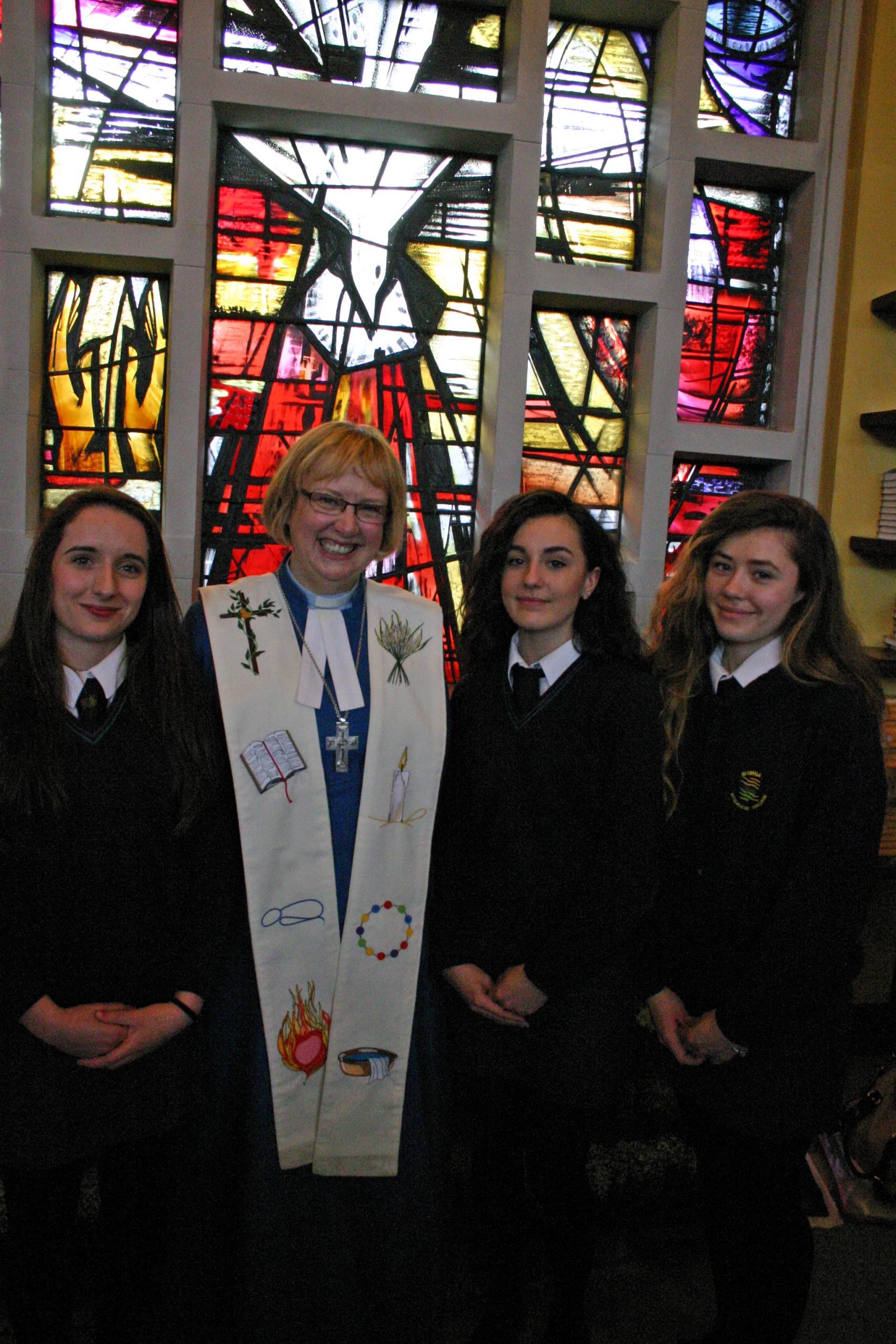
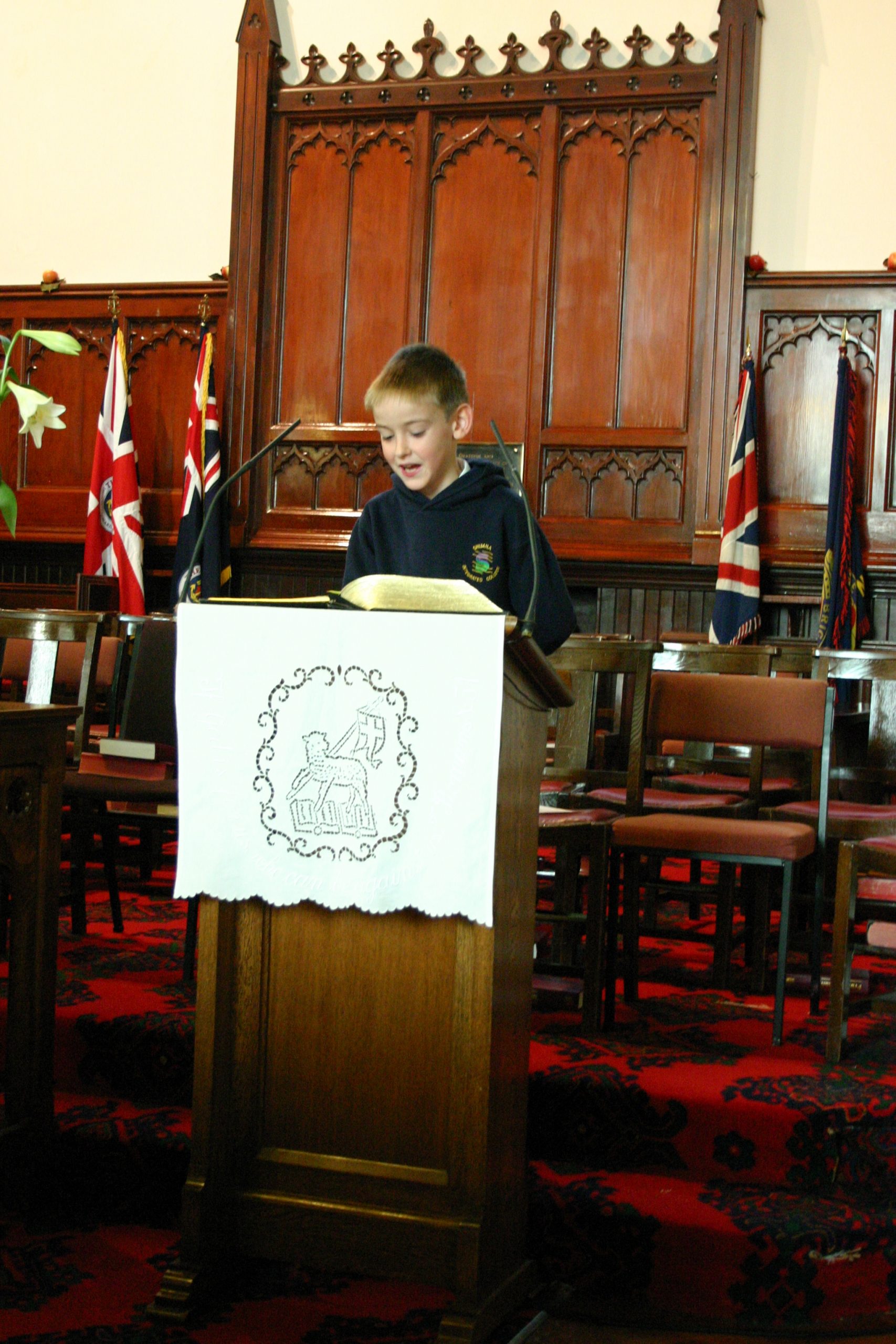
Staff and parents contributed to our assemblies covering the Jewish faith, the Baha’i faith, Islam and the traditions surrounding Chinese New Year as well as leading an assembly based on their own Protestant or Catholic background. The Gideons came to request an invitation to hand out copies of the New Testament as soon as our school opened. That was a real learning experience for us all. Some staff and parents had never heard of Gideons, while many still had the wee Testament they had been presented with at assembly back in their own school.
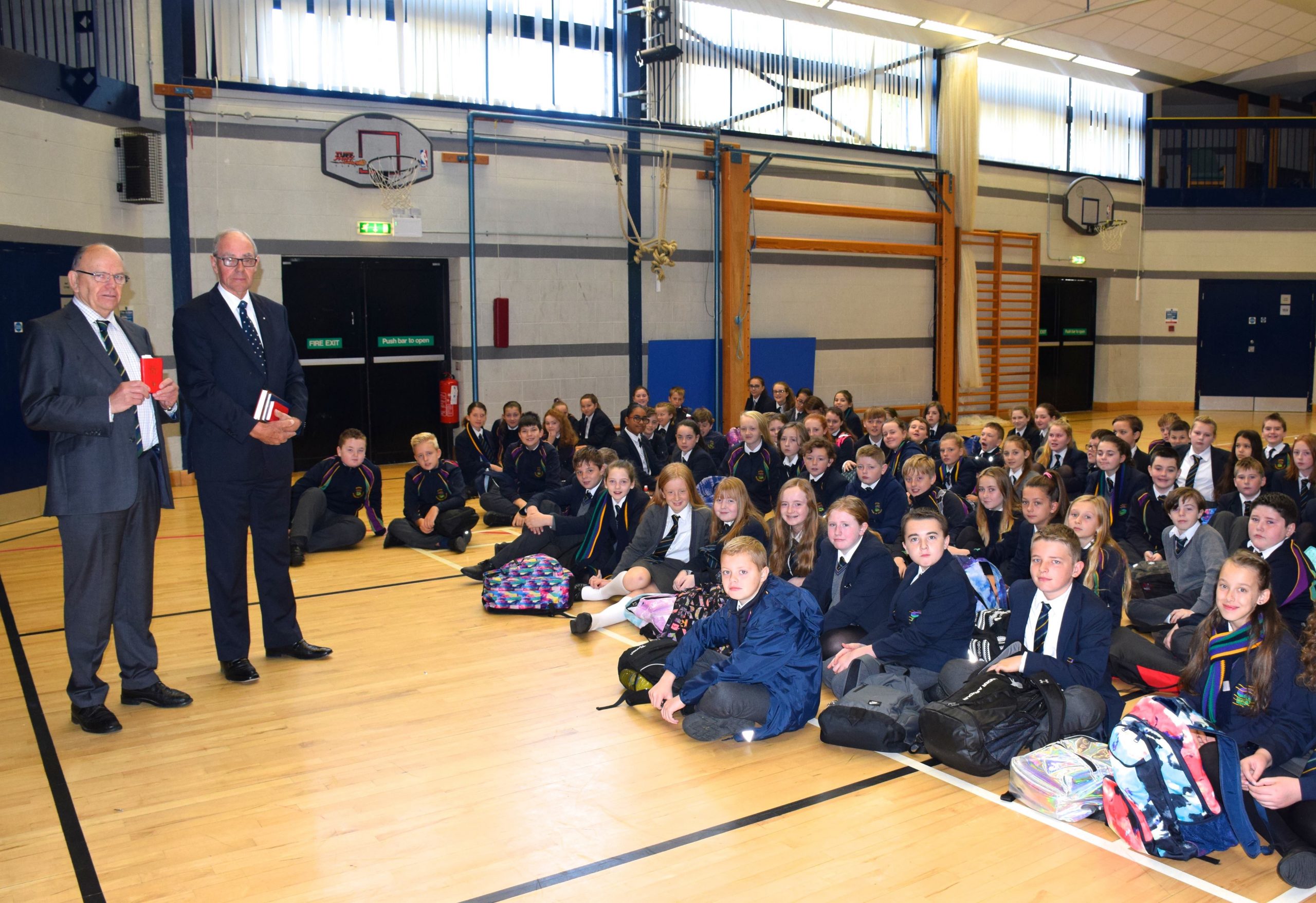
The Gideons took for granted that everyone would want to receive one, but were open to and interested in the reality that, given the choice, not every child would. The Gideons were annual visitors as long as their local group continued. We expanded our planning for the visits by ensuring that everyone would have the option of a Testament in their own language or an alternative text relevant to their faith. And of course, nobody was forced to accept one!
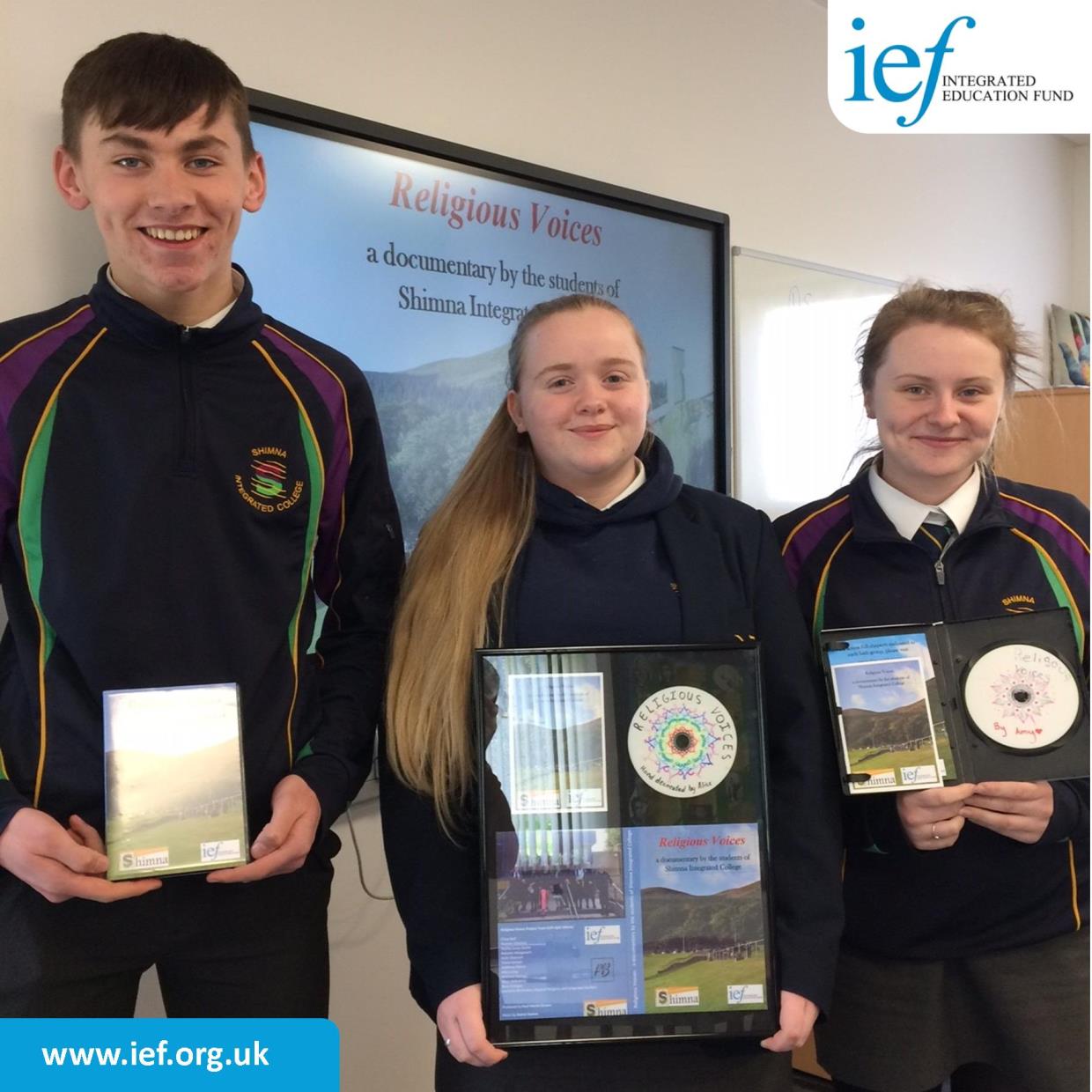
In Northern Ireland, we are all very aware of our traditional churches, and the impulse to understand more about minority faiths, beliefs, traditions and commitments came from our students. Head of Integrated and Religious Studies John McCloskey acted on the students’ request to know more and supported students in creating ‘Religious Voices’, a video exploration with people from those other faiths and beliefs.
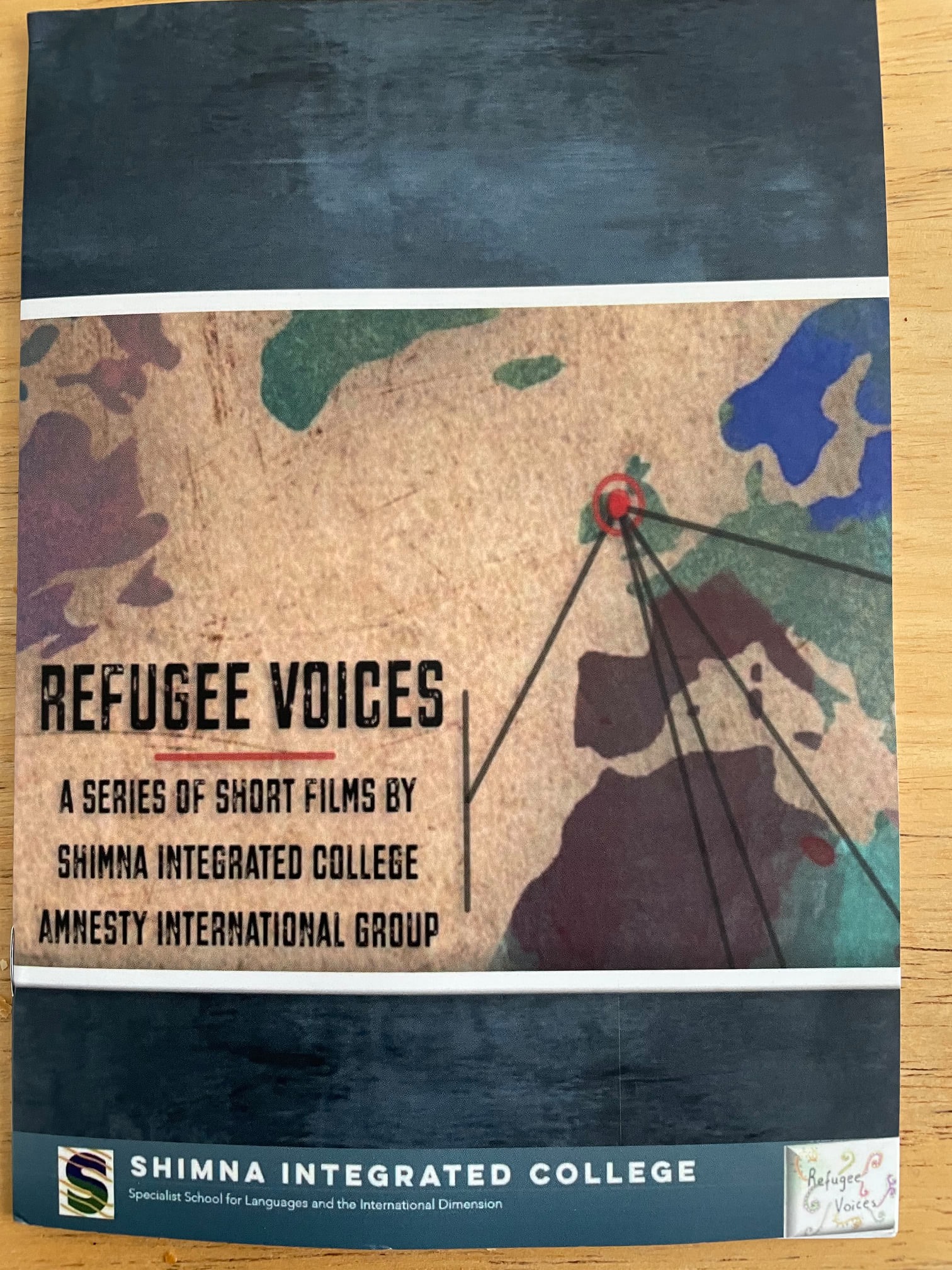
The result was a fascinating documentary, which was made available to all our integrated schools and was adopted by the Northern Ireland Probation Service for inclusion in their staff training programme. John came from a Northern Ireland Catholic tradition in the Bogside in L/Derry, and had taught in London for a number of years, experiencing the city melting pot of traditions, and so was in an ideal position to promote our students desire to broaden their understanding as Northern Ireland’s, and Shimna’s, population grew more diverse. The video speaks for itself.
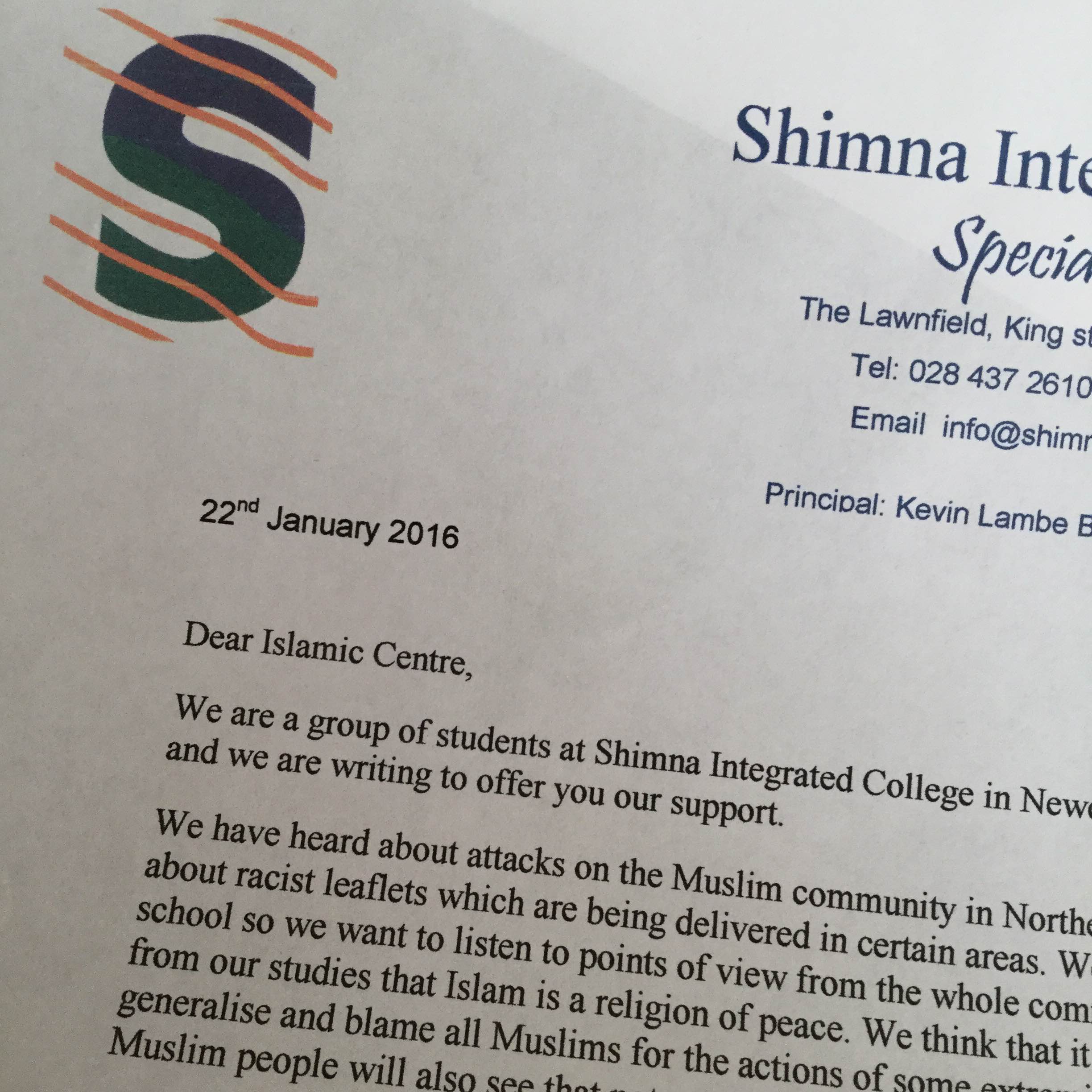
Alongside the work of our Integrated and Religious Studies department, and our programme of assemblies, our Alternative Chaplain, Shirley McMillan facilitated our Umbrella group for people of all faiths and none. The group met regularly to explore issues of faith and belief, to understand the differences among us and to support faith groups under pressure. The group comprised students with a range of faiths and none, and later found a home in Shimna’s Gay Straight Alliance, the first in a school in Northern Ireland. When our GSA started, we received a letter of support from the School of Divinity at Yale University in the USA, and the pattern of a group of students and their friends and allies further developed the work of the Umbrella group.
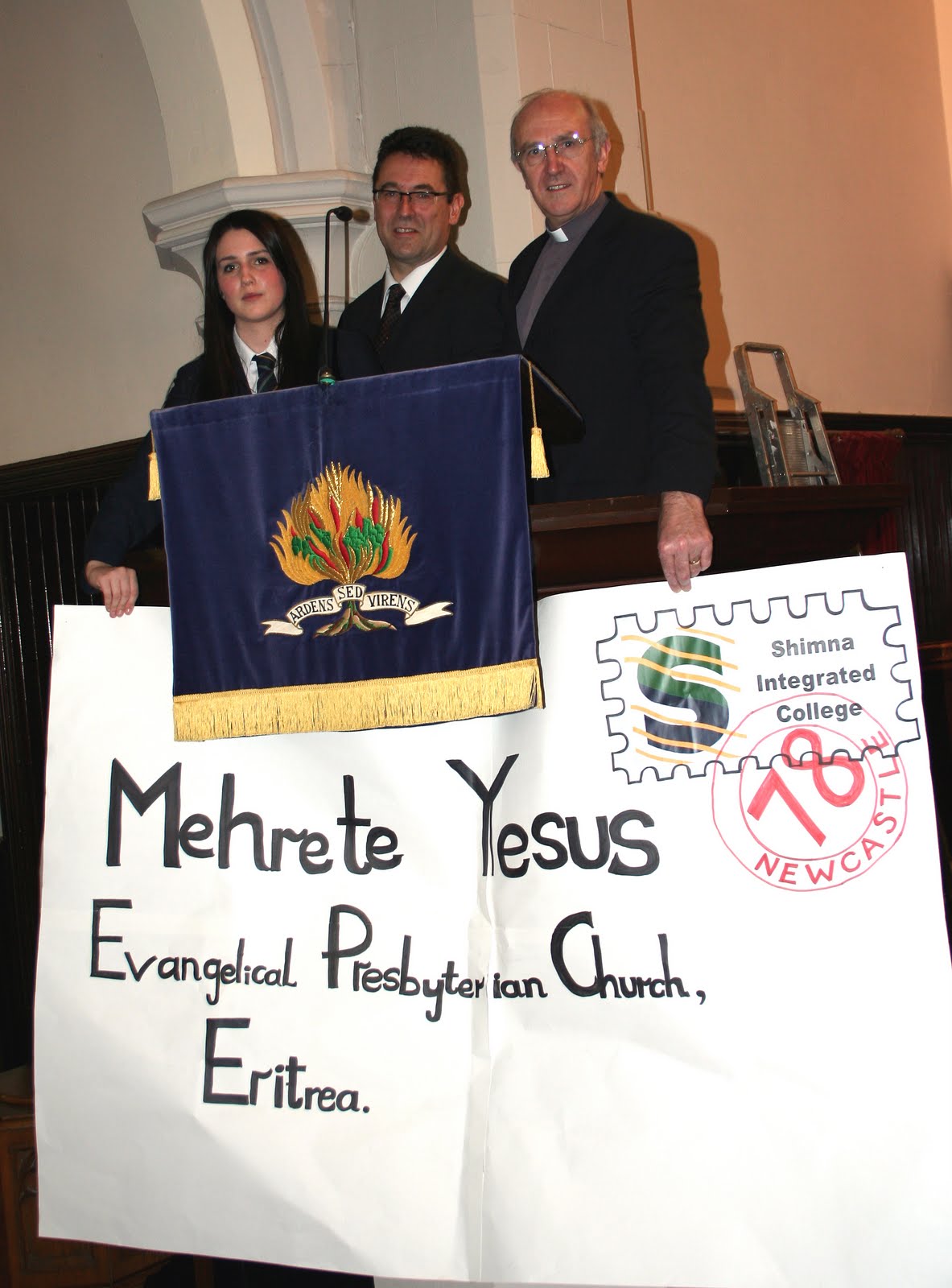
Our Scripture Union had an unusual beginning for SU in Northern Ireland. Shimna founder grandparent Edna McNeilly was a woman of faith, and an active member of the community of churches in Newcastle. She proposed founding an SU in Shimna. The idea met with considerable resistance among other founding parents, most of whom had had enough of religion in Northern Ireland and were sceptical of a religious organisation which, although perceiving itself as open to all, had clear denominational roots. Principal Kevin Lambe, himself an atheist, was taken aback to find himself arguing the case for SU. He reminded founders that Integration is never about losing your identity, but about bringing your identity into integration to share. As an atheist, whom are you going to integrate with?
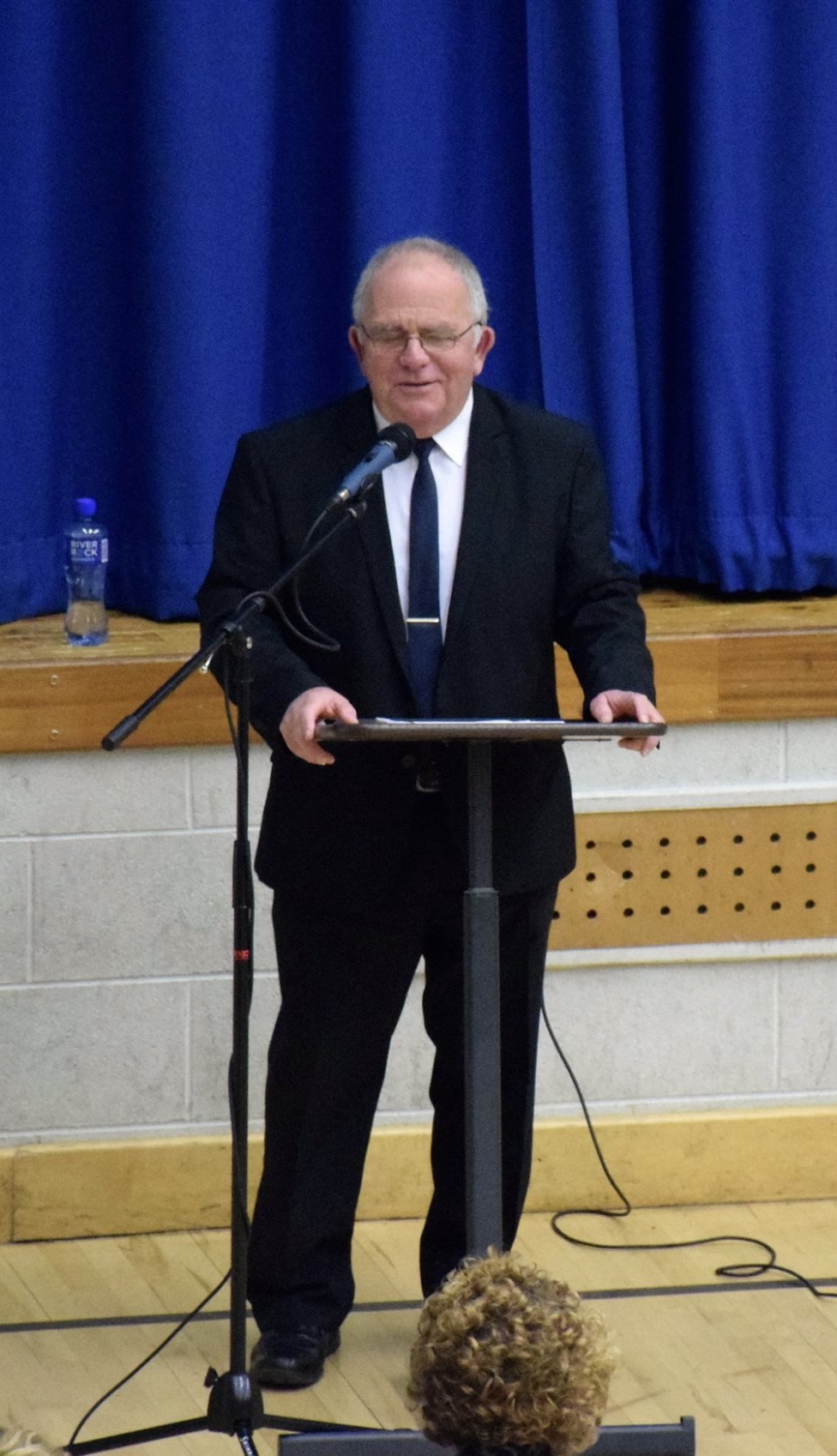
Of course the role of the principal is always key to the relationship a school will have with the faith communities within and around that school.
Kevin’s own existentialist assemblies formed the backbone of our approach. We learnt from everything he shared from his experience, and were also inspired to take our turn and share what we had to bring.