After much research and heartsearching, we settled on a diploma course in Public Services. The course offered compulsory units in team work, planning and organisational skills. The course also offered optional units in expedition and volunteering which suited our location and circumstances perfectly. The students taking the diploma course had already sat their GCSEs, and the diploma would add four more awards to their tally, as well as allowing anyone who needed to repeat their crucial maths and English GCSE to do so.
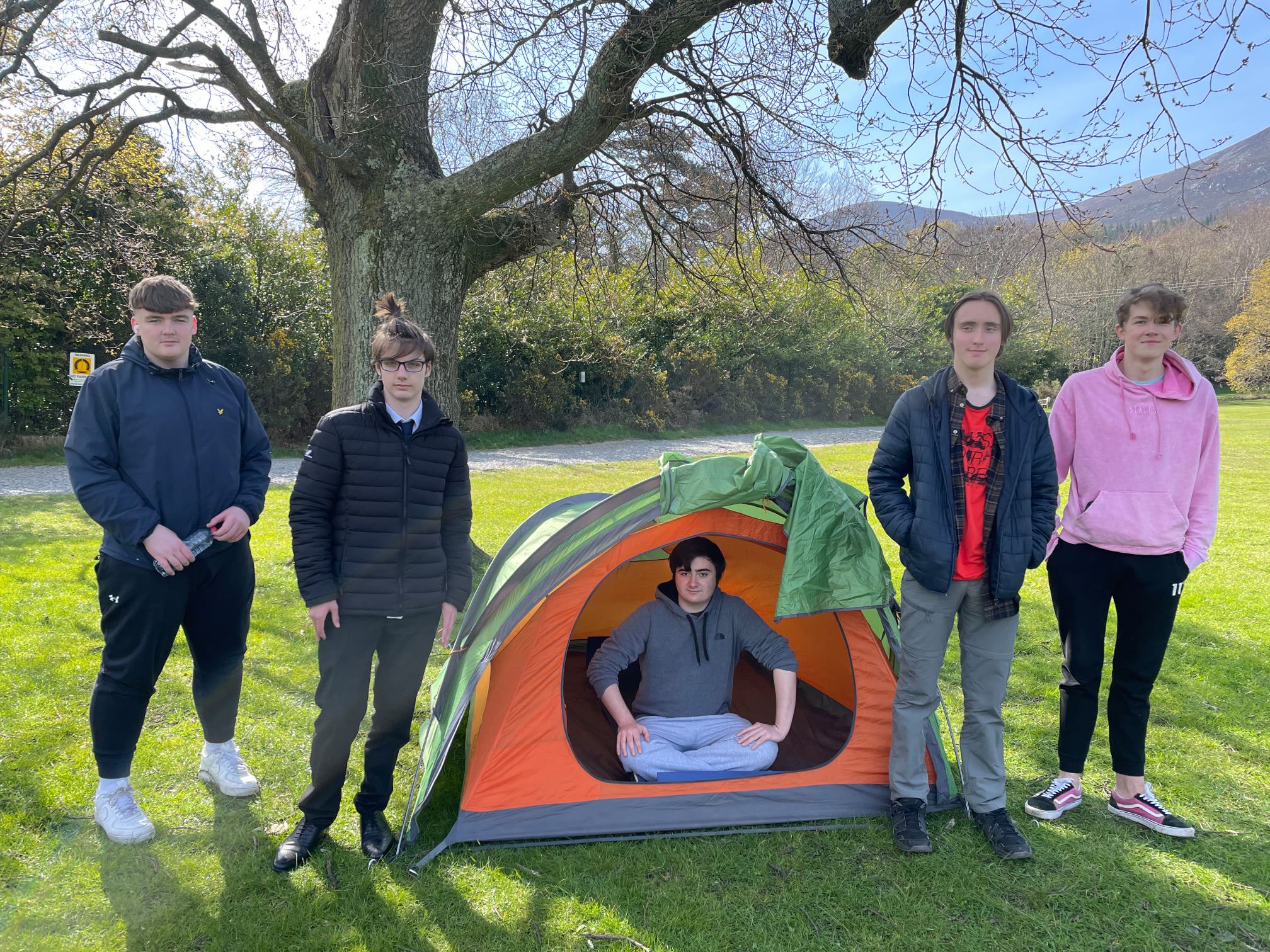
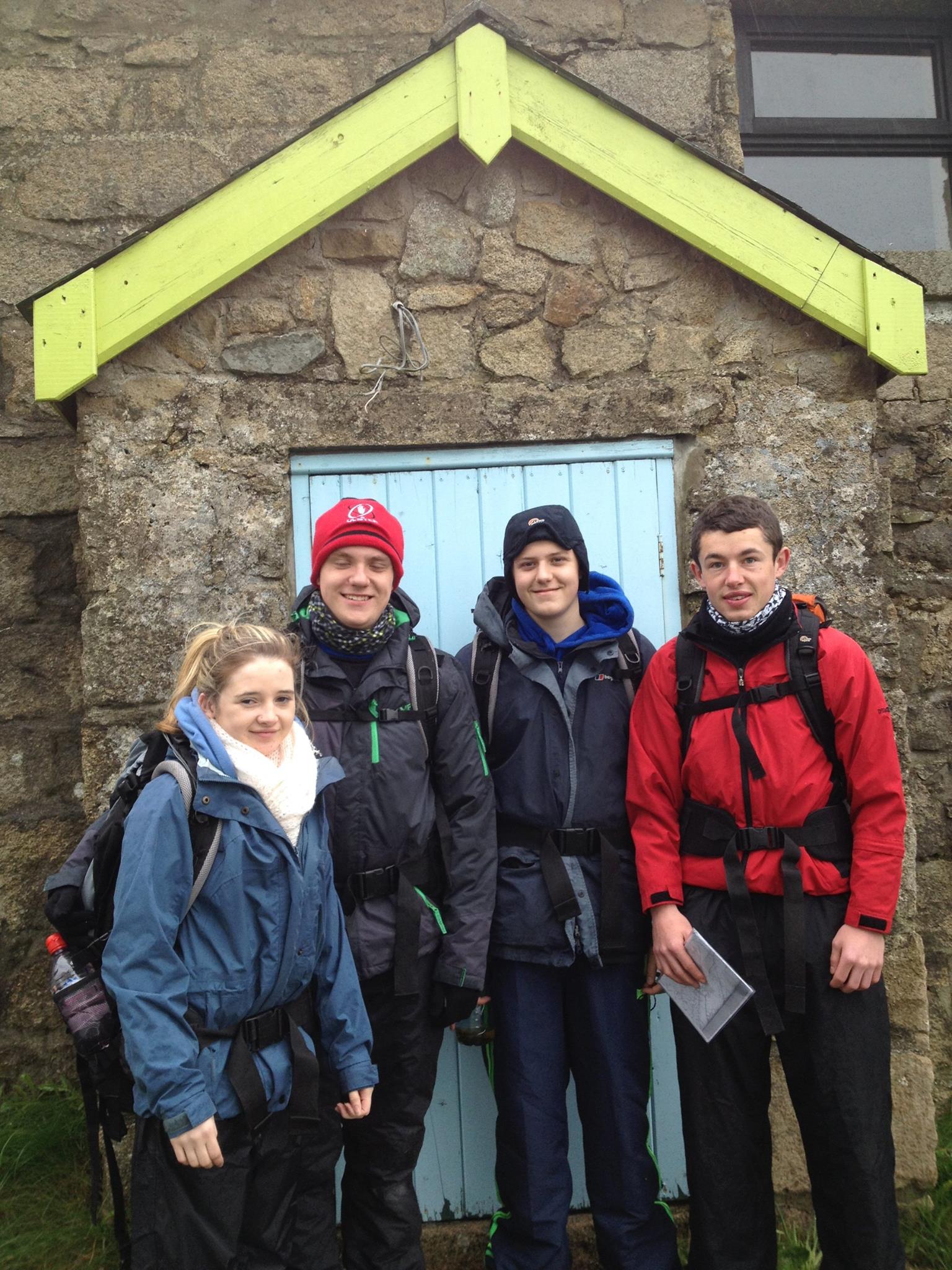
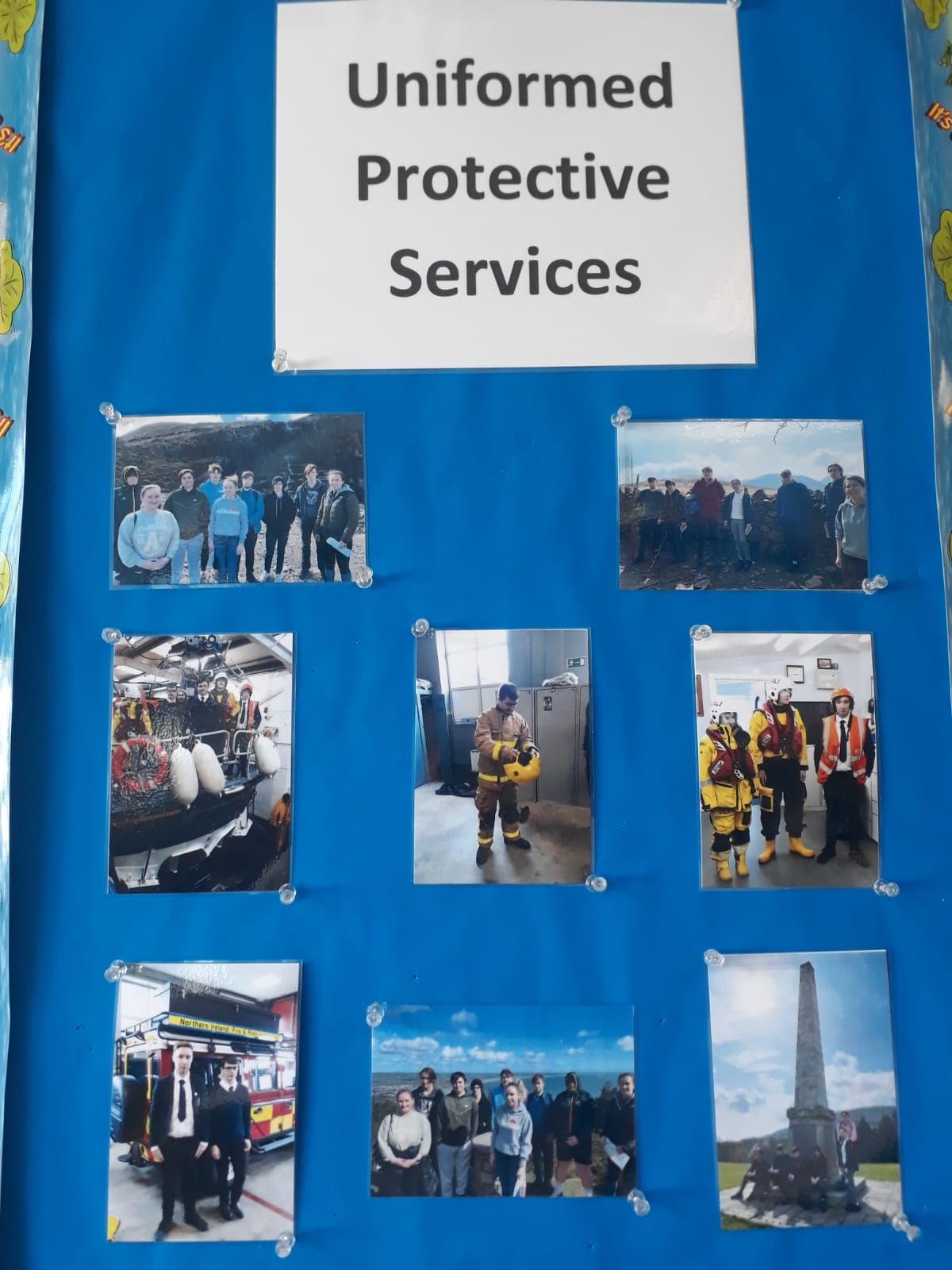
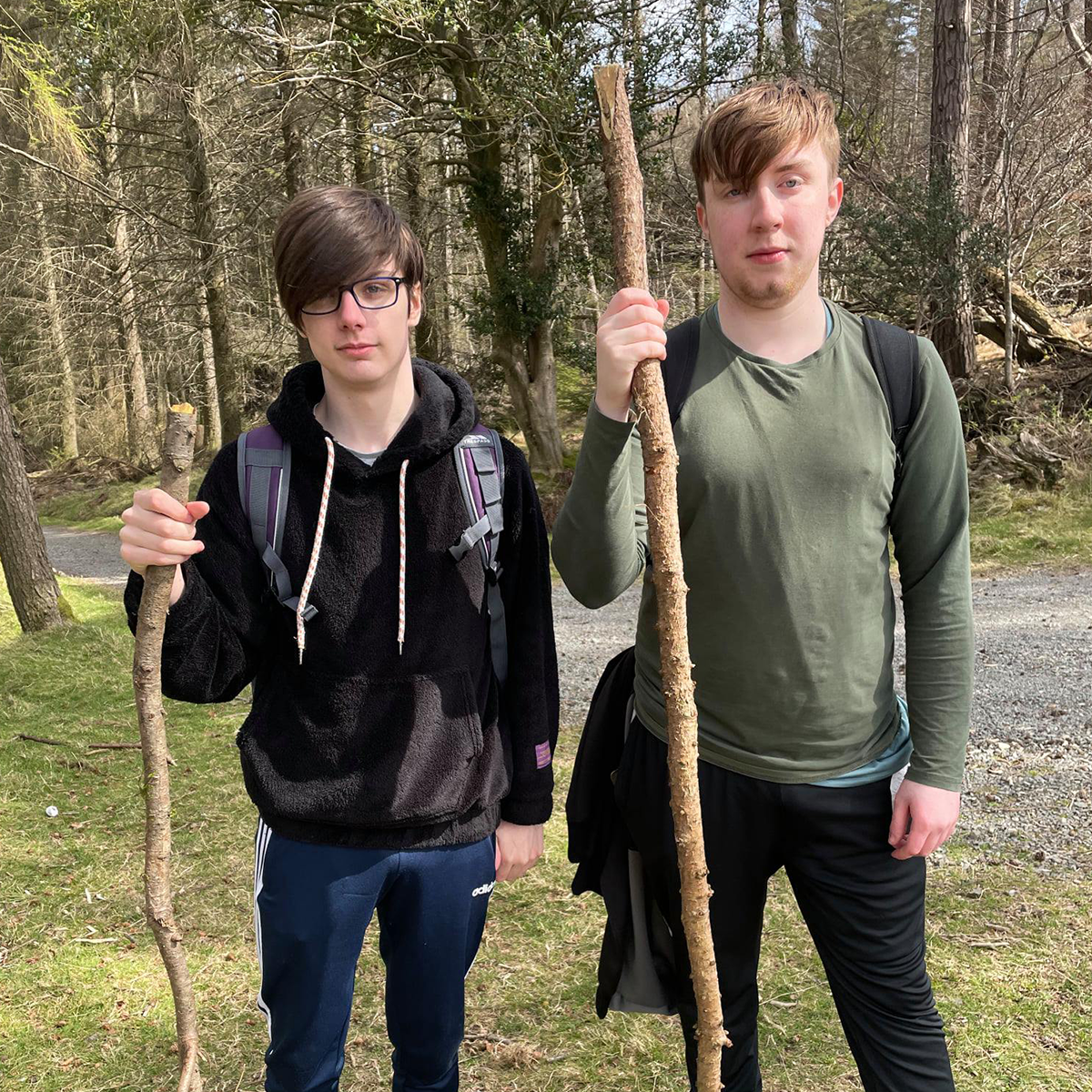
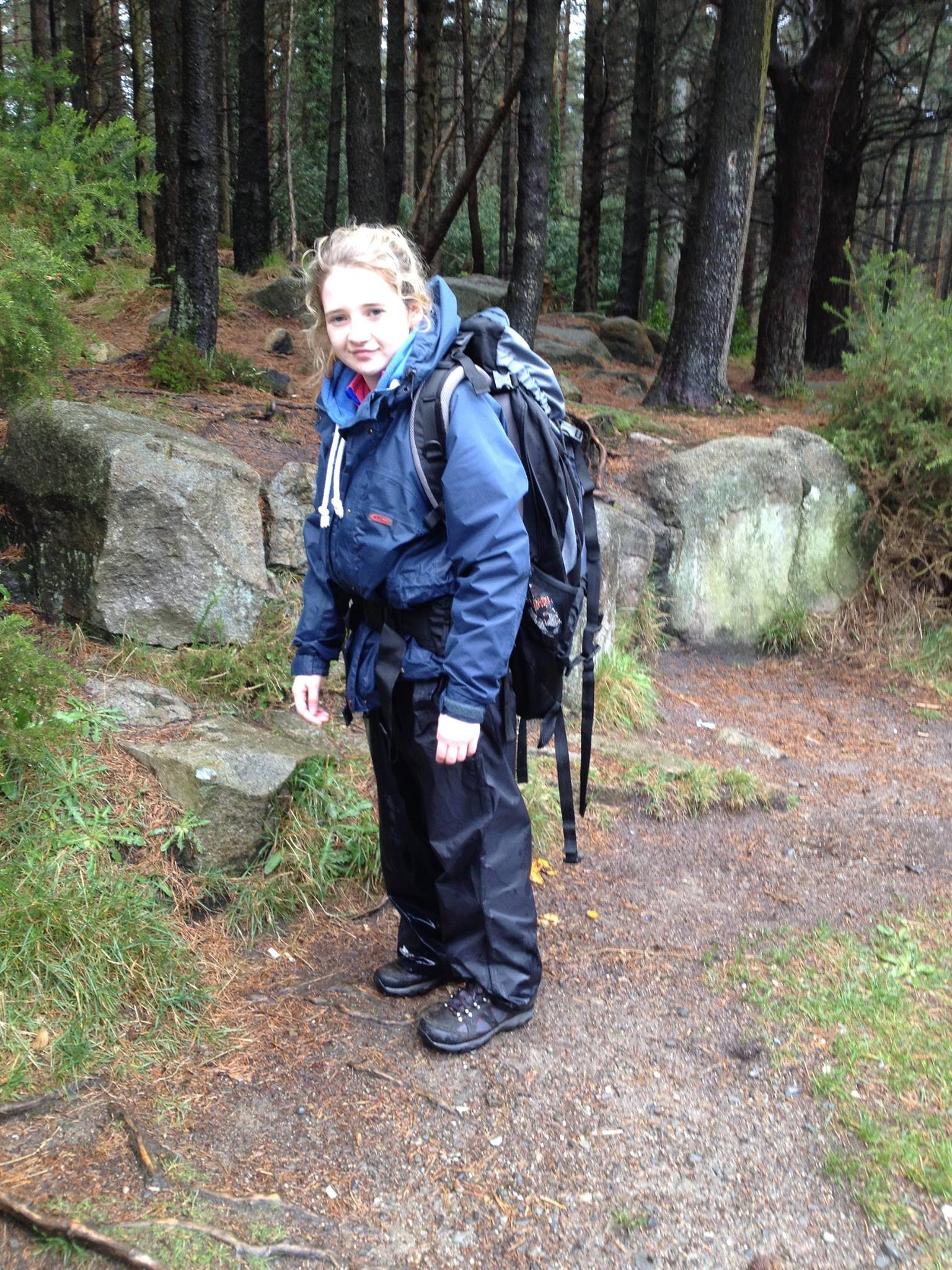
The expedition section allowed us to make the most of our glorious situation on Slieve Donard and right beside the sea. Compass work, camping, rucksack packing, map reading, weather watching, route planning etc. all completed, the students headed off into the hills. Practice expeditions set off directly from Shimna, up the Bogie Hill. Donard Park was right beside us for campcraft training and outdoor cooking sessions. Overnights at Meelmore Lodge tested the expeditionary water, while still promising the comfort of a hot shower and a loo.
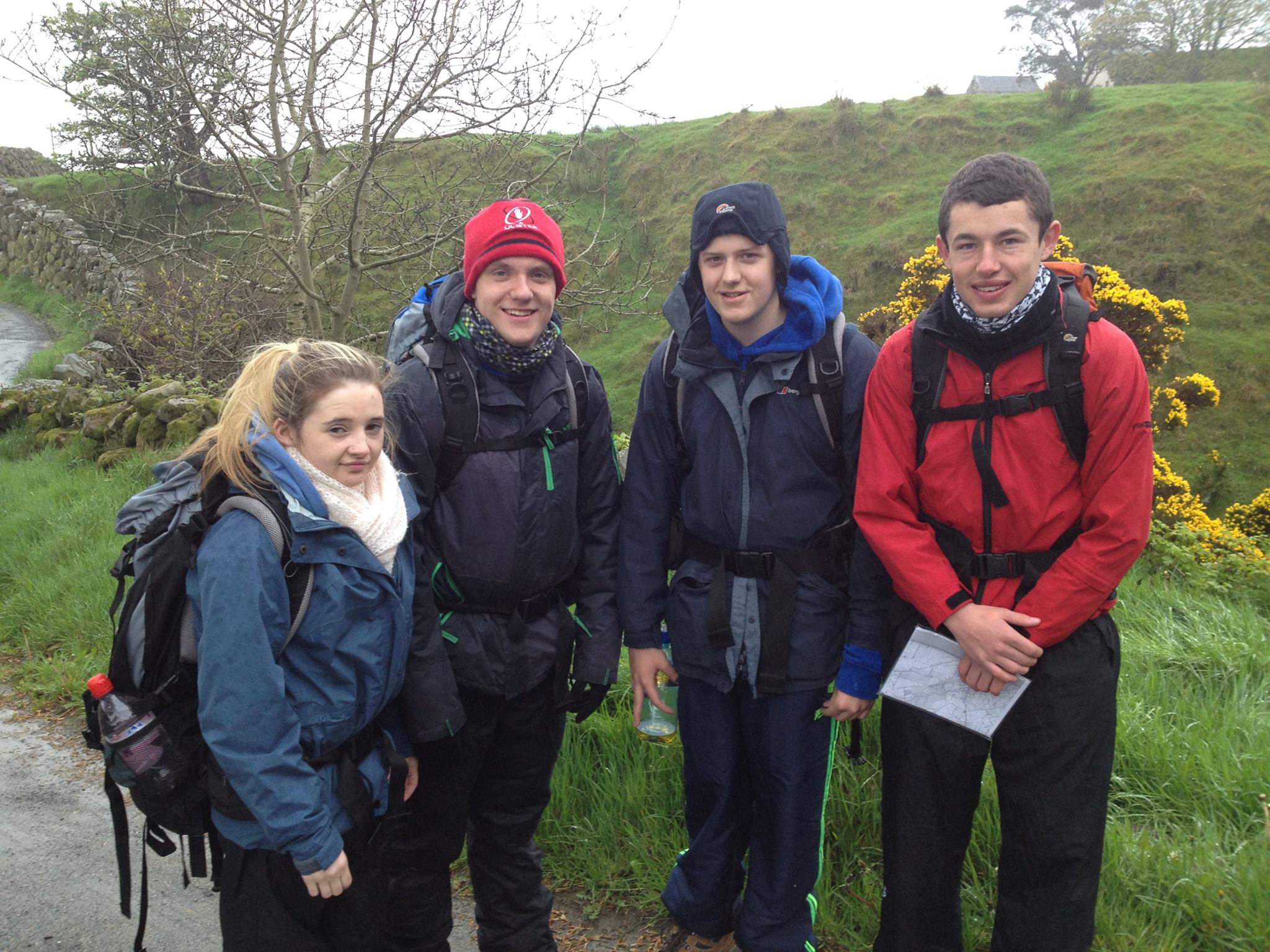
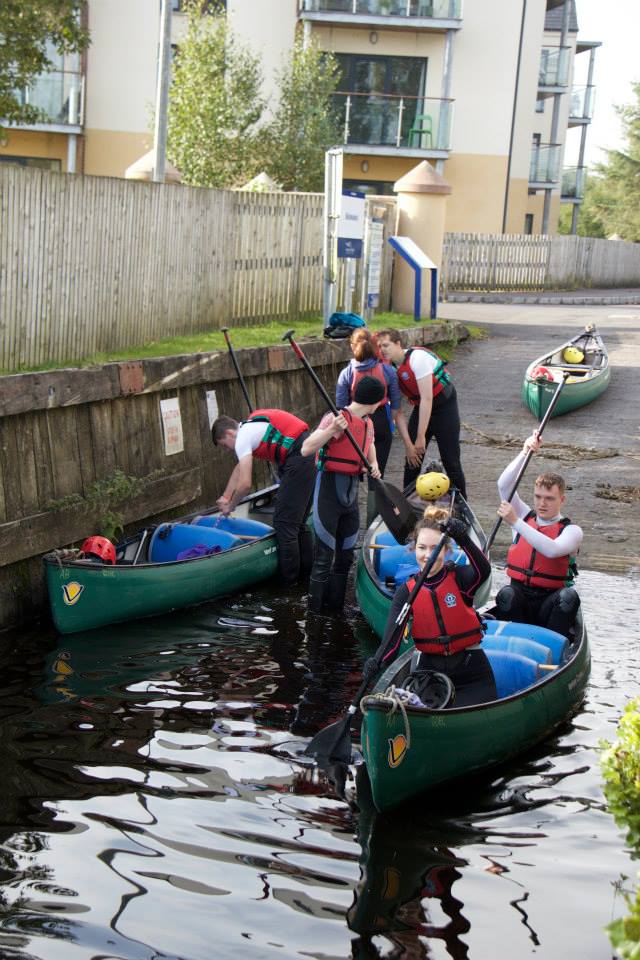
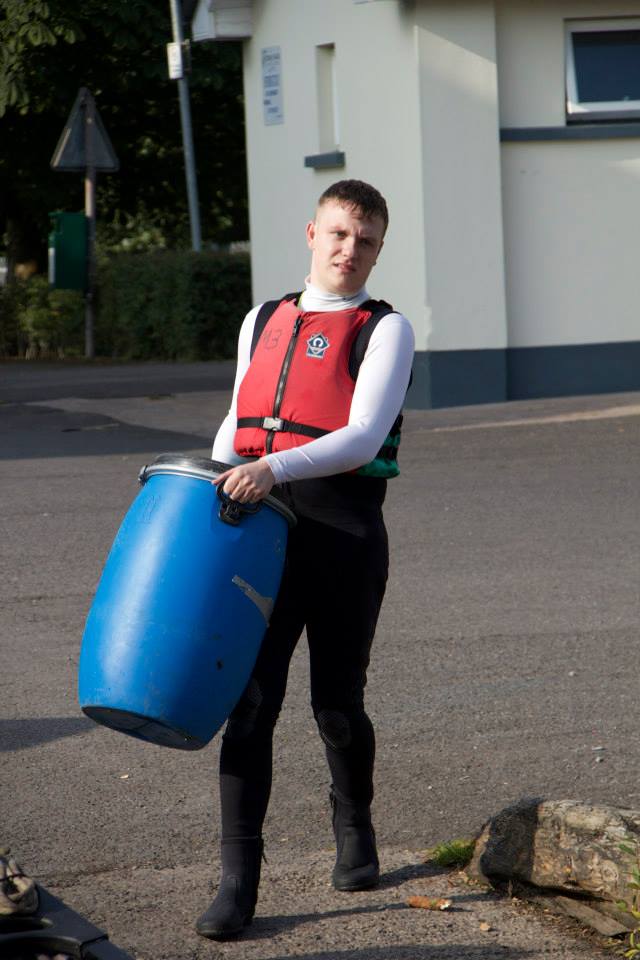
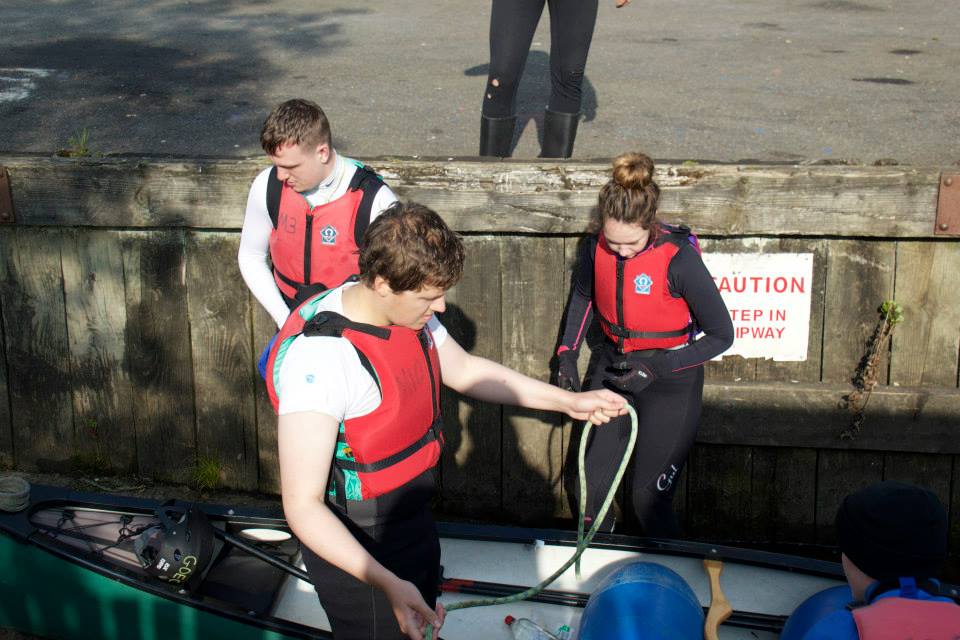
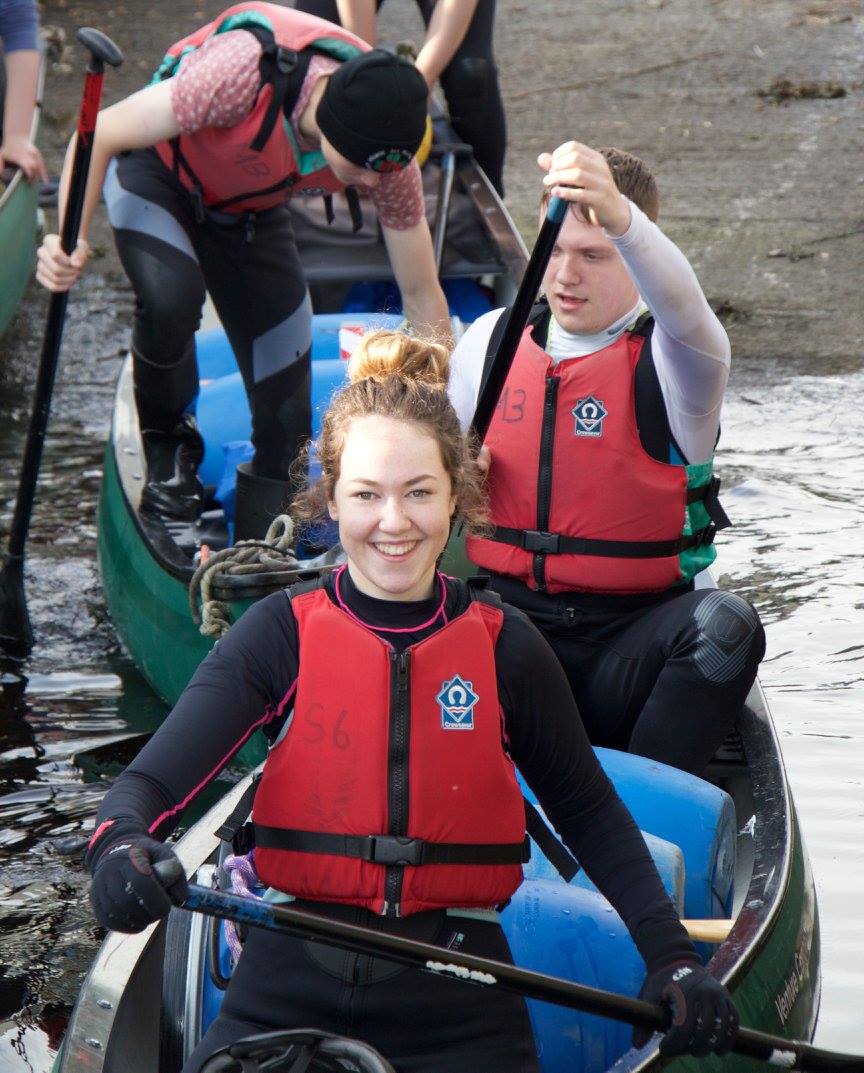
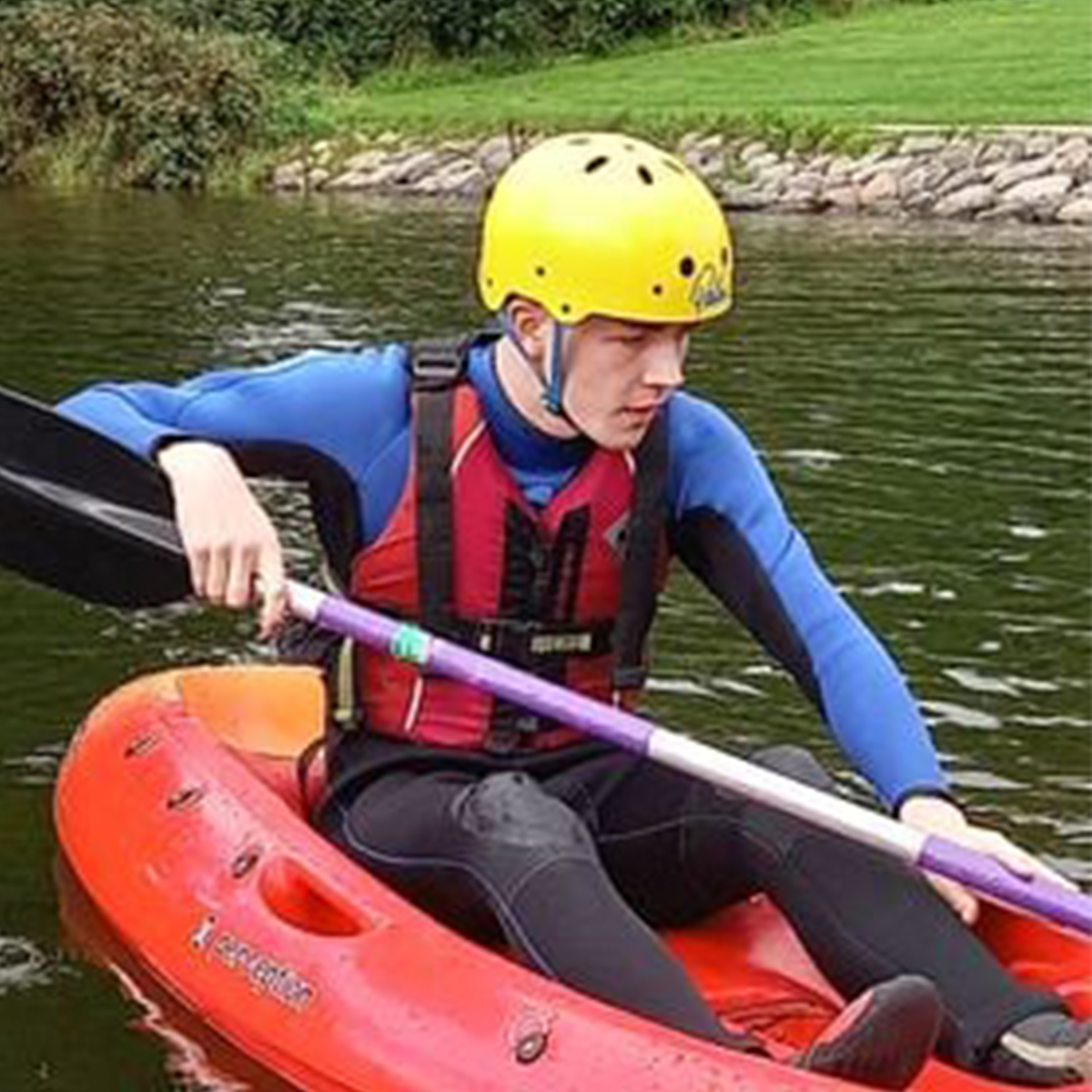
Then it was out on the real thing. Most years, the expeditioners headed into the hills, but one year, teacher Campbell Mayers capitalised on the water based skills within the group and headed off to Fermanagh for a canoeing expedition. With three qualified powerboaters in the crew and Leanne a qualified sailing instructor, they had plenty of experience to build on.
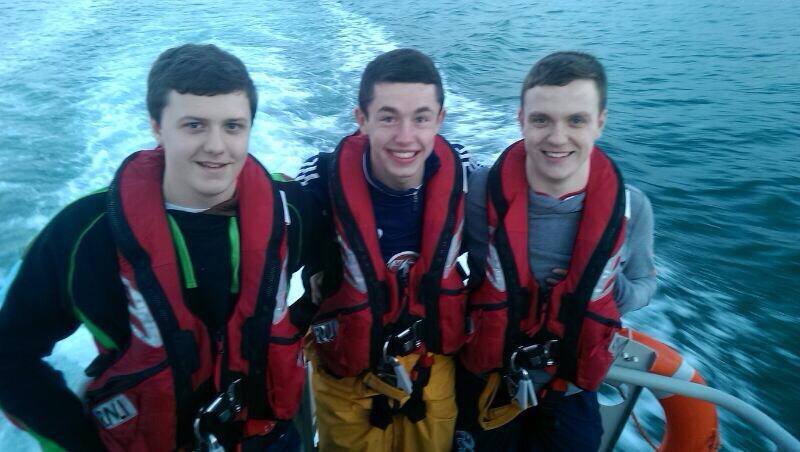
For Aaron, Cade and Ryan that powerboat unit was the draw, and neighbour Fiona Mullan put the students through their paces as they undertook their inshore powerboat qualification.
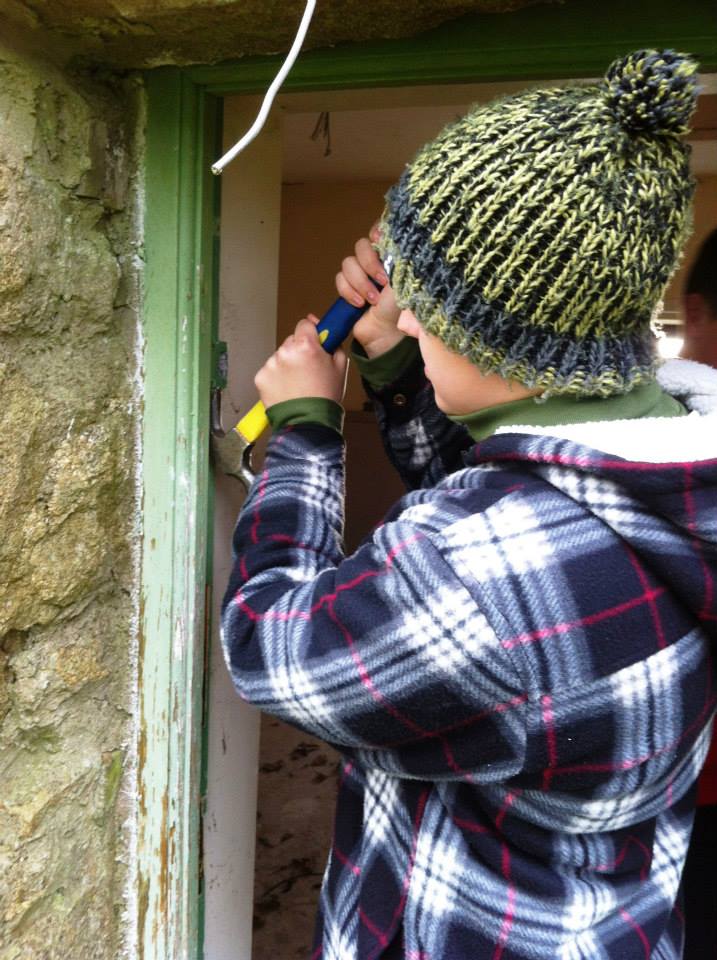
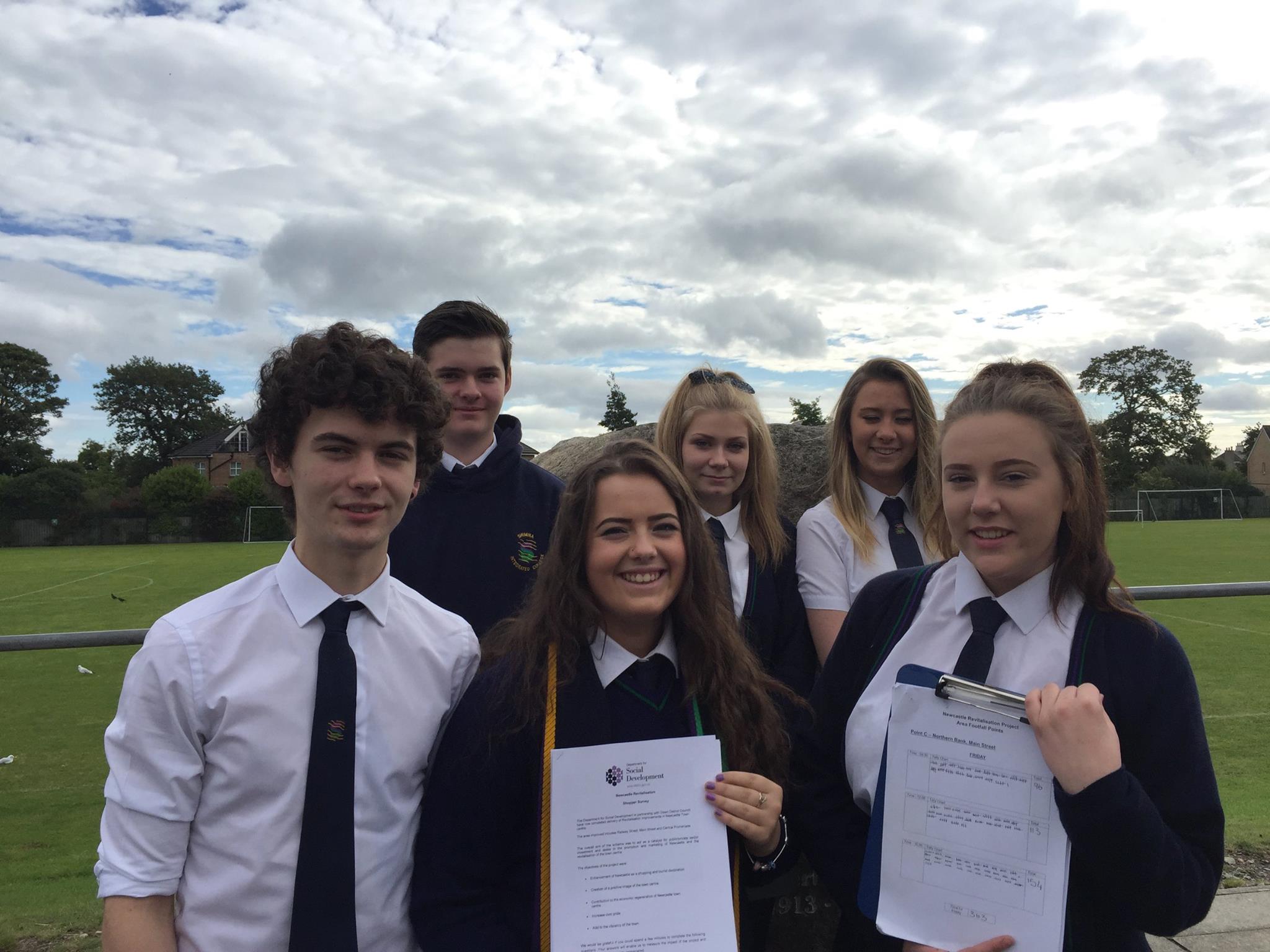
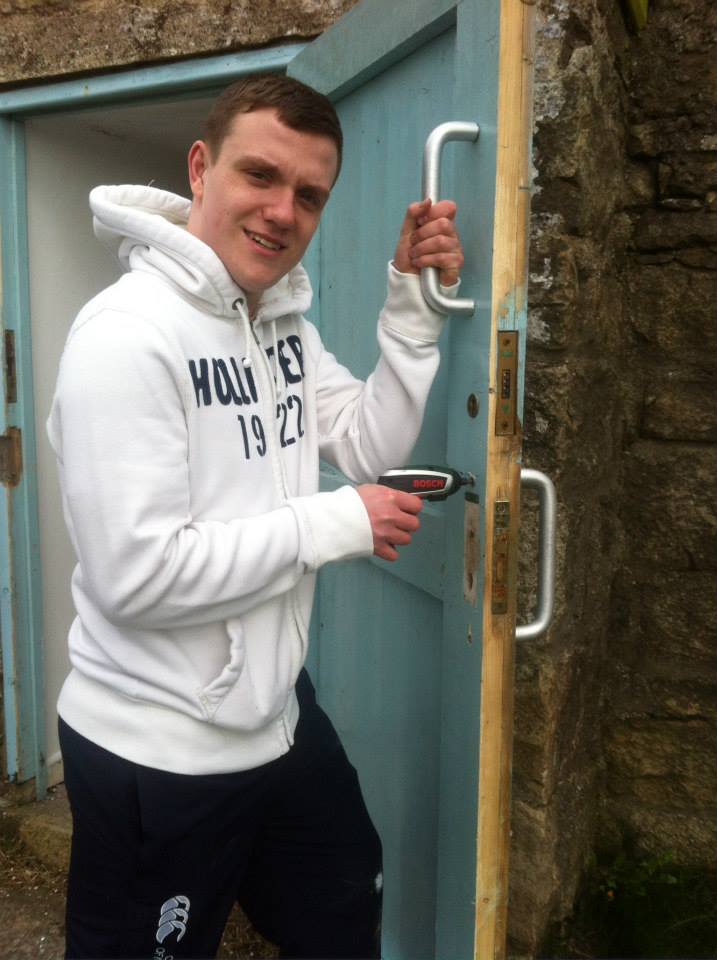
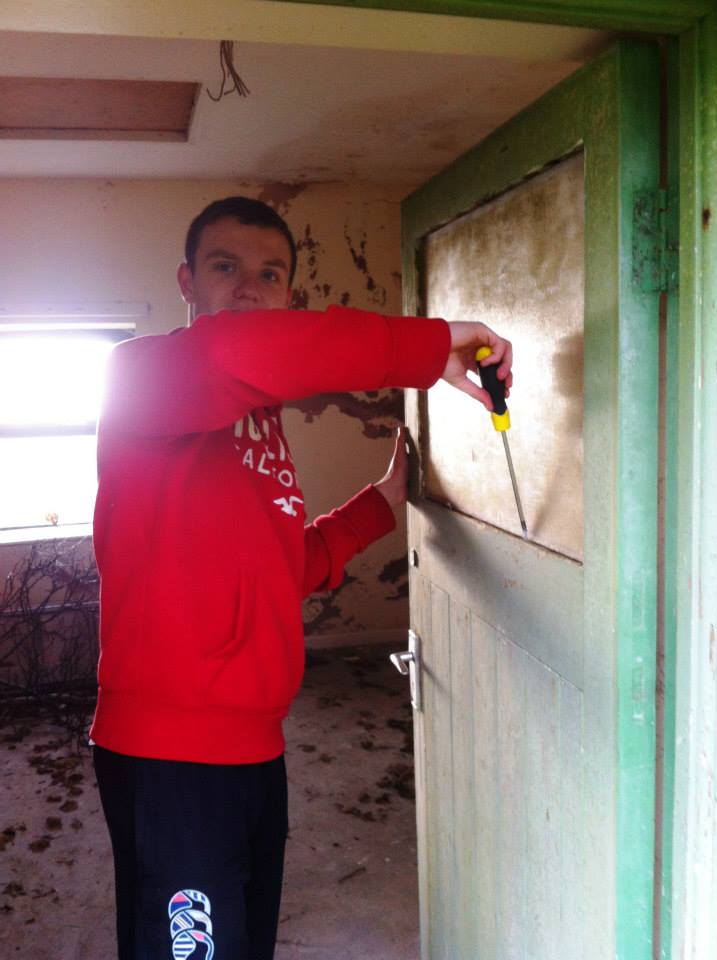
Of course developing personal skills was only part of the purpose. The students also volunteered in all sorts of roles. Robbie Mulholland provided the training which allowed the students to carry out essential repairs at the Haughian House: drilling, replacing locks, sweeping out, painting, the works! Students also volunteered with the local community, carrying out a major footfall survey for the council in order to inform planning for the development of Newcastle’s shopping street, traffic arrangements, parking, amenities etc. There were of course also plenty of volunteering opportunities in the school: hosting parent consultation evenings; running a 6th form tea bar; housekeeping in the 6th form common room; providing catering for school events.
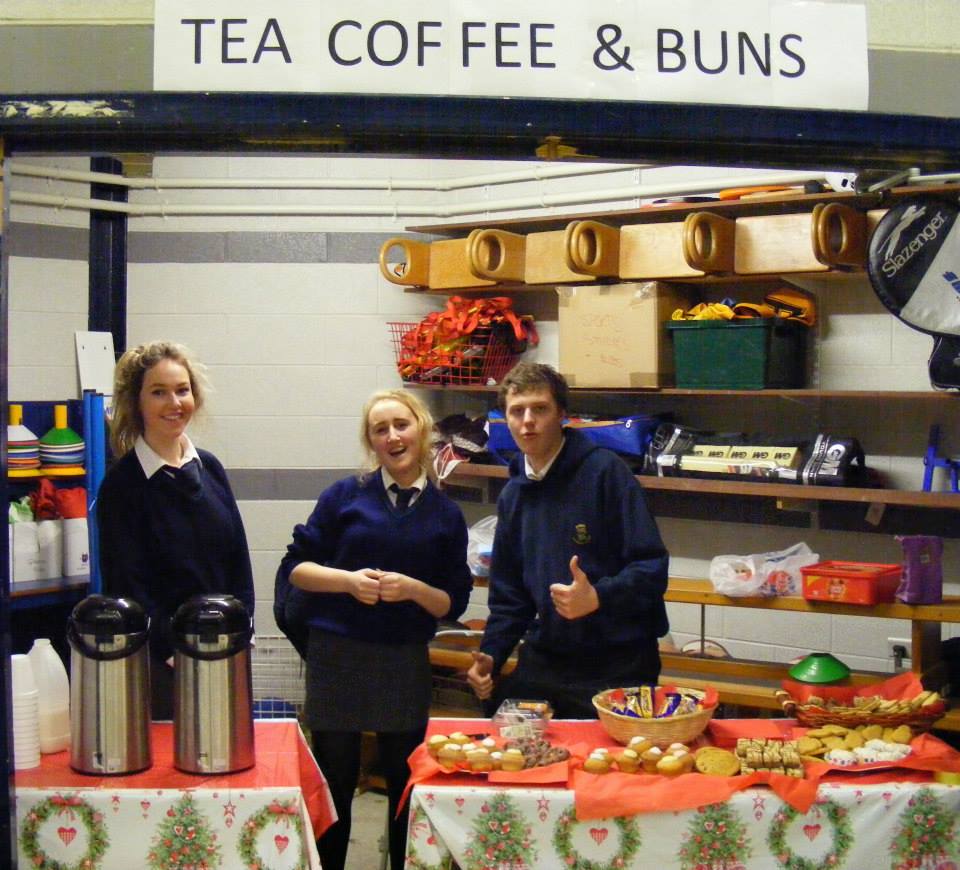
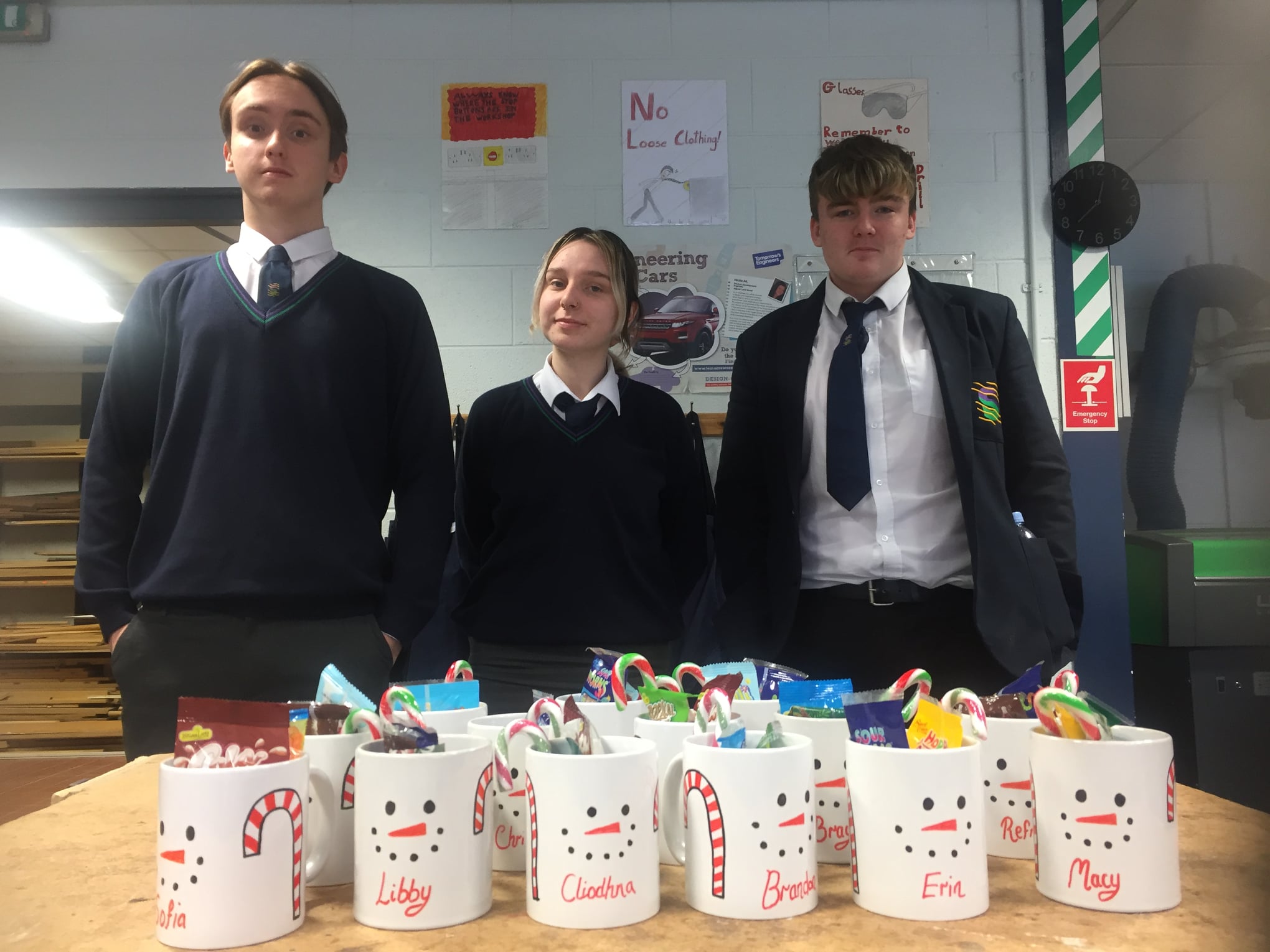
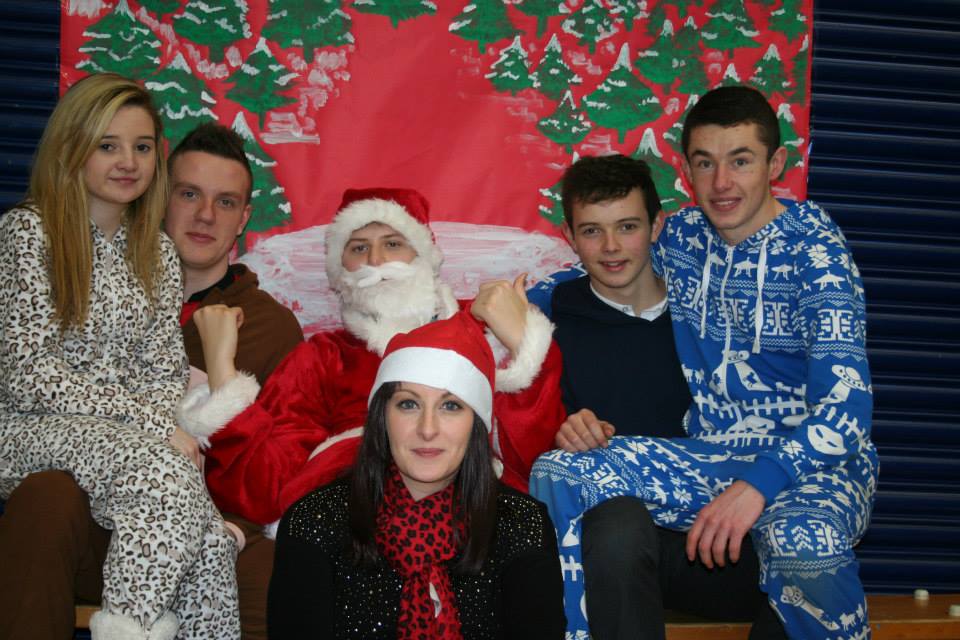
Enterprise projects also formed part of the course, and the students organised a highly successful Christmas Fair for our younger students. Another generation of students created a range of decorated mugs to sell, and joined in the Christmas spirt by filling them with sweetie treats.
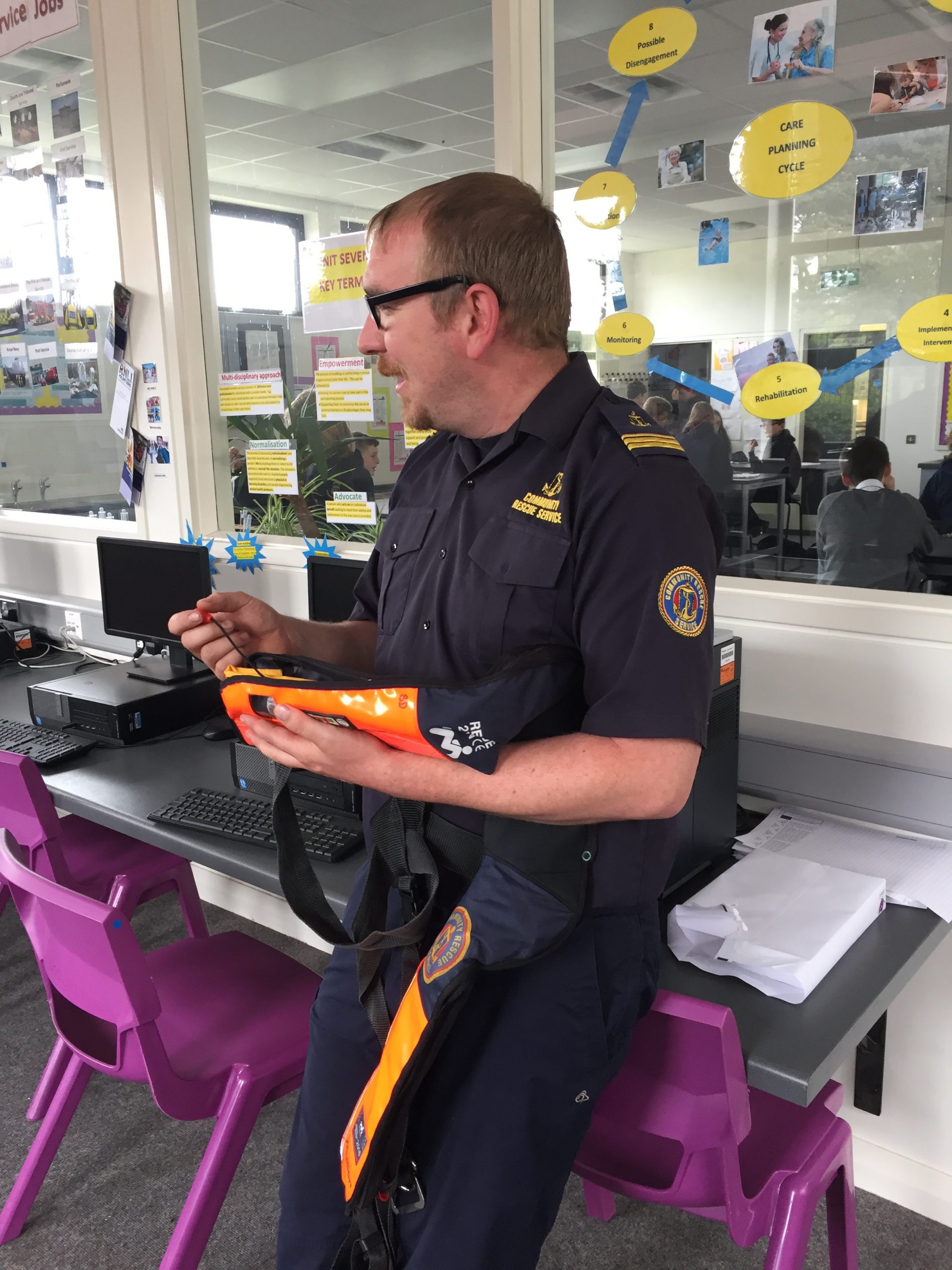
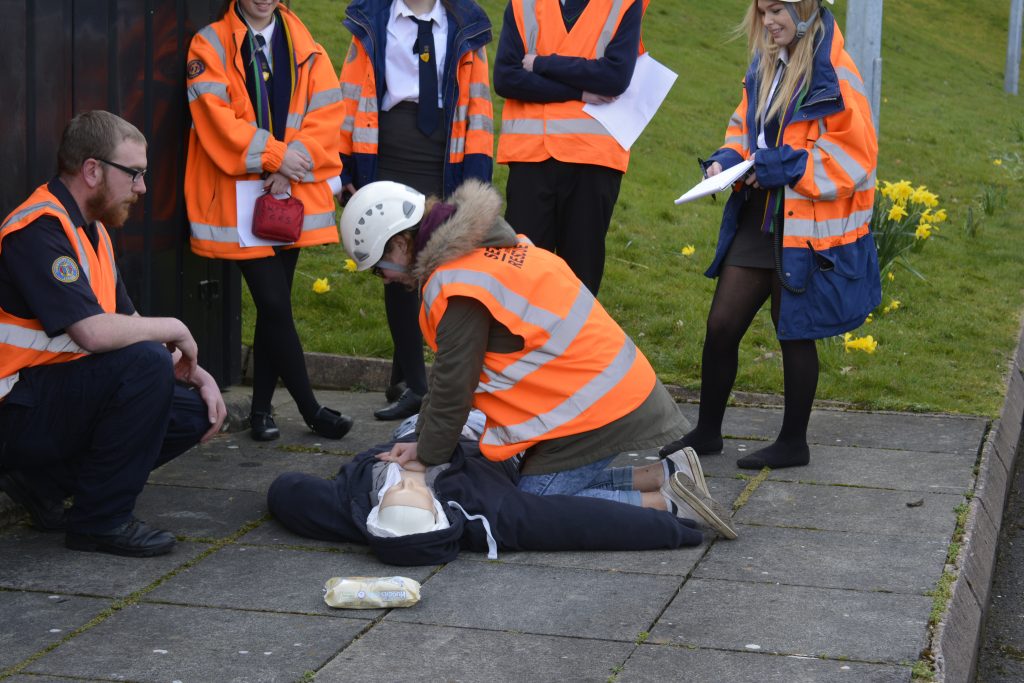
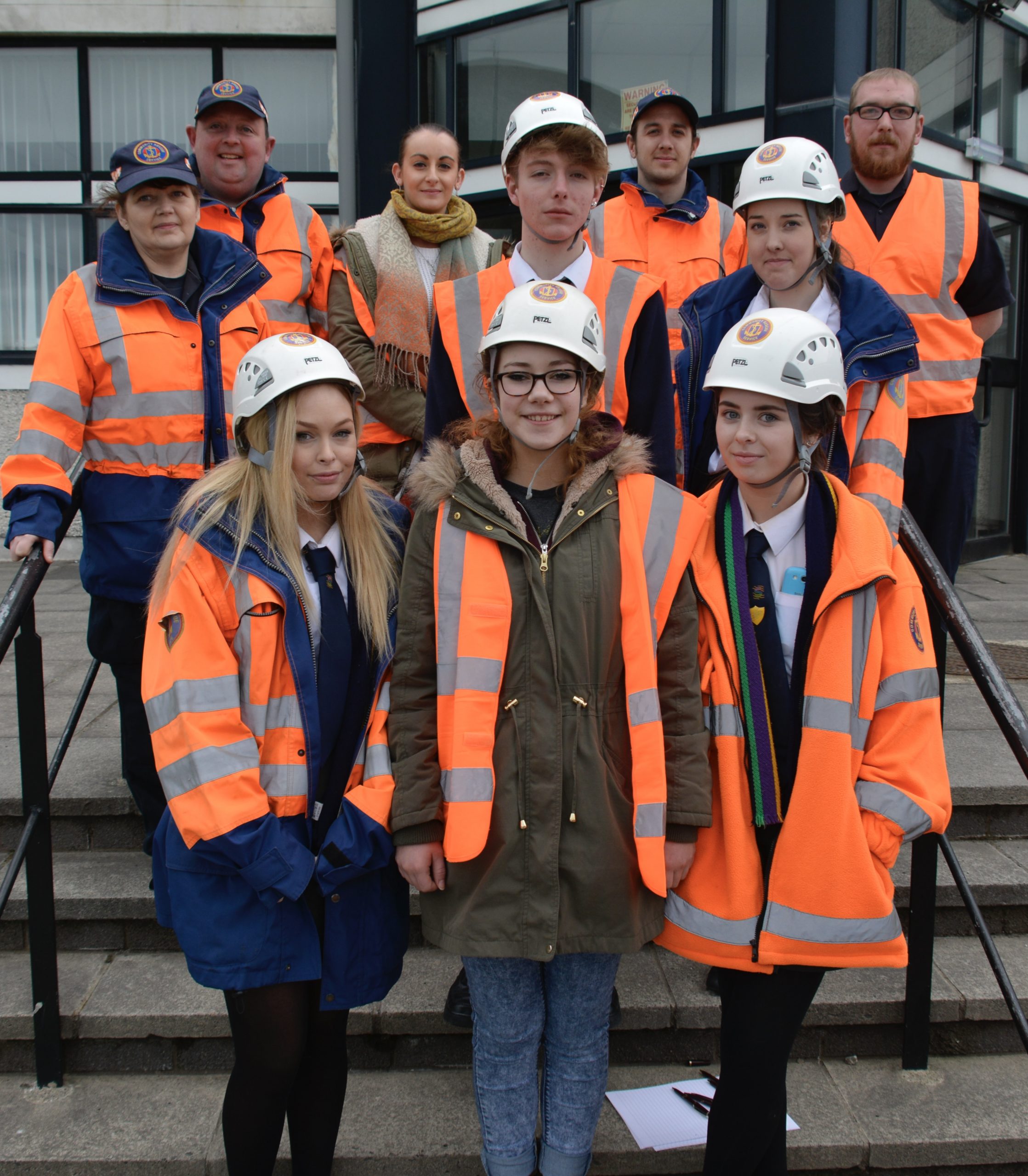
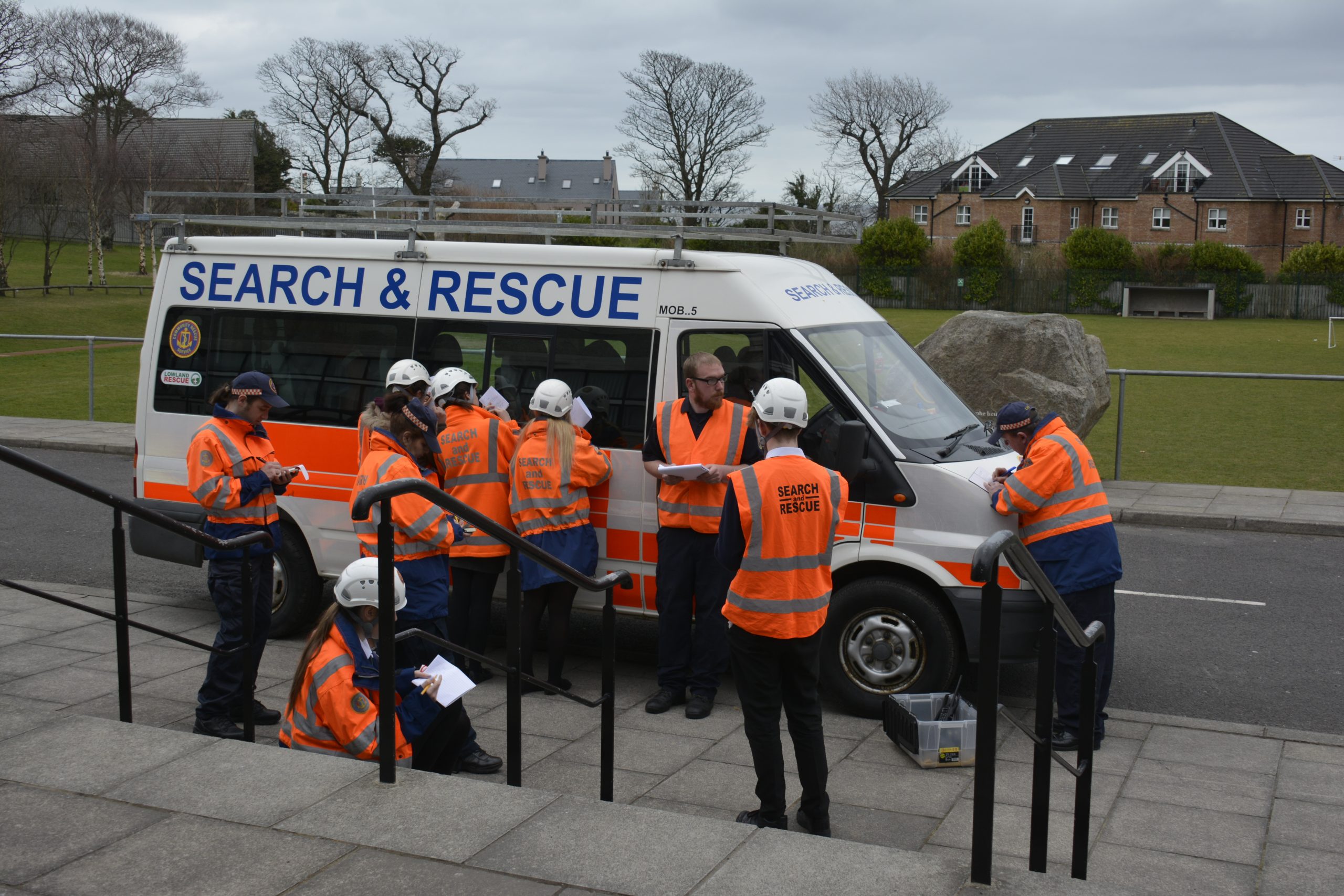
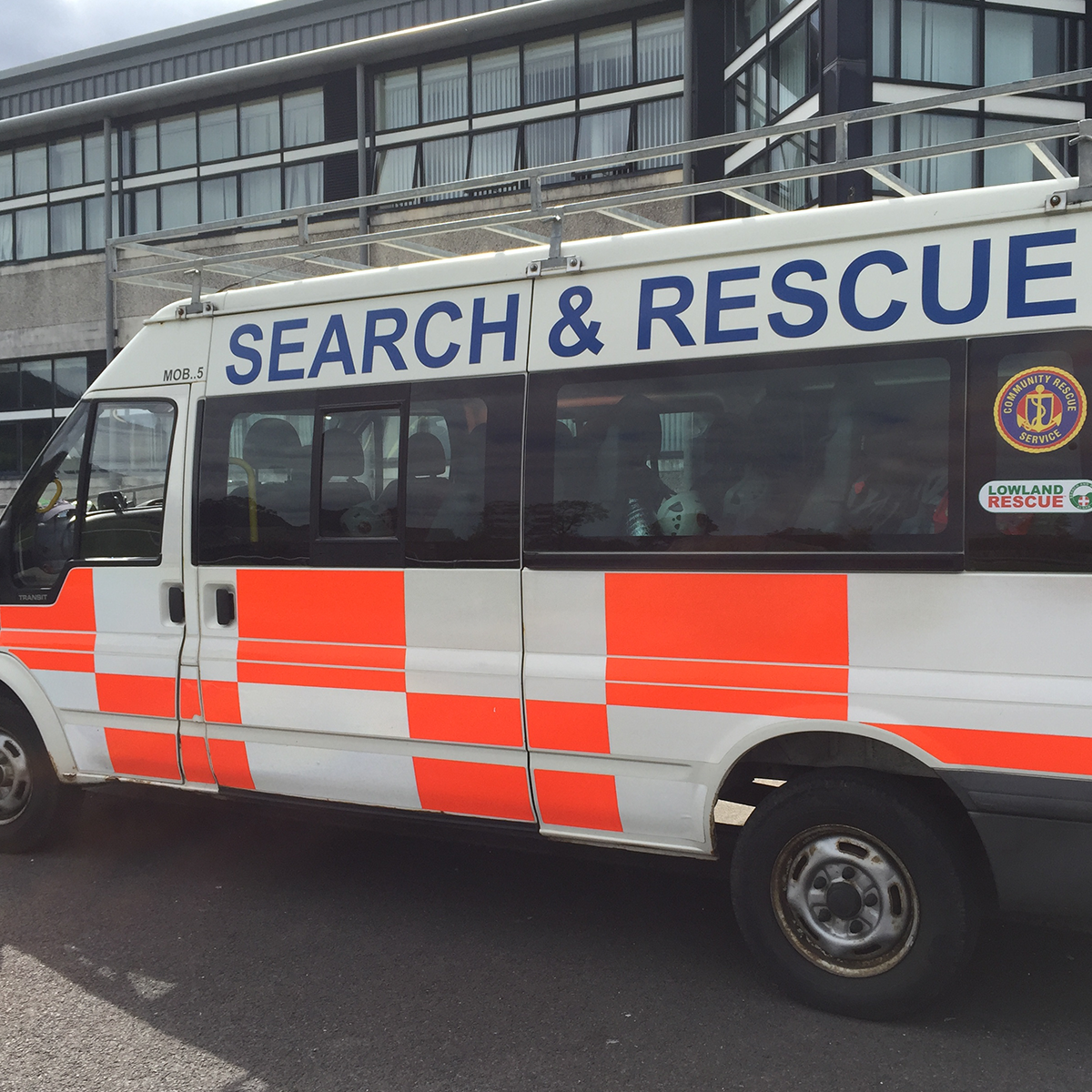
The most rewarding of all was our work with Shimna OldScholar Johnny Lynch and the Community Rescue Team. Students who were all set for an active, practical session of rescue skills were taken aback that Johnny’s first session was about the emotional impact of taking part in search and rescue. His own first experience had ended with the discovery of a tragic death. He talked us through the skills of supporting relatives and friends taking part in a search with an uncertain ending, and emphasised the importance of self-care and mutual care for the search and rescue team themselves. First aid skills are of course essential, but so are listening skills and an understanding of the processes of bereavement.
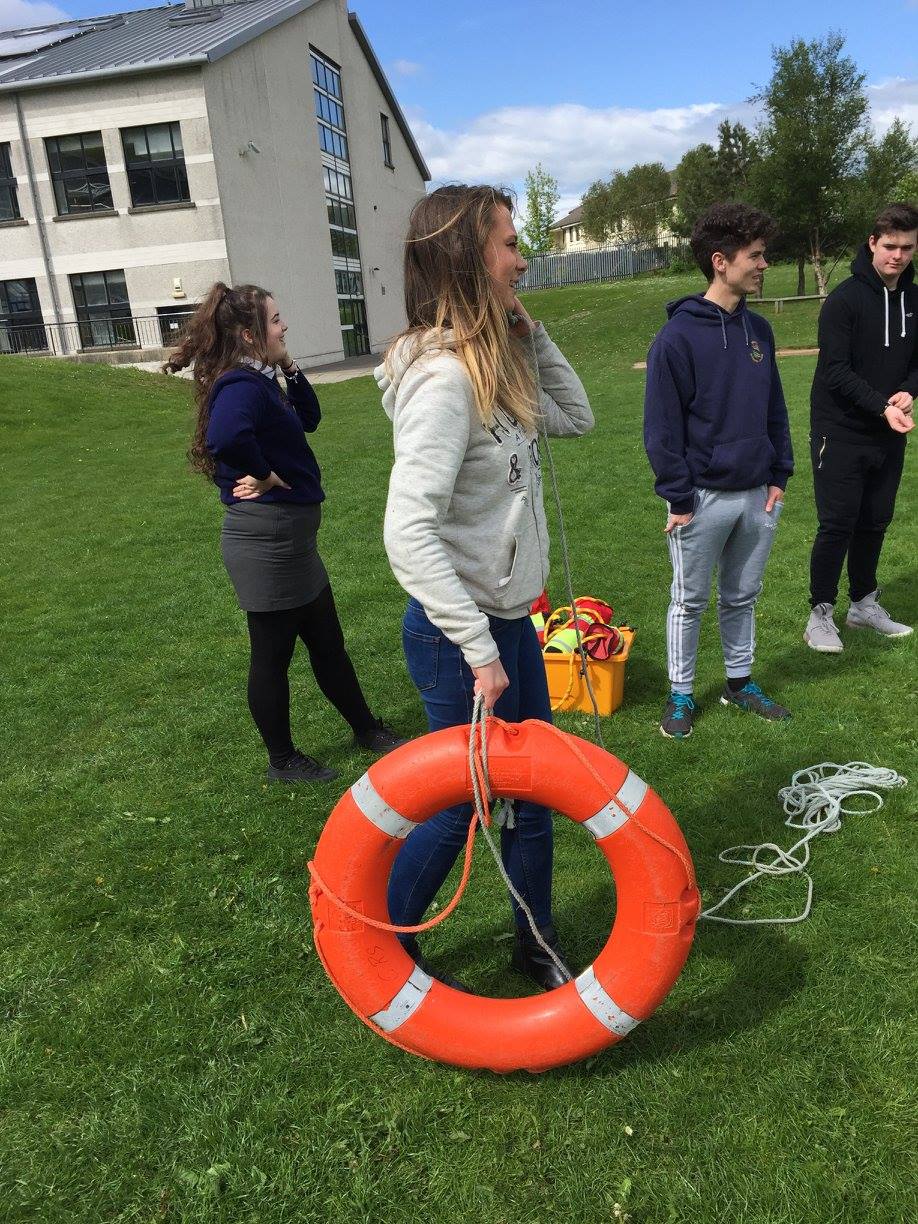
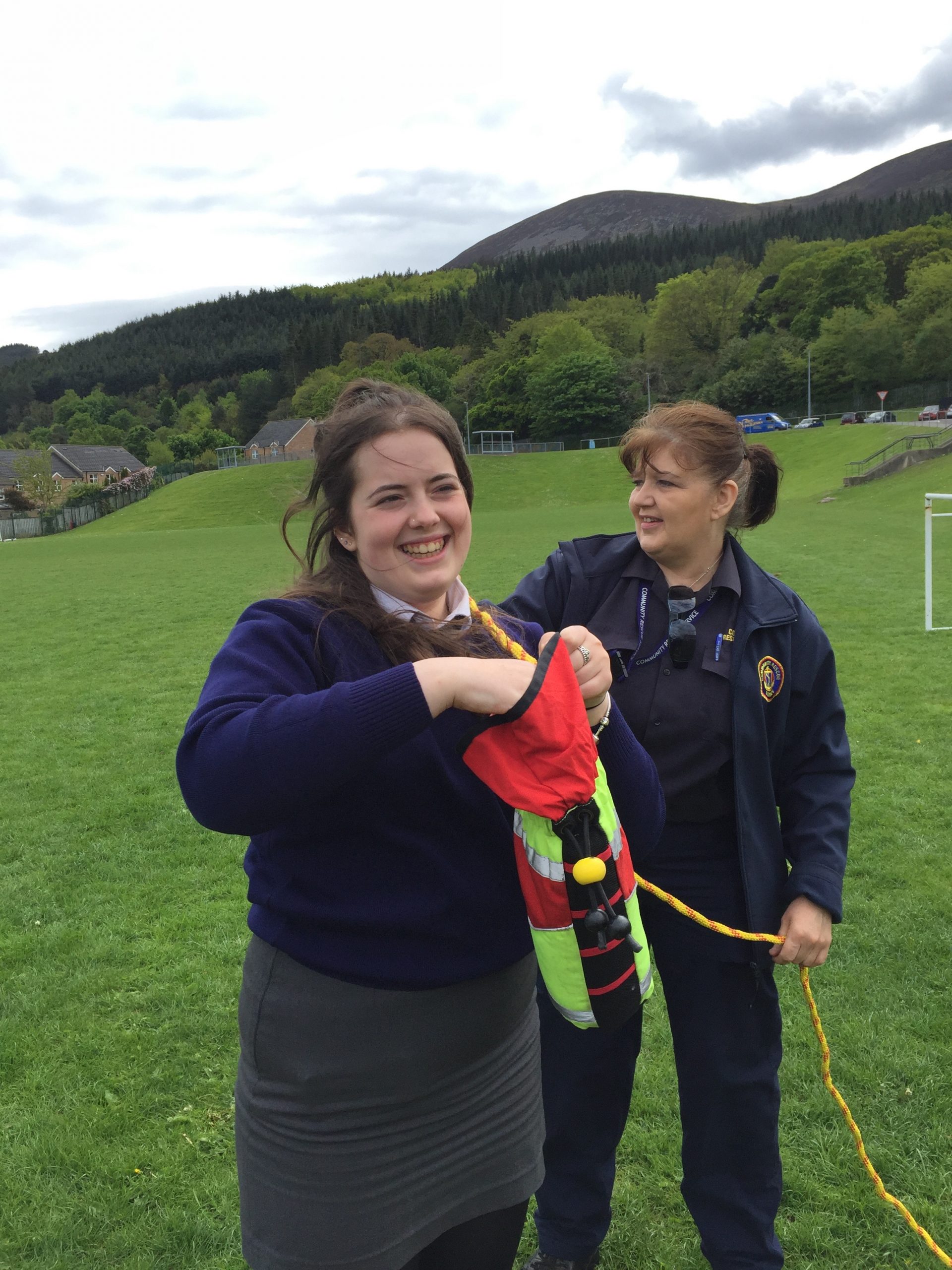
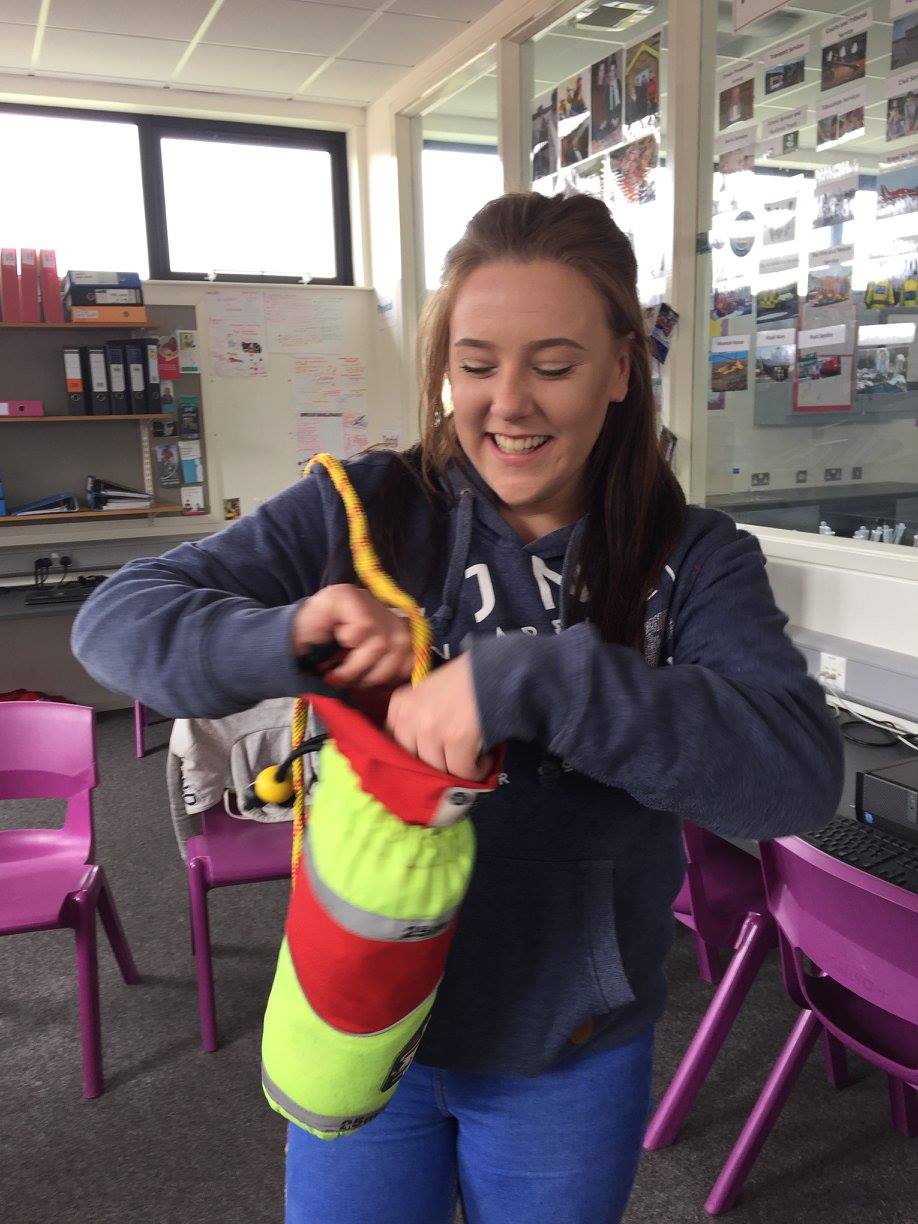
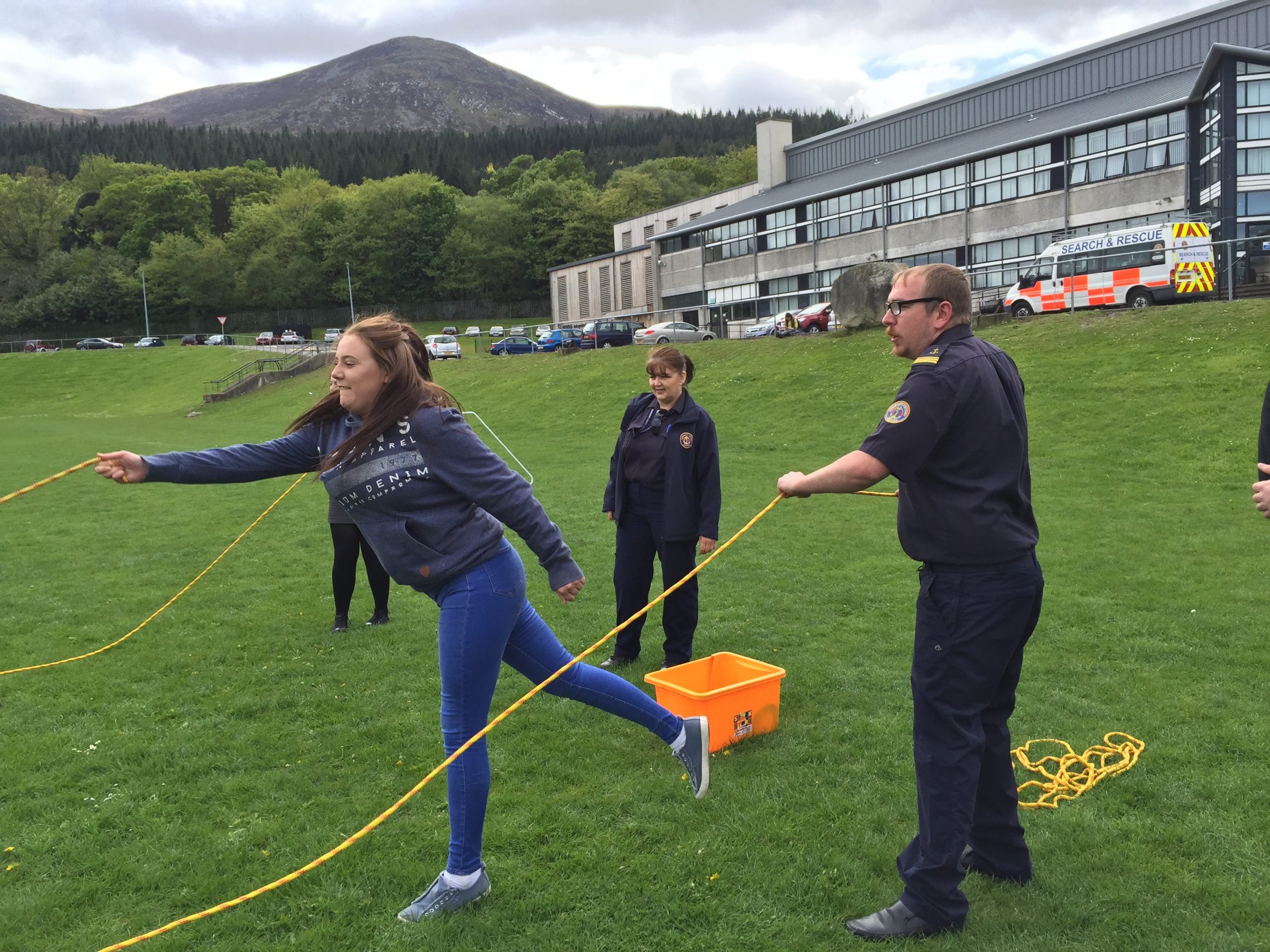
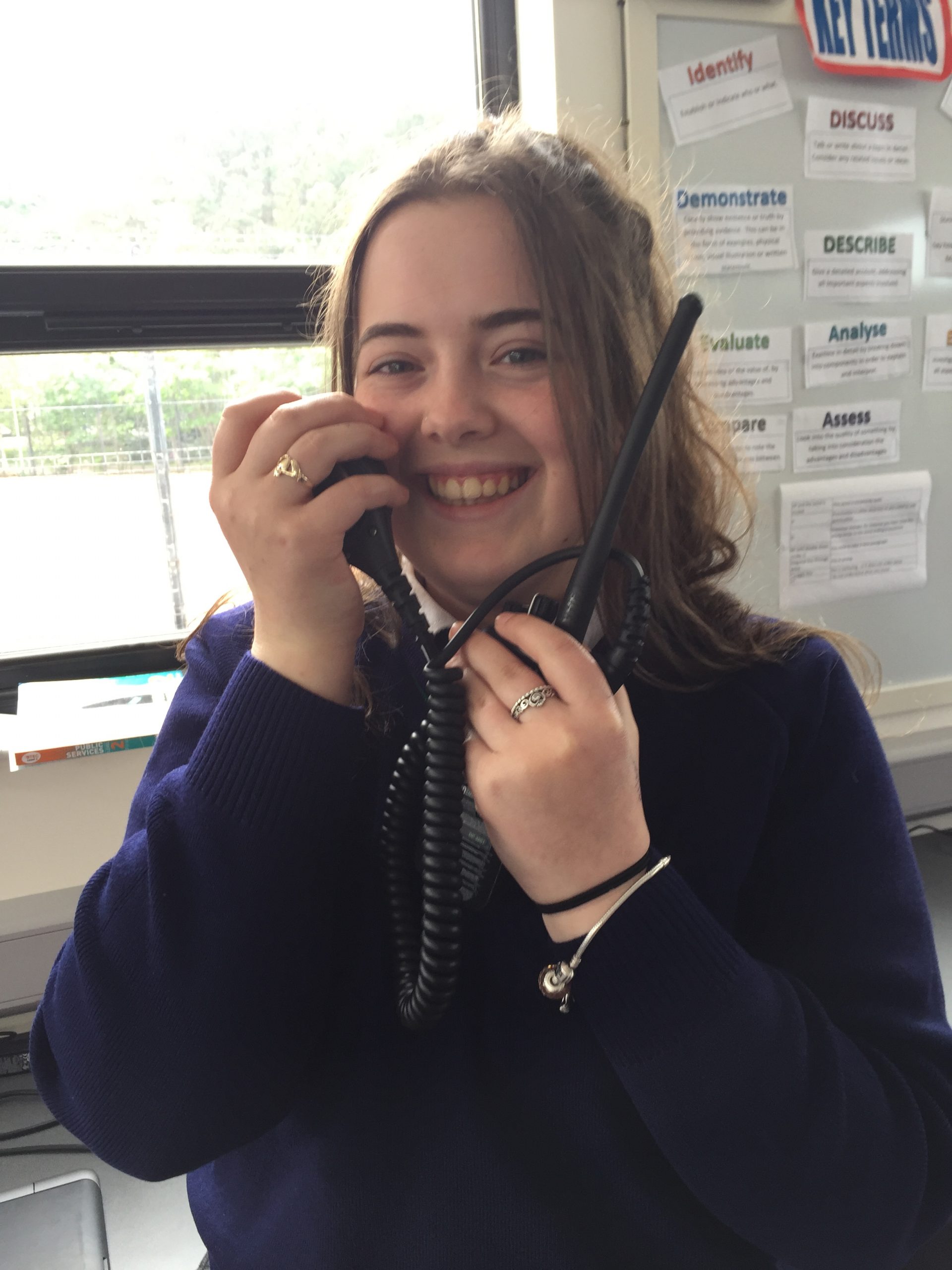
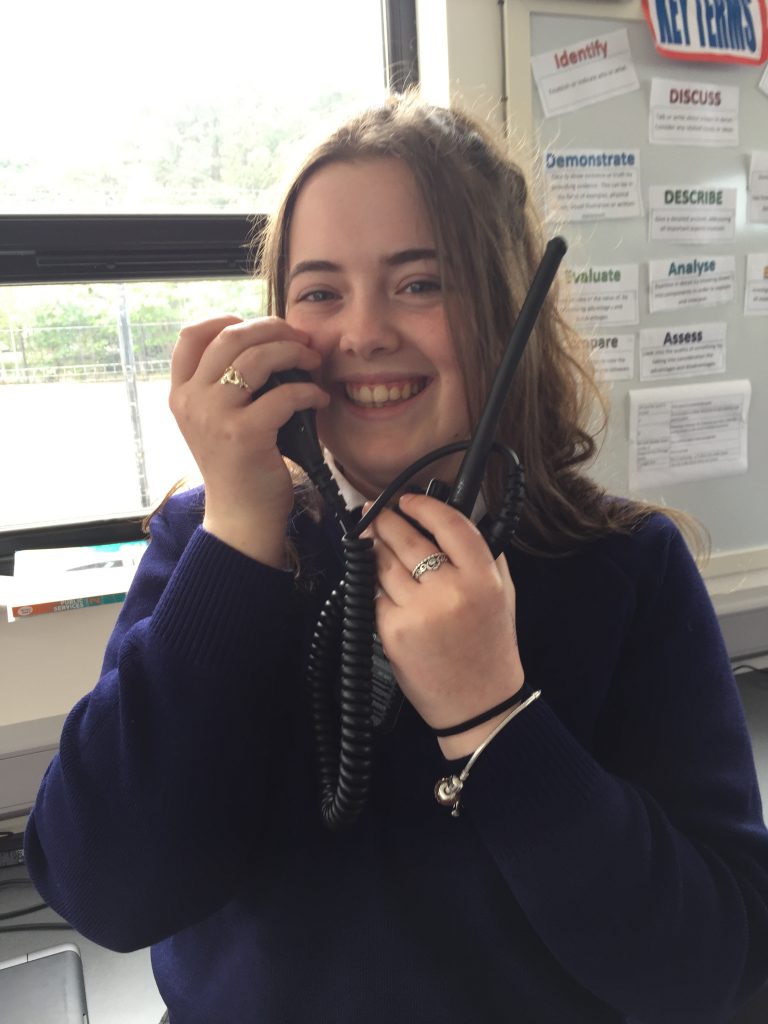
Then of course it was off outside for the active practical session. Johnny took us through the equipment and techniques, throwing lifebelts, using walkie talkies and flares. He challenged us to assess our fitness and to understand the commitment required to effectively search the area between the shore and the treeline, between the RNLI and the Mountain Rescue spheres of responsibility. Most challenging of all, Johnny set up a search and rescue scenario in our grounds. Students faced the reality of painstaking searching and the expectation of finding a person who might need first aid or serious emotional support. We had a happy ending, with our casualty eventually located and first aid successfully administered.