Remembrance Day

Negotiated meanings

Learning from Each other since 1994

Getting Started

One of the advantages of Murlough House was the lovely big room where we could all come together for assembly. Our assemblies were where we most explicitly engaged with Integration, the issues which could divide us, the matters on which we disagreed, the things that really mattered to us. In that first year, we decided we would make a particular focus on two annual events which had traditionally been appropriated by one side or the other in our divided community, Remembrance Day and St Patrick’s Day.

We would mark the Days together and learn from each other about everything they mean.

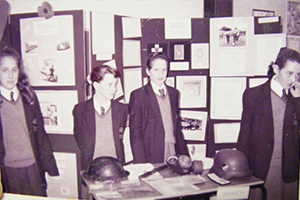
For our first Remembrance Day, our work in preparation focused on family memories of the WWII. All our students asked at home about memories of war time, particularly among grandparents. Our assembly and our displays were full of tales of service in the army, navy and airforce and tales of rationing at home, and smuggling! In the early nineties, the tradition of commemoration on the date of the Armistice, 11th November, had shifted to commemoration on Remembrance Sunday, the nearest Sunday to 11th. So it was that during our service, we could hear in the distance the sound of guns on the firing range just across the bay. Murlough House is situated on the Southern side of the entrance to the inner Dundrum Bay. On the Northern shore was Ballykinlar army camp.

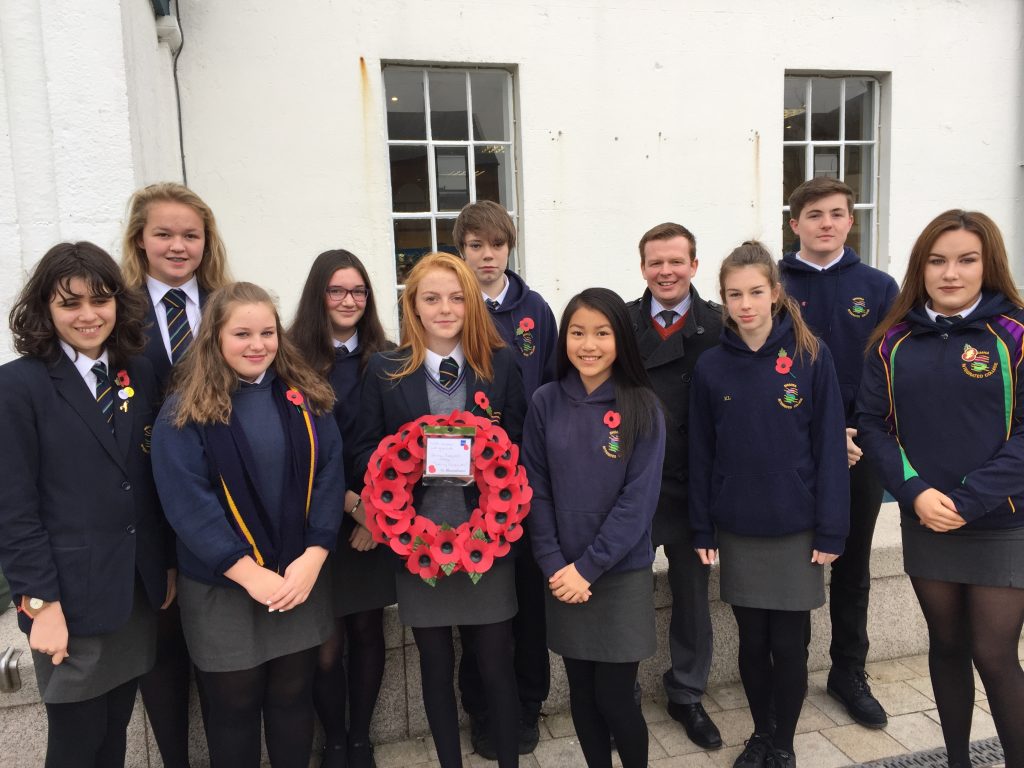
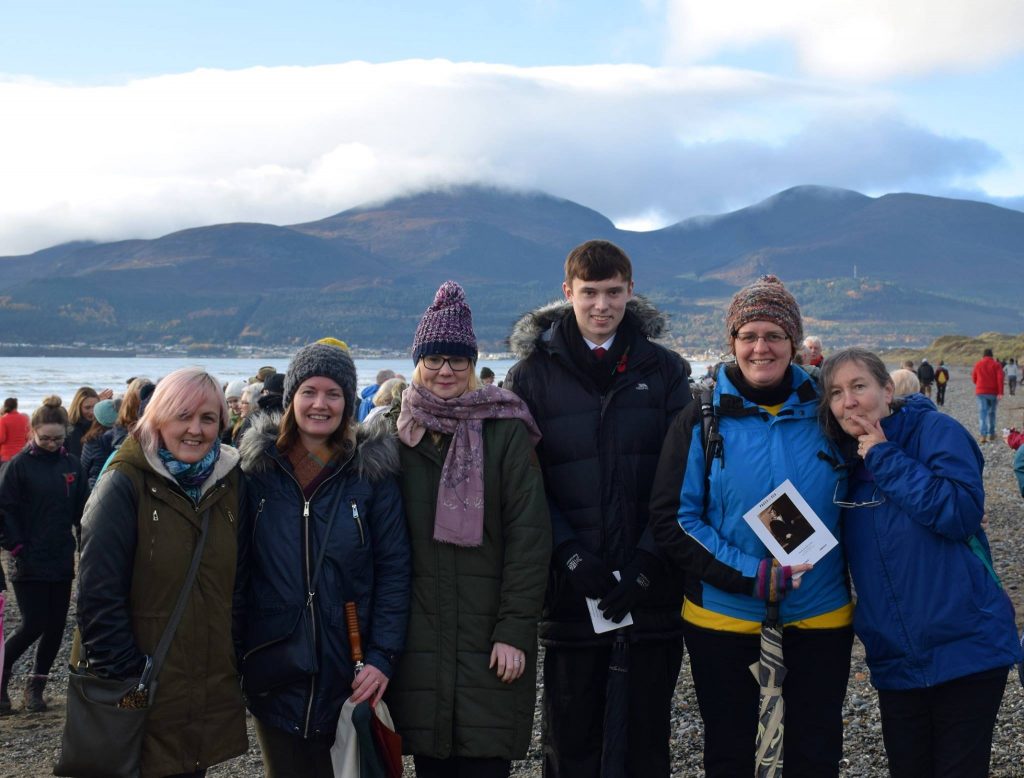
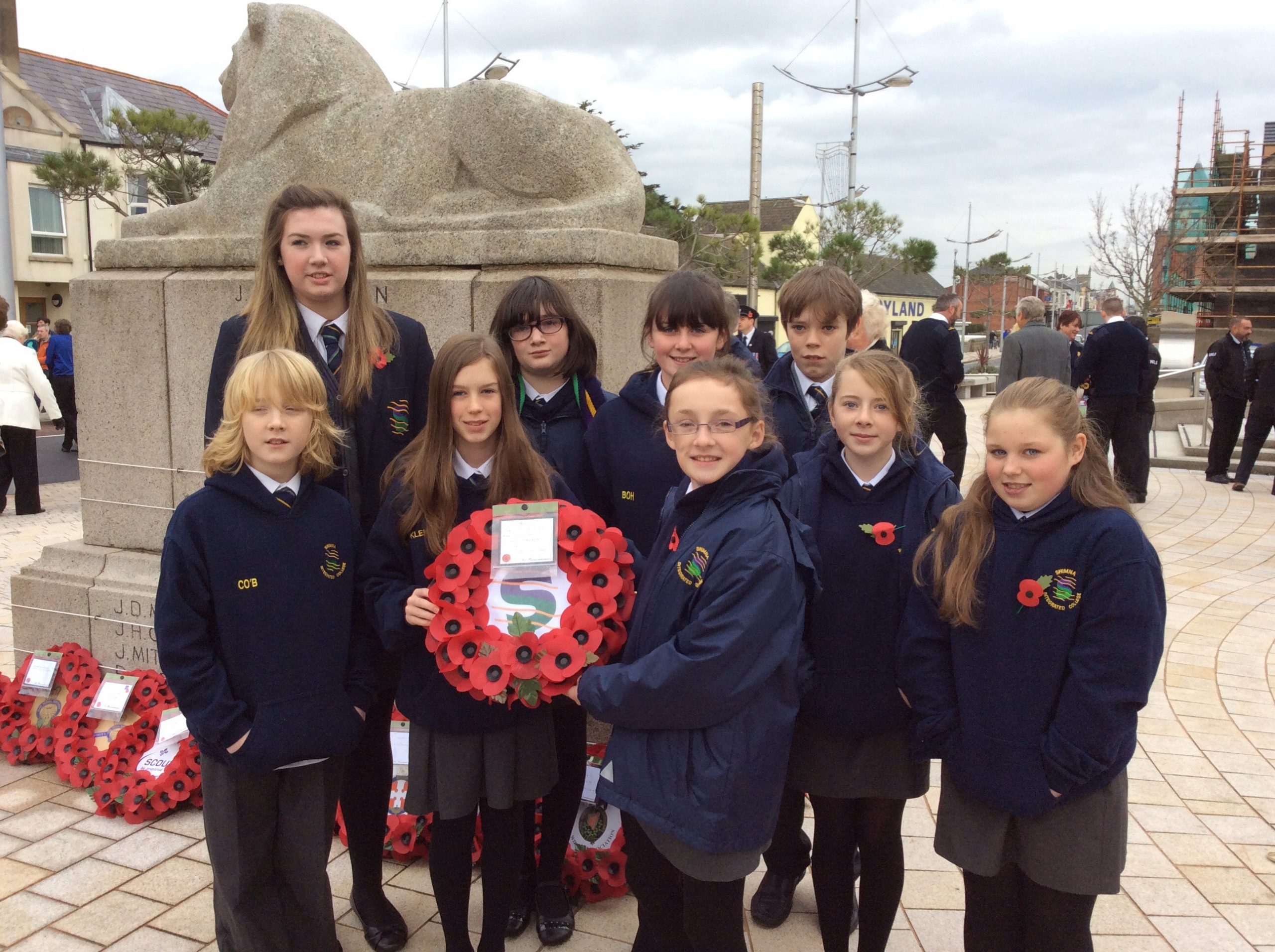
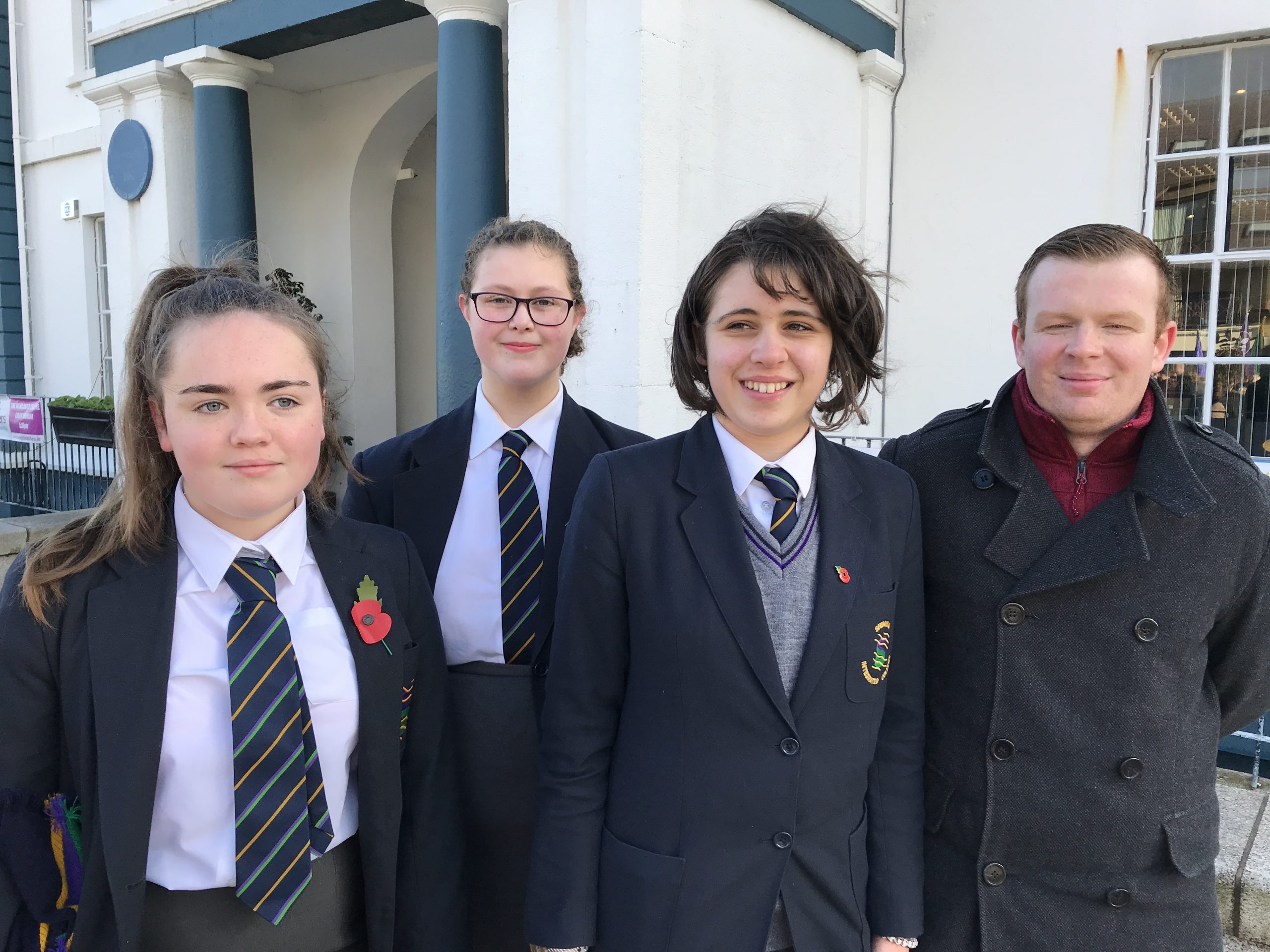
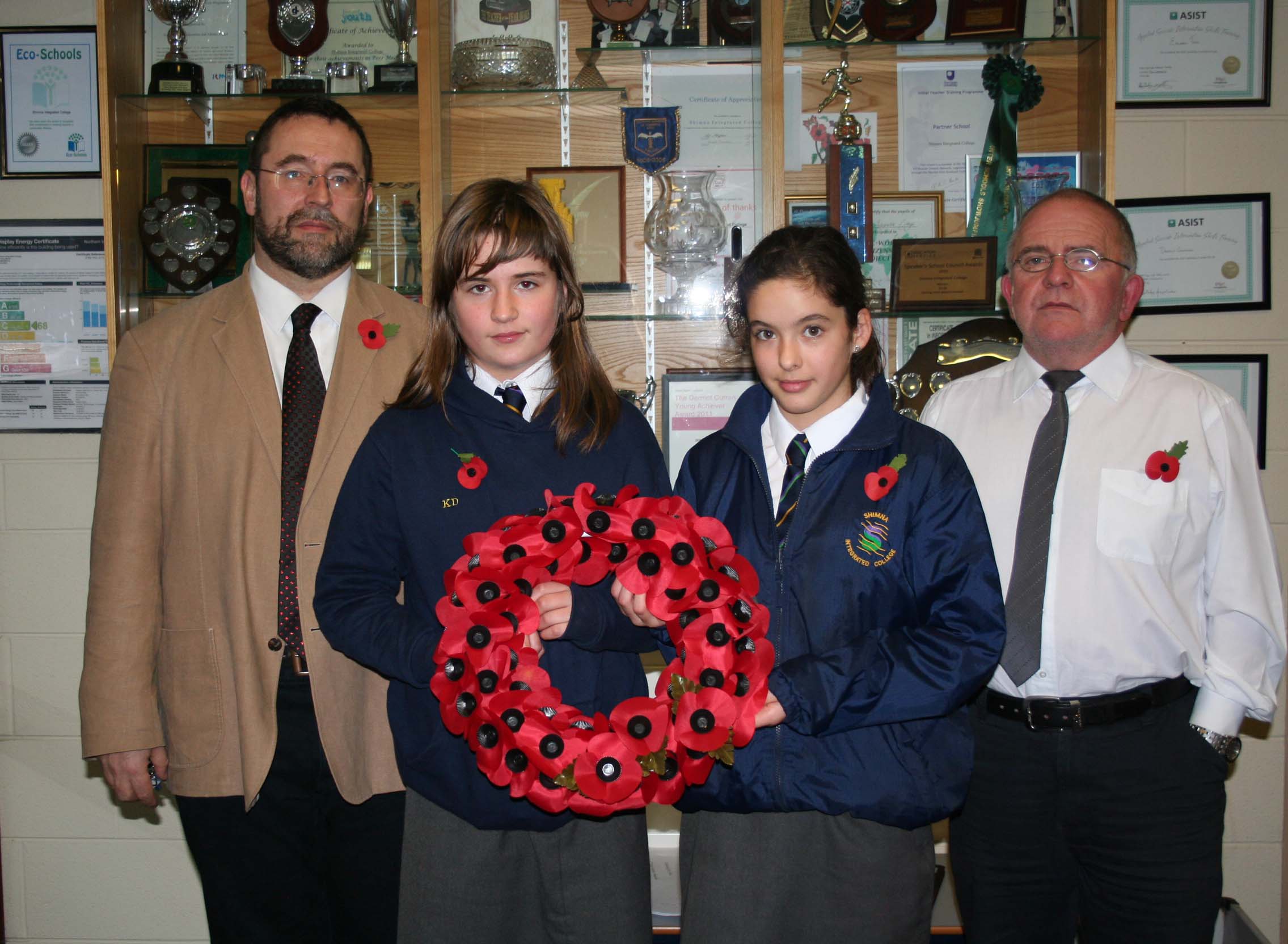
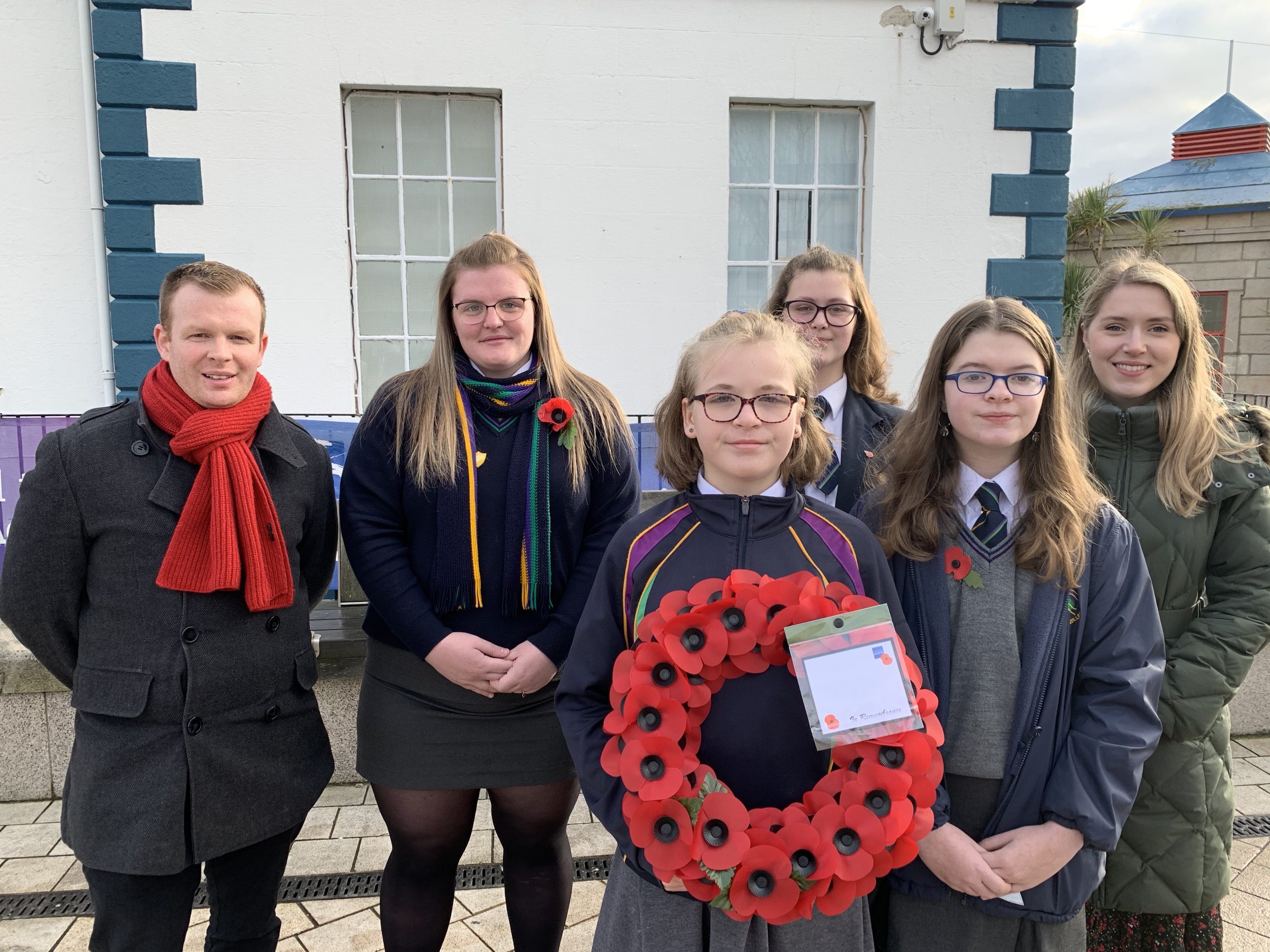
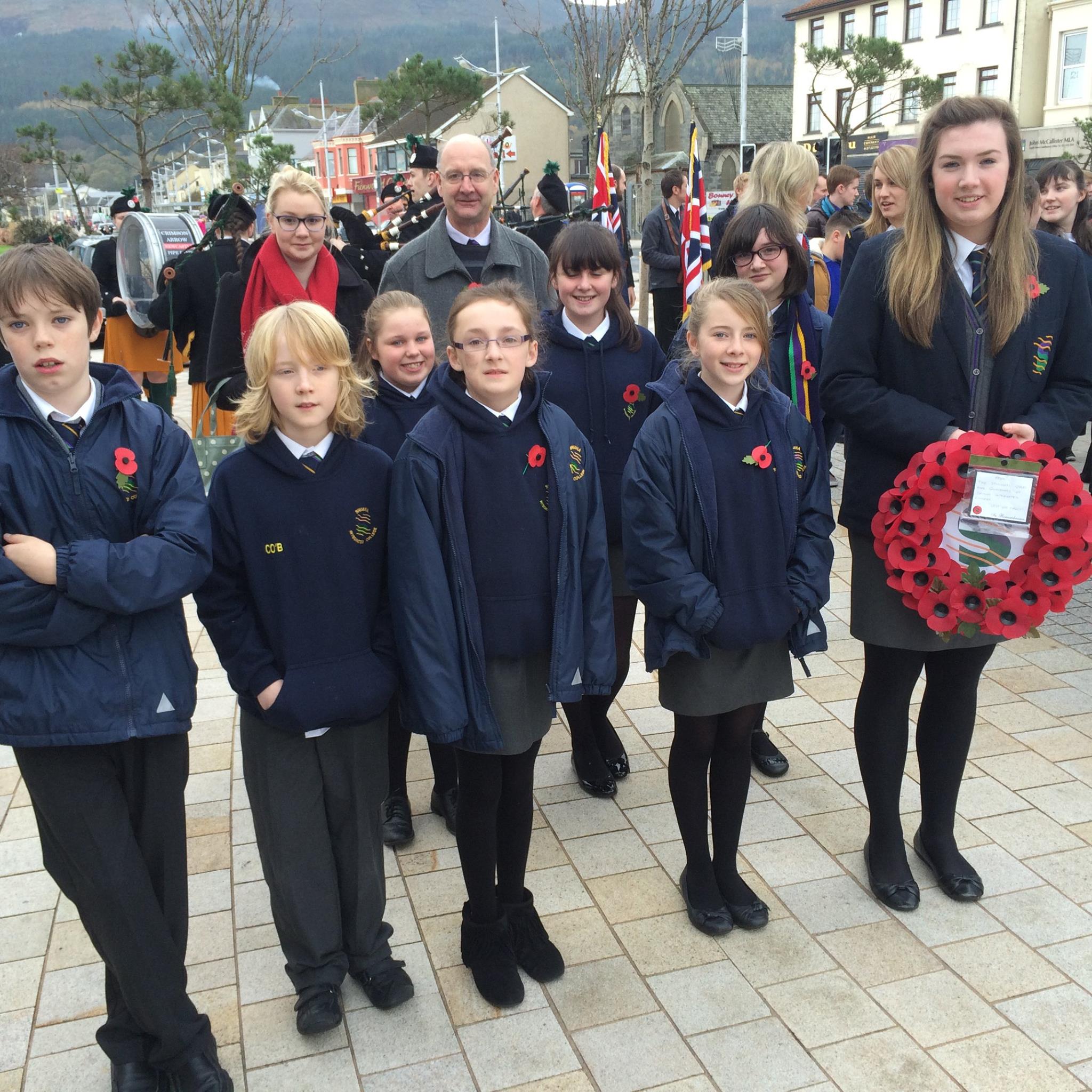
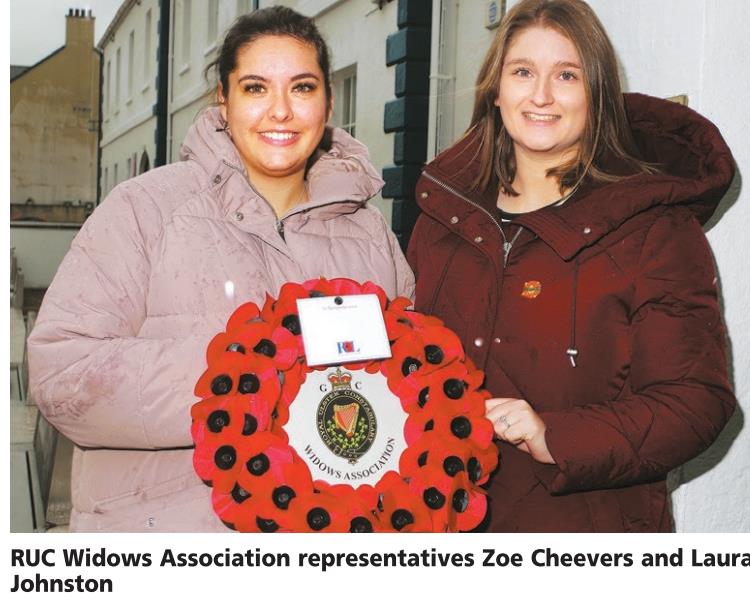
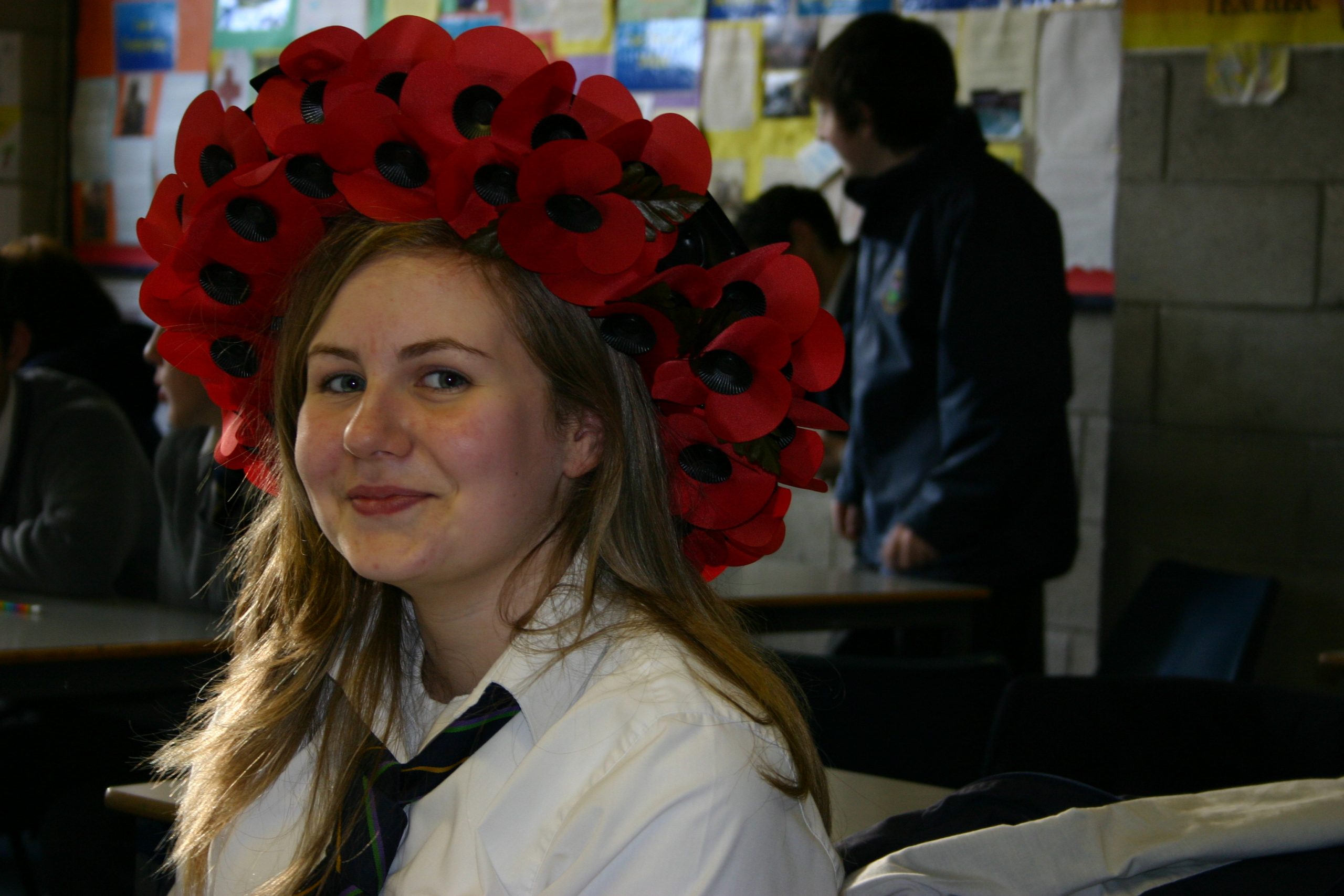
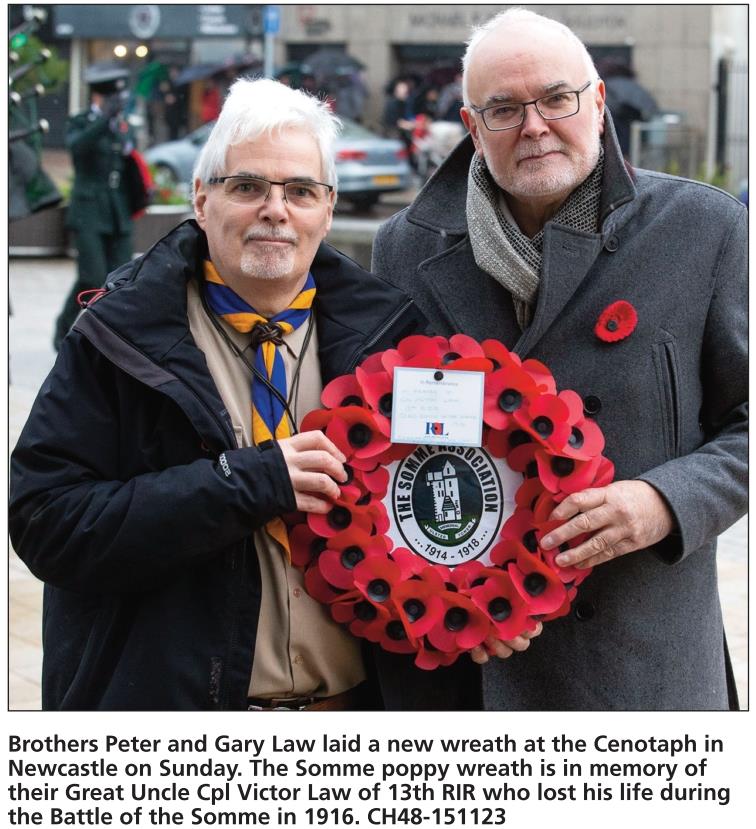
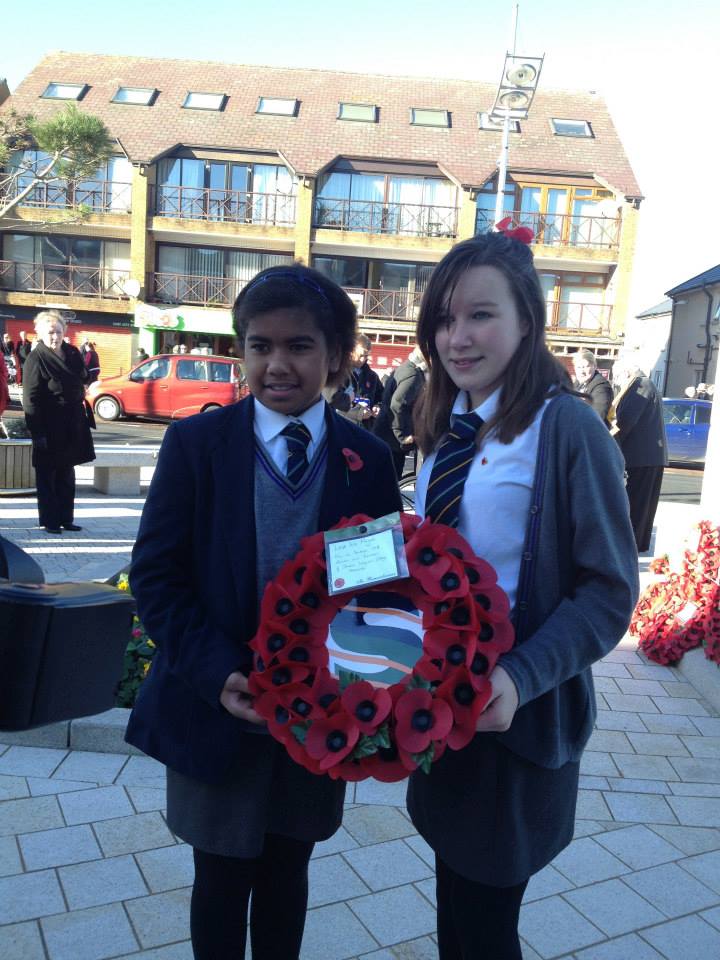
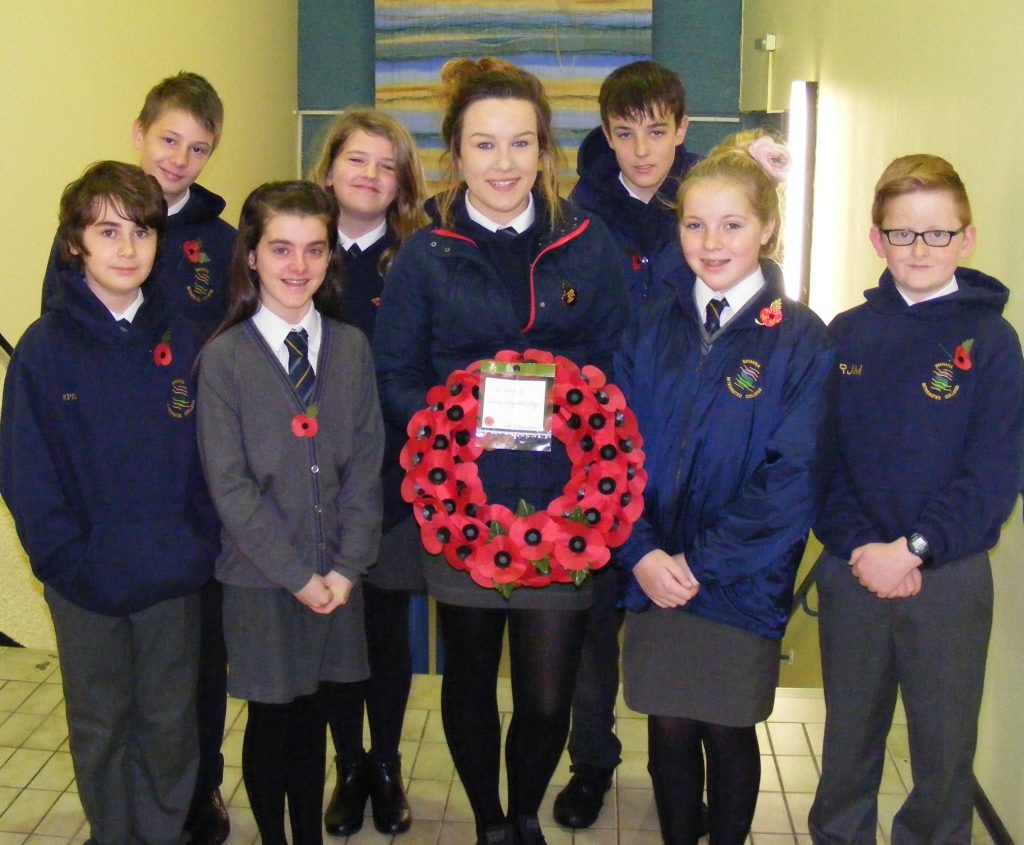
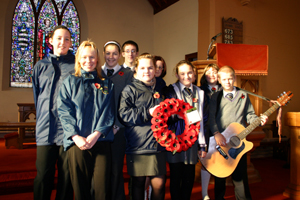
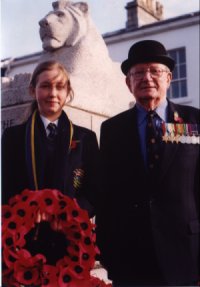
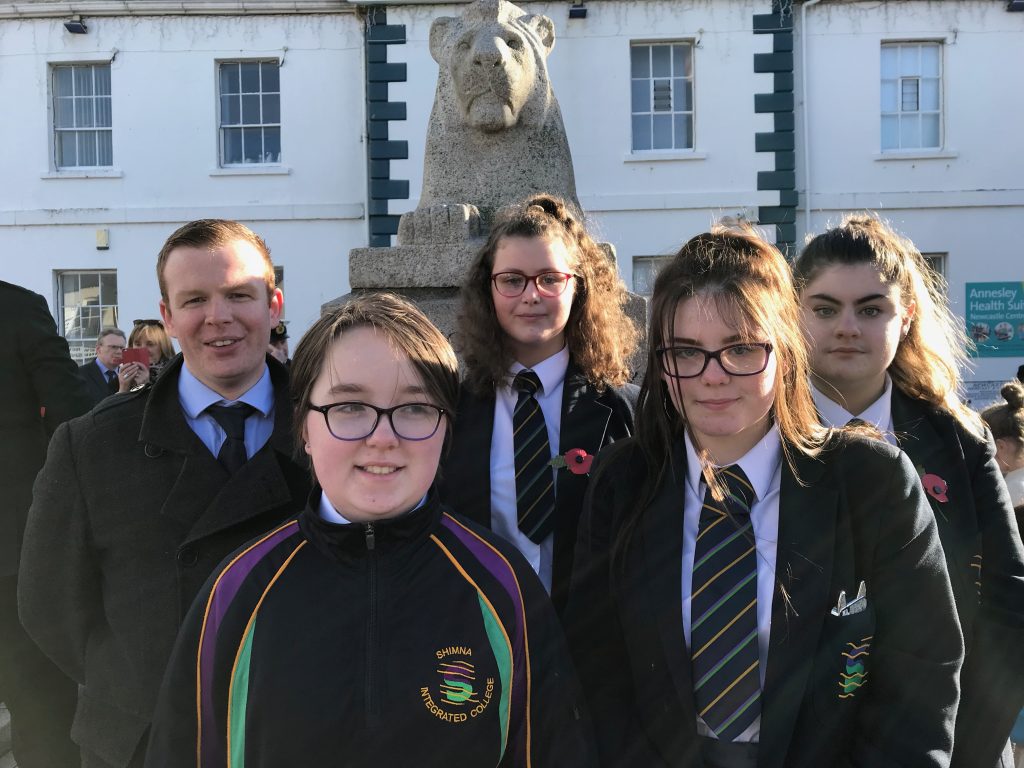
The Remembrance Day bomb in Enniskillen in 1987 had, however, reignited a sense of the importance of remembering so that we learn and do not repeat the tragedies of history. We continued to mark Remembrance Day with our school assembly at 11.00am on 11th day of the 11th month each year. But every year too, a group of our students and staff attended the Cenotaph in Newcastle to lay a wreath on behalf of those in Shimna who wanted to be represented there. Over the years, our Cenotaph party included students whose families had suffered historical loss in the World Wars, students whose families had suffered much more immediate loss in the troubles, students whose politics were firmly Unionist and who identified as British and students whose politics were Nationalist and who identified as Irish. We intentionally developed our ethos so that at any shared event some of us would be marking an event which was important to us personally or to our family, and some of us would be attending an event which was not part of our tradition and doing so in support of our friends and peers.

In the early years, our Head of Integrated and Religious Studies, Chris Skillen would organise the Cenotaph party, and then warm us up with a visit to Newcastle Methodist Church. We were treated to hot chocolate and buns in the tiny crypt and then joined the congregation in their Remembrance Day service.
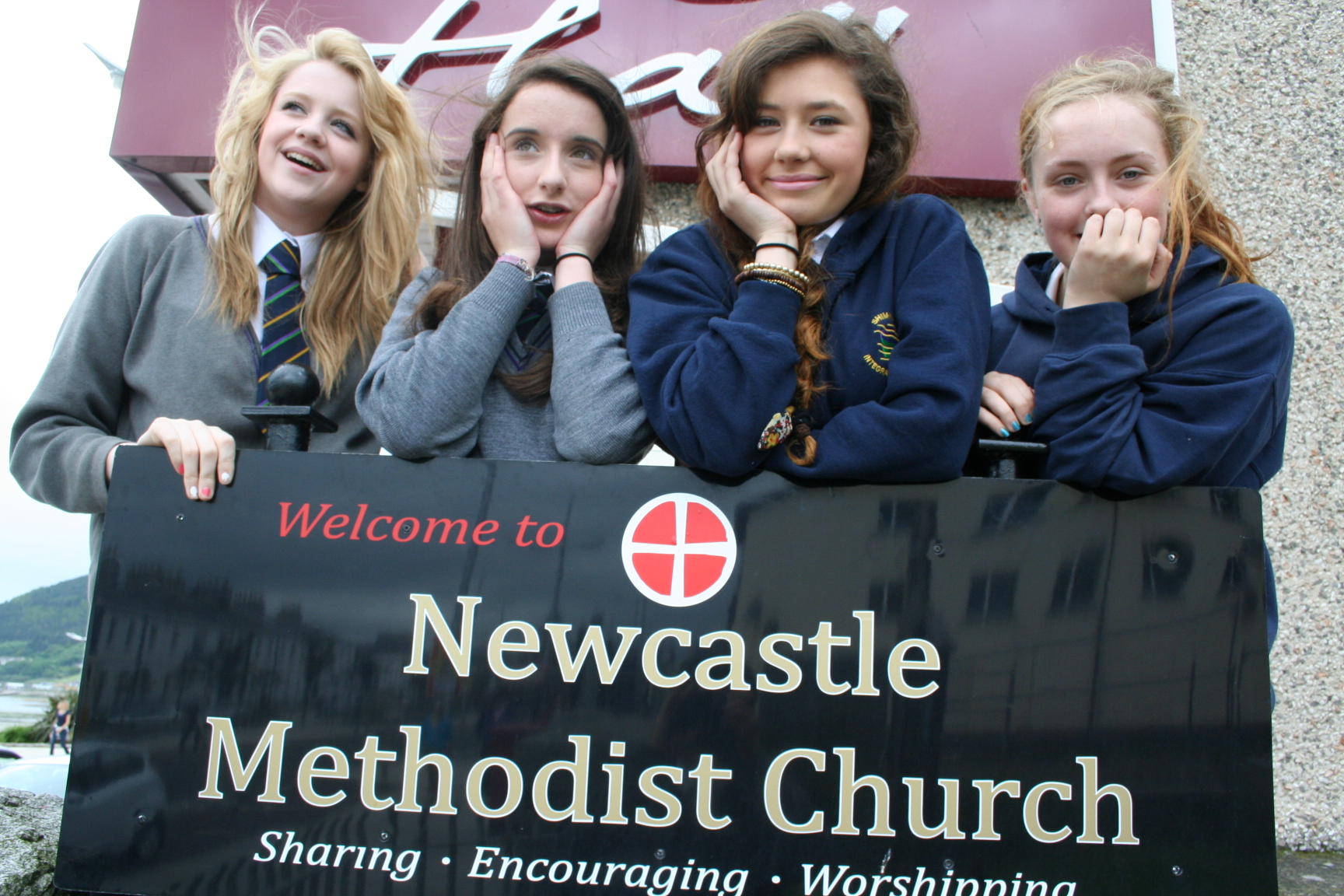
One year, we had an entirely Irish speaking party to lay our wreath. All of the students had attended an Irish Medium primary school and had no experience of Remembrance Day. They wanted to see and to understand. They were delighted that Maisie, a member of the Methodist congregation who welcomed us to the Church, did so in fluent Irish. The next year, we invited the children from Bunscoil Bheanna Boirche to join us on a visit to the Church.
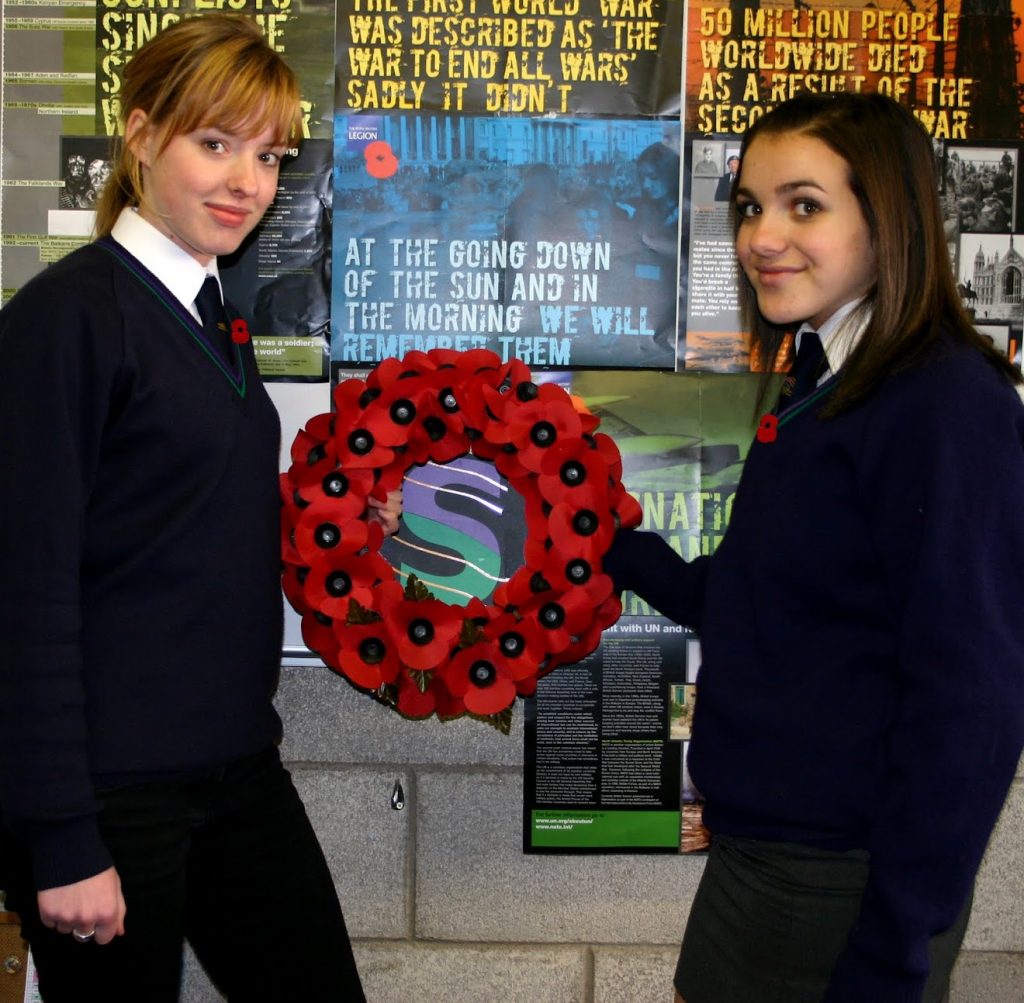
One very special year, we had Maddie from California, whose grandmother had escaped from Poland but lost her entire family in Auschwitz, and Tanni who was from Germany. The two students were proud to lay the wreath together.

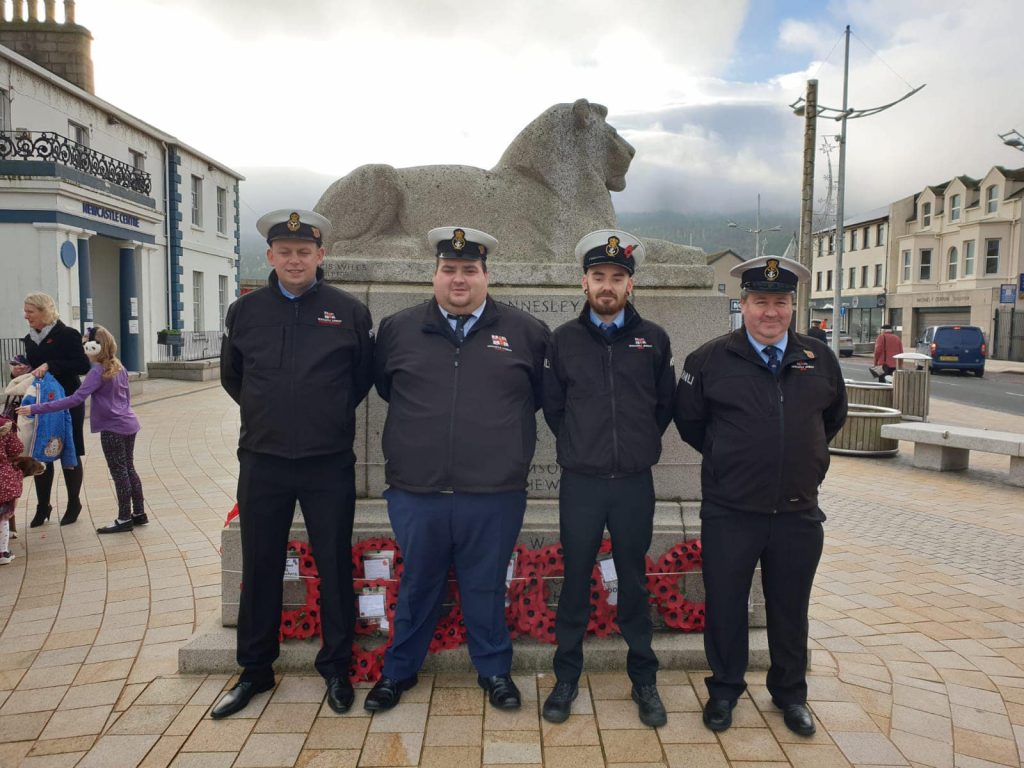
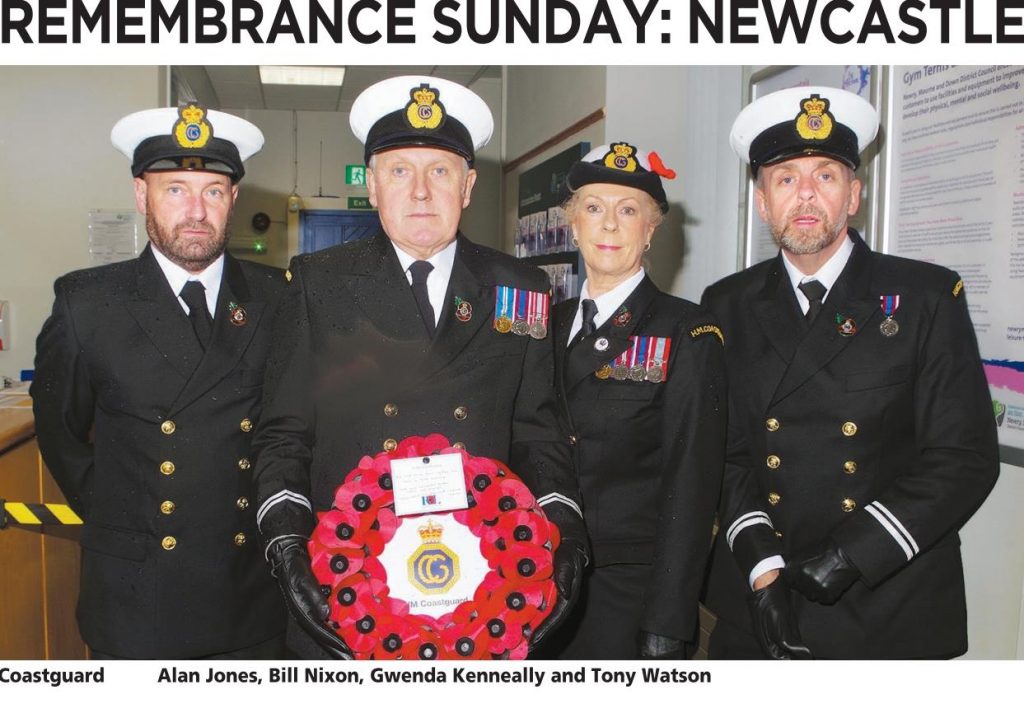
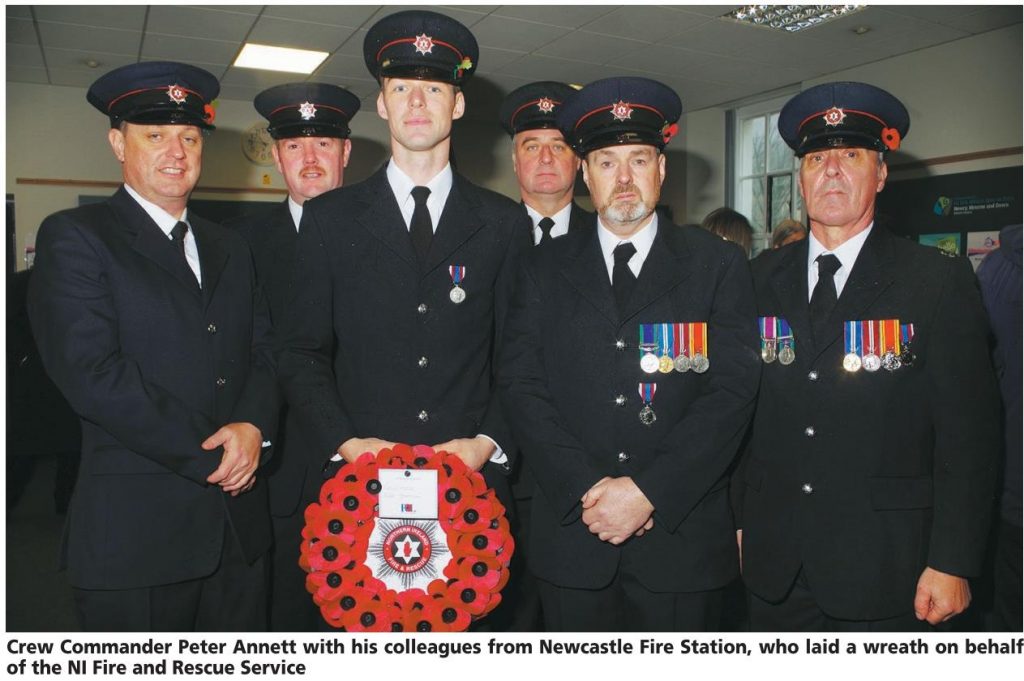
At the Cenotaph we also encountered Shimna people laying a wreath for the cross-community Scouts, the Boys and Girls Brigade, RNLI, the Coastguard and the Fire Service.

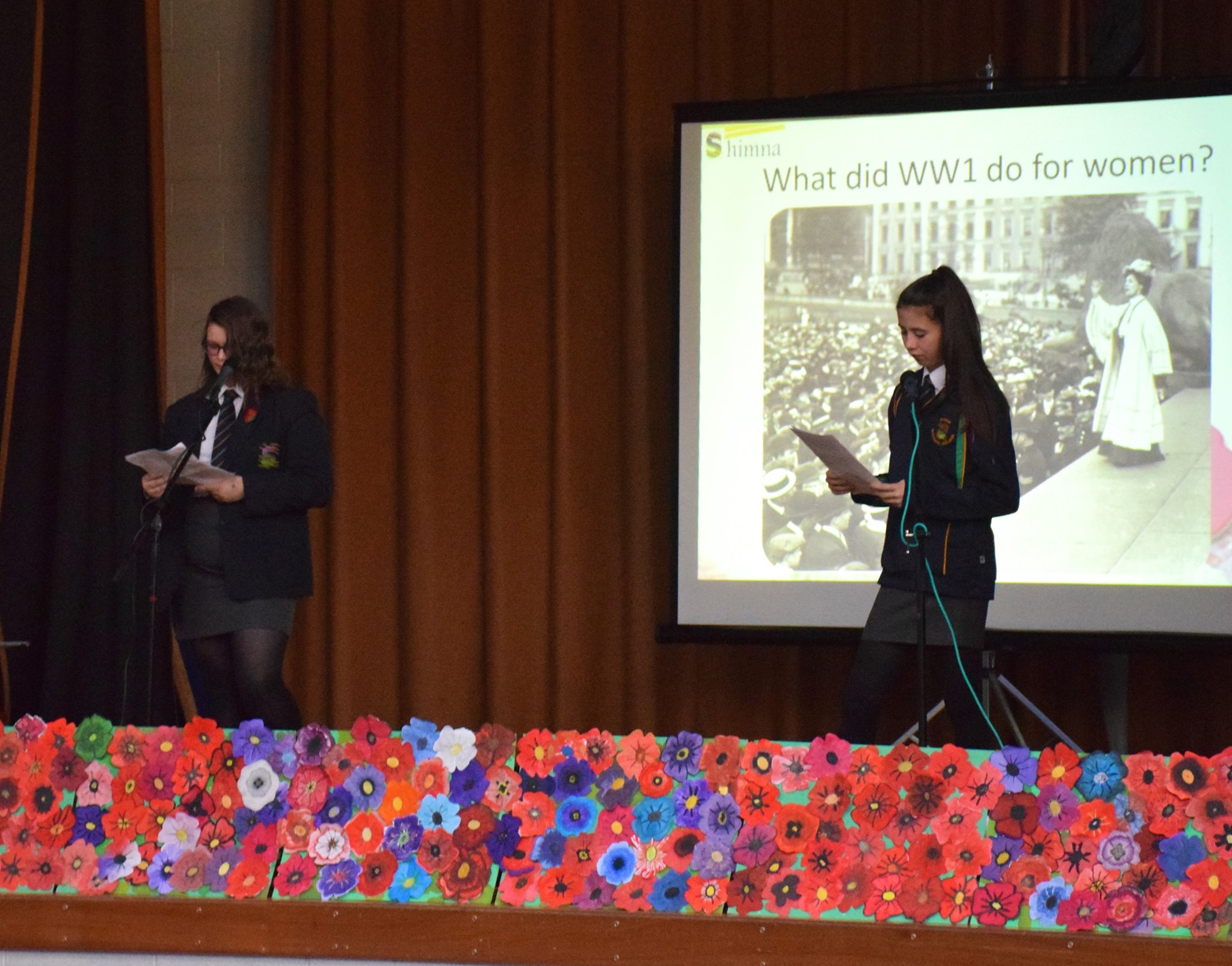
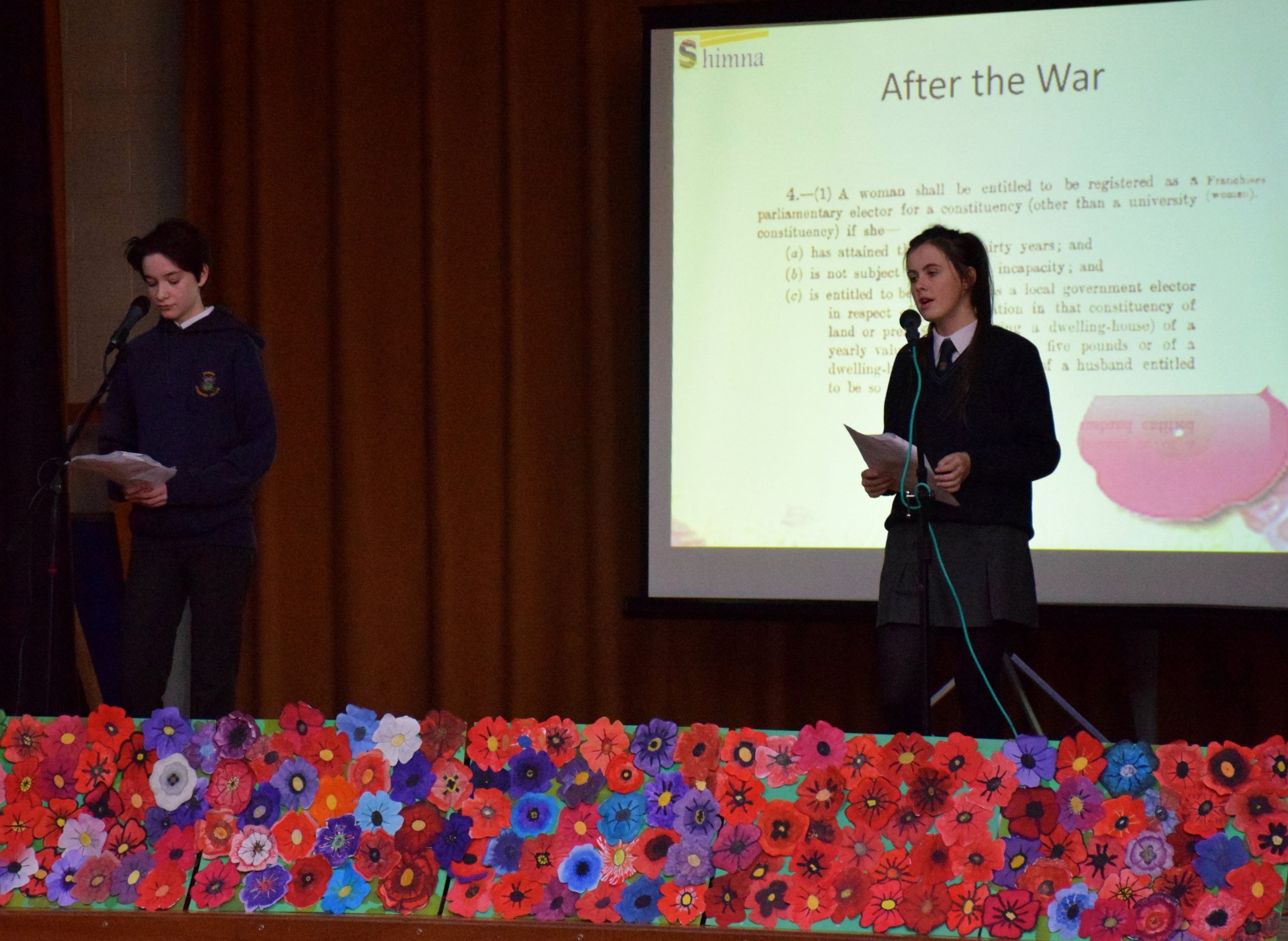
Chris organised our own Remembrance Day assemblies to consider a different perspective on the damage of war each year. One year we focused on women at war, one year on the Russian front, one year on animals at war etc. For most of us the work and research that went into our preparation made Remembrance Day a real learning experience.

For some students, whose families were still grieving recent lost through the Troubles, the event had a much more personal significance. For some, the loss had been of a member of the security forces and for some at the hands of the security forces. We never underestimated the challenge of our assembly to those dealing with loss.
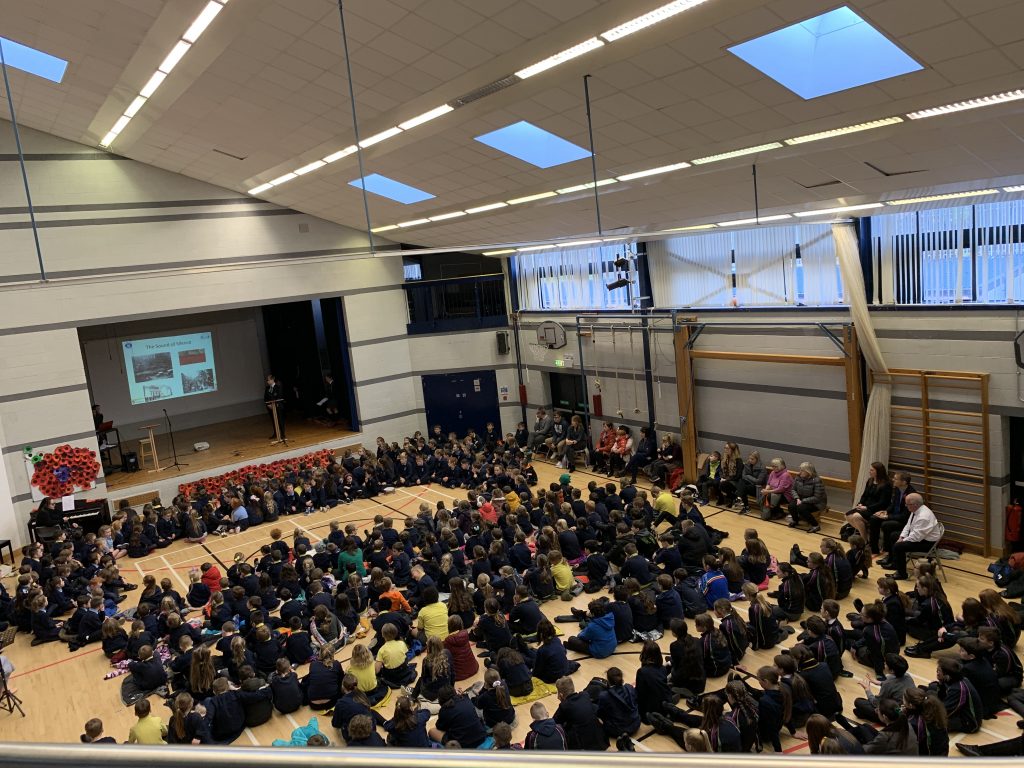
A particular challenge was the fact that it is simply impossible to truly experience such an event from another’s point of view. There were those of us who will always find it hard to understand how the symbol of a poppy could be unacceptable to anyone. In the same way, there were those of us who couldn’t see an issue with St Patrick’s Day because St Patrick so long predated the schism. But St Patrick’s Day in Belfast was a sea of tricolours, a wonderful sight to some, and a source of dismay to others.

One of our Irish Medium students, who had attended our Remembrance assembly every year, in her final year, asked to sit out. She had lost immediate family members to the British army, and while she absolutely supported the school marking Remembrance Day, she felt that she had to demonstrate just how difficult it had been for her to stand alongside friends each year on that particular day. She raised another issue. She felt that St Patrick’s Day did not challenge students of the other tradition in the same way that Remembrance Day challenged her. She asked us to think ahead to how we might mark the anniversary of the 1916 Easter Rising. Our student had long since headed off to university before 2016, but she made a point of checking the school Facebook to make sure we had followed through. We had.

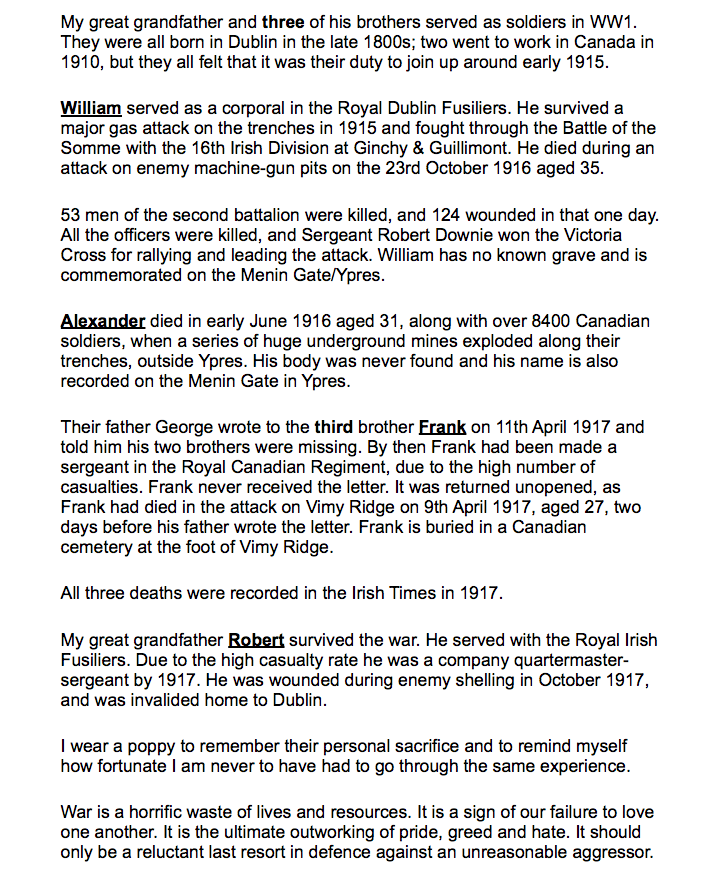
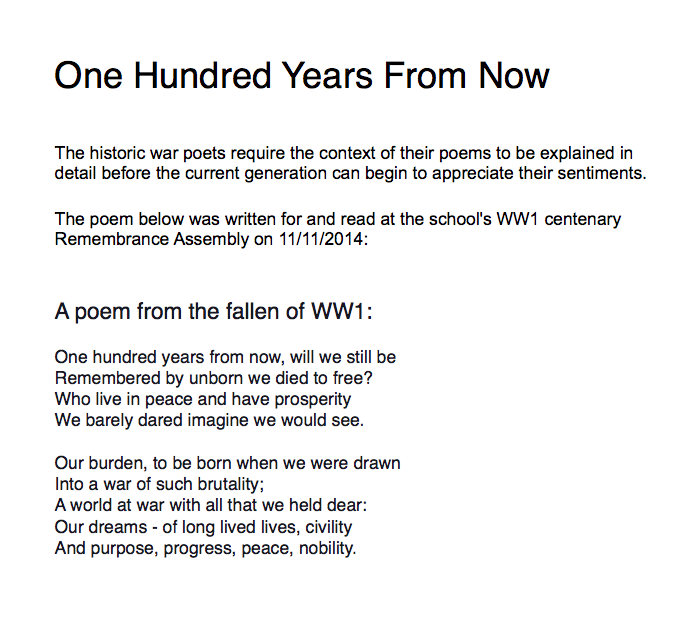
Personal perspectives on Remembrance Day over the years helped us all to challenge our understanding of how the day affects us all differently. Ivor Anderson researched his own very sad family story of service in WWI, and wrote a poem in remembrance, which he shared at the assembly. A brother and sister who had lost a grandparent in the Troubles shared their very personal reason for laying the wreath. Ellen McVea shared her misgivings about the meaning of Remembrance Day, the result of a Quaker education steeped in active pacifism.
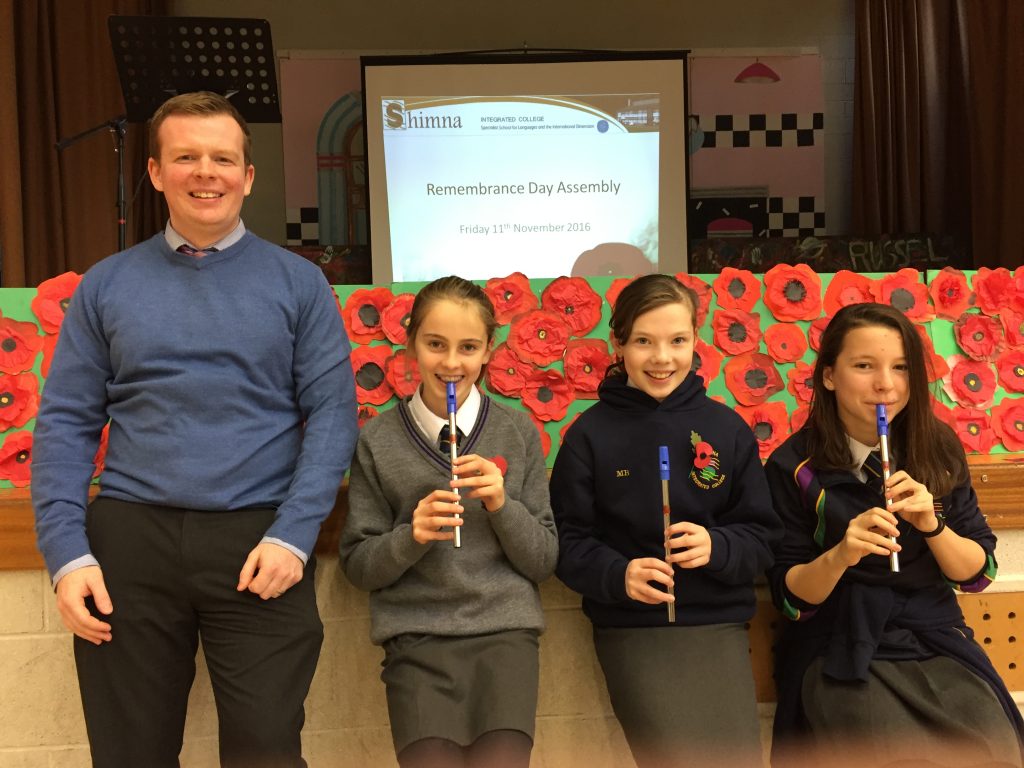
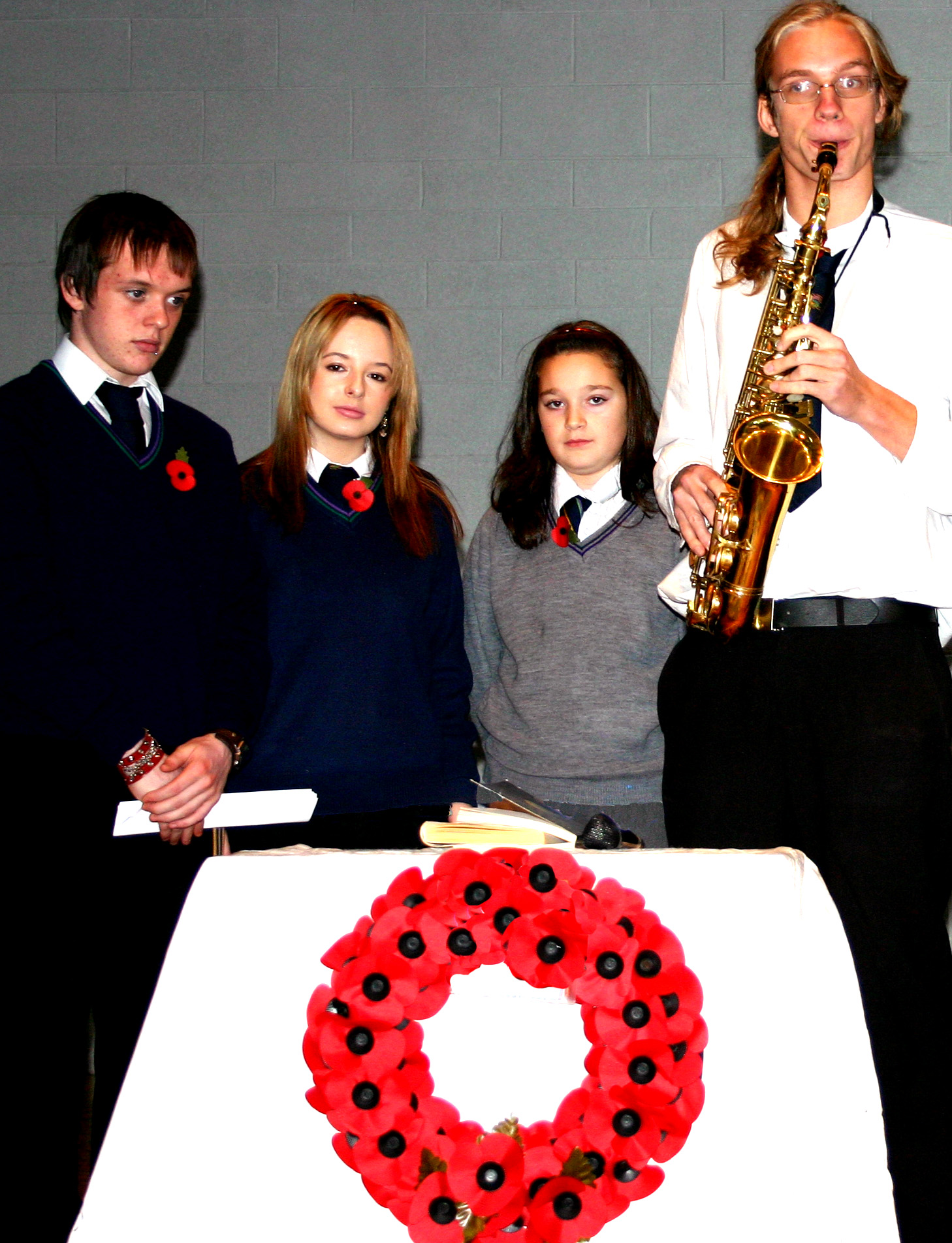
Our music department has never produced a bugler, but Tom played a magnificent flute Last Post. Another year Lizzie, Mia and Rosie played Taps on the whistle, the US call to remember, originating in a French bugle call, and the signal for lights out during the US Civil War. When we began to invite All Children’s over to share our assembly, Kevin sang “The Green Fields of France – Willie McBride”.

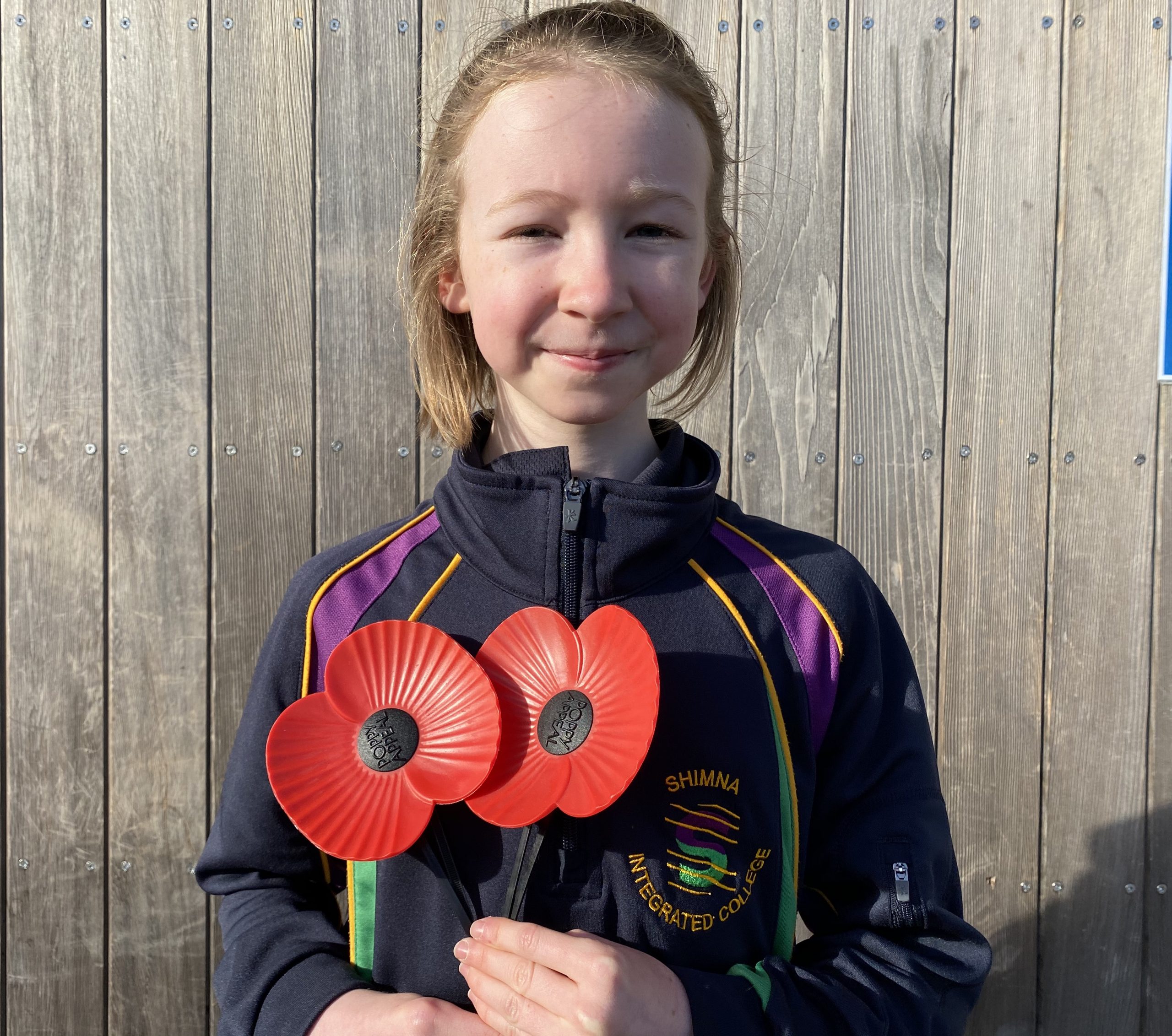
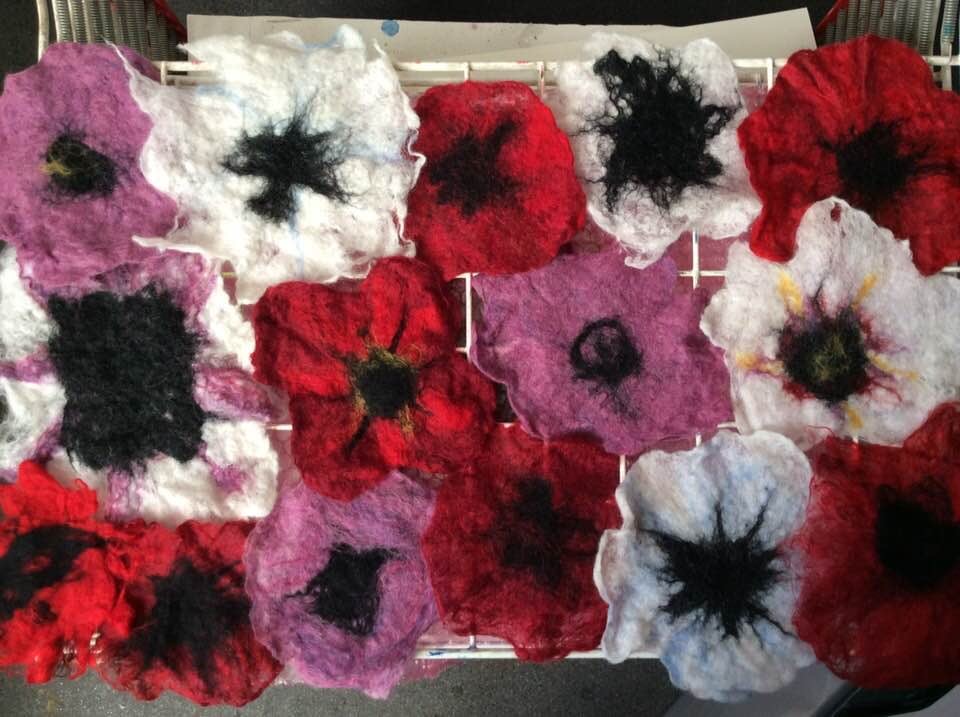
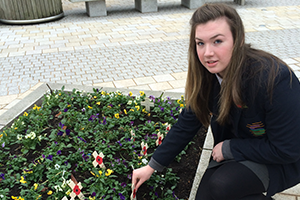
When Melanie Skelcher joined the art department, she initiated a wonderful poppy making project which saw students making red felt poppies in remembrance, white poppies for pacifism and purple poppies to commemorate the killing of so many animals on the battlefield. When the centenary of the Armistice was commemorated at the Tower of London with a sea of red ceramic poppies, Melanie and her classes created a sea of white ceramic peace poppies destined to be installed at the school when the new building is complete.

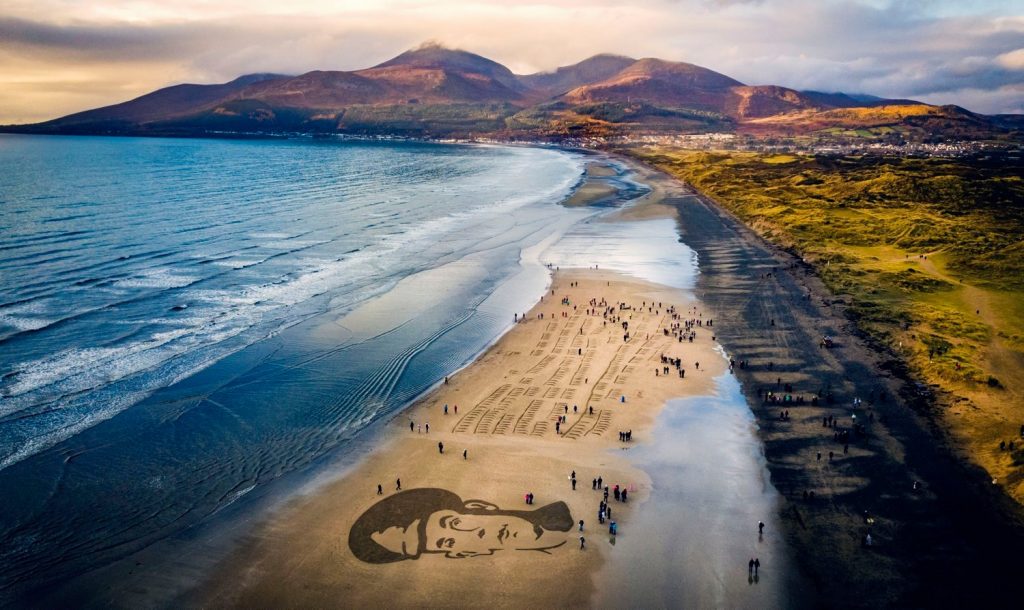
In 2018, the centenary of Armistice Day, our students and staff took part in a very moving art project on Murlough beach. We all helped create the images of war and loss in the sand, heard readings and singing and stayed to watch the tide come in and wash the images away.

During COVID, Emily conducted our act of Remembrance all by herself!
Remembrance Day is still appropriated to meanings we don’t all share, but we have made appropriations of our own. The challenges that come every year at Remembrance Day go some way to preparing us for the challenges of living alongside each other’s differing views and loyalties in terms of our own country. Those challenges also prepare us to negotiate attitudes to Gaza, to Israel, to Ukraine, to Russia, both among ourselves and each other and in the daily barrage of politics and media coverage.

Personal Pieces by Students & Staff

Ivor

Andrew

Powered By EmbedPress

Fiadhnait

Powered By EmbedPress

Ellen

Powered By EmbedPress

Kevin

Powered By EmbedPress