Shimna Irish

Coláiste na Séimhne

‘Learning from Each Other’ – since 1994

Commitment

Language is core to integration, each of us has our own language or languages and then the opportunity to learn the languages of others. Shimna’s founding curriculum statement, devised, by the first parents placed a special emphasis on language; they stipulated that every student would have the opportunity to learn at least two modern languages, and that Irish would be offered throughout the curriculum to A level.

This early commitment to Irish was fundamental to integration. To some of us Irish is our first language, to some it is the language of our traditions, to some it is the language of our nearest neighbours, to some it is a language we want to learn and to some it is a language important to our friends and colleagues. Addressing the contentious issues surrounding Irish activates our core integration dynamic.

Irish was taught from year 8 in the first year of Shimna’s existence, taught by Rose Murray, who revived her schoolgirl Irish and took herself to the Gaeltacht to brush up. Irish was offered as one of our four languages along with French, German and Spanish, and offered at GCSE and then at A level to our first cohort of students

Many of our students would be learning Irish from scratch, but we live in an area with a thriving Irish medium community. When Bunscoil Bheanna Boirche was founded by local parents in 1999, the board of governors came to talk to our Shimna governors. The Bunscoil governors wanted to emphasise that their school was not denominationally based and was attended by children from both Catholic and from Protestant backgrounds. Shimna’s admissions criteria are devised in order to ensure religious/cultural/community balance. In order to achieve this the criteria are applied separately to applicants from Catholic, Protestant backgrounds and to applicants of Other faiths and none. The Bunscoil governors, understandably, wanted to avoid any assumption that their school was denominational, nor that any assumption could be made about the religious/cultural/community background of any child because s/he had attended the Bunscoil.

When our first cohort of Irish Medium students applied, we added an element of Irish medium provision in separate teaching sessions from the Irish lessons for new learners. Irish medium students were offered the opportunity to sit their GCSE at the end of year 10 and their A level at the end of year 12. Several staff members were Irish speakers, and students were encouraged to use their Irish as far as possible in their day to day life in school.

Providing all our languages to A level was always a challenge financially and logistically, and our success in doing to relied on the commitment of staff and students to supporting different models of provision. Sometimes years 13 and 14 were taught in a composite class, sometimes year 11 Irish Medium students joined year 13 Irish A level students. Sometimes, oral preparation was taken by our Irish language assistant.

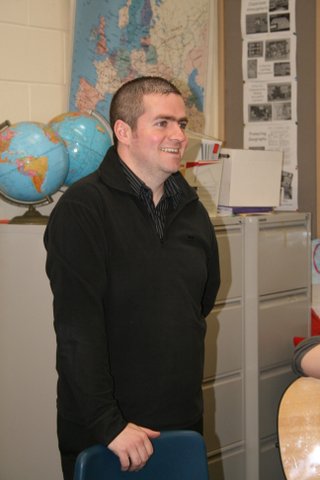
Shimna grew a wonderful additional resource when head of German, Ian McMillan decided to learn Irish and to sit his GCSE and A level alongside the students. As an experienced teacher of German and Spanish, once his Irish was of an appropriate standard, Ian was able to teach Irish and expand the range of our provision.
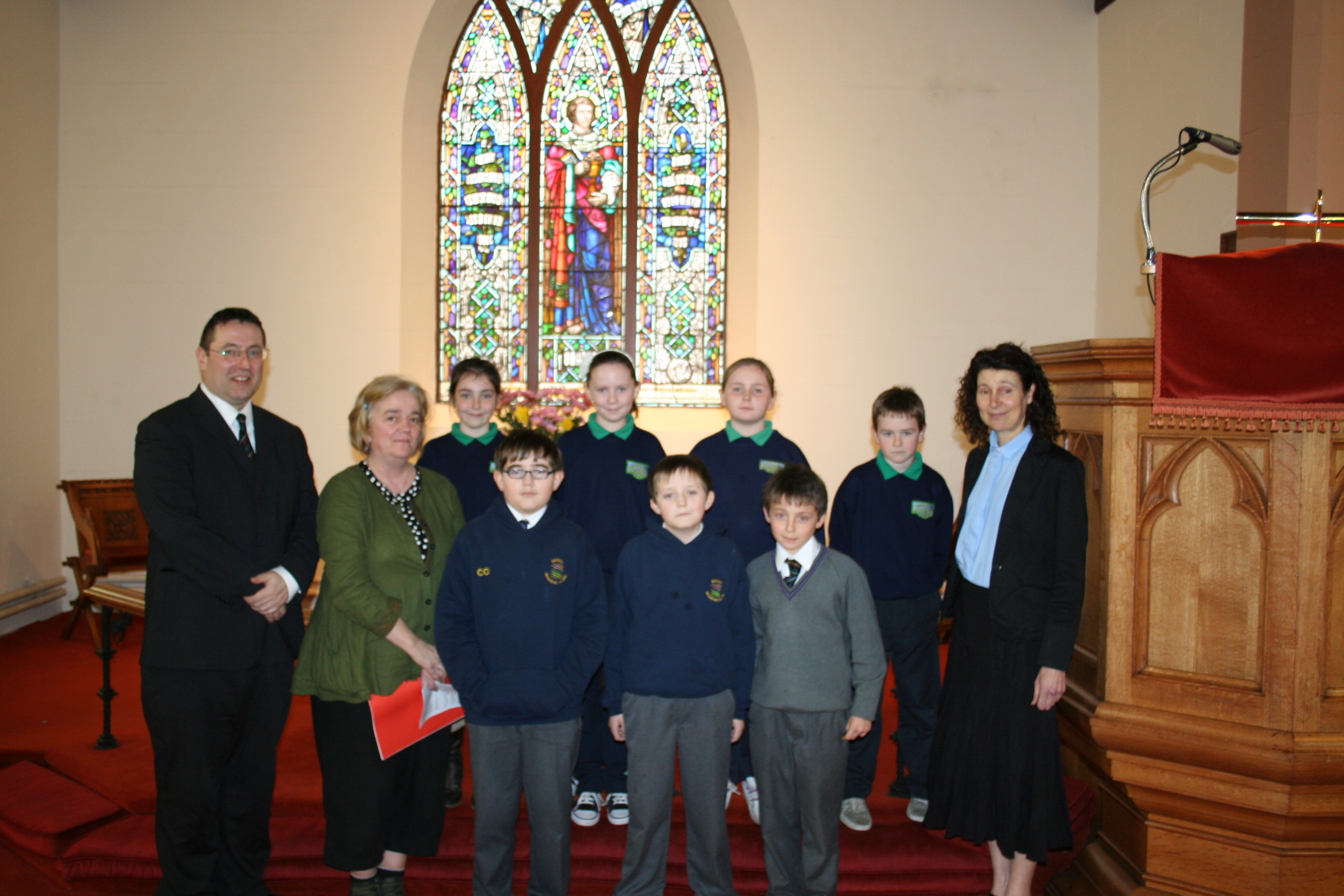
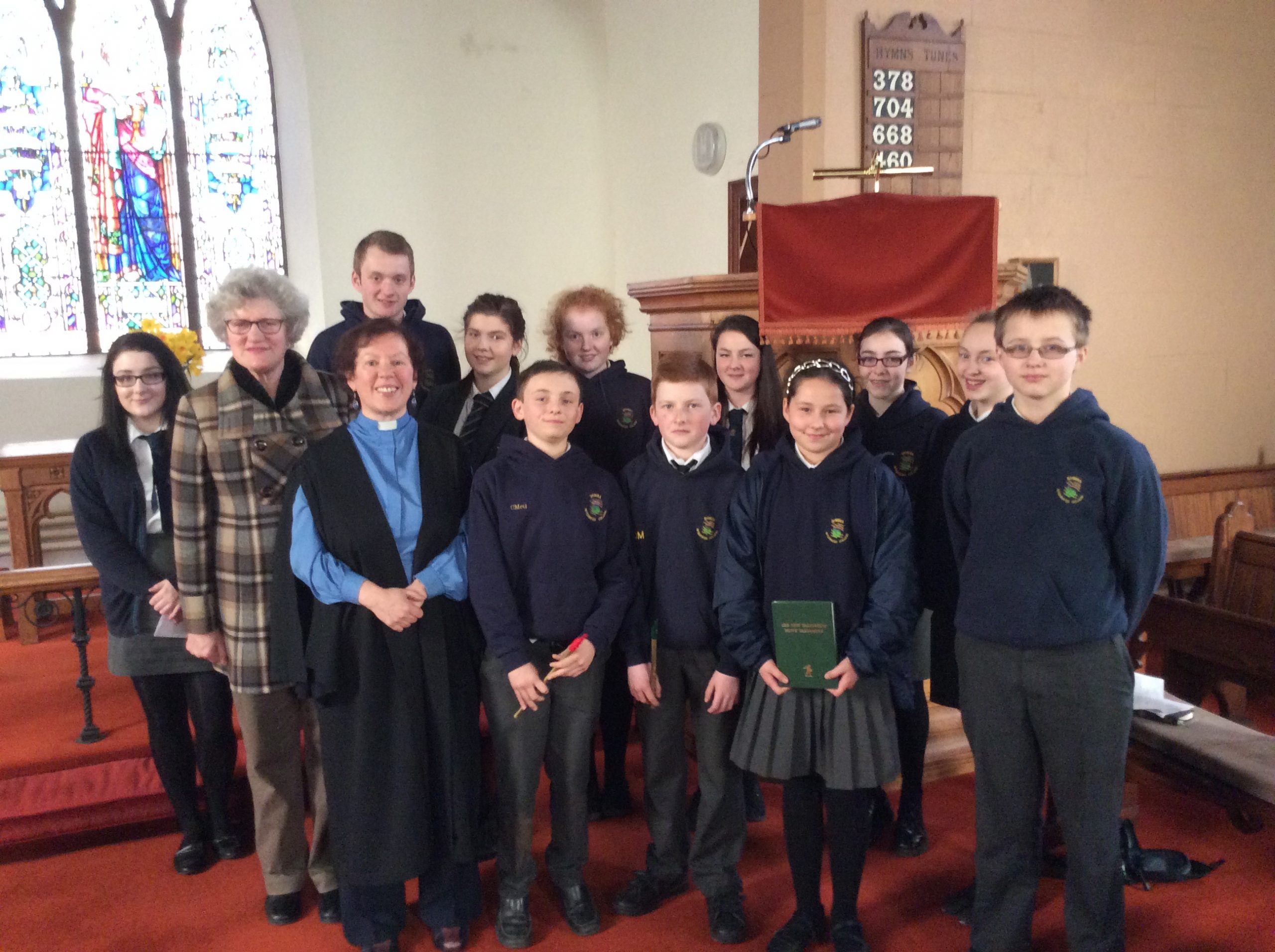
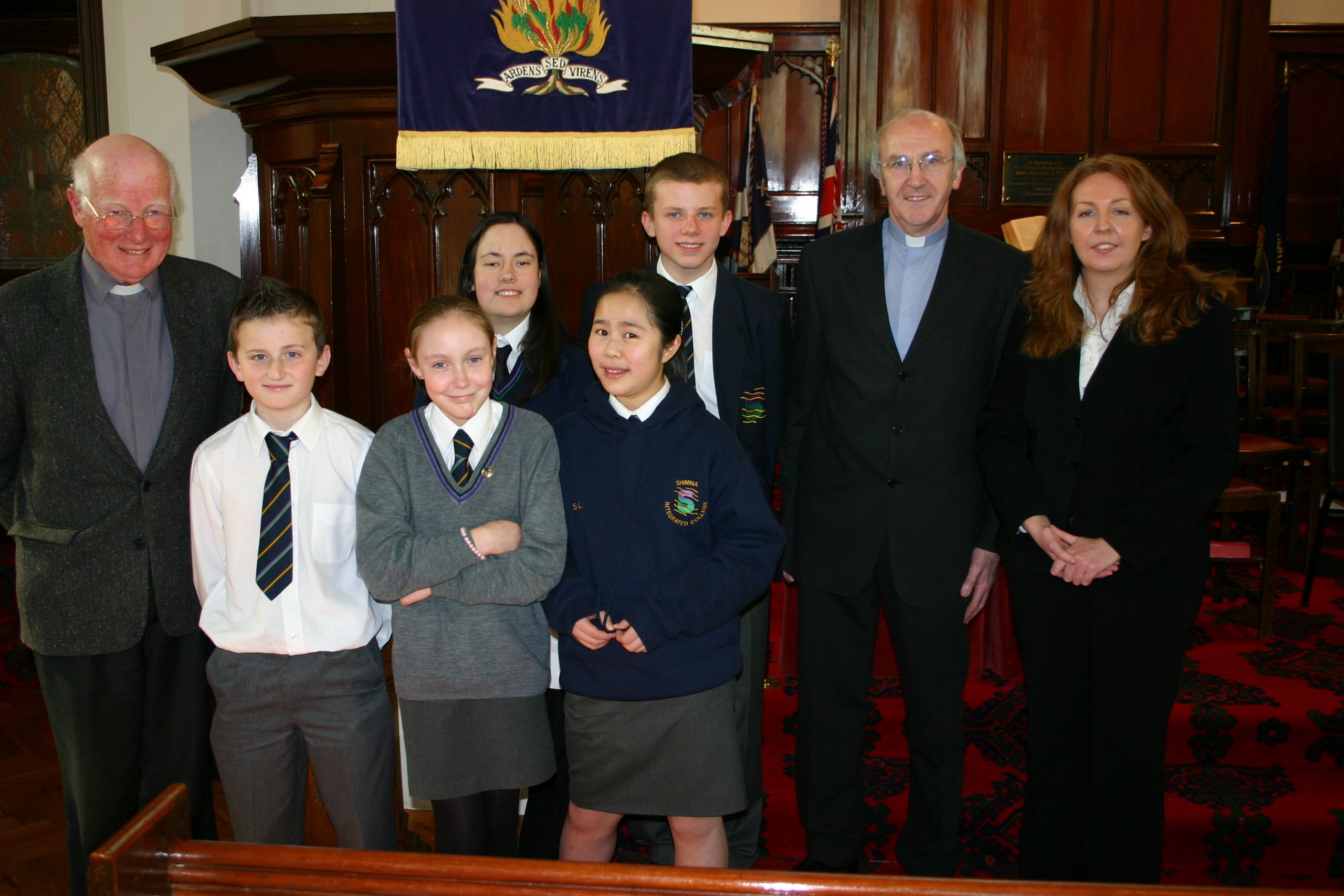
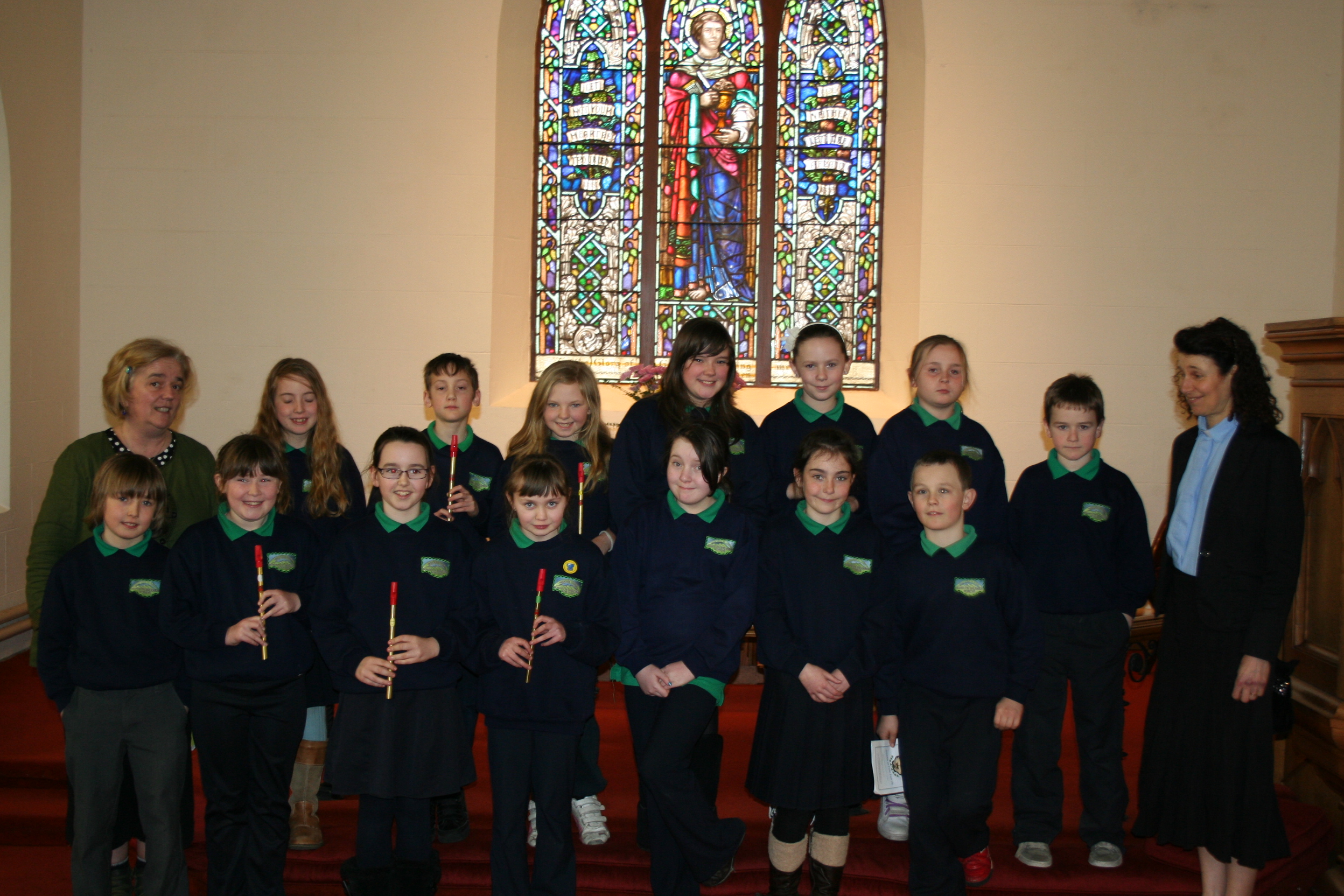
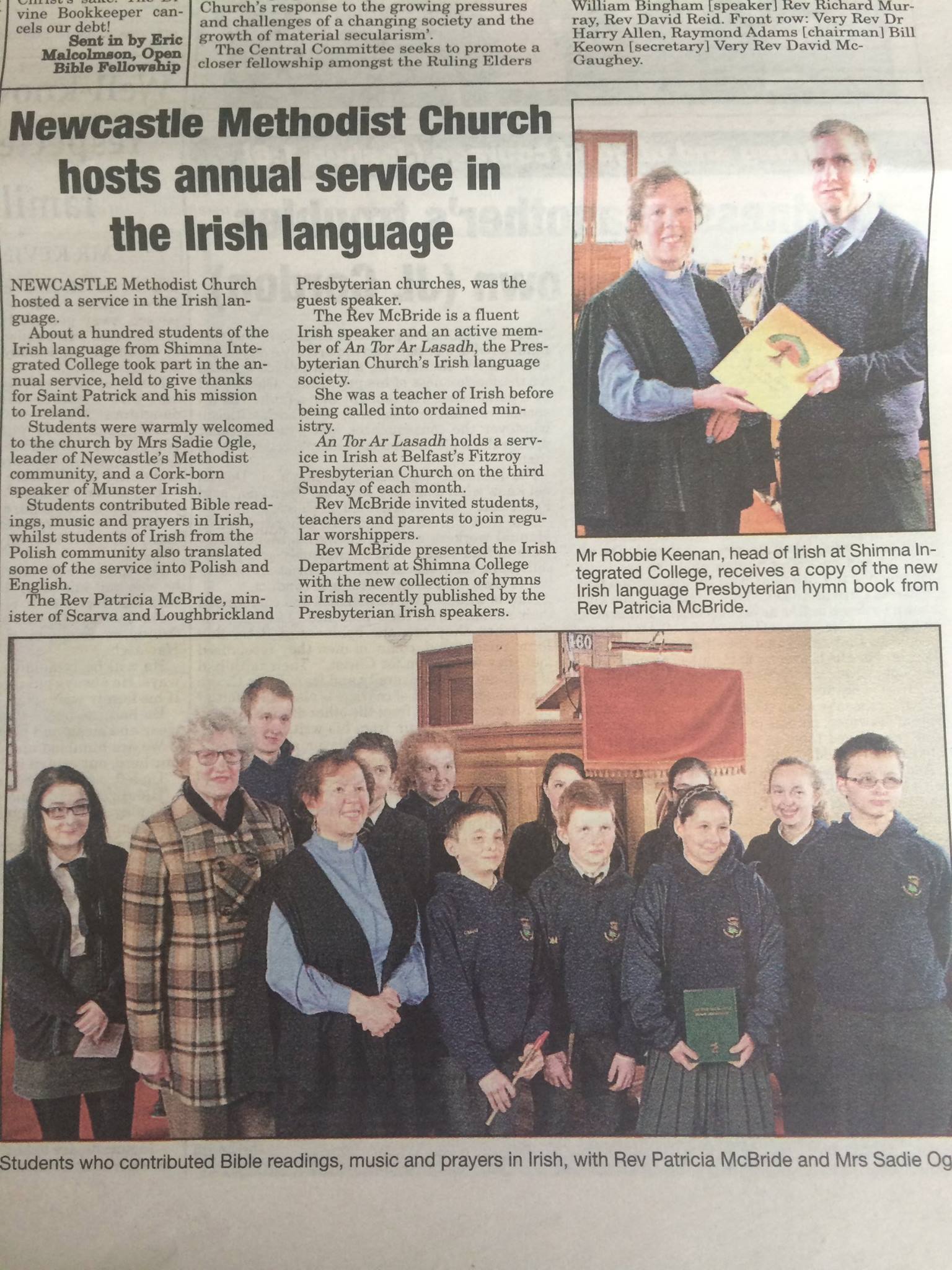
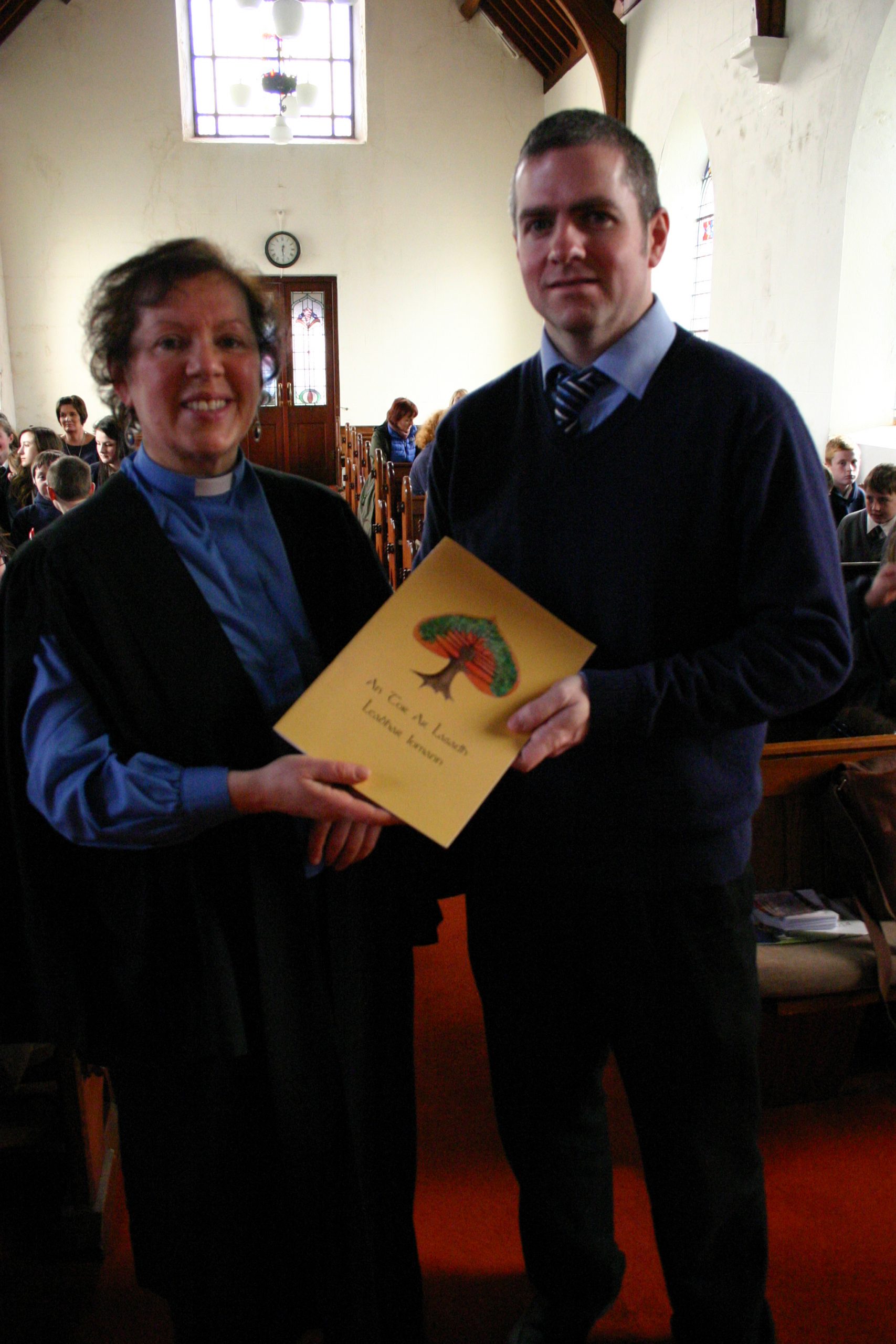
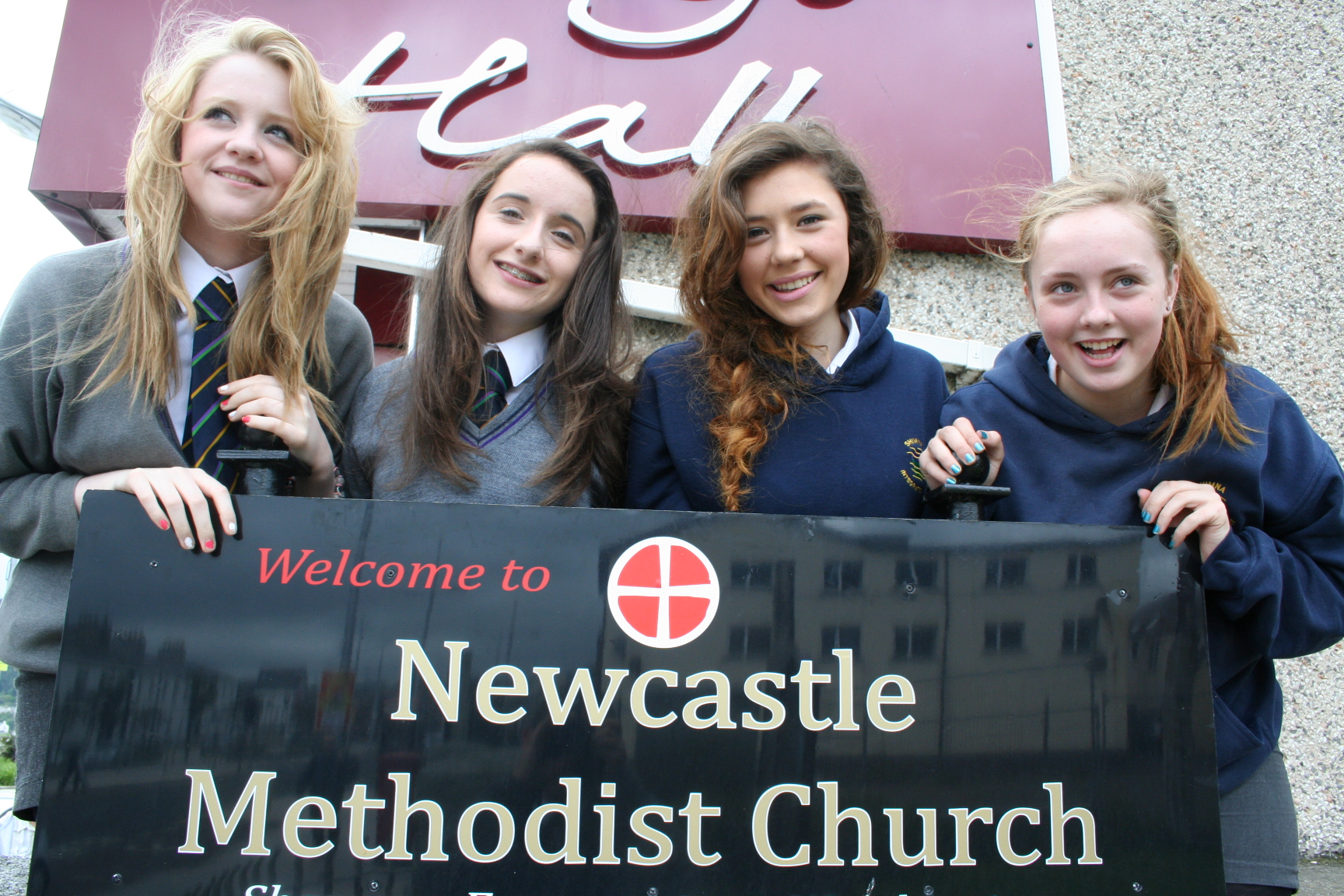
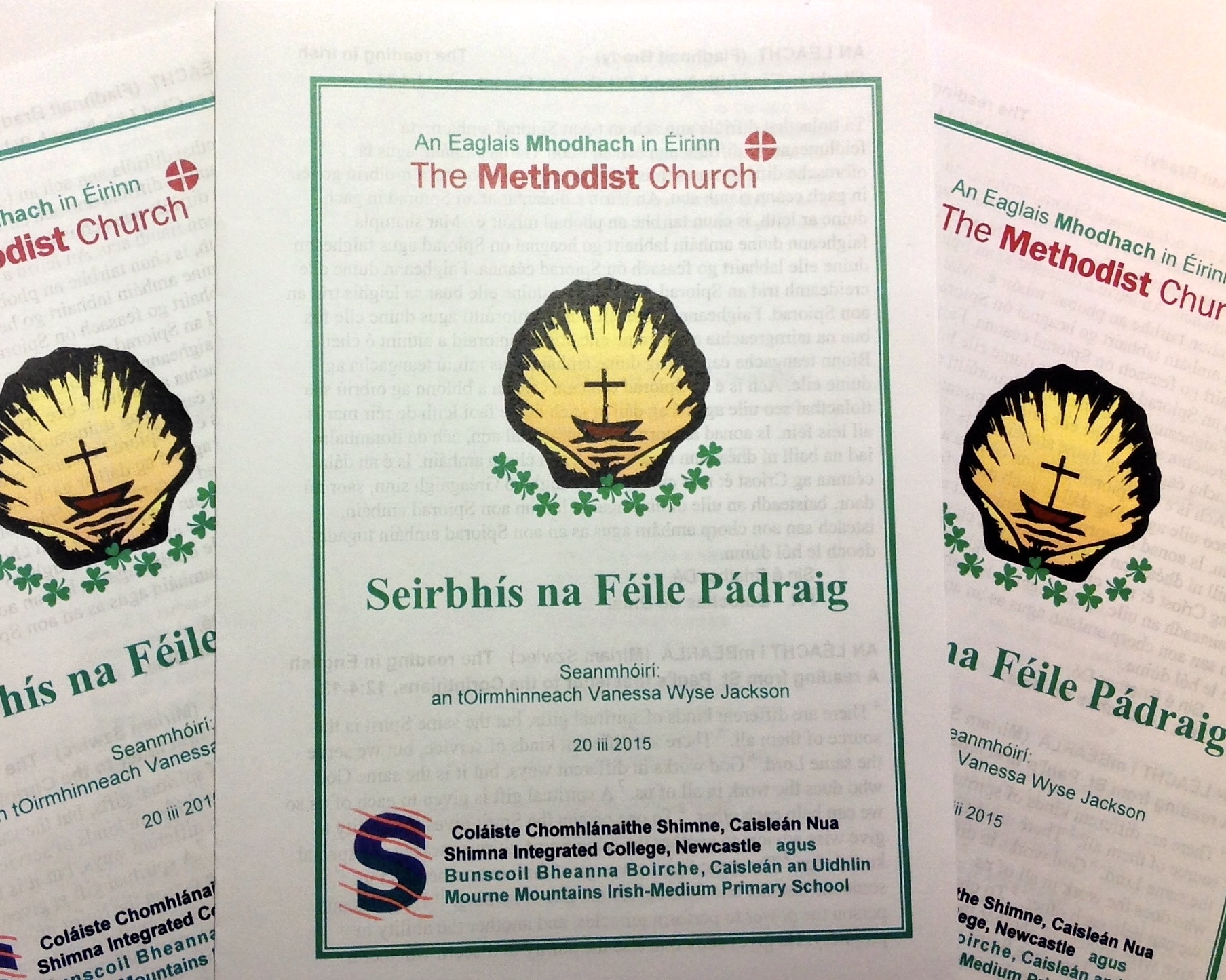
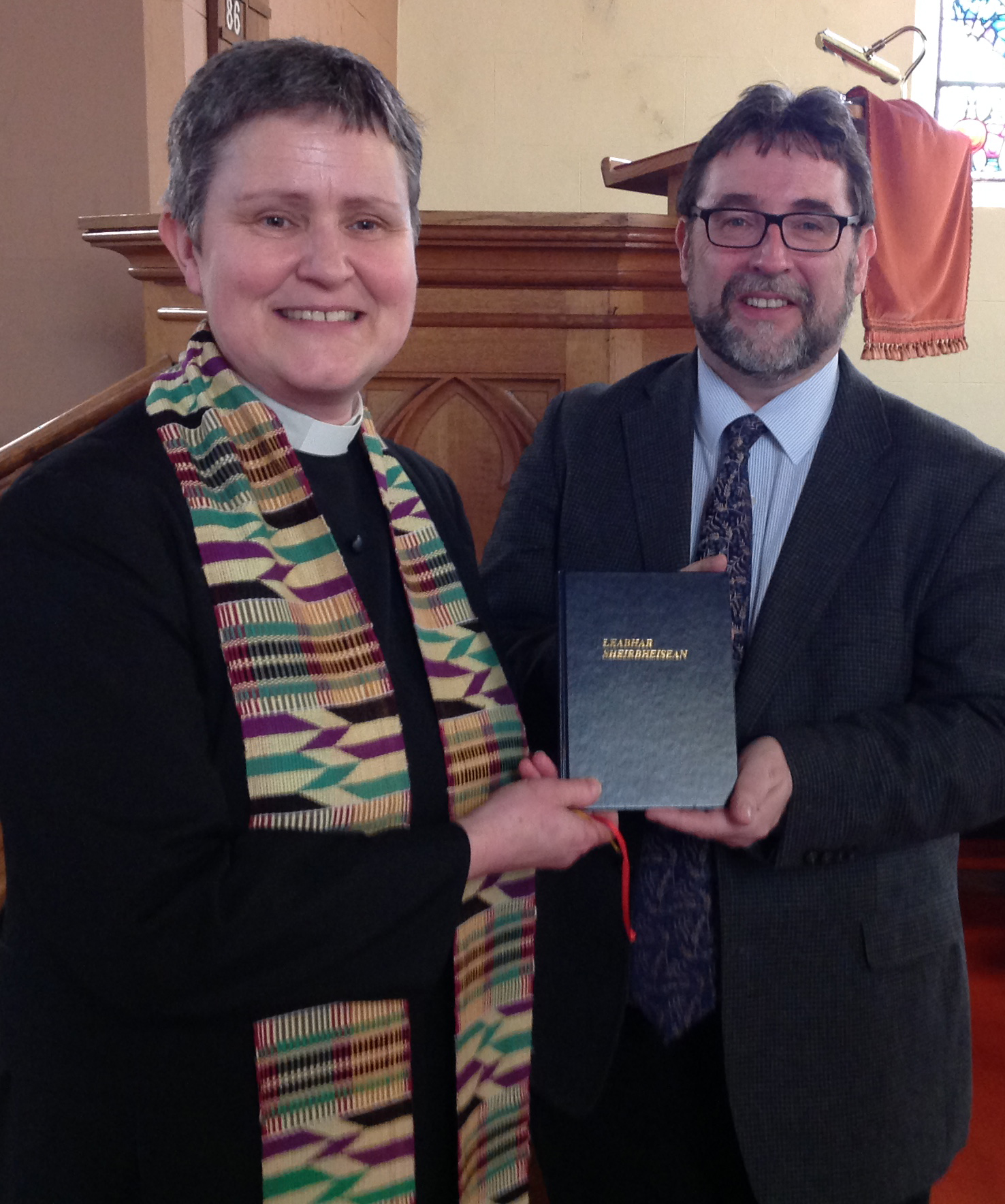
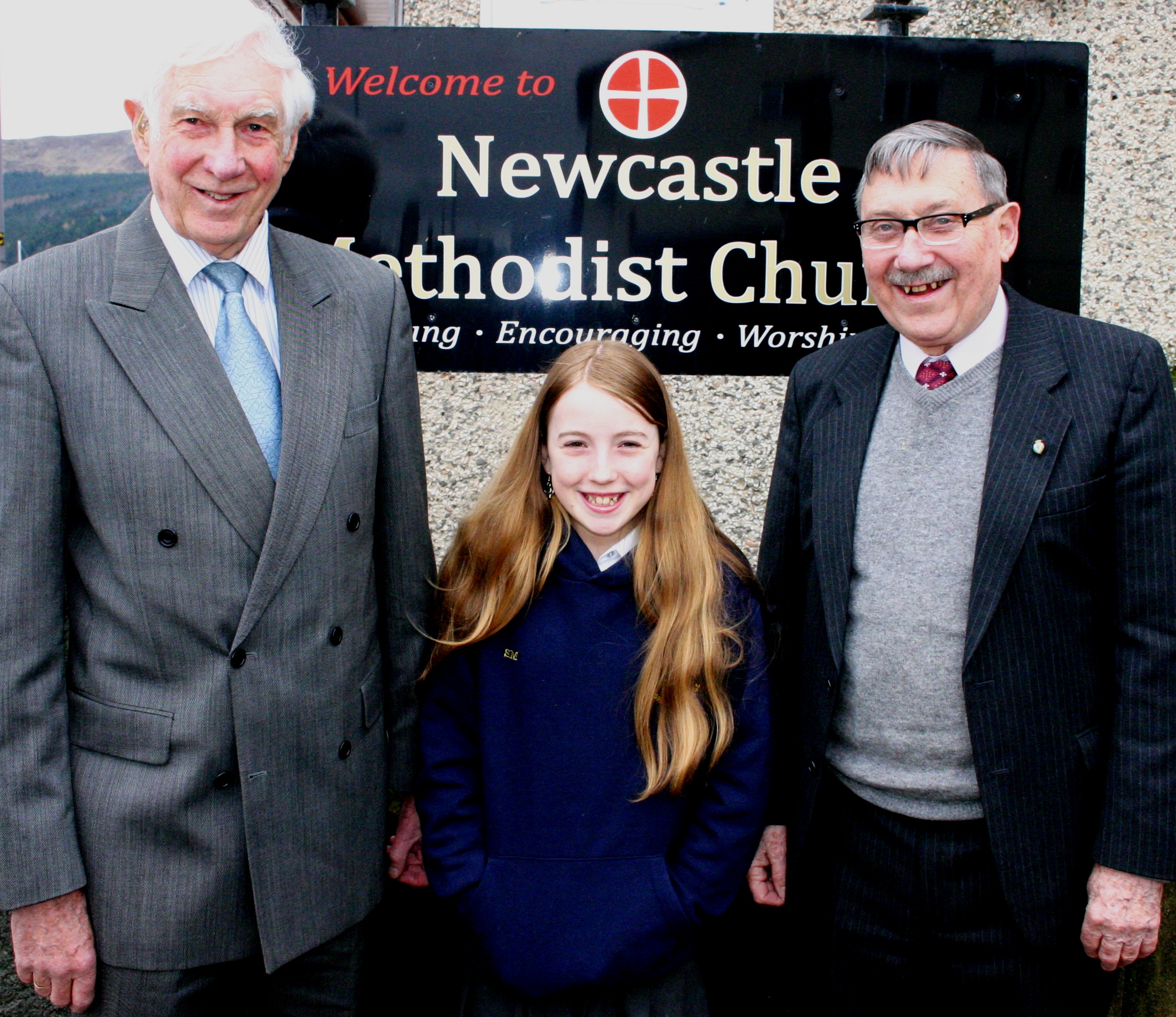
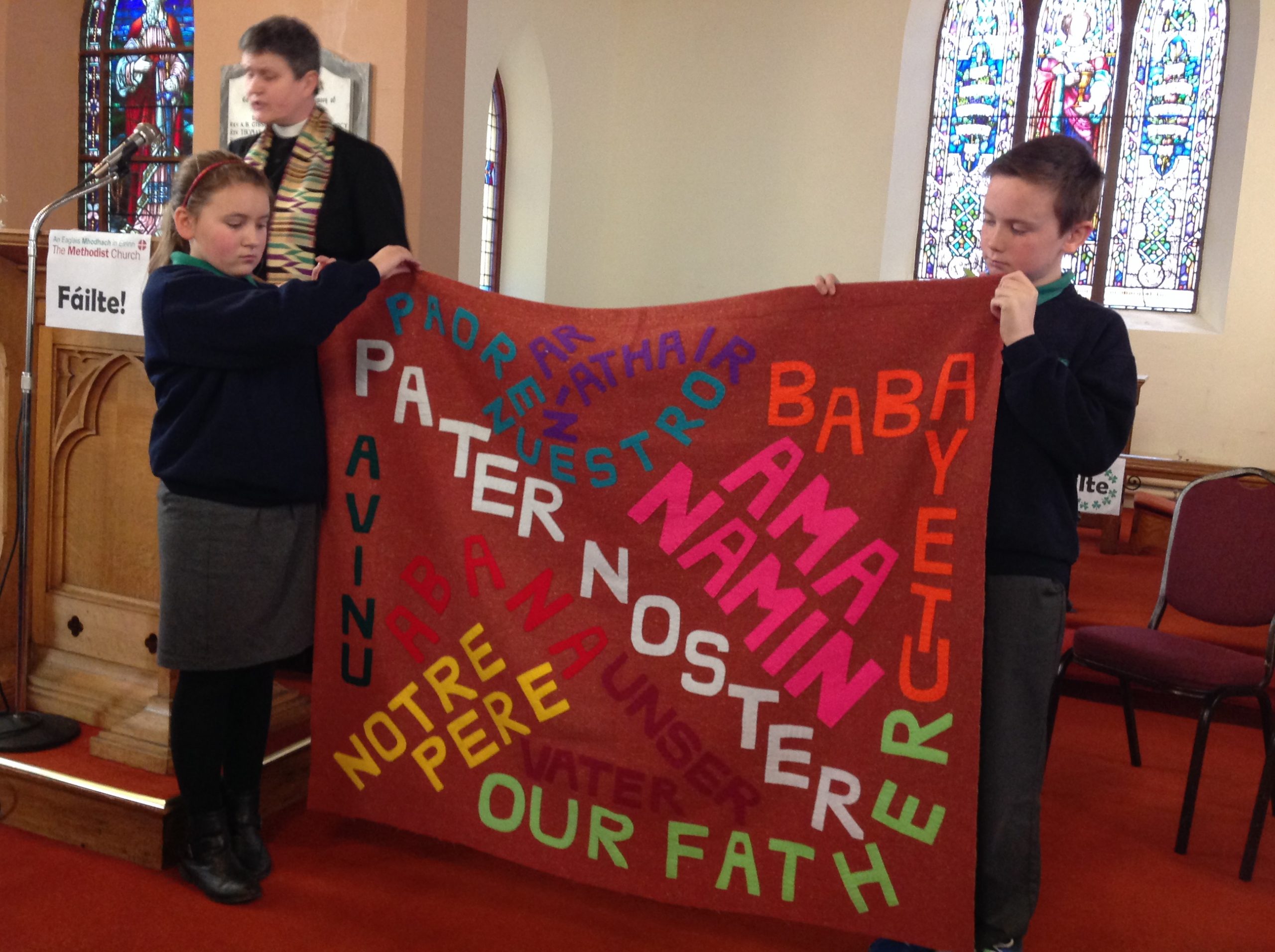
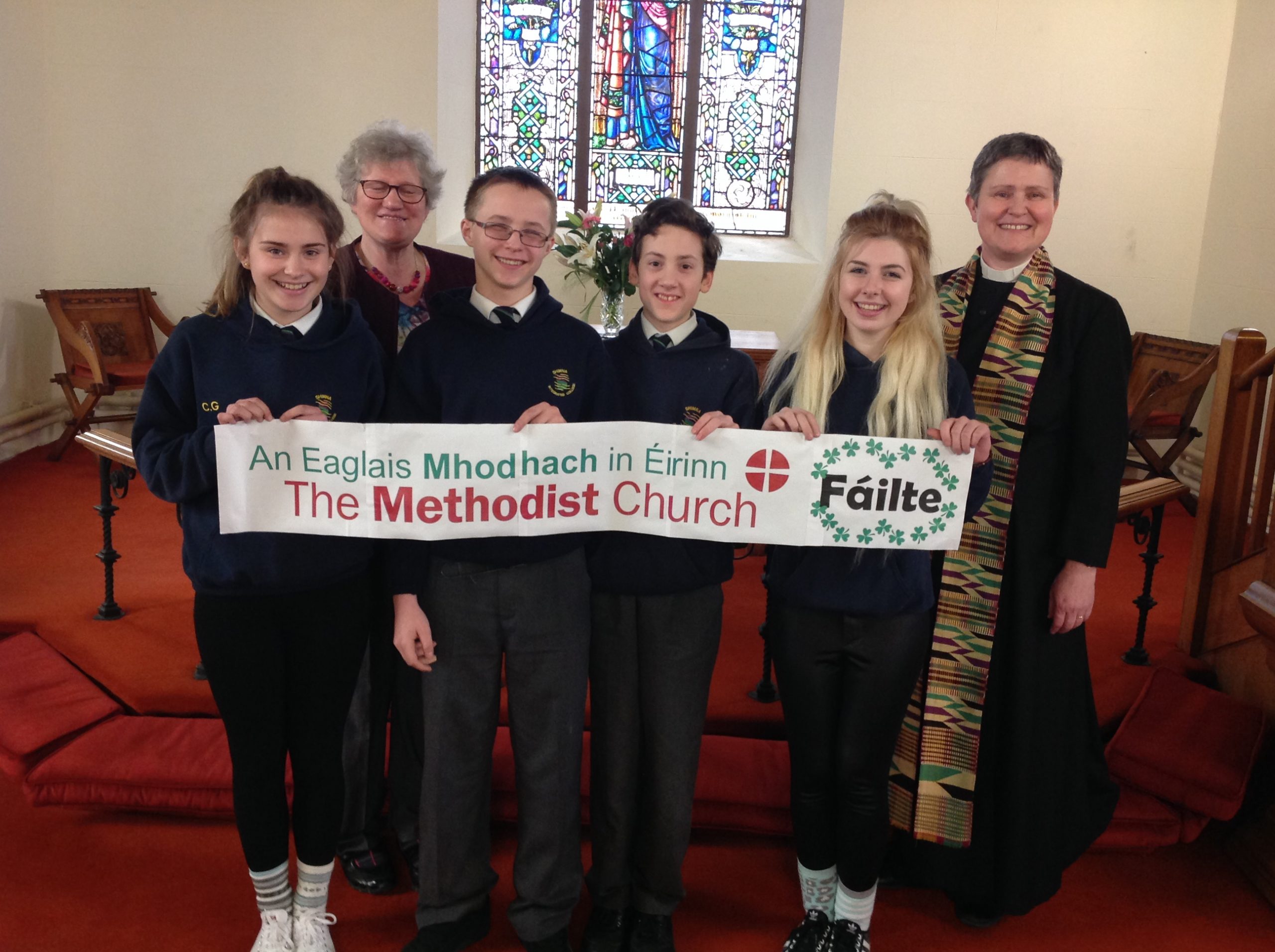
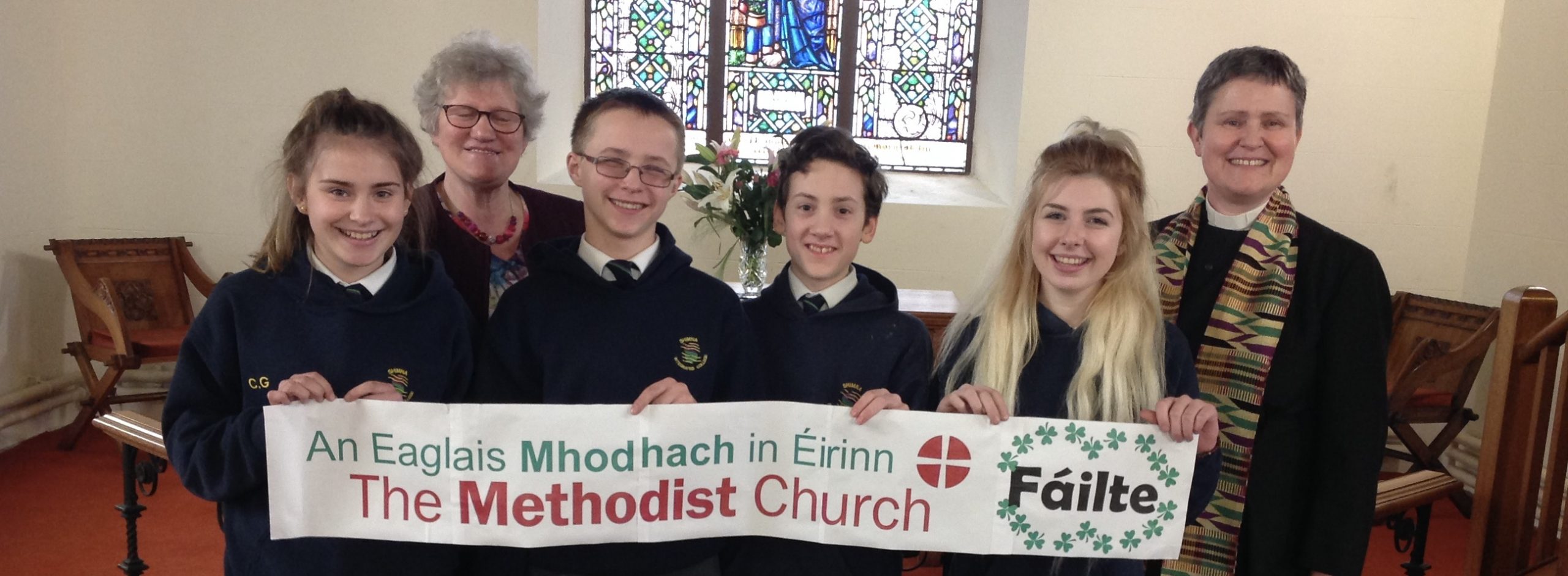
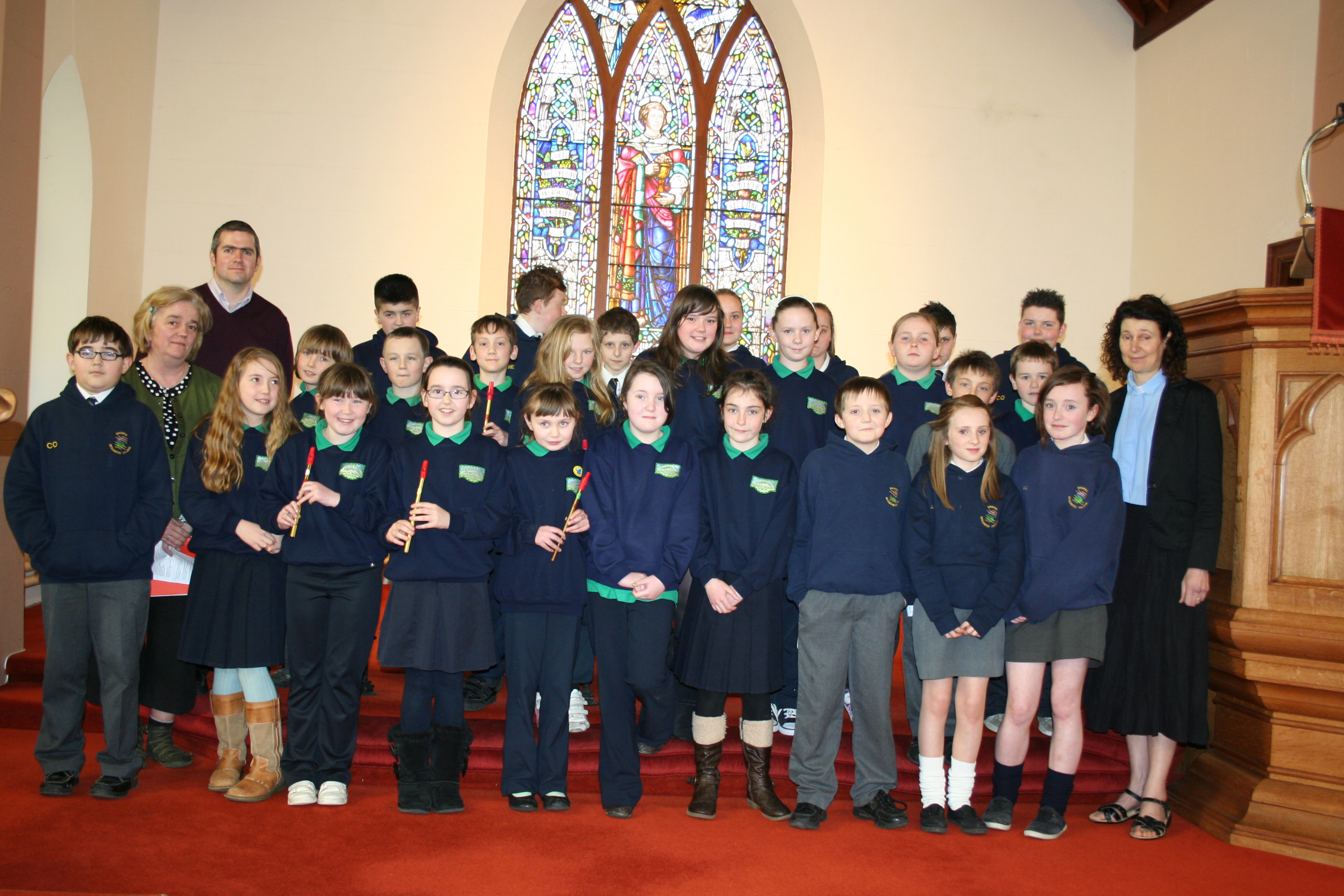
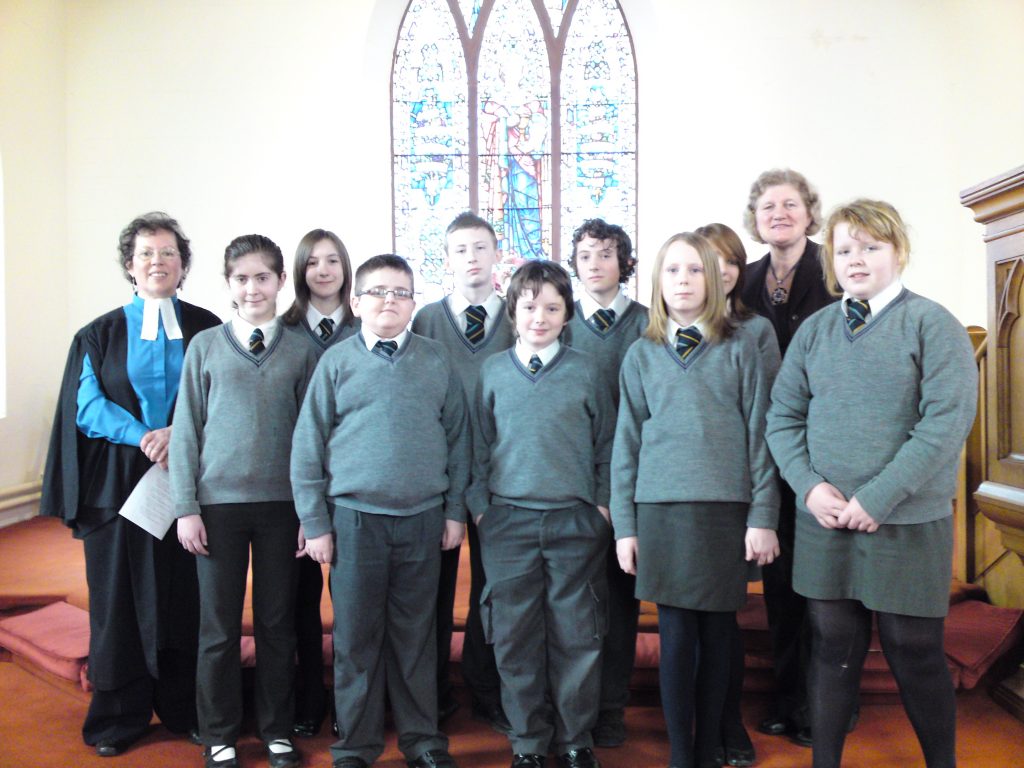
Our specialist Irish teaching staff over the years comprised Justin O’Hagan, Neasa Bonner, Roisin Malone, Pamela Scullion and, in particular, the long-serving Robbie Keenan, with support from Irish language assistants Ciara Booth and Anita Gallagher. However, one of our most interesting annual Irish events was initiated by head of Integrated and Religious Studies, Chris Skillen. He drew on the resource of Irish speaking ministers within the Presbyterian Church to organise an annual Protestant Irish language service for St Patrick’s Day. The service was held alternately in Newcastle Methodist and Presbyterian churches. Sadie, a member of the Methodist congregation, was always on hand to welcome our students in Irish. Every year, the event challenged assumptions about who owns and who speaks Irish, and we never ran out of Irish speaking Protestants to take the service.
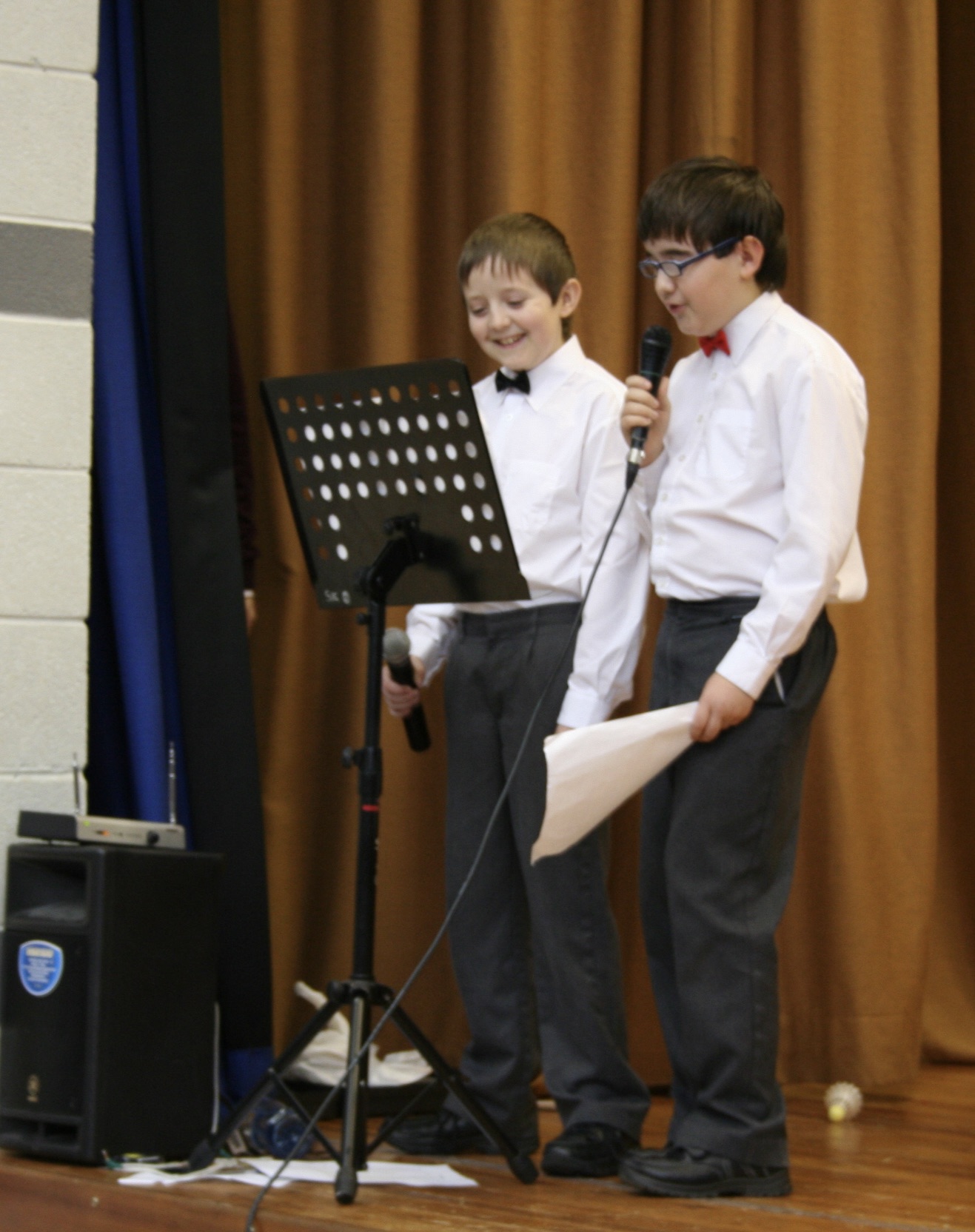
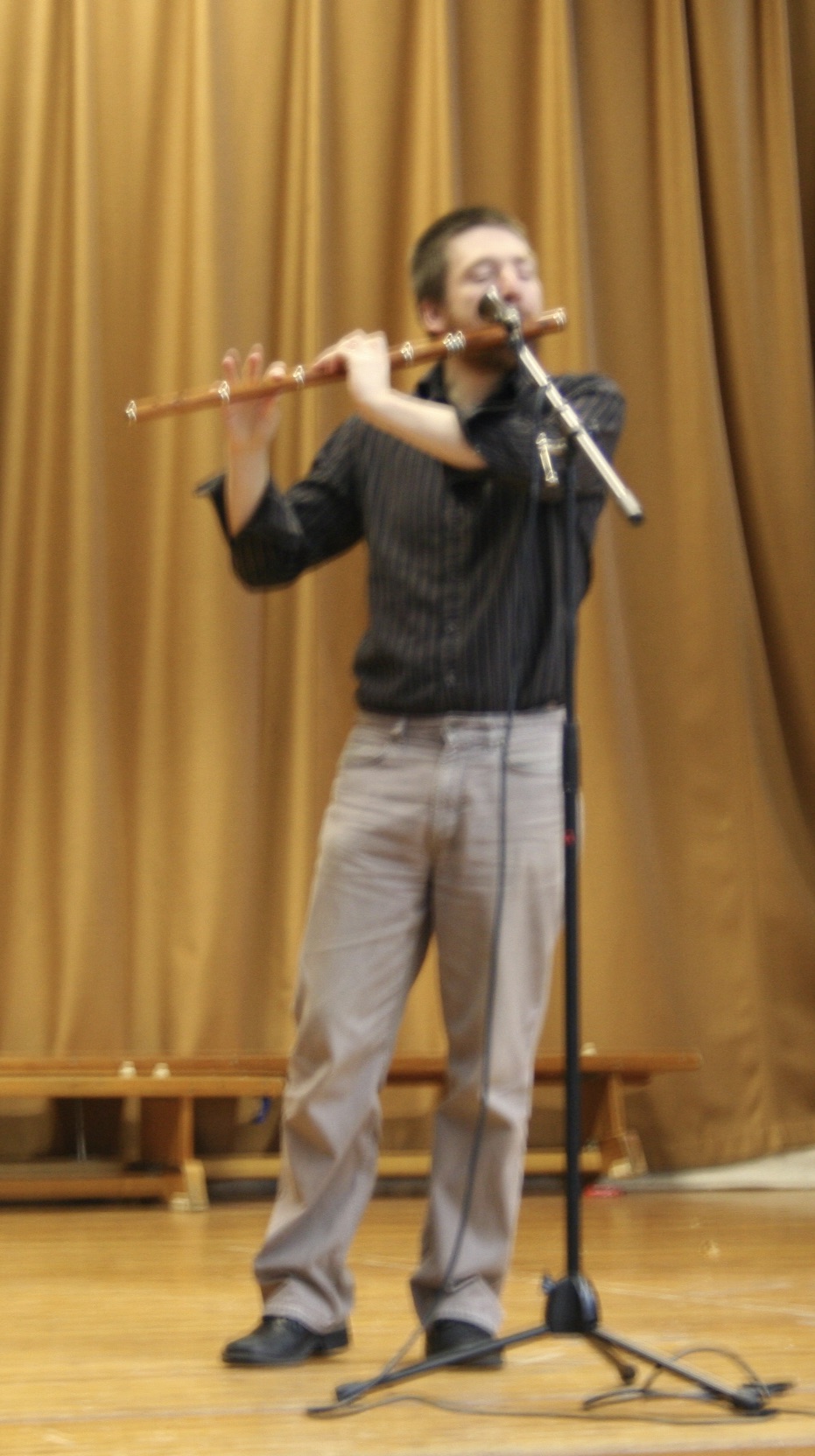
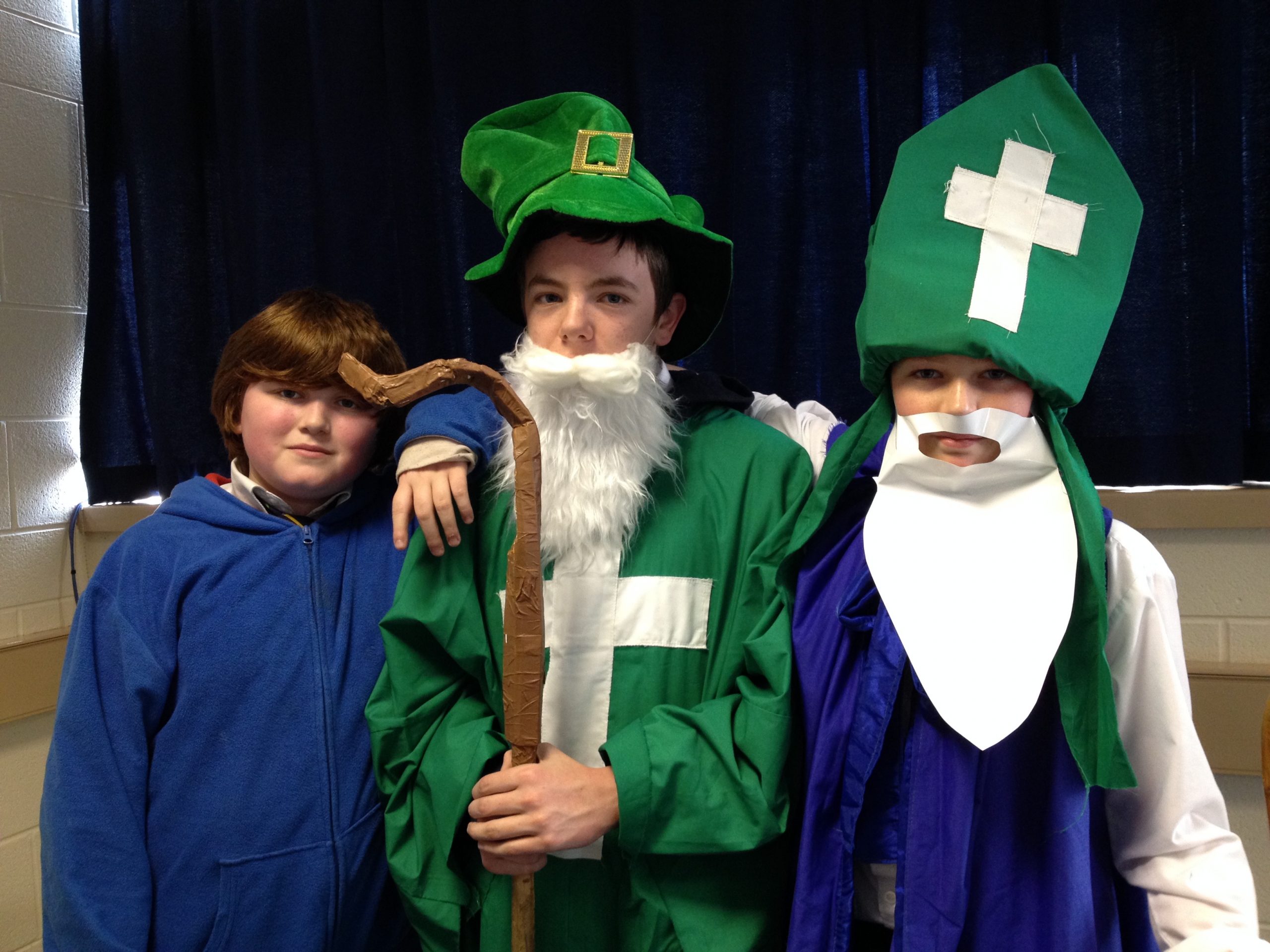
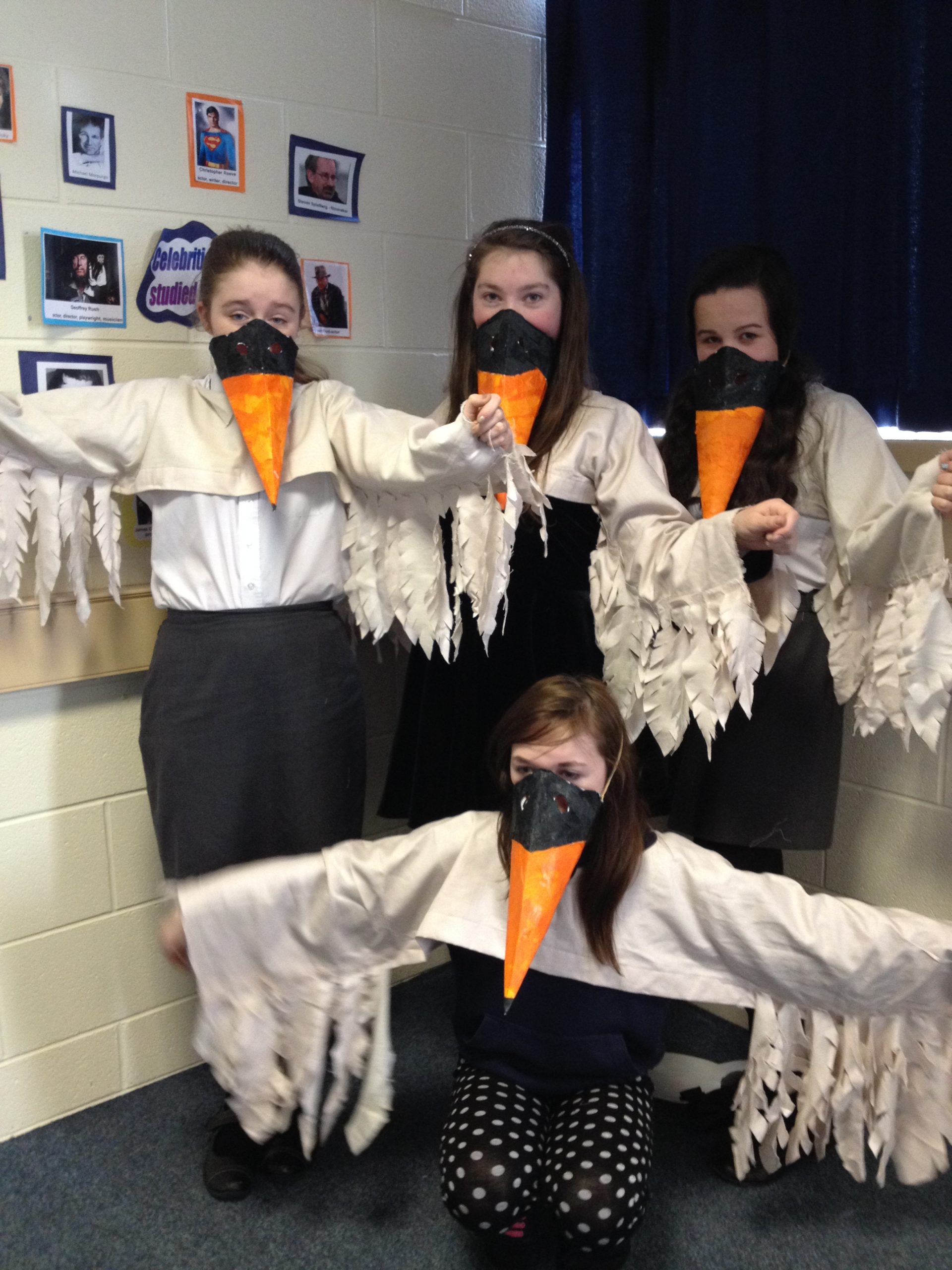
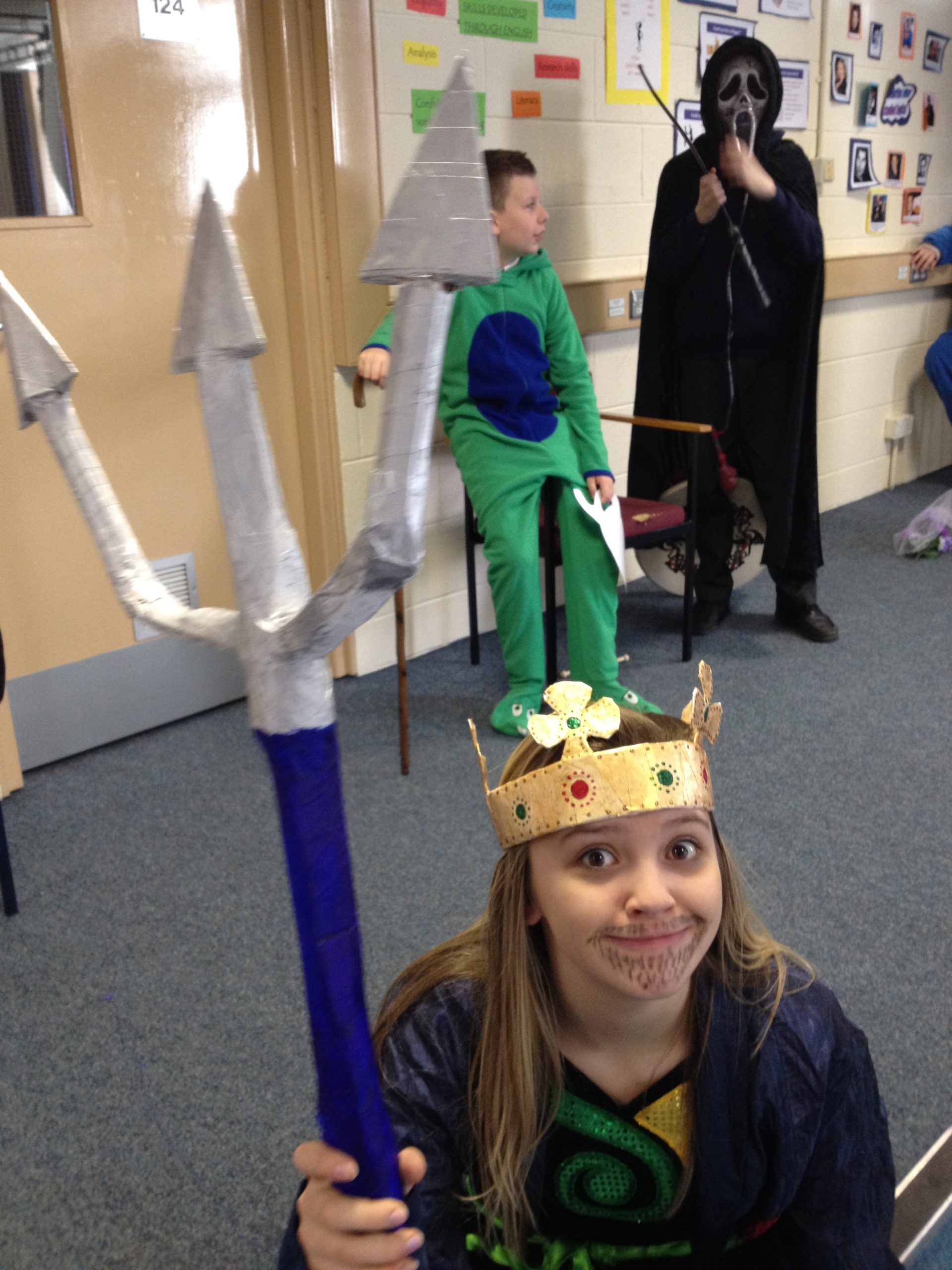
Our Irish department also made an important contribution to the wholeschool ethos, in organising our St. Patrick’s Day assembly, one of two wholeschool assemblies each year, the other being Remembrance Day assembly. The St Patrick’s day assembly included drama presentations on the story of St Patrick, the Children of Lir, the Táin etc., music, dance and presentations in Irish.
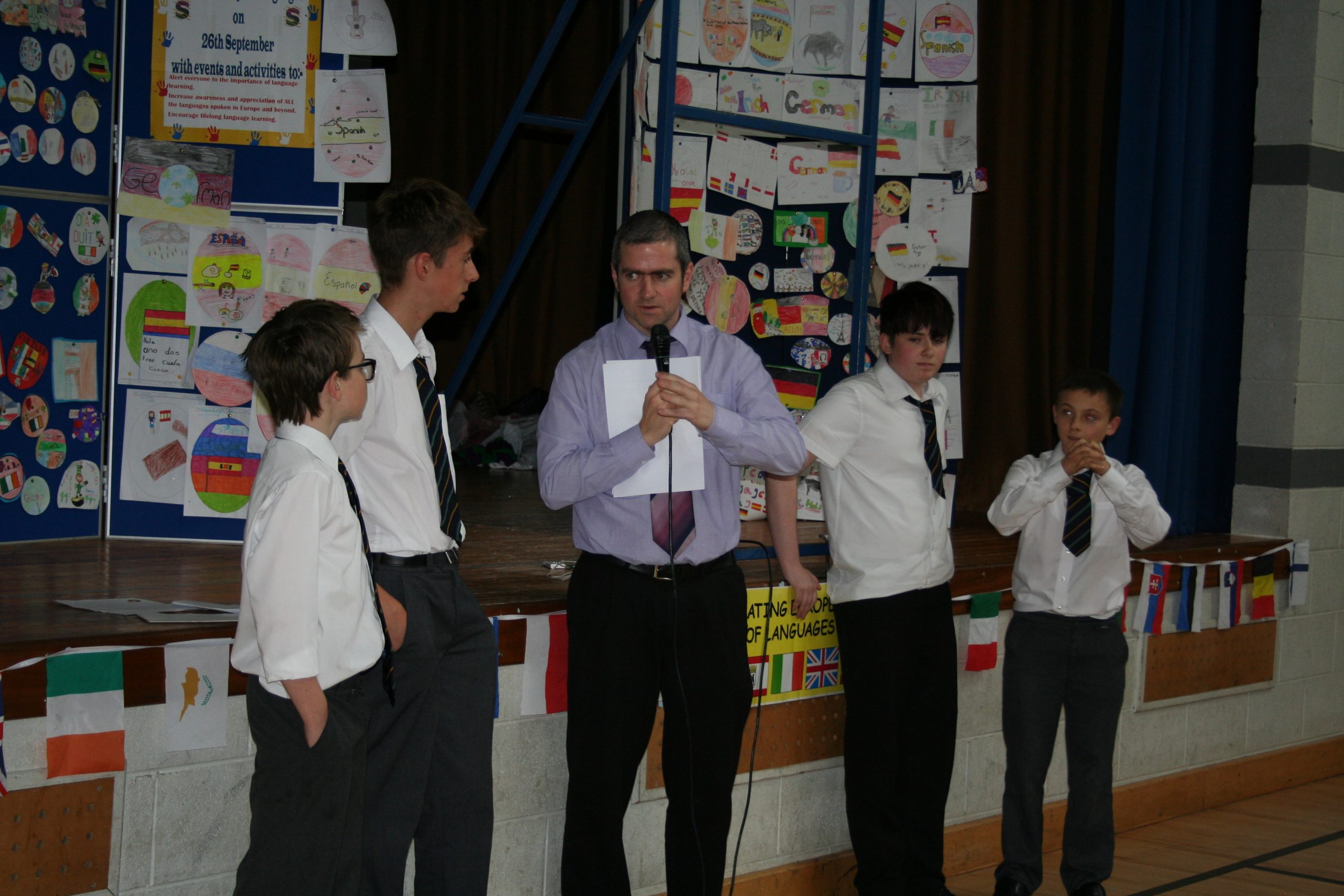
Seachtain na Gaeilge involved additional assemblies in Irish and about Irish, along with quizzes, céilithe and demonstrations of baking potato bread, stew or soda farls. Tara even produced a ‘Bake your own Farls’ video in Irish!
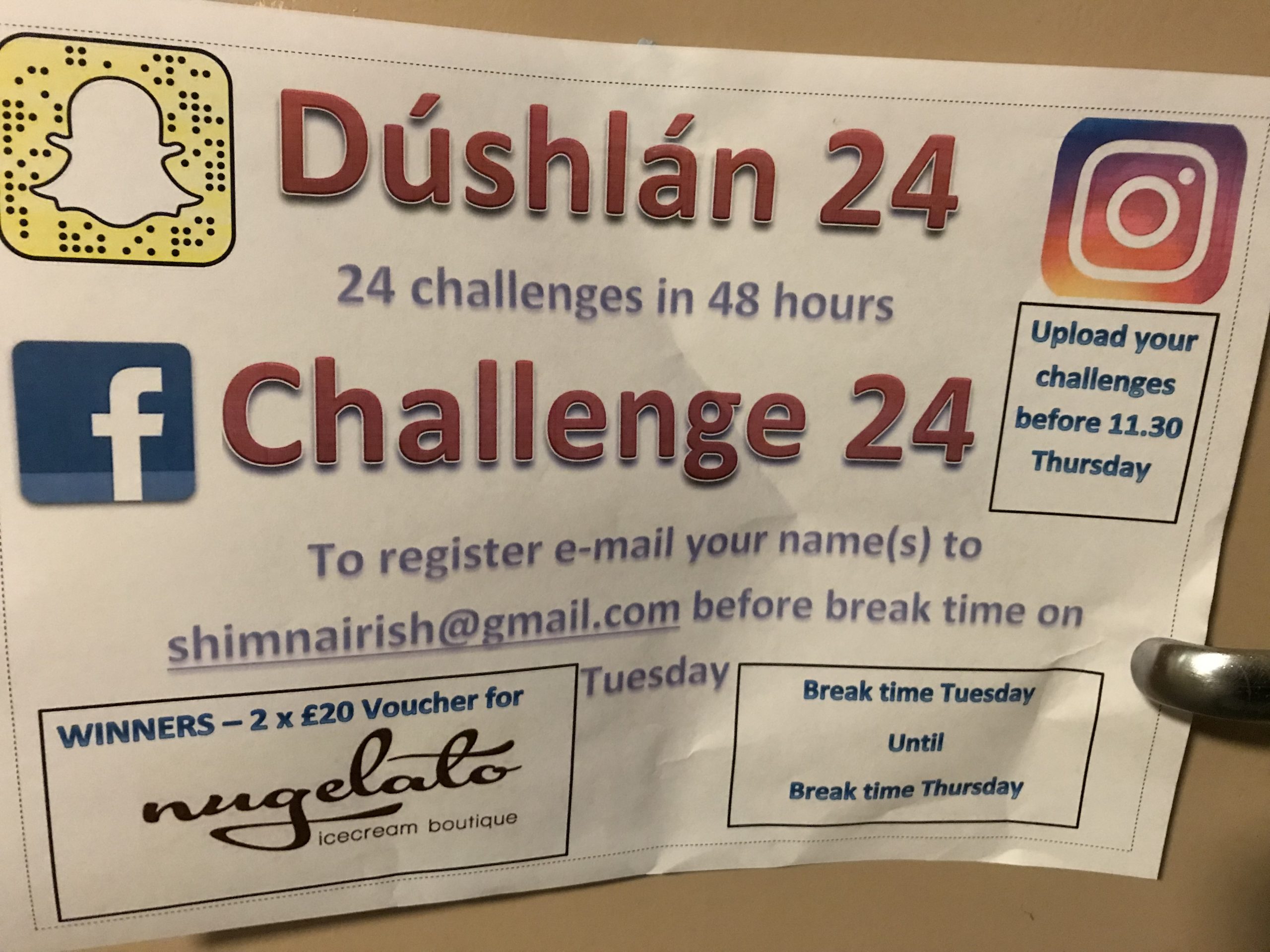
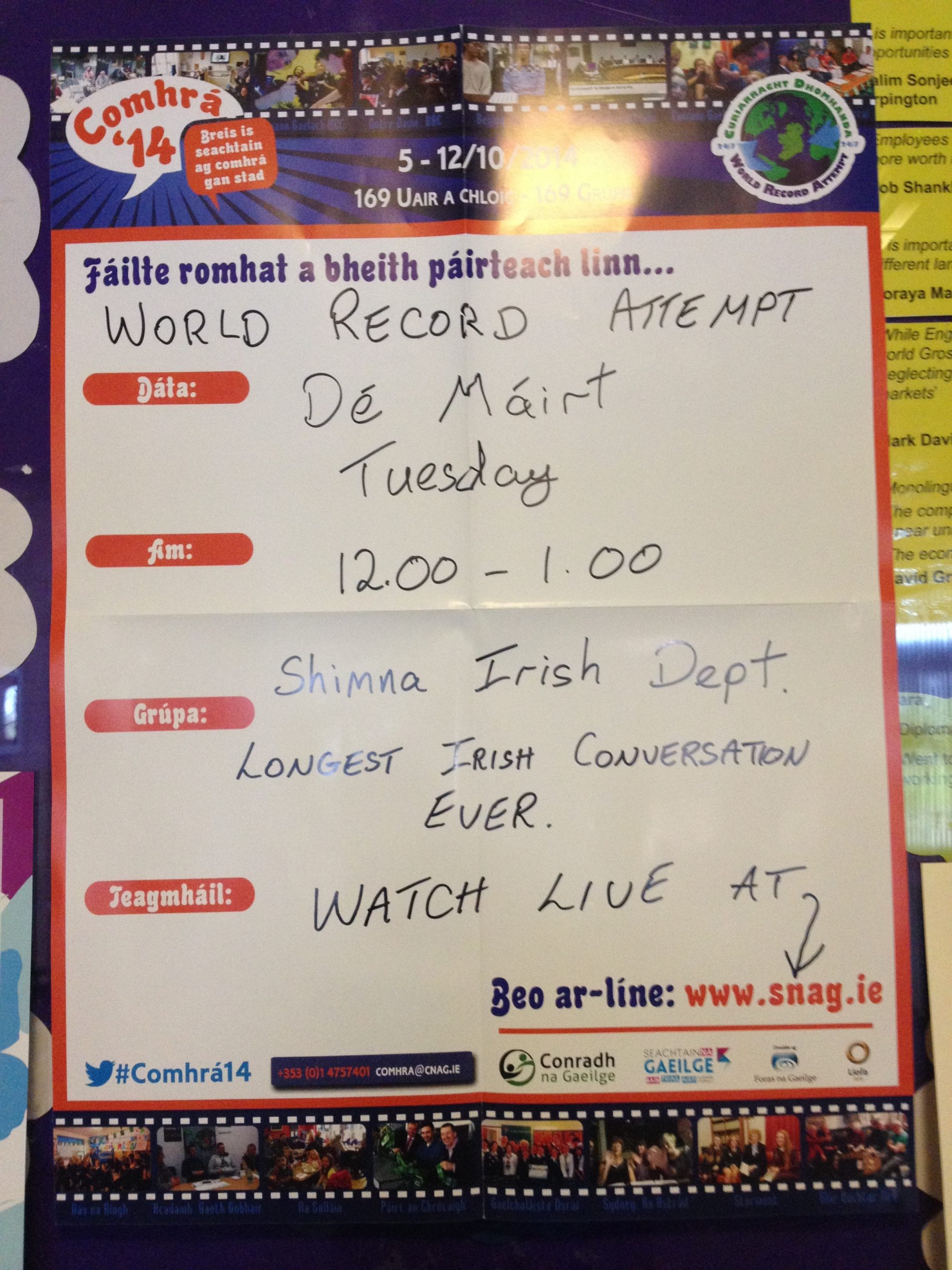
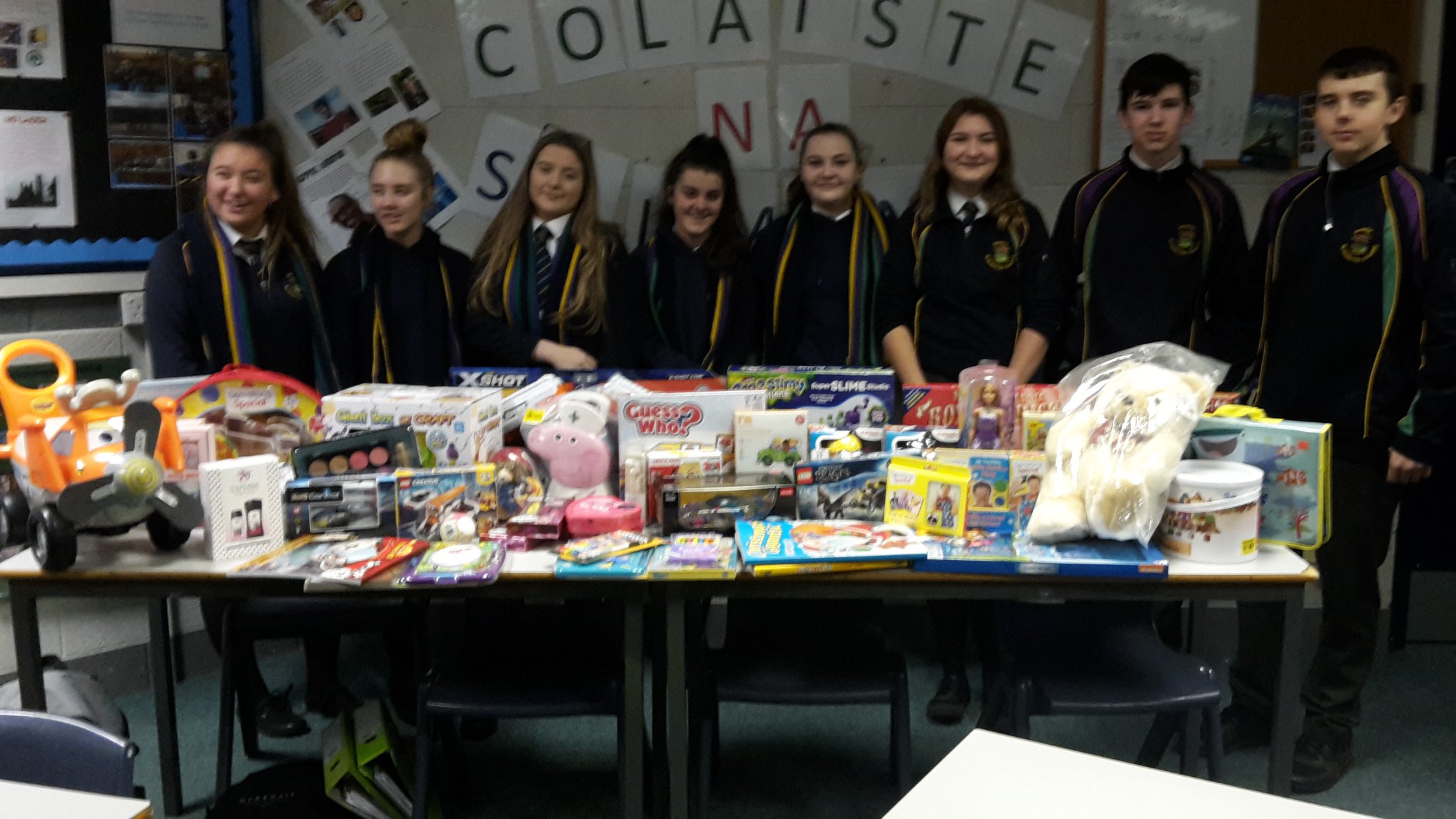
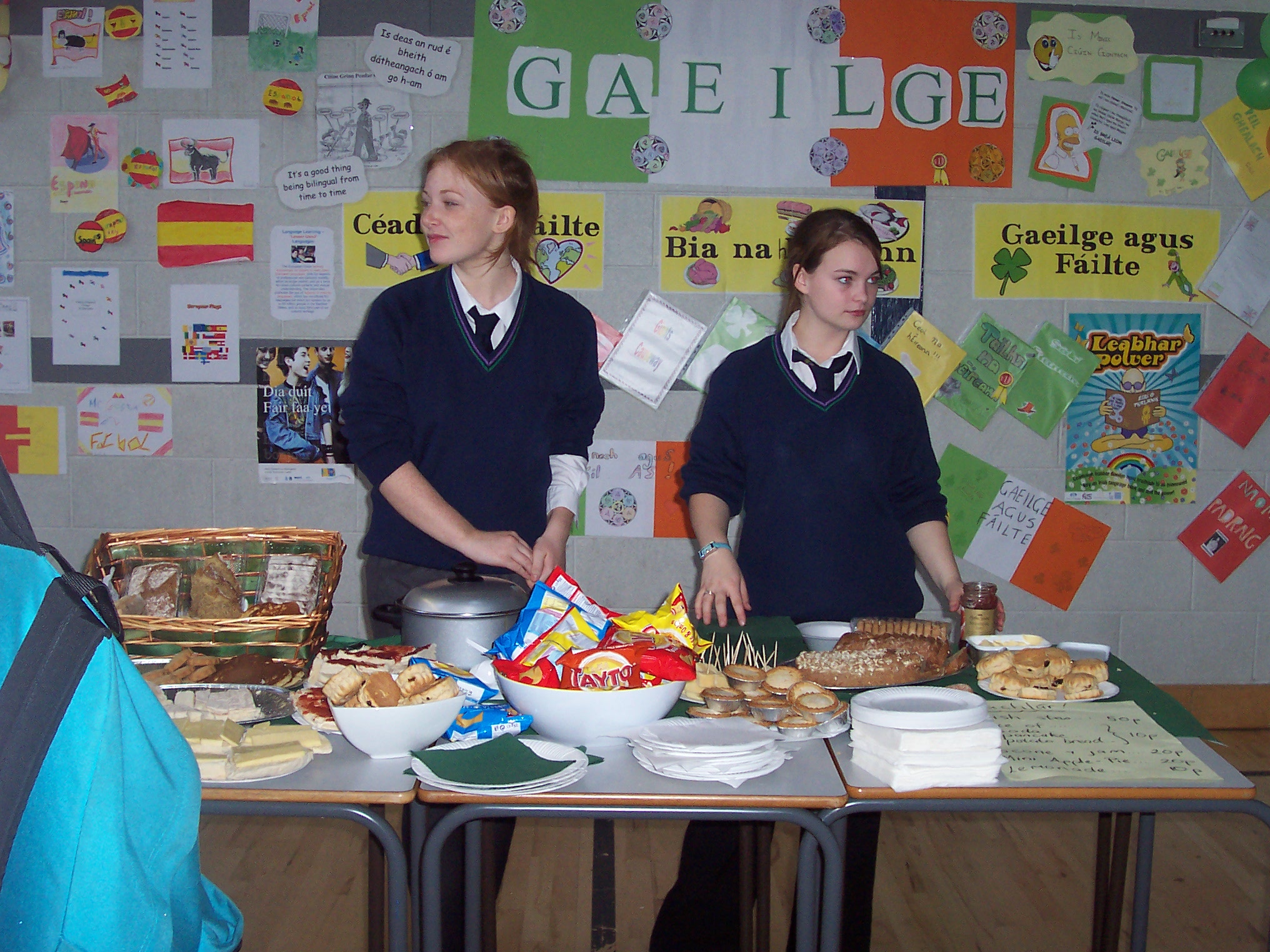
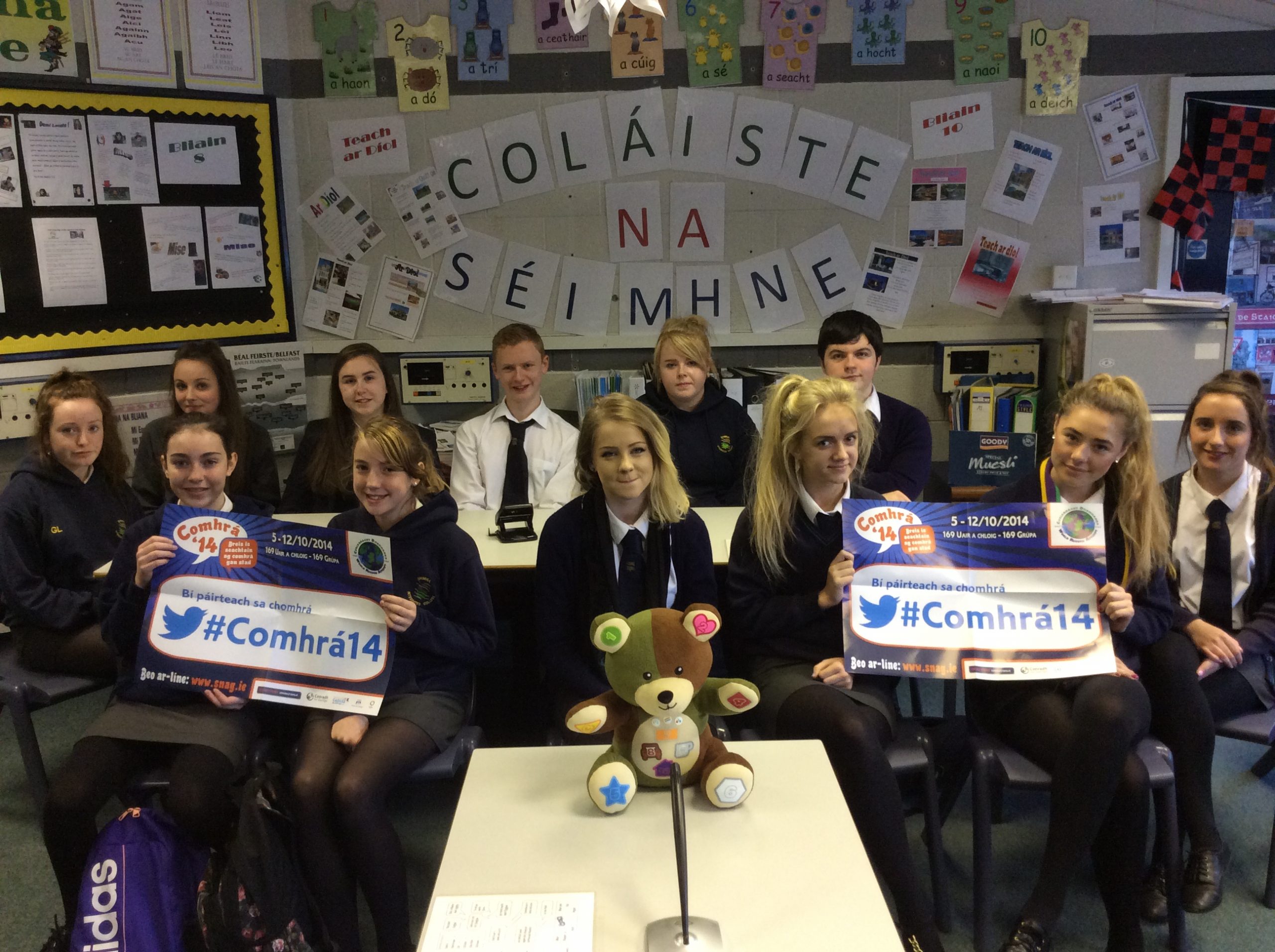
Within the Irish department, every opportunity was taken to promote the language. Irish Medium students ran a fundraising stall. All our students of Irish took part in the Dúslán, committing to carry out twenty four Irish language challenges within forty eight hours. Another challenge was the Comhrá, when students committed to a world record attempt at the longest Irish conversation ever.
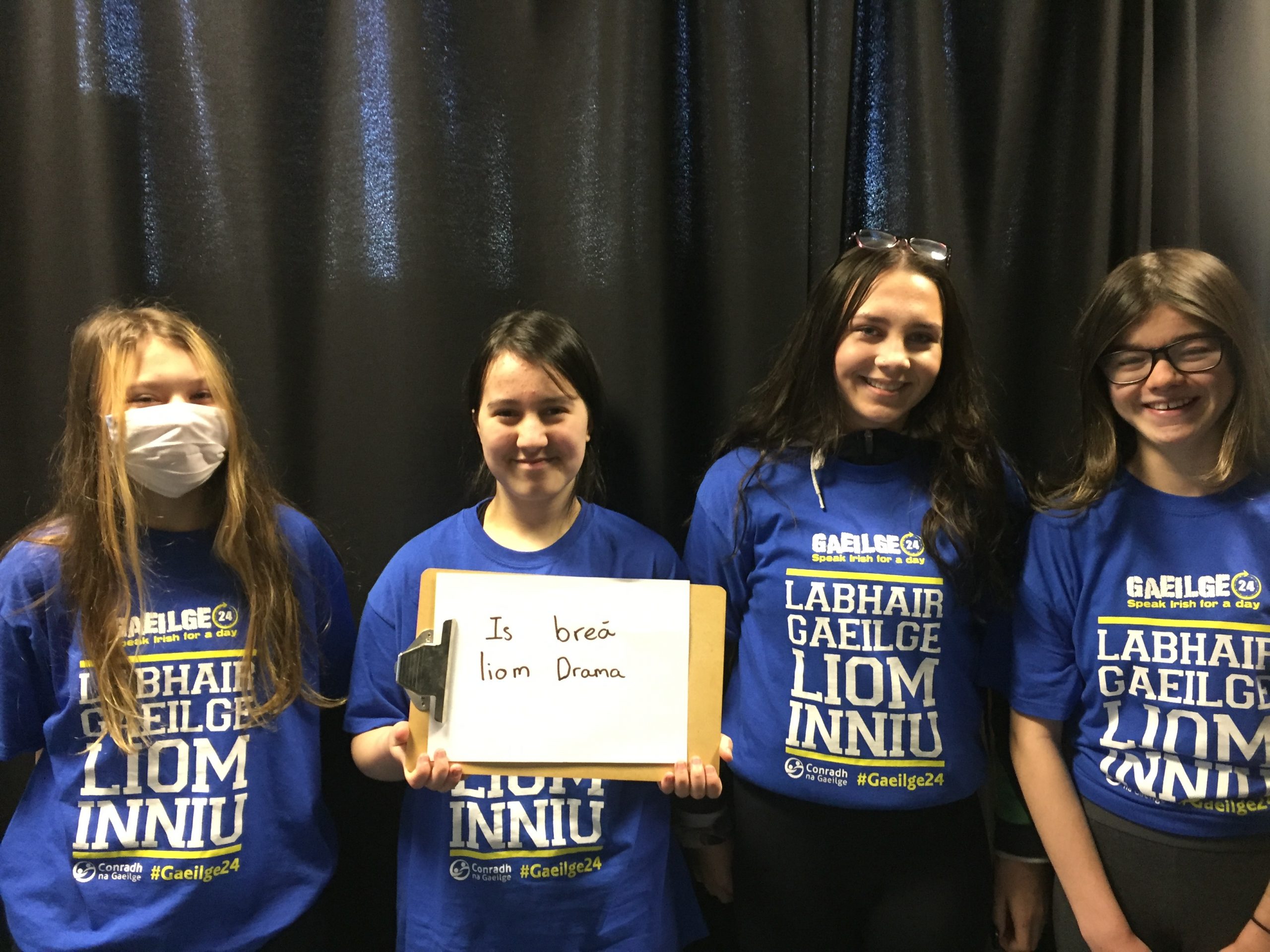
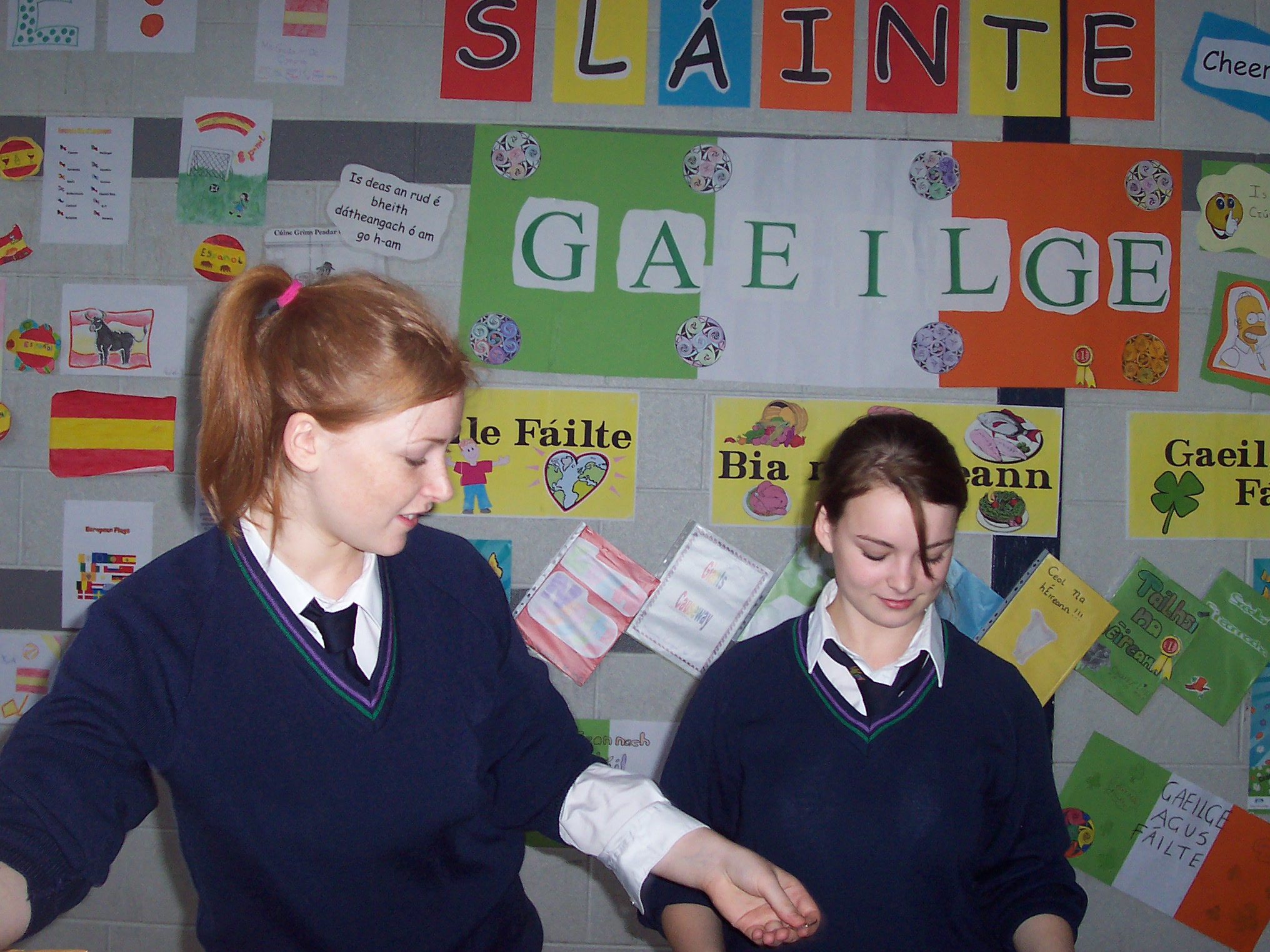
Students also took part in Labhair Gaeilge Liom Inniu, presenting a challenge to everyone in the school. European Day of Languages would see the Irish department setting out their stall to promote the language.
Particularly under Robbie Keenen’s direction, within the Irish department, every opportunity was taken to promote the language. Irish Medium students ran a fundraising stall. All our students of Irish took part in the Dúslán, committing to carry out twenty four Irish language challenges within forty eight hours. Another challenge was the Comhrá, when students committed to a world record attempt at the longest Irish conversation ever. Students also took part in Labhair Gaeilge Liom Inniu, presenting a challenge to everyone in the school. European Day of Languages would see the Irish department setting out their stall to promote the language.
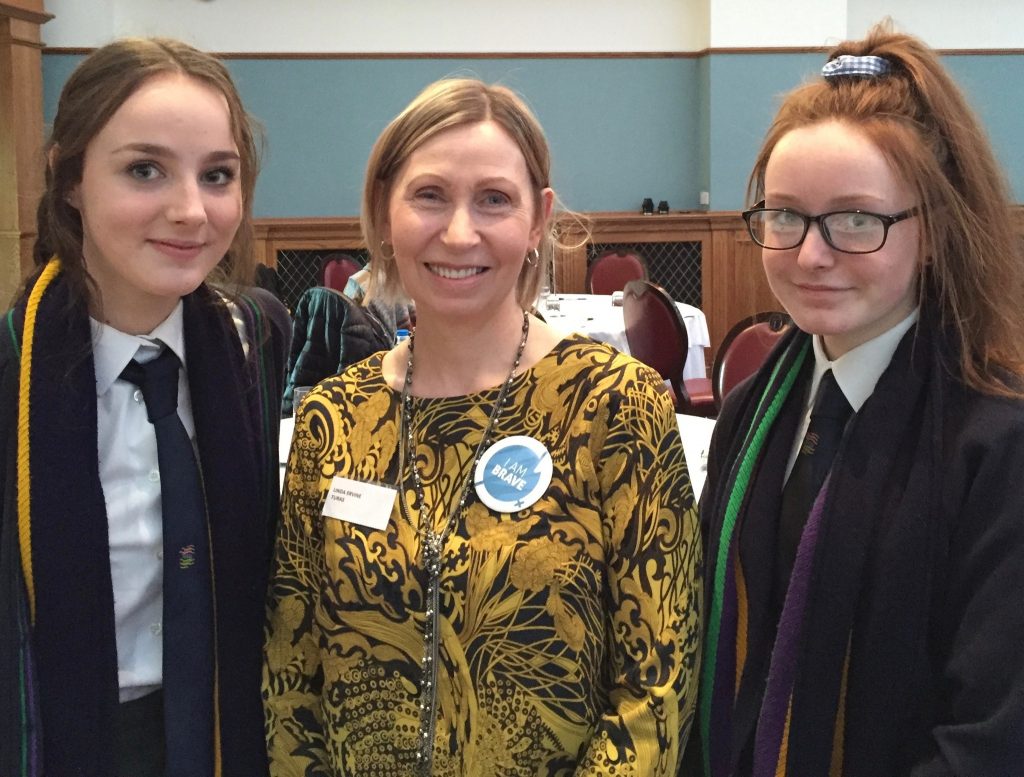
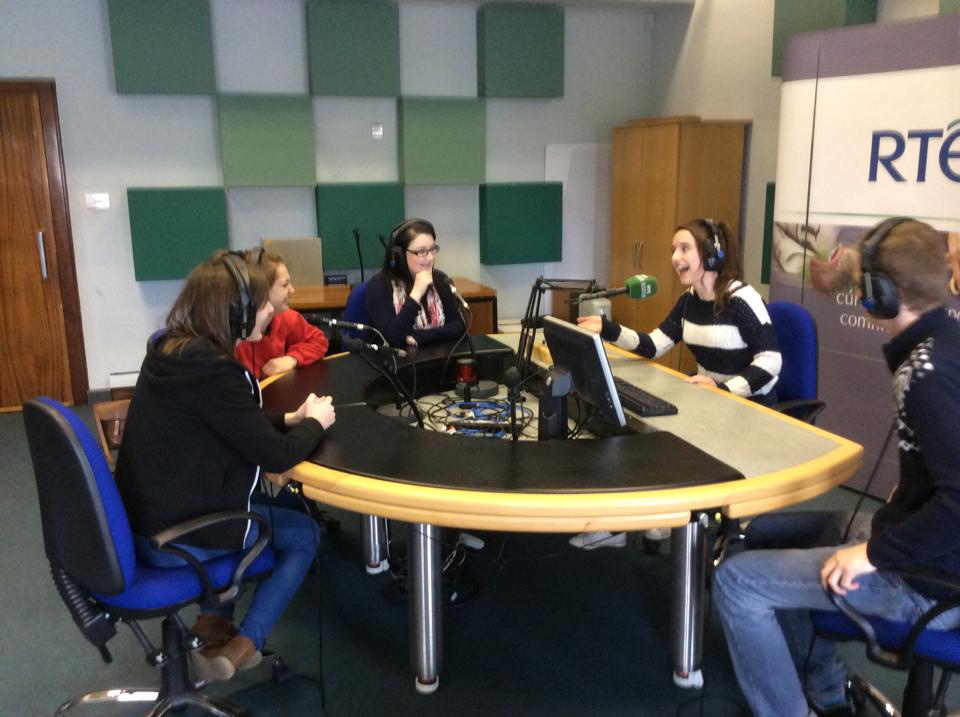
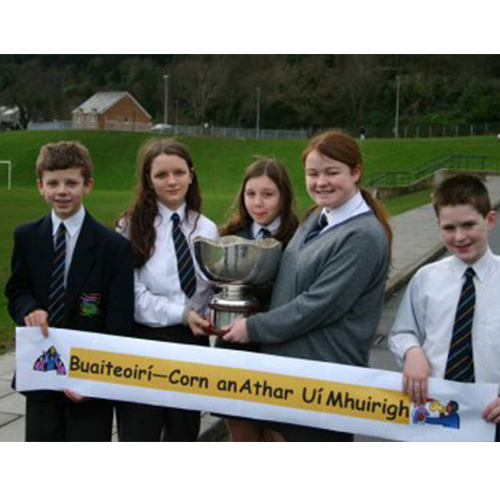
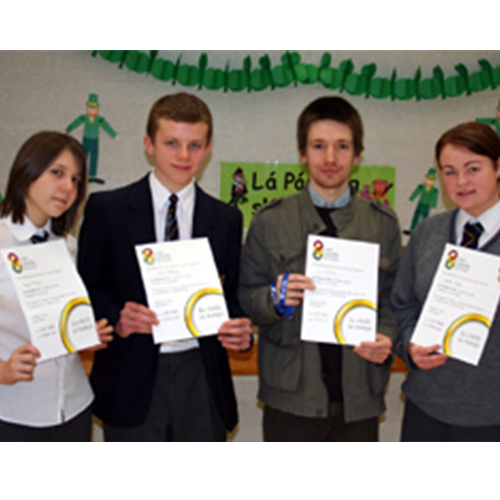
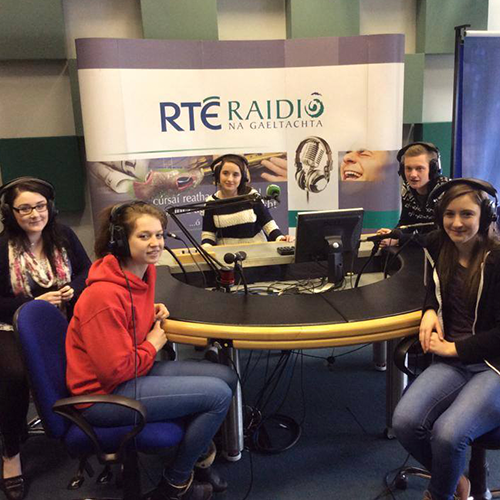
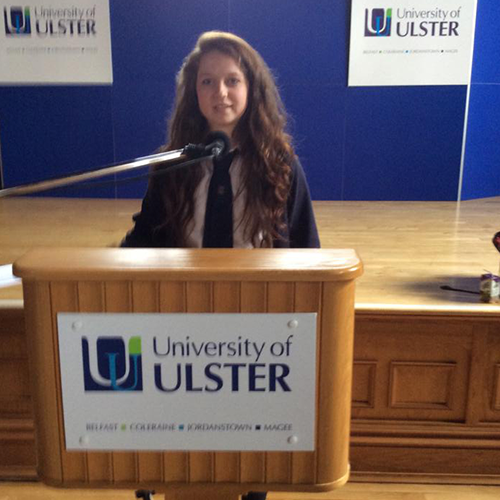
Achievements in Irish included winning the Corn an Athar Uí Mhuirigh, which then had pride of place in the Irish department on Open Day. Every year, Shimna students would win scholarships to the Gaeltacht in Donegal. An A level trip to L/Derry and Donegal included a visit to RTE to take part in an Irish language broadcast and a visit to Ulster University Irish department. A trip to Belfast for International Women’s Day included an opportunity to meet Linda Ervine, the driving force behind the founding of Scoil na Seolta in East Belfast.

Shimna students graduated from Shimna with A level Irish year after year, and many careers were made. Rachel teaches locally in Gaelscoil na mBeann and also at evening classes and diancursai in Boirche Íachtar in Parc na Mara.

Keely teaches in Coláiste Chaitríona in Armagh. Siún’s PhD is a study of the Belfast Gaeltacht. Conor’s degree placement was with the Irish medium unit at the BBC, leading to his career at Conor Quayle Media. Méadbh graduated in Cumarsáid ages Gaeilge and has a successful career in Irish Medium broadcasting. Méadbh is an excellent example of making the most of Irish and Integration. Having qualified early with her Irish GCSE and A level, Méadbh continued with German to A level and after graduating from Galway, spent a year’s internship in Berlin.
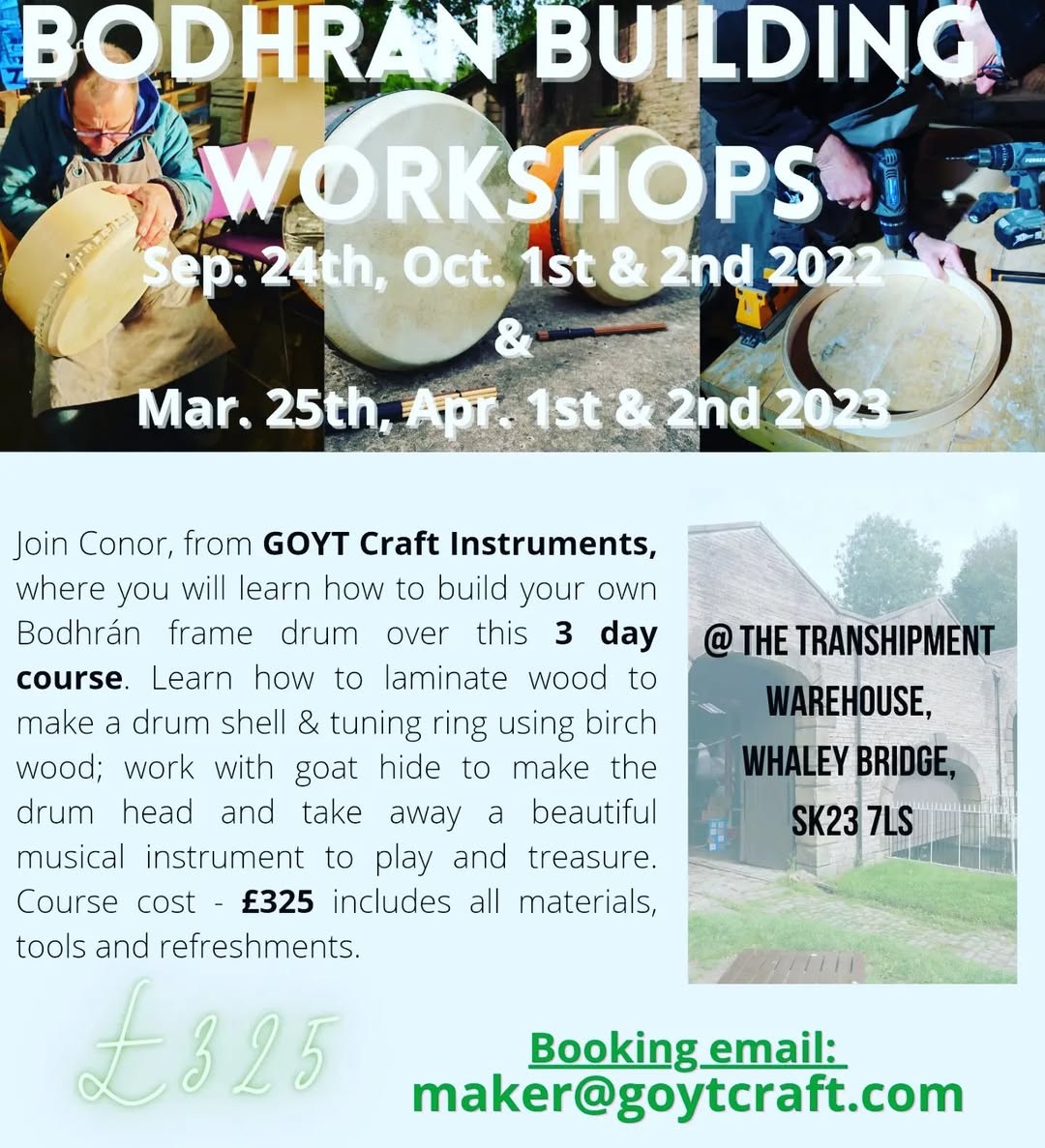
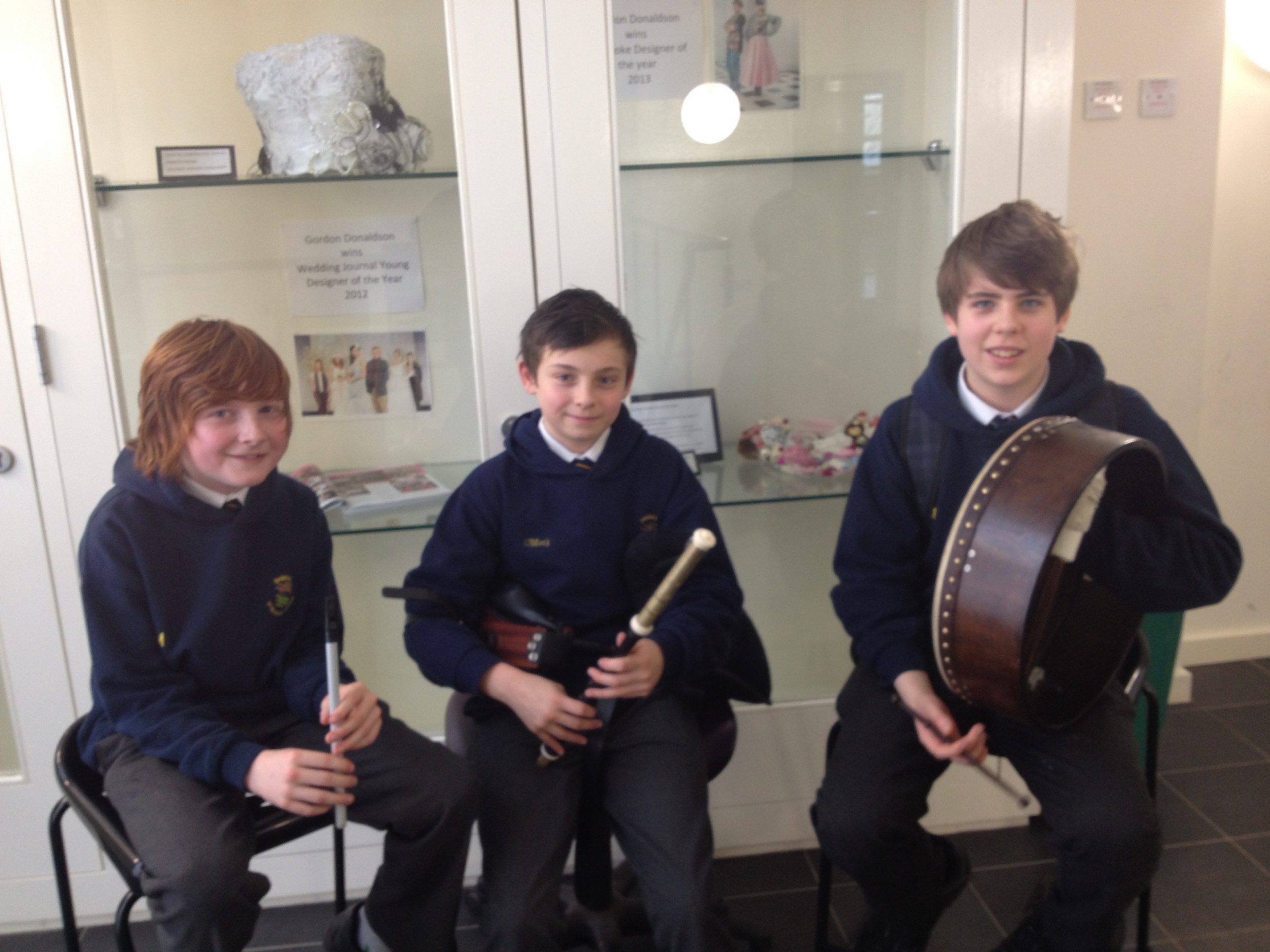
Conor makes a good living building bodhrans, and helping others build their own bodhran, all the more convincingly with his background in Irish.
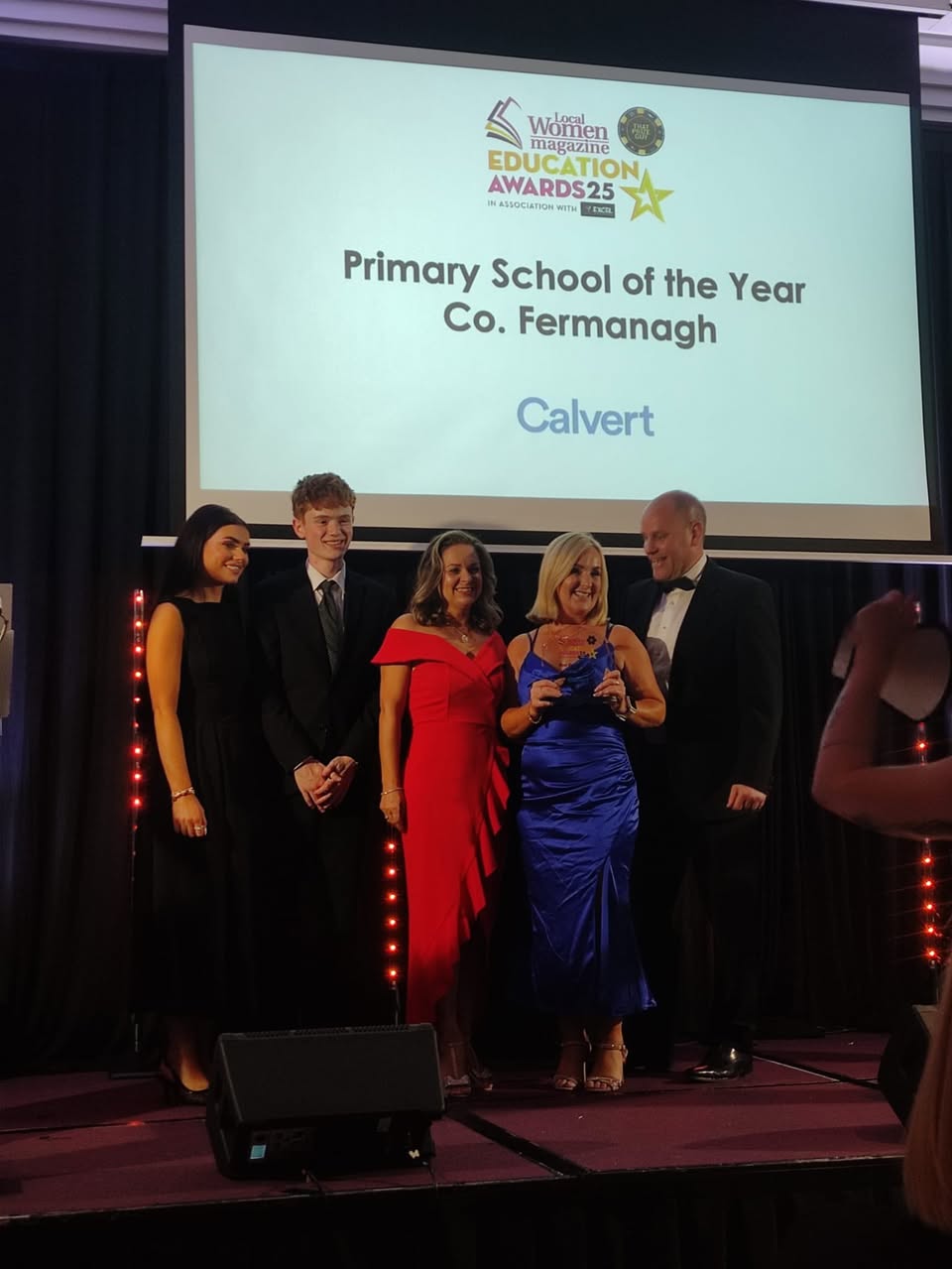
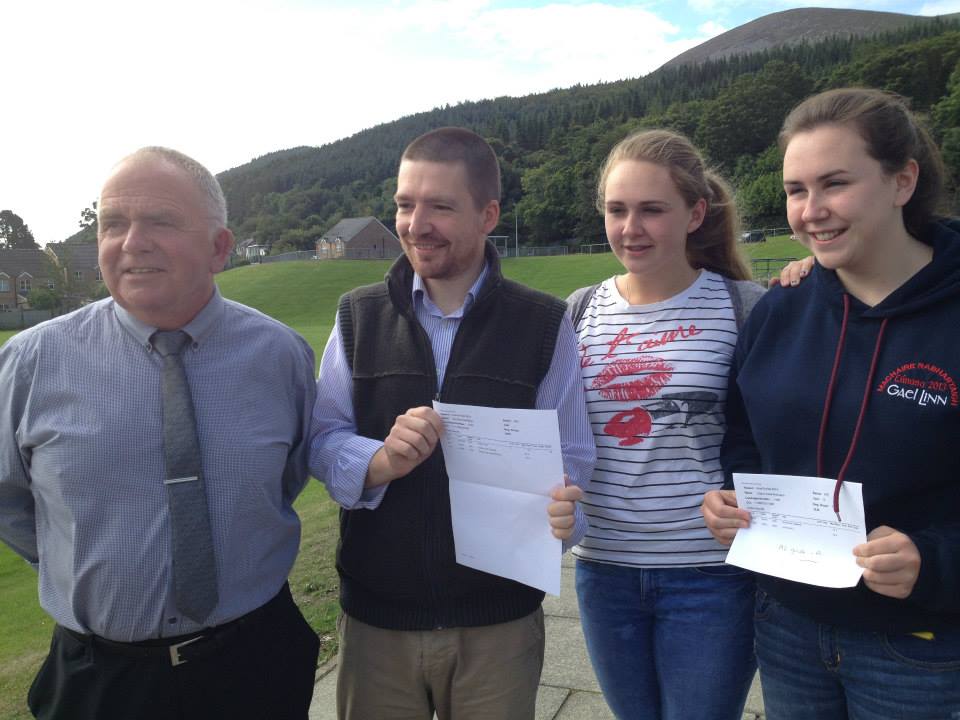
Parents and staff have also found career success through Irish at Shimna. Parent Mary McMurrough sat her Irish GCSE in Shimna alongside her son Cú Mhara. She moved on from her GCSE A* to study further, leading lovely events and classes for parents and toddlers in Castlewellan before taking up a teaching post in Bunscoil agus Naiscoil na Traonaigh in Fermanagh. Not only that, but she went on to represent the school winning the Fermanagh Primary School of the Year. And Ian McMillan has been appointed principal of Gaelscoil an Chaistil in Ballycastle.